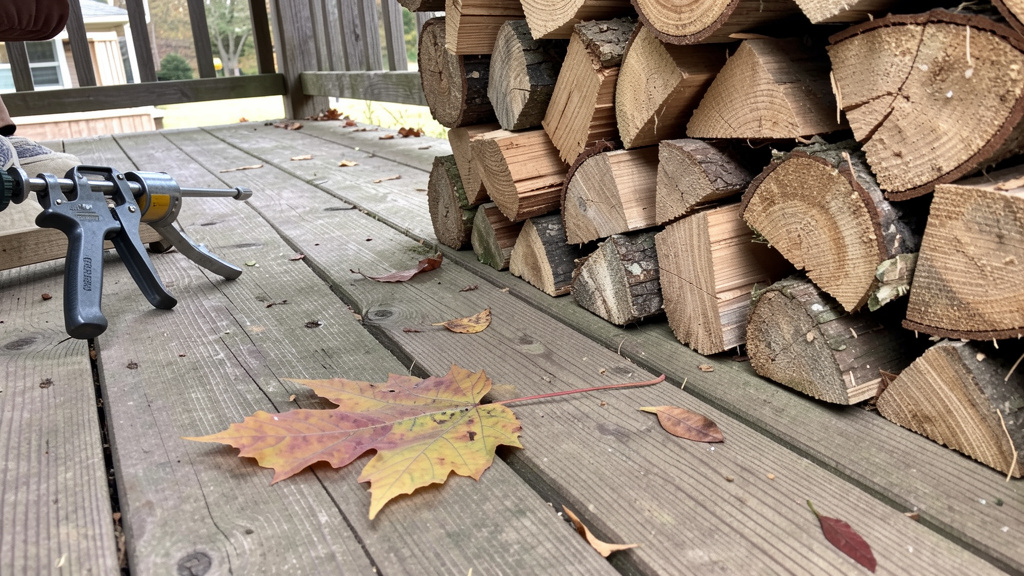
Go beyond the seasonal checklist. Transform autumn chores into a strategic system that protects your home’s integrity, efficiency, and safety all winter long.
Fall maintenance isn’t merely about raking leaves or swapping out decor. It’s the critical window where proactive attention prevents costly emergencies, preserves structural integrity, and ensures comfort during winter’s most demanding months. This guide reframes seasonal preparation as an integrated resilience strategy—addressing interconnected systems rather than isolated tasks. By understanding why each action matters and how components interact, you build a home ecosystem capable of withstanding snow loads, freezing temperatures, wind events, and unexpected disruptions. Drawing from established building science principles and documented patterns of seasonal home performance, this approach transforms routine upkeep into intelligent stewardship of your most significant investment.
Introduction: Why “Checklist Thinking” Fails in Fall Preparation
Every October, countless homeowners download generic “fall maintenance checklists” promising simplicity. Yet by January, emergency services respond to preventable issues like frozen pipes, ice dam complications, and heating system strain. Why does checklist compliance so often fall short? Because homes function as dynamic systems, not collections of independent parts. A clogged gutter doesn’t just hold leaves—it can contribute to ice formation that stresses roofing materials, potentially affecting underlying structures and interior environments. A drafty window doesn’t merely feel chilly—it increases demand on heating systems and may introduce moisture concerns over time. Checklist thinking addresses isolated items; resilience thinking recognizes interdependencies and builds layered defenses.
True winter readiness requires shifting perspective: from tasks to complete to vulnerabilities to mitigate. This framework emerged from analyzing documented patterns in seasonal home performance, building science literature, and maintenance best practices. Patterns consistently reveal that many winter-related complications stem from overlooked connections between systems—such as how exterior drainage issues may influence foundation moisture, which in turn affects indoor air quality. By organizing preparation into three intentional layers—Exterior Shield, Interior Systems, and Emergency Contingencies—we create redundancy. If one defense is compromised, others provide support. This layered methodology reflects principles used in resilient design: redundancy reduces vulnerability to single-point failures.
Consider how a small vulnerability can cascade: compromised roofing materials may allow moisture intrusion during freeze-thaw cycles. This moisture can travel along structural pathways, affecting insulation performance and potentially creating conditions conducive to material degradation. Had a layered resilience approach been applied—verifying roof integrity while ensuring proper attic ventilation and confirming emergency shutoff accessibility—the progression could often be contained or prevented. This isn’t about perfection; it’s about intelligent prioritization. Your home’s winter resilience depends not on completing every possible task, but on strengthening critical connections with thoughtful, informed action.
Layer 1: The Exterior Shield – Preventing the Elements from Gaining Entry
Your home’s exterior functions as a dynamic barrier engineered to manage moisture, wind, temperature extremes, and physical stress. Winter intensifies these pressures: freezing precipitation seeks microscopic openings, wind-driven snow tests seal integrity, and repeated freeze-thaw cycles challenge material resilience. The Exterior Shield layer focuses on preserving this barrier’s integrity. Neglect here frequently initiates the most complex and resource-intensive winter complications. Strengthening this layer represents a foundational investment that supports every interior system.
Roof and Gutter Systems: Your First Line of Defense
Your roof performs essential protective functions year-round, but winter demands peak resilience. Snow accumulation adds measurable weight, while ice formation can create pressure against roofing edges. Gutters serve as critical drainage pathways. When obstructed, they may retain moisture that contributes to ice buildup near vulnerable roof transitions.
Why this matters fundamentally: Moisture management is central to winter resilience. Compromised roofing integrity can introduce moisture into attic spaces during thaw cycles. This moisture may reduce insulation effectiveness, create conditions favorable to material degradation over time, and affect indoor environmental quality. Similarly, gutters that fail to channel water away from the foundation may contribute to soil saturation issues months later. Proper drainage is consistently emphasized in building performance resources as a key factor in long-term structural health.
Step-by-step verification and maintenance:
1. Conduct a ground-level visual inspection first: Using binoculars, scan for missing, cracked, or curling shingles; damaged flashing around chimneys, vents, or skylights; and sagging areas. Note moss or algae growth (indicates moisture retention and potential granule loss on asphalt shingles). Why start here? Safety. Many roof issues are visible from below. Climbing unnecessarily risks injury.
2. Perform a safe attic inspection (critical): On a bright day, enter your attic with a flashlight. Look for:
* Water stains on rafters, sheathing, or insulation (indicates past moisture exposure)
* Daylight visible through roof boards (immediate vulnerability requiring attention)
* Wet or compressed insulation (compromised thermal performance)
* Adequate ventilation: Check soffit vents aren’t blocked by insulation and ridge vents are clear. Proper airflow helps prevent warm, moist indoor air from condensing on cold roof sheathing—a factor in ice formation and attic moisture concerns. Pro Tip: Hold a tissue near soffit vents on a windy day; if it doesn’t flutter, airflow may be restricted.
3. Clean gutters and downspouts thoroughly: Wear gloves. Remove debris by hand into a bucket. Flush with a garden hose from the downspout end upward to verify flow. Ensure downspouts extend at least 5–6 feet away from your foundation. Install downspout extensions if needed. Critical nuance: Cleaning isn’t enough. Verify gutters are securely fastened. Loose hangers cause sagging, creating pools where ice may form. Tighten existing hangers or add supplemental brackets every 2–3 feet.
4. Inspect flashing and sealants: Pay close attention to areas where roofing meets vertical surfaces (chimneys, dormers, walls). Flashing should be tight against surfaces with no visible gaps. Sealant should be flexible, not cracked or brittle. Common mistake: Applying new sealant over old, failing material. Scrape away deteriorated sealant completely before reapplying.
5. Address ice dam prevention proactively: If your home has experienced ice dam concerns:
* Short-term: Install heat cables before freezing temperatures arrive. Route them in a zig-zag pattern along the roof edge and downspouts. Plug into a GFCI outlet. Do not wait for ice to form—install while temperatures are still above freezing for safe handling.
* Long-term: Improve attic insulation and ventilation to help maintain a consistent roof deck temperature, reducing conditions that contribute to ice dam formation. Consult an energy professional for a tailored assessment.
Budget-conscious alternatives:
* Ideal: Professional roof inspection + full gutter cleaning/service.
* Budget: Thorough DIY attic inspection + gutter cleaning. Rent a gutter cleaning tool that attaches to your hose for safer downspout flushing from the ground.
* Emergency stopgap: If you spot a minor leak before winter, apply a temporary roof patch kit on a dry, above-freezing day. This buys time but is not a permanent fix—schedule professional repair when conditions allow.
Neglecting gutter maintenance can lead to water backup during freeze-thaw cycles, potentially causing roof leaks, attic moisture issues, and interior complications requiring significant remediation. Consistent attention to drainage pathways supports multiple layers of your home’s resilience.
Windows, Doors, and Sealing the Thermal Envelope
Windows and doors are intentional openings in your home’s shell—necessary for light, ventilation, and access, but requiring attention to maintain performance during winter stress. Even modern units experience gradual seal degradation. Compromised seals may allow cold air infiltration and permit warm, moist indoor air to contact cold surfaces, potentially leading to condensation on frames or sills.
Why this matters fundamentally: Uncontrolled air movement affects both comfort and system efficiency. Beyond perceived drafts, air leakage can carry moisture into wall cavities where condensation may occur on cold surfaces—a consideration for long-term material health. During high winds, poorly sealed openings may experience increased stress. This layer supports not only comfort but also the preservation of structural materials and indoor environmental quality.
Step-by-step verification and maintenance:
1. Conduct the “dollar bill test” for doors: Close a dollar bill in the door jamb. If you can pull it out easily with little resistance, the weatherstripping may be worn. Test top, bottom, and both sides. Replace worn vinyl, foam, or rubber strips. For the threshold (bottom seal), ensure the sweep makes firm contact with the sill. Adjustable thresholds can be raised/lowered with a screwdriver.
2. Inspect window operation and seals: Open and close each window. Listen for grinding or sticking. Check rubber or vinyl gaskets around the sash for cracks, hardening, or gaps. For double-pane windows, look for fogging or condensation between the panes—this indicates seal failure. While not an immediate emergency, it reduces insulating performance and warrants professional evaluation.
3. Perform a draft detection sweep: On a windy day (or use a hairdryer on cool setting indoors), slowly move your hand around window and door frames. Feel for air movement. Alternatively, light an incense stick and watch the smoke trail near seams. Mark draft locations with painter’s tape.
4. Seal identified leaks appropriately:
* Small gaps (<1/4 inch): Use silicone or acrylic latex caulk. Clean the area thoroughly first. Cut the nozzle at a 45-degree angle for precise bead control. Smooth with a damp finger or caulk tool. Critical tip: Choose paintable caulk for interior trim; use silicone (non-paintable) for exterior masonry or areas needing maximum flexibility.
* Larger gaps or uneven surfaces: Apply peel-and-stick foam weatherstripping tape to the stop molding where the sash closes. For doors, install a door sweep or threshold seal. V-strip (tension) weatherstripping works well for older windows with minor warping.
* Temporary seasonal solution: Install interior window insulation film kits. When applied correctly (stretched taut, sealed with double-sided tape, and shrunk with a hairdryer), they create an additional insulating air gap, reducing condensation potential and heat loss. Remove in spring to prevent moisture trapping against the glass.
5. Lubricate hardware: Apply graphite powder (not oil-based lubricants, which attract dust) to door locks, hinges, and window tracks. Operate mechanisms several times to work in the lubricant. This helps prevent sticking during cold periods.
Budget-conscious alternatives:
* Ideal: Professional energy assessment with diagnostic tools to pinpoint leaks + installation of high-performance weatherstripping.
* Budget: DIY draft detection + targeted caulking/weatherstripping. Prioritize north- and west-facing openings (most exposed to winter winds). Use rope caulk (moldable putty) for temporary sealing of leaky historic windows—it’s removable in spring.
* Emergency stopgap: Roll up a towel tightly and place it along the bottom of a drafty exterior door. For a leaking window, tape a heavy-duty plastic sheet over the interior pane temporarily. These are very short-term fixes only.
Material nuance matters: Avoid using standard expanding foam around window or door frames unless it’s the low-expansion formula specifically designed for these applications. Regular foam expands with significant force, potentially distorting frames and impairing operation. Low-expansion foam fills gaps with minimal pressure. Always follow manufacturer instructions precisely.
Foundation, Drainage, and Landscaping Considerations
Your foundation provides essential structural support, yet faces persistent challenges from moisture—especially during fall’s freeze-thaw cycles. Water expands when frozen. When moisture saturates soil against your foundation and undergoes repeated freezing and thawing, it can exert pressure on foundation walls. Poor drainage directs water toward your home instead of away, increasing soil saturation and hydrostatic pressure on basement or crawlspace walls.
Why this matters fundamentally: Foundation integrity is central to long-term home health. Chronic moisture exposure may lead to efflorescence (mineral deposits), spalling (surface deterioration), or conditions favorable to wood-destroying organisms. Proper grading and drainage are consistently emphasized in building maintenance literature as non-negotiable elements for structural preservation.
Step-by-step verification and maintenance:
1. Inspect the foundation perimeter (exterior): Walk completely around your house. Look for:
* Cracks: Hairline cracks (<1/8 inch) in poured concrete are often normal shrinkage cracks. Wider cracks, especially horizontal cracks or those showing displacement (one side higher than the other), warrant professional evaluation. Document with photos for comparison next year.
* Efflorescence: White, chalky deposits indicate moisture has moved through the concrete. While not structurally damaging itself, it signals ongoing moisture presence needing investigation.
* Soil grading: The ground should slope away from your foundation at a rate of at least 6 inches over the first 10 feet. Use a level and straight board to check. If soil is flat or slopes inward, water pools against the foundation.
2. Verify drainage pathways: Ensure downspouts discharge minimum 5–6 feet from the foundation (use extensions if needed). Check that French drains, swales, or dry wells are clear of debris. After a rain, observe where water flows—does it move away from the house or pool near walls?
3. Address grading issues: For minor negative grading:
* Add clean, compactable fill soil (like sandy loam) against the foundation, sloping away. Crucial: Keep soil at least 4–6 inches below the bottom of siding or stucco to prevent wood rot or moisture wicking into walls. Never pile soil directly against wood siding.
* For significant grading problems or persistent pooling, consult a landscape professional about installing a curtain drain or regrading.
4. Prepare landscaping for winter:
* Tree limbs: Trim branches hanging over the roof, within 10 feet of the house, or near power lines. Heavy snow or ice accumulation can cause limbs to break, damaging roofs, siding, or utilities. Hire a certified arborist for large trees or work near lines.
* Mulch beds: Pull mulch back 6–12 inches from the foundation perimeter. This creates a “dry zone” that deters pests and reduces moisture retention against the foundation wall.
* Irrigation systems: Critical step: Shut off the main water supply to your irrigation system. Open all manual drain valves at the lowest points of the system. Use a compressor (80–100 PSI) to blow out remaining water from pipes and sprinkler heads (blow-out method). Failure to properly winterize can cause pipes to freeze, burst, and damage landscaping or structures when thawing occurs. If unsure, hire an irrigation professional—this service is typically far less costly than repairing burst pipes and damaged landscapes.
* Garden hoses: Disconnect, drain completely, and store indoors. Close interior shut-off valves for outdoor faucets (hose bibbs). Open the outdoor faucet to drain residual water from the pipe stub. Install insulated faucet covers on exterior spigots.
Regional adaptation is essential:
* Snowbelt regions (Northeast, Midwest, Mountain West): Focus on roof load considerations (trim overhanging branches that drop snow on roofs), ice dam prevention strategies, and ensuring snow removal equipment won’t damage irrigation heads or landscape features near driveways.
* Rain-dominant regions (Pacific Northwest, Southeast): Prioritize gutter/downspout capacity and drainage. Clean gutters twice in fall if surrounded by heavy foliage. Ensure sump pumps are tested and backup batteries are charged.
* Arid/Southwest regions: While freezing is less frequent, sudden cold snaps can still damage irrigation components. Focus on sealing cracks where pests may enter and checking roof integrity after monsoon season winds.
Addressing drainage issues proactively helps prevent basement moisture complications and potential foundation stress. Consistent attention to soil grading and water pathways supports long-term structural health.
Layer 2: Interior Systems Optimization – Ensuring Reliability When You Need It Most
While the Exterior Shield keeps environmental stresses out, Interior Systems ensure your home functions within when winter demands sustained performance. Heating systems operate longer; plumbing faces freeze risks; indoor air quality shifts as ventilation decreases. Optimizing these systems prevents operational failures, supports occupant well-being, and manages resource use. Consistent pre-season attention to these systems is widely recognized in maintenance literature as a key factor in avoiding mid-winter complications.
HVAC and Heating Systems: Preparing for Peak Demand
Your heating system is central to winter comfort. Whether forced air, boiler, heat pump, or fireplace, it undergoes extended operation as outdoor temperatures drop. A system operating under strain due to neglect consumes more energy, provides inconsistent comfort, and faces higher risk of malfunction during periods of peak demand—when service availability may be limited and repair costs elevated.
Why this matters fundamentally: Restricted airflow from a dirty filter can cause components to overheat. Repeated thermal stress may contribute to premature wear. Similarly, blocked vents or flues can create unsafe operating conditions. Beyond safety, efficiency losses are meaningful: systems operating with significant airflow restriction may use noticeably more energy. For many households, this translates to avoidable seasonal costs.
Step-by-step verification and maintenance:
1. Replace or clean air filters: Do this now, before heavy use begins. Note the filter size (printed on the frame) and MERV rating (Minimum Efficiency Reporting Value). For most homes, MERV 8–11 offers a good balance of particle capture and airflow. Critical habit: Set a recurring calendar reminder to check/replace filters every 30–90 days during heating season. Write the replacement date on the filter frame with a marker.
2. Test thermostat operation: Raise the temperature setting 5–10 degrees above current room temperature. Listen for the system to activate (you should hear the inducer motor start, then the burners ignite, followed by the blower fan). Verify heat is blowing from vents. For programmable/smart thermostats, review and update winter schedules. Pro Tip: Lowering the nighttime temperature by 7–10 degrees for 8 hours (e.g., while sleeping) may reduce seasonal heating energy use.
3. Inspect visible components (safely):
* Forced Air (Furnace): Ensure the area around the unit is clear of boxes, chemicals, or debris (maintain 2–3 feet clearance). Visually check the condensate drain line (if applicable) for clogs—pour a cup of vinegar down the drain port to help prevent buildup. Never attempt to open the furnace cabinet yourself—high-voltage components and fuel connections require a qualified professional.
* Boiler: Check the pressure gauge (typically should read 12–15 psi when cold). Note any unusual noises (banging, gurgling) or signs of leaks around valves/pipes. Bleed radiator valves if upper floors aren’t heating evenly (have towels ready!).
* Heat Pumps: Clear leaves, snow, or debris from the outdoor condenser unit (at least 2 feet clearance on all sides). Gently hose down the coil fins if dirty (power OFF first). Verify operation per manufacturer guidance.
* Fireplaces/Wood Stoves: Essential: Schedule a professional chimney sweep and inspection before first use. Creosote buildup is flammable. Inspect the damper for smooth operation. Clean the firebox and ash pan. Store firewood at least 20 feet from the house foundation to deter pests.
4. Schedule professional maintenance: This step is strongly recommended for safety and performance. A qualified technician will:
* Inspect critical components for integrity
* Clean burners, ignition assembly, and sensors
* Check fuel pressure and combustion characteristics
* Lubricate motors (if applicable)
* Test safety controls and limit switches
* Verify venting/exhaust integrity
* Check electrical connections
Book appointments now—service providers are often fully booked once cold weather arrives.
Budget-conscious alternatives:
* Ideal: Annual professional service for all heating systems + smart thermostat installation.
* Budget: Meticulous DIY filter changes + thermostat testing + visual clearance checks. Use manufacturer resources (many offer free online maintenance videos specific to your model).
* Emergency awareness: Know the signs of trouble: Yellow burner flames (should be blue—indicates incomplete combustion), unusual smells (rotten egg = gas leak—EVACUATE and call utility), clicking without ignition, or carbon monoxide alarm activation. Have emergency contact numbers (HVAC company, gas utility) posted visibly.
Safety imperative: Carbon monoxide (CO) is odorless, colorless, and hazardous. Ensure CO detectors are installed on every level (including basement), outside sleeping areas, and near (but not inside) attached garages. Test monthly. Replace units according to manufacturer guidance (typically every 5–10 years). Never use ovens, grills, or generators for indoor heating.
Plumbing: Preventing Costly Freezes and Failures
Water expands when frozen. When this occurs inside a pipe, pressure builds until the pipe may rupture—often at the weakest point, which could be inside a wall, under a floor, or in an inaccessible crawlspace. A single rupture can release significant water, causing extensive damage to structure, finishes, and belongings. Preventing freeze-related complications is consistently cited as one of the most impactful fall maintenance actions.
Why this matters fundamentally: Freezing can occur without sustained extreme cold. Pipes in unheated spaces (attics, garages, crawlspaces, exterior walls) may freeze when outdoor temperatures dip below freezing for several hours, especially if wind chill is significant or insulation is inadequate. Prevention is vastly more manageable than water damage restoration.
Step-by-step verification and maintenance:
1. Identify vulnerable pipes: Walk through areas prone to cold exposure:
* Pipes running through exterior walls (common under kitchen/bathroom sinks on outside walls)
* Pipes in unheated garages, basements, crawlspaces, or attics
* Pipes near foundation walls with minimal insulation
* Outdoor hose bibbs (spigots)
2. Insulate exposed pipes: Use pre-slit foam pipe insulation sleeves (available at hardware stores). Measure pipe diameter (typically ½” or ¾”). Cut sleeves to length, wrap snugly around pipes, and secure seams with tape. Pay special attention to elbows and valves. For pipes in very cold zones (like unheated garages), consider self-regulating heat tape installed per manufacturer instructions (wrap tape first, then add insulation sleeve over it). Critical warning: Only use UL-listed, self-regulating heat cable with built-in thermostat control. Never use standard heat tape without automatic shutoff—it poses fire risk.
3. Winterize outdoor water sources:
* Hose Bibbs (Spigots): Disconnect and drain hoses. Close the interior shut-off valve (usually in basement/crawlspace). Open the outdoor faucet to drain residual water from the pipe stub. Install an insulated faucet cover. Frost-proof sillcocks (long-stem faucets where the valve seat is inside the warm house) still benefit from covers in extreme cold.
* Irrigation Systems: As detailed in Layer 1, professional blow-out is strongly recommended. DIY attempts without proper equipment often leave water trapped in low spots, risking freeze damage.
4. Prepare for extended absences: If traveling during cold months:
* Set thermostat to at least 55°F (never turn completely off).
* Shut off the main water supply valve.
* Open all faucets (starting with highest point in house, ending with lowest) to drain residual water from pipes. Flush toilets to drain tanks.
* Pour non-toxic RV antifreeze into sink, tub, and floor drains to maintain trap seals.
5. Know your emergency shutoffs: Locate your main water shutoff valve now. Ensure everyone in the household knows its location and how to operate it (turn clockwise until tight). Mark it with bright tape. Test it periodically to prevent seizing. Also locate shutoff valves for individual fixtures (toilets, sinks).
Budget-conscious alternatives:
* Ideal: Professional assessment of vulnerable pipes + installation of heat tape on critical lines + smart water shutoff valve that detects anomalies and auto-shuts off water.
* Budget: DIY pipe insulation ($0.50–$2 per foot) + faucet covers ($5–$15 each). Prioritize pipes that have frozen before or are in the coldest locations. Use old sweatshirts or towels wrapped tightly around vulnerable pipes under sinks as a temporary insulator.
* Emergency protocol: If you suspect a pipe is frozen (reduced flow at a faucet), do not use an open flame. Apply heat slowly using a hairdryer, heating pad, or towels soaked in warm water. Start heating near the faucet and work toward the coldest section. If a pipe ruptures, shut off main water immediately, then contact a plumber.
Properly winterizing pipes before extended absences is a critical step to prevent freeze-related damage. Even brief cold snaps can affect vulnerable plumbing if precautions aren’t taken.
Safety Systems: Smoke, Carbon Monoxide, and Fire Prevention
Winter sees increased use of heating equipment, holiday lighting, and indoor cooking—all factors that elevate fire and carbon monoxide risks. Simultaneously, tightly sealed homes (for efficiency) reduce natural air exchange, allowing CO to accumulate faster if appliances malfunction. Safety systems are essential guardians—they only fulfill their purpose when maintained and functional.
Why this matters fundamentally: Heating equipment is frequently cited as a leading factor in winter home fire incidents. Carbon monoxide exposure risks also increase during colder months. These systems require proactive care: batteries deplete, sensors accumulate dust, units reach end-of-life. Regular testing and maintenance are non-optional elements of household safety.
Step-by-step verification and maintenance:
1. Test every alarm monthly (do it now): Press the “Test” button on every smoke and CO alarm. A loud, piercing sound should sound within seconds. If weak or silent, replace batteries immediately. If it still fails, replace the entire unit. Critical: Test alarms with family members present so everyone recognizes the sound and knows evacuation routes.
2. Replace batteries proactively: Change batteries in all alarms when you change clocks for Daylight Saving Time (fall and spring). Use lithium batteries where recommended—they perform better in temperature extremes. Write the replacement date on the alarm with a marker.
3. Vacuum alarm casings: Dust and cobwebs can block sensor chambers. Gently vacuum the exterior vents of each alarm with a soft brush attachment monthly. Avoid spraying cleaners directly on alarms.
4. Verify placement and quantity:
* Smoke Alarms: Inside every bedroom, outside each sleeping area, and on every level (including basement). For multi-story homes, interconnected alarms (when one sounds, all sound) provide enhanced protection. Mount on ceiling (4 inches from wall) or high on wall (4–12 inches from ceiling). Avoid kitchens/bathrooms (steam causes false alarms).
* CO Alarms: On every level, outside sleeping areas, and near (but not inside) attached garages. Place at breathing height. Avoid placing directly next to fuel-burning appliances.
5. Check expiration dates: Most smoke alarms have a service life of approximately 10 years; CO alarms typically 5–7 years (check manufacturer label on back). Replace expired units immediately—sensor technology degrades over time. Note the installation date inside the battery compartment.
6. Fire extinguisher readiness: Ensure you have at least one ABC-rated fire extinguisher (5-lb minimum) on each level, especially in the kitchen and garage. Check the pressure gauge monthly—it should be in the green zone. Know the PASS technique: Pull pin, Aim at base of fire, Squeeze handle, Sweep side to side. Replace or recharge after any use, or if gauge falls into red.
Budget-conscious alternatives:
* Ideal: Interconnected smart alarms (notify phone if alarm sounds when away) + professional fire safety inspection.
* Budget: Rigorous monthly testing + battery replacement ritual. Many fire departments offer free home safety checks or low-cost alarm programs—call your local non-emergency number to inquire.
* Critical practice: Never disable an alarm due to nuisance chirping (usually low battery). Replace the battery immediately. A silent alarm provides no protection.
Seasonal fire risks to mitigate:
* Space Heaters: Keep at least 3 feet from anything flammable (furniture, bedding, curtains). Plug directly into wall outlet (never extension cord). Choose models with automatic tip-over and overheat protection. Turn off when leaving the room or sleeping.
* Holiday Decorations: Use LED lights (cooler, more efficient). Check cords for fraying. Don’t overload outlets. Keep natural Christmas trees well-watered. Never leave candles unattended.
* Cooking: Stay in the kitchen when frying, grilling, or broiling. Keep flammable items away from stovetop.
Energy Efficiency: Smart Upgrades for Winter Comfort
Optimizing energy use enhances comfort and reduces strain on heating systems. Drafts create cold spots that cause thermostats to run longer, increasing wear on equipment. Strategic efficiency measures create a more stable indoor environment while supporting system longevity.
Why this matters fundamentally: Heating typically represents a significant portion of home energy use. Targeted improvements yield meaningful returns: sealing air leaks is consistently ranked among the most cost-effective energy upgrades. Improved comfort (eliminating drafts, cold floors) also reduces the tendency to raise thermostat settings, creating a positive cycle of efficiency.
Step-by-step verification and maintenance:
1. Conduct a DIY energy assessment:
* Feel for drafts: On a windy day, use the incense or hand method around windows, doors, electrical outlets on exterior walls, baseboards, and where pipes/wires enter walls.
* Check insulation levels: Access your attic. Measure existing insulation depth. Compare to recommended levels for your climate zone (resources like the U.S. Department of Energy provide zone-specific guidance). If you can see floor joists, additional insulation may be beneficial.
* Inspect ductwork (if accessible in basement/crawlspace): Look for disconnected sections, visible gaps at joints, or crushed flexible ducts. Seal small gaps with mastic paste (not standard duct tape—it degrades quickly) and insulate ducts in unconditioned spaces.
2. Implement targeted air sealing:
* Electrical outlets/switches on exterior walls: Install inexpensive foam gaskets behind cover plates ($0.10–$0.25 each). Remove cover plate, slip gasket over device, replace plate. Simple, high-impact fix.
* Recessed “can” lights: Older models can be significant air leaks into attics. Install retrofit airtight baffles above the fixture (requires attic access) or replace with ICAT-rated (Insulation Contact, Airtight) LED fixtures.
* Attic hatches/stairs: Ensure the hatch has weatherstripping. Add rigid foam board insulation to the top side of the hatch door. For pull-down stairs, install an insulated attic stair cover.
3. Optimize window performance (beyond sealing):
* Heavy curtains: Install thermal-lined curtains. Close them at dusk to add an insulating layer; open them on sunny days to capture passive solar heat.
* Interior storm windows: For historic or inefficient windows, low-cost acrylic interior panels create a tight seal and significantly reduce drafts and condensation without altering exterior appearance.
4. Programmable thermostat optimization: If you have one, ensure settings align with winter patterns. Example schedule:
* 6:30 AM: 68°F (wake up)
* 8:30 AM: 62°F (leave for work)
* 5:00 PM: 68°F (return home)
* 10:30 PM: 62°F (sleep)
* Adjust based on comfort and occupancy. Smart thermostats learn patterns and can be adjusted remotely.
5. Water heater tweaks: Lower the thermostat to 120°F (safe for most households, reduces standby heat loss, prevents scalding). Insulate the first 6 feet of hot and cold water pipes leaving the tank with foam sleeves. If your tank feels warm to the touch, add an insulating blanket (check manufacturer guidelines first—some newer tanks don’t require it).
Budget-conscious alternatives:
* Ideal: Professional energy assessment with diagnostic tools + targeted air sealing/insulation upgrades.
* Budget: Focus on “low-hanging fruit”: outlet gaskets, attic hatch insulation, thermal curtains, and thermostat programming. These cost under $100 total and yield noticeable comfort improvements.
* Behavioral adjustments: Reverse ceiling fan direction to clockwise (low speed) to gently push warm air trapped at the ceiling back down into the room. Close doors to unused rooms (if your HVAC system allows) to concentrate heat where needed.
Measuring impact: Track your energy usage via utility bills. Compare usage this winter to last year’s (accounting for similar weather patterns if possible). Even small reductions validate your efforts and inform future actions.
Layer 3: Emergency Preparedness and Contingencies – Planning for the Unexpected
No maintenance plan eliminates all uncertainty. Extreme weather, equipment failures, or unforeseen circumstances can still occur. Layer 3 acknowledges this reality. It’s not about fear—it’s about empowerment. Having clear plans, essential supplies, and communication protocols transforms uncertainty into purposeful action during disruptions like power outages, severe storms, or heating complications. Households with basic emergency plans typically navigate disruptions more effectively.
Assembling a Winter Emergency Kit for Your Home
Your kit should sustain your household for at least 72 hours without external assistance. Store items in a clearly labeled, easily accessible location (like a dedicated closet or plastic tub). Involve all family members in assembling and reviewing contents.
Essential components (customize for your needs):
* Water: One gallon per person per day (for drinking and sanitation). Store in food-grade containers. Rotate every 6 months. Include water purification tablets as backup.
* Non-perishable Food: Manual can opener! Canned goods (beans, vegetables, fruit), energy bars, dried fruit, peanut butter, crackers, powdered milk. Choose items requiring no refrigeration, cooking, or minimal water. Don’t forget pet food and baby formula if applicable.
* Light and Communication:
* Battery-powered or hand-crank NOAA Weather Radio (with tone alert)
* Flashlights (LED, multiple) + extra batteries (store separately)
* Headlamps (free hands for tasks)
* Power bank for cell phones (keep charged)
* Avoid candles due to fire risk, especially with children/pets.
* Warmth and Shelter:
* Warm blankets (wool or thermal)
* Sleeping bags rated for cold temperatures
* Extra warm clothing (hats, gloves, thermal layers—body heat loss is significant even indoors if power is out)
* Mylar emergency blankets (compact, reflect body heat)
* First Aid and Health:
* Comprehensive first aid kit (bandages, antiseptic, gauze, medical tape, scissors, tweezers)
* 7-day supply of prescription medications (rotate regularly)
* Pain relievers, antihistamines, stomach remedies
* Copies of critical medical information
* Tools and Safety:
* Multi-tool or basic toolkit (pliers, screwdrivers)
* Duct tape, heavy-duty garbage bags
* Whistle (to signal for help)
* Local maps (physical copies—in case GPS fails)
* Cash (ATMs and card readers may not work)
* Fire extinguisher (ABC-rated)
* Special Considerations:
* Infants: Diapers, wipes, formula, bottles
* Elderly/Disabled: Extra batteries for medical devices, contact list for caregivers
* Pets: Food, water, leash, carrier, waste bags, vaccination records
* Cold Climate Specifics: Ice melt/sand for traction, snow shovel, windshield scraper, extra gloves/hats
Maintenance ritual: Schedule a quarterly “kit check” (e.g., first day of each season). Replace expired food/water/meds, recharge power banks, test radios. Involve children—turn it into a learning activity about responsibility and safety.
Developing a Home Winterization Checklist and Schedule
A static checklist often fails because homes and circumstances change. Create a living document tailored to your property, climate, and household needs. Break tasks into manageable phases to avoid October overwhelm.
Phase-Based Approach:
* Early Fall (September): Focus on exterior prep before leaves fall. Trim tree limbs, inspect roof/gutters from ground, test sump pump, schedule professional HVAC/chimney service, order supplies (filters, weatherstripping).
* Mid-Fall (October): Execute core tasks. Clean gutters, seal windows/doors, insulate pipes, winterize irrigation, service heating system, assemble emergency kit, test alarms.
* Late Fall (November): Final checks and activation. Install storm windows, reverse ceiling fans, set thermostat schedules, confirm emergency contacts, review family plan. Monitor weather forecasts closely.
* Ongoing (December–February): Monitor conditions. Clear snow/ice from walkways and around HVAC units/downspouts promptly. Check attic for signs of ice dams after heavy snow. Verify emergency kit supplies monthly.
Digital or Physical? Use what works for you:
* Digital: Create a checklist in a notes app, Google Keep, or dedicated home maintenance app. Set recurring reminders. Share with household members.
* Physical: Post a laminated checklist on the utility room door or inside a kitchen cabinet. Use checkboxes. Keep a maintenance logbook to record dates of service, filter changes, or issues observed (e.g., “Oct 15: Cleaned gutters, noted minor crack near downspout—monitor”).
Customization is key: Add property-specific items:
* Pool owner: Complete pool closing procedures.
* Well owner: Insulate well head, verify generator connection for pump.
* Generator owner: Test run monthly, check fuel stabilizer, verify transfer switch operation.
* Historic home: Note areas requiring special care (original windows, specific materials).
Creating Contingency Plans for Power Outages and Extreme Weather
Knowing what to do is as important as having supplies. Develop clear, simple protocols for common winter emergencies. Practice them with your household.
Power Outage Protocol:
1. Immediate Actions: Gather family. Use flashlights (not candles). Check if outage is localized (check neighbors’ homes) or widespread (utility outage map via phone app if signal exists). Report outage to utility company.
2. Preserve Heat: Close curtains/blinds. Close doors to unused rooms. Gather in one central room. Wear layers. Avoid opening exterior doors unnecessarily.
3. Preserve Food: Keep refrigerator/freezer doors closed. A full freezer stays frozen ~48 hours; half-full ~24 hours. Use coolers with ice for essentials if outage prolongs.
4. Safety First: Never use generators, grills, or camp stoves indoors or in garages (CO risk). Place generators at least 20 feet from windows/doors. If using a fireplace, ensure damper is open and chimney is clear.
5. Communication: Designate an out-of-area contact person (local lines may be jammed; long-distance often works). Text instead of calling (uses less bandwidth). Monitor battery levels on devices.
Heating System Failure Protocol:
1. Verify: Check thermostat settings, circuit breakers, and air filter. Reset if applicable (follow manufacturer instructions).
2. Contain: Close doors to unused rooms. Gather in the warmest room (often interior room with south-facing windows).
3. Supplement Safely: Use space heaters only with strict adherence to safety rules (3-foot clearance, plug directly into wall, never leave unattended). Layer clothing. Use sleeping bags/blankets.
4. Seek Alternatives: If temperatures drop significantly or vulnerable individuals (infants, elderly) are present, relocate to a friend/family member’s home, community warming center, or hotel. Do not wait until conditions become critical.
5. Contact: Call your HVAC service provider. Have your system model number and description of symptoms ready.
Family Communication Plan:
* Meeting Points: Designate a safe location outside your home (e.g., neighbor’s mailbox) in case of fire. Designate a location away from your neighborhood (e.g., relative’s house) if you cannot return home.
* Contacts: List emergency numbers prominently: utility companies, HVAC plumber, insurance agent, family doctor, local non-emergency police/fire. Include account numbers if helpful for service calls.
* Drills: Practice “what if” scenarios quarterly: “What if the power goes out during dinner?” “What if we smell gas?” Role-playing builds familiarity and reduces stress during actual events.
Having a well-stocked emergency kit and clear protocols significantly improves a household’s ability to manage during extended disruptions. Preparation fosters calm and enables thoughtful decision-making when conditions change unexpectedly.
Overcoming Common Obstacles: Time, Budget, and Physical Constraints
Let’s address the realities that prevent action. Perfection is the enemy of progress. Resilience is built incrementally. Homes receiving consistent, partial maintenance typically fare better than those receiving sporadic “full” efforts. Focus on high-impact, manageable actions first.
“I don’t have time for all this.”
* The Micro-Task Strategy: Break the framework into 15–30 minute “micro-tasks.” Example: “Tuesday 6 PM: Test all smoke/CO alarms.” “Saturday 9 AM: Clean gutters on the south side of the house.” Schedule these like appointments. Completing small wins builds momentum.
* The Weekend Warrior Plan: Dedicate two Saturday mornings in October:
* Saturday 1: Exterior Shield focus (gutters, window sealing, foundation check).
* Saturday 2: Interior Systems focus (filter change, thermostat test, pipe insulation).
* Delegate Strategically: Hire professionals only for high-risk or specialized tasks: roof inspection, chimney sweeping, irrigation blow-out, HVAC service. Use local handyman services for gutter cleaning or minor sealing if physically unable. The cost is often reasonable compared to potential complications. For recurring tasks, pre-book services for next fall before concluding this year’s appointment.
“I can’t afford extensive upgrades.”
* The Risk-Prioritization Matrix: Focus spending on preventing high-impact complications first:
1. Critical (Non-Negotiable): CO/smoke alarm batteries, main water shutoff valve access, professional HVAC safety check. Cost: <$50 or essential service fee.
2. High Impact: Pipe insulation, weatherstripping, gutter cleaning. Cost: $20–$150. Helps prevent significant future complications.
3. Comfort/Efficiency: Thermal curtains, programmable thermostat, attic insulation top-up. Cost: $50–$300. Provides ongoing comfort and efficiency benefits.
* Phased Implementation: You don’t need to do everything this year. This fall: seal windows and insulate pipes. Next fall: add attic insulation. The following fall: upgrade thermostat. Consistent annual investment yields compounding benefits.
* Resourcefulness: Utilize free resources. Many utility companies offer free or discounted home energy assessments. Local fire departments may provide free smoke alarms or safety checks. Libraries sometimes lend tools (like thermal cameras for draft detection). Community centers may host free winterization workshops.
“I have physical limitations or live alone.”
* Tool Adaptation: Use gutter cleaning tools that attach to hoses for ground-level flushing. Invest in a lightweight, extendable duster for high vents. Use a step stool with handrails for safe access to thermostats or upper cabinets—not chairs.
* Community Connection: Partner with a neighbor for mutual aid (“I’ll help you with your gutters if you help me test my sump pump”). Many faith-based organizations or senior centers have volunteer groups that assist with seasonal home tasks. Don’t hesitate to ask.
* Focus on What You Can Control: If climbing ladders is unsafe, prioritize interior tasks you can do safely: testing alarms, changing filters, sealing interior window cracks, assembling emergency kits, reviewing plans. Document exterior concerns (take photos) and hire targeted help for those specific items. Your safety is paramount.
The Psychological Shift: Reframe maintenance from a chore to an act of care—for your home, your family’s safety, and your future self. Each small action is a vote for peace of mind. Consistent attention to home systems supports long-term resilience and reduces the likelihood of disruptive emergencies. You’re not just maintaining a structure; you’re actively cultivating a safe, comfortable sanctuary.
Your Questions, Answered
Q: How often should I truly inspect my roof? I see conflicting advice online.
A: Building industry resources, such as those from the National Roofing Contractors Association, generally recommend biannual visual inspections—once in spring after winter weather, and once in fall before winter sets in. Additionally, conduct a ground-level visual check after any severe weather event (hail, high winds, heavy snow load). The goal is early identification of small issues (loose shingles, damaged flashing) before they potentially allow moisture intrusion. If you observe active leaks, significant damage, or are uncomfortable inspecting, consult a licensed roofing professional. Document findings with dated photos to track changes year-over-year.
Q: My gutters are “low-maintenance” with guards. Do I still need to clean them?
A: Yes. No gutter guard system is completely maintenance-free. Screens can clog with fine debris like pine needles or roof granules. Solid-top systems can accumulate debris on top, potentially trapping moisture. Guards primarily reduce frequency of cleaning, not eliminate the need. Inspect guards visually in late fall. If you see debris buildup on top or water overflowing during rain (indicating blockage), cleaning is required. Guards can also make cleaning more complex—debris often needs removal from the roof surface above the guard. Factor this into your decision if considering installation; professional cleaning may be necessary periodically.
Q: Is it safe to use space heaters overnight or when I’m not home?
A: No. Safety organizations consistently state that portable electric heaters should never be left unattended or used while sleeping. They are a leading factor in winter home fire incidents. If supplemental heat is needed overnight, ensure your primary heating system is functioning correctly and set to a safe minimum temperature (e.g., 55°F). If using a space heater temporarily while awake and present: choose a model with automatic tip-over and overheat protection, plug directly into a wall outlet (never an extension cord), keep at least 3 feet from all combustibles (furniture, bedding, curtains), and place on a hard, level, non-flammable surface. Turn it off and unplug it when leaving the room or going to sleep.
Q: How do I know if my attic has enough ventilation? I see vents, but is it sufficient?
A: Adequate attic ventilation generally follows a guideline of 1 square foot of net free vent area for every 150 square feet of attic floor space, ideally balanced between intake (soffit/eave vents) and exhaust (ridge, gable, or roof vents). To assess: 1) Go into the attic on a bright day. Do you see light coming through soffit vents along the eaves? If not, they may be blocked by insulation. 2) Check for signs of inadequate ventilation: excessive frost/ice on roof sheathing in winter, damp insulation, musty odors, or premature shingle deterioration. If concerned, consult a roofing or insulation professional for an evaluation. Adding baffles (rafter vents) to keep soffit vents clear is a common, effective solution.
Q: My windows sweat badly on the inside during cold weather. Is this a window problem or something else?
A: Interior window condensation is primarily a symptom of high indoor humidity combined with cold glass temperatures, not necessarily a window failure (though failed seals in double-pane windows can worsen it). Cold glass cools the adjacent air below its dew point, causing moisture to condense. Solutions focus on reducing humidity and warming the glass: 1) Reduce moisture sources: Use exhaust fans vented outside when cooking/showering; run a dehumidifier if basement is damp; avoid drying clothes indoors. 2) Improve air circulation: Keep window treatments open during the day; use ceiling fans on low to move air. 3) Address the glass: Install interior storm windows or apply window insulation film kits to create a warmer interior surface. If condensation occurs between the panes of a double-glazed window, the seal has likely failed, and the insulated glass unit may need replacement.
Q: Should I set my thermostat lower when I’m at work all day to save energy?
A: Yes, for most modern heating systems, setback saves energy. Energy guidance resources indicate you can reduce seasonal heating energy use by adjusting your thermostat back 7°–10°F for 8 hours a day. The notion that systems “work harder” to recover negates savings is generally not supported for contemporary equipment. Recovery typically uses less energy than maintaining a higher temperature continuously. Ideal setback: 62°F–65°F while away or asleep. Exception: Homes with heat pumps in very cold climates may engage backup heat during recovery, potentially reducing savings. Consult your HVAC technician for system-specific advice. A programmable or smart thermostat automates this effortlessly.
Q: How can I prevent ice dams without spending thousands on roof work?
A: While comprehensive prevention often involves addressing attic heat loss (insulation/ventilation), effective interim measures exist: 1) Pre-season: Clean gutters thoroughly so meltwater has a clear path. 2) During snow events: Safely remove the first 3–4 feet of snow from the roof edge using a roof rake from the ground after each significant snowfall (before ice forms). Never climb on a snow-covered roof. 3) At first sign of ice dam: Install heat cables before freezing weather arrives along the roof edge and in gutters/downspouts. Run them during freeze-thaw cycles. 4) Emergency melt: Fill a nylon stocking with calcium chloride ice melt (not rock salt—it can damage roofing materials), place it vertically across the ice dam to create a drainage channel. Caution: This is a temporary measure; water may still find paths under shingles. Long-term, prioritize attic air sealing and insulation upgrades when feasible.
Q: Are smart water shutoff valves worth the investment for freeze prevention?
A: For many homeowners—especially those who travel frequently, live in very cold climates, or have experienced frozen pipes before—these devices offer significant peace of mind. Units like Flo by Moen or Phyn monitor water pressure and flow patterns continuously. They can detect anomalies indicating a potential freeze event before a rupture occurs and automatically shut off the main water supply, while alerting you via smartphone. While the upfront cost is notable ($500–$1,000 plus installation), it may be justified when weighed against the potential cost and disruption of water damage restoration. Consider it a form of insurance. If budget is tight, focus first on insulating vulnerable pipes and knowing your manual shutoff location—these foundational steps are highly effective.
Q: What’s the single most important thing I can do this fall for winter readiness?
A: Verify and practice your emergency water shutoff procedure. Locate your home’s main water shutoff valve today. Turn it off completely, then back on. Confirm it operates smoothly. Place a bright piece of tape or a tag on it. Show its location to every responsible household member. This takes less than five minutes but equips you to mitigate one of the most common and disruptive winter interior emergencies instantly. While exterior maintenance and system checks are vital, the ability to stop flowing water rapidly transforms a potential crisis into a manageable situation. Pair this with ensuring your emergency kit includes basic plumbing tools (adjustable wrench) and contact info for a trusted plumber.
Q: How do I maintain motivation for annual maintenance? It feels tedious.
A: Shift your focus from the task to the outcome. Connect each action to a tangible benefit: “Sealing this window draft means my child’s bedroom will be cozier all winter,” or “Cleaning these gutters protects the flooring I value.” Create rituals: Play favorite music while working, reward completion with a warm drink, involve family members with age-appropriate tasks (kids often enjoy testing alarms). Track your progress visually—a checklist with checkboxes provides satisfaction. Finally, reflect annually: “Last winter, because I did X, we avoided Y complication.” Documenting these wins builds positive reinforcement. Remember, you’re not just maintaining a house; you’re actively cultivating a safe, comfortable sanctuary for your loved ones.
Conclusion and Your Next Step
Winter readiness is not a destination reached on a single October Saturday. It is an ongoing practice of mindful stewardship—a dialogue between you and your home. The Resilience Framework provides the structure: the Exterior Shield guards against intrusion, Interior Systems ensure reliable function within, and Emergency Contingencies empower calm response when the unexpected occurs. These layers work synergistically. Sealing a window draft (Layer 1) reduces strain on your furnace (Layer 2), while having a practiced outage plan (Layer 3) ensures safety if the furnace temporarily falters. This interconnected approach transforms uncertainty into agency.
Recall the three foundational principles that anchor this entire system:
1. Interdependence is essential: A home functions as a unified ecosystem. Addressing vulnerabilities in isolation may overlook cascading effects. Always consider how one system influences another.
2. Proactive attention prevents reactive crisis: The modest investment of time and resources in fall yields meaningful returns in avoided complications, preserved comfort, and peace of mind throughout winter. Consistent evidence confirms that strategic maintenance supports long-term home health far more effectively than emergency response.
3. Resilience is scalable: You do not need perfection. Start where you are. Implement one micro-task today. Prioritize based on your home’s unique characteristics and your household’s needs. Consistent, incremental progress builds profound resilience over time.
The 24-Hour Rule: Your Immediate Action
Within the next 24 hours, complete this single, specific task: Locate your home’s main water shutoff valve. Turn it off completely, then back on. Confirm it operates smoothly. Place a bright piece of tape or a tag on it. Show its location to every responsible person in your household. This takes less than five minutes but equips you to mitigate one of the most common winter interior emergencies instantly. This tiny action embodies the entire philosophy of this guide: knowledge, preparation, and empowered response.
The Big Picture: Cultivating Home as Sanctuary
Beyond preventing complications and supporting efficiency, this work is deeply human. In preparing our homes for winter, we engage in an enduring act of care—a commitment to protect those we love from environmental stresses. We honor the craftsmanship of those who built our shelters and steward the space that holds our memories. Each sealed gap, tested alarm, and stocked emergency kit is a tangible expression of responsibility and care. As temperatures drop and nights lengthen, the true reward of this preparation reveals itself: the profound comfort of stepping inside a home that feels not just warm, but secure. A place where you can relax by the window, watch the snow fall, and know—with quiet confidence—that you and your loved ones are safe, prepared, and cared for. That peace of mind is the ultimate return on investment.
Explore Our Complete System:
Winterizing Your Outdoor Living Space: A Complete Guide | Energy Efficiency Upgrades That Pay for Themselves in One Winter | The Homeowner’s Guide to Preventing Frozen Pipes | Creating a Year-Round Home Maintenance Calendar | Emergency Preparedness Kit: What Every Homeowner Needs | Understanding Your Home’s Anatomy: A Visual Guide to Systems and Structure | Sustainable Fall Cleanup: Eco-Friendly Yard Waste Management