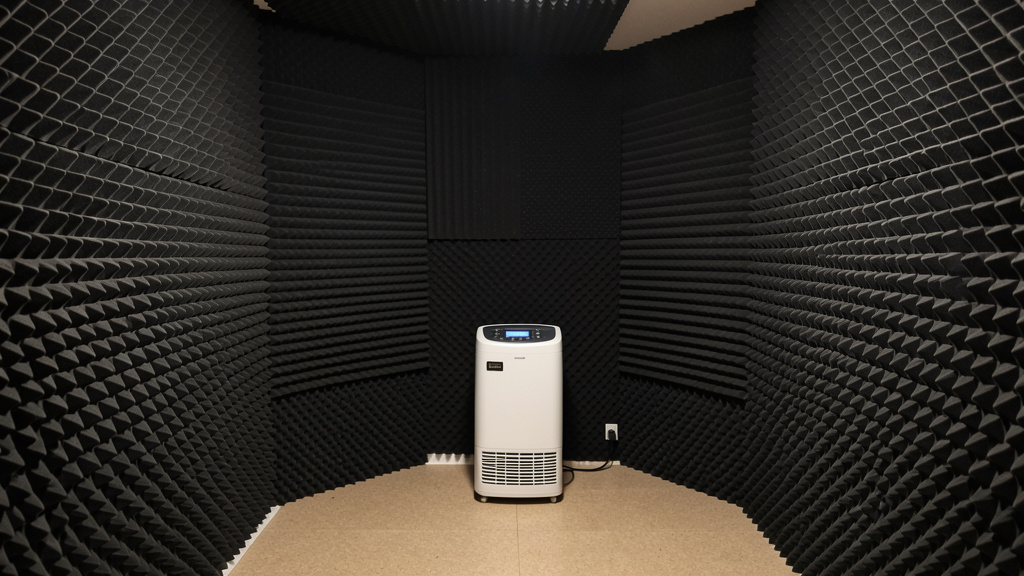
Transform Your Living Space into a Sanctuary of Comfort and Harmony—Without Major Renovations or Conflict
Your home should be a refuge, yet noise from streets or neighbors, humidity fluctuations affecting comfort and belongings, and delicate boundary considerations can transform your sanctuary into a source of daily friction. This guide offers an integrated approach—synthesizing established principles from environmental science, building standards, and interpersonal communication—to diagnose root causes, implement layered solutions across physical, behavioral, and relational dimensions, and cultivate lasting harmony. You’ll find adaptable strategies for renters and owners, communication frameworks, budget-conscious interventions, and prevention practices that address these interconnected challenges as a unified system—not isolated problems.
Introduction
Step into your home after a demanding day. The front door closes. For a fleeting moment, you anticipate relief. Then—the thump of a neighbor’s appliance vibrates through the floorboards. A damp scent lingers near the basement stairs. Your shoulders tense recalling a recent exchange about shared space. This dissonance between expectation and reality is profoundly common. Research in environmental psychology suggests that prolonged exposure to uncontrolled noise, humidity extremes, and interpersonal friction within living spaces may contribute to elevated stress responses, disrupted sleep patterns, reduced cognitive focus, and diminished overall well-being. These are not merely “annoyances”; they represent environmental factors with documented physiological and psychological relevance.
Yet most available guidance exists in frustrating silos: acoustic advice rarely addresses how moisture compromises adhesive integrity; humidity control resources seldom consider how ventilation choices affect neighbor relations; conflict resolution tips rarely explore how environmental triggers like noise initiate disputes. This fragmentation leaves residents navigating partial answers, often implementing fixes that inadvertently worsen another constraint. True resolution requires recognizing the intrinsic interconnection of these elements. A window opened to reduce indoor humidity invites street noise. A dehumidifier placed against a shared wall generates operational sound that may affect neighbor rapport. Weatherstripping installed to block noise can unintentionally create vapor barriers trapping moisture within wall assemblies.
This guide introduces the Triad Harmony Framework—a systematic approach inspired by established principles from building science (including ASHRAE Fundamentals for environmental control and ISO 1996 for noise assessment) and widely recognized conflict resolution models. The framework is designed to address the interconnected nature of home environment challenges, moving beyond isolated fixes toward integrated solutions. We will explore precise diagnosis, strategic prioritization, layered implementation, and sustainable adaptation. Whether you reside in an older apartment with single-pane windows, a townhouse sharing walls, or a detached home navigating seasonal shifts, this guide provides nuanced, actionable pathways to transform your living space into the sanctuary it was meant to be. Your journey toward environmental harmony begins with understanding the landscape.
The Triad Harmony Framework: Cultivating Integrated Home Balance
Imagine your home environment as a mobile sculpture—three weighted elements (Noise, Humidity, Neighbor Dynamics) suspended in delicate equilibrium. Adjust one weight without considering the others, and the entire structure tilts, creating new imbalances. The Triad Harmony Framework rejects fragmented problem-solving. Instead, it provides a four-phase cyclical process: Diagnose, Prioritize, Implement, Adapt. This is not merely a checklist; it’s a mindset shift toward seeing your home as a dynamic, interconnected system. By addressing root causes where constraints intersect, solutions become more durable, resource-efficient, and harmonious than single-focus tactics. The framework draws on documented patterns in residential environmental management literature and emphasizes adaptability—it scales from a focused diagnostic exercise to a multi-season refinement process tailored to your unique living situation, constraints, and goals.
Step 1: Diagnose the Root Causes (Beyond Surface Symptoms)
Effective intervention begins not with action, but with precise observation. Misdiagnosis is a common reason solutions fail. Installing acoustic panels won’t resolve structure-borne vibration traveling through plumbing. Purchasing a large dehumidifier is ineffective if humidity stems from an unsealed foundation breach. Addressing perceived neighbor noise without verifying the source may escalate tension unnecessarily. Diagnosis requires becoming a curious, non-judgmental observer of your own environment.
Conducting a Multi-Sensory Environmental Audit (72-Hour Protocol):
- Noise Mapping: For three consecutive days, maintain a detailed log. Note the exact time, duration, character (e.g., low-frequency rumble, sharp impact, intermittent chatter), perceived source (e.g., HVAC unit, traffic pattern, footsteps), and your physiological/emotional response (e.g., “startled,” “difficulty concentrating”). Use a free decibel meter app available for smartphones (note: while convenient for relative comparisons, smartphone apps have accuracy limitations compared to professional tools). Pay special attention to low-frequency sounds (<100 Hz)—they travel farther, penetrate structures more readily, and are often dismissed despite causing noticeable vibration. Example: Logging might reveal that perceived “neighbor noise” correlates precisely with the rhythmic vibration of a washing machine during spin cycle transmitted through shared floor joists—a mechanical transmission issue with specific mitigation pathways, not necessarily behavioral conflict.
- Humidity Profiling: Place reliable digital hygrometers (±3% accuracy models are widely accessible) in key zones: basement, main living area, bedroom, bathroom, and near exterior walls showing condensation or discoloration. Record readings at consistent times daily for three days. Note external weather conditions. Simultaneously, conduct a visual moisture scan: check for water stains, peeling paint or wallpaper, warped wood surfaces, persistent musty odors (especially after precipitation), condensation beyond typical morning dew, and visible mold growth (common in grout lines, under sinks, closets on exterior walls). Correlate high indoor humidity readings with specific activities (showering, cooking) or weather events. Example: Consistently elevated readings (60%+) in the basement following rainfall, paired with a damp odor near the foundation wall, strongly suggest groundwater infiltration or drainage issues—not merely ambient humidity.
- Neighbor Dynamics Assessment: Objectively document interactions. When did tensions arise? What was the specific trigger? What communication methods were used? What was the tone and outcome? Reflect neutrally on your own contributions: Were you aware of how your activities might be perceived? Are there potential cultural or expectation differences? Review your lease agreement, HOA covenants, or local municipal codes regarding noise ordinances (typically defining “quiet hours,” often 10 PM–7 AM), property maintenance responsibilities, and boundary regulations. This is not about assigning blame; it’s about mapping the relational landscape with clarity. Example: A recurring concern about “loud footsteps” might align precisely with your noise log showing impact noise during evening hours—indicating a physical transmission pathway (e.g., lack of underlayment) rather than intentional disturbance.
Common Diagnostic Pitfalls to Avoid:
* Confirmation Bias: Only noticing evidence supporting your initial assumption (e.g., “It’s definitely the neighbors”). Actively seek disconfirming evidence. Could the vibration originate from your own refrigerator compressor? Could humidity stem from overwatering indoor plants?
* Ignoring Temporal Patterns: A problem occurring only on specific days or times reveals critical clues (e.g., Tuesday = municipal collection; 3 PM = neighbor’s HVAC cycling). Patterns illuminate sources.
* Overlooking Internal Sources: Before attributing issues externally, thoroughly audit your own space. Is HVAC ductwork rattling? Is a dehumidifier’s drain hose vibrating against a pipe? Are your own routines (early morning vacuuming) contributing to friction?
* Dismissing Subjective Experience: If you perceive vibration or detect a damp odor, it warrants investigation—even if initial measurements seem nominal. Your sensory experience is valid data requiring thoughtful follow-up.
This diagnostic phase transforms vague frustration (“It’s too noisy/humid/tense”) into precise, actionable intelligence (“Structure-borne vibration from adjacent appliance transmits through shared floor joists nightly between 8–9 PM,” or “Relative humidity consistently exceeds 60% in the basement after precipitation due to foundation seepage”). This precision forms a strong foundation for subsequent steps. Rushing diagnosis often leads to misdirected effort, unnecessary expense, and strained relationships.
Step 2: Prioritize Interventions Using the Impact-Effort Matrix
Armed with diagnostic insights, the impulse to tackle everything simultaneously often leads to burnout and scattered results. Strategic prioritization ensures your energy and resources yield meaningful progress. The Impact-Effort Matrix provides a clear visual tool:
- Y-Axis: Potential Impact (High to Low) – How significantly might this solution improve comfort, health, safety, or relational ease? (e.g., Addressing foundation moisture intrusion = High Impact; adding a small rug to slightly dampen footsteps = Lower Impact).
- X-Axis: Required Effort (Low to High) – Encompasses cost, time, physical labor, technical skill, permission requirements (landlord/HOA), and relational considerations.
Plot identified solutions onto this grid. Your action sequence becomes clear:
- QUADRANT 1: HIGH IMPACT, LOW EFFORT (Address Promptly): These “quick wins” build momentum and validate your diagnostic process. Examples:
- Noise: Applying removable acoustic sealant around drafty windows/doors (reduces airborne noise and limits humidity infiltration). Placing dense rubber mats under vibrating appliances (washer, dryer, refrigerator) to dampen transmission.
- Humidity: Installing timer switches on bathroom/kitchen exhaust fans to ensure adequate runtime post-shower/cooking. Placing silica gel desiccant packs inside musty-smelling closets or cabinets. Verifying clothes dryers vent outside (a critical fire and moisture safety practice).
- Neighbors: Sending a brief, friendly, non-accusatory message: “Hi [Name], hope you’re having a good week! I’ve noticed some vibration around 8:30 PM that might relate to appliance cycles. No worries at all, but wanted to gently mention it in case it’s something easily adjustable? Happy to chat!” (Proactive, solution-oriented communication).
- QUADRANT 2: HIGH IMPACT, HIGH EFFORT (Plan Strategically): These cornerstone projects require research, budgeting, and potentially professional consultation. Schedule these next, breaking them into manageable phases. Examples:
- Noise: Installing specialized underlayment beneath flooring in high-traffic areas; adding resilient channel and additional drywall to a shared wall; professional assessment for window upgrades.
- Humidity: Installing a crawlspace vapor barrier; upgrading to an energy-efficient whole-house dehumidifier integrated with HVAC; repairing foundation cracks causing water intrusion.
- Neighbors: Initiating a mediated conversation with a neutral third party (HOA board member, community mediator) to establish clear, written agreements on shared space usage.
- QUADRANT 3: LOW IMPACT, LOW EFFORT (Schedule Conveniently): Minor tweaks implemented during downtime. Examples: Adding felt pads to chair legs; placing a small dehumidifier in a rarely used closet; sharing a seasonal greeting with neighbors.
- QUADRANT 4: LOW IMPACT, HIGH EFFORT (Reconsider or Avoid): Solutions consuming disproportionate resources for minimal gain. Examples: Building an elaborate soundproof enclosure in a common area; installing commercial-grade equipment for a minor, localized issue; drafting lengthy formal correspondence over infrequent, minor concerns.
Nuanced Prioritization Considerations:
* Cascading Benefits: Some Quadrant 2 solutions yield multiple advantages. Installing proper bathroom ventilation (Higher Effort) significantly reduces humidity (High Impact), prevents mold growth (Health Impact), and eliminates odors that might affect shared-wall neighbors (Relational Impact). Prioritize solutions with layered positive outcomes.
* Renter Realities: For renters, “Effort” heavily weights landlord permission and reversibility. Removable window inserts or tension-rod curtains may offer higher relative impact than permanent modifications. Always document pre-existing conditions with dated photos before implementing any change, even minor ones.
* Seasonal Sequencing: Prioritize humidity control measures before rainy seasons or summer humidity peaks. Address noise considerations related to seasonal activities (e.g., leaf management, holiday gatherings) proactively. Communicate anticipated disruptions to neighbors before they occur (“We’re planning weekend gardening next month”).
* Budget Phasing: Break larger projects into sequential, manageable steps. Cannot afford full window replacement? Begin with high-quality removable interior storm panels this season, research professional assessments next season, and plan replacement for a future year.
This matrix transforms overwhelm into a clear, confident roadmap. It ensures initial efforts deliver noticeable improvement, building confidence and resources for larger initiatives. It also provides objective rationale when discussing needed repairs with landlords or HOAs—”This solution addresses the highest-priority moisture concern identified during our environmental review.”
Step 3: Implement Layered Solutions Across Three Dimensions
Diagnosis identified the “what,” prioritization defined the “when.” Implementation is the “how.” The Triad Harmony Framework’s core strength lies in applying solutions across three interconnected dimensions simultaneously: Physical Modifications, Behavioral Adjustments, and Relational Strategies. A single constraint rarely has a single solution. Layering approaches creates redundancy and resilience. If one layer is temporarily compromised, others maintain stability. This section details actionable tactics for each constraint within each dimension, emphasizing their interplay.
Physical Modifications: Engineering Your Environment
-
Noise Control – Understanding Transmission Paths: Sound travels via airborne paths (through air: voices, TV) and structure-borne paths (through solids: footsteps, vibrating appliances). Effective treatment targets the specific pathway.
- Airborne Noise Solutions:
- Seal the Envelope: Addressing gaps around windows, doors, electrical outlets on exterior/shared walls, and baseboard perimeters is often a highly effective foundational step. Use flexible acoustic sealant designed for this purpose. Weatherstripping doors with quality V-strip or magnetic seals significantly reduces infiltration. Why it matters: Even small gaps can substantially reduce a barrier’s effectiveness. Sealing is frequently a high-value starting point.
- Enhance Glazing: For windows, adding a secondary glazing layer creates a beneficial air gap. Removable acrylic interior panels offer significant improvement without permanent alteration—ideal for renters or historic homes. For owners considering upgrades, laminated glass (with an interlayer) often provides better noise reduction, particularly for low-frequency traffic noise, compared to standard double-pane units. Common consideration: Properly sealed double-pane units generally outperform single thicker panes due to the insulating air gap.
- Absorb and Diffuse: Heavy, floor-length curtains with dense thermal backing absorb mid/high frequencies. Bookshelves filled with books against shared walls add mass and diffusion. Fabric-wrapped acoustic panels on walls/ceilings reduce reverberation within your space, making external noise less perceptible. Place panels at first reflection points. Budget-conscious option: Thick moving blankets temporarily hung during high-noise periods. Renter-friendly: Removable adhesive hooks for curtains/blankets; freestanding room dividers with absorptive cores.
- Structure-Borne Noise Solutions:
- Decouple and Dampen: Target vibrations traveling through floors, walls, ceilings. Underlayment (cork, rubber, specialized acoustic types) beneath flooring absorbs impact noise. For existing floors, thick rugs with dense padding (minimum 1/2″ thick felt or rubber) are highly effective. Isolate vibrating appliances using anti-vibration pads; ensure refrigerators aren’t touching walls; use flexible connections where appropriate. Critical nuance: Addressing the source (neighbor’s appliance) is often outside your control. Focusing on your side of the transmission path (decoupling your floor/wall) is usually the most feasible approach. Temporary measure: Placing dense rubber mats under your own bed frame can reduce felt vibrations from below.
- Address Flanking Paths: Sound travels around barriers. Seal gaps above drop ceilings, around pipes penetrating walls/floors, and in shared attic spaces. Mass-loaded vinyl (MLV) installed within wall cavities (during renovation) or over existing walls adds significant mass. Important note: MLV is heavy; verify structural suitability. For renters, heavy tapestries or fabric wall hangings offer minor mass addition and absorption.
- Airborne Noise Solutions:
-
Humidity Management – Controlling the Invisible Element: The goal is maintaining relative humidity (RH) between 30-50% year-round for comfort, health, and structural preservation. Below 30% may cause dryness and material stress; above 50% encourages dust mites and mold growth.
- Source Control & Ventilation:
- Exhaust at Source: Ensure bathroom fans vent outside (not into attics—a significant mold risk). Upgrade to quiet, adequately rated fans with humidistats or timers. Run for 20+ minutes after showering. Same for kitchen range hoods—vent outside, use during/after cooking. Why it matters: Daily activities like showering and cooking introduce substantial moisture; capturing it at the source prevents dispersion.
- Strategic Air Exchange: Open windows opposite each other to create cross-ventilation, but only when outdoor humidity is lower than indoor (check a weather app). In humid climates, this is often early morning or late evening. Avoid opening during/after rain or high-humidity periods. Use window fans strategically: exhaust on the downwind side, intake on the upwind side. Common oversight: Opening just one window creates minimal airflow; cross-ventilation is essential for effective exchange.
- Dry Clothes Wisely: Avoid drying clothes indoors on radiators or racks—it releases significant moisture. Use outdoor lines when weather permits. If using a dryer, ensure the vent hose is short, straight, rigid metal (not flexible foil, which traps lint and moisture), and cleaned regularly.
- Mechanical Dehumidification & Monitoring:
- Choosing a Dehumidifier: Size appropriately for the space and dampness level. Look for Energy Star certification, auto-humidistat (sets and maintains target RH), continuous drain option (via hose to floor drain/sump—highly recommended to avoid manual emptying), and low-temperature operation if used in cool basements. Place centrally in the damp area, elevated slightly, with clear airflow. Budget option: For small closets or cabinets, reusable silica gel canisters or calcium chloride buckets provide passive absorption. Renter-friendly: Portable units require no installation; use a hose for continuous drain to minimize spill concerns.
- HVAC Integration: Air conditioners remove moisture as a byproduct of cooling. Set the fan to “AUTO” (not “ON”) so condensed moisture drains away. A dedicated whole-house dehumidifier integrated with HVAC offers balanced control—ideal during system upgrades. Important nuance: Relying solely on AC for dehumidification in mild weather can be inefficient; a dedicated dehumidifier is often more energy-effective for humidity control alone.
- Monitoring is Essential: Place hygrometers in problem areas. Check regularly initially. Smart hygrometers can send alerts if levels exceed thresholds. This data informs when to run equipment or ventilate, preventing guesswork and optimizing energy use.
- Source Control & Ventilation:
-
Neighbor Constraint Mitigation – Physical Boundaries: Sometimes the most effective relational strategy is a physical one that prevents issues before they arise.
- Visual and Acoustic Buffering: Plant dense, fast-growing shrubs (like arborvitae) along property lines in contained planters if root spread is a concern. They absorb sound, block sightlines that might cause tension, and create shared green space. Install a solid-core fence (wood, vinyl) compliant with local height ordinances (often 6 ft. max in backyards). Add lattice with climbing vines for extra height and absorption. Why it matters: A visual barrier reduces the “fishbowl” effect that can heighten sensitivity to neighbor activities. Solid barriers block more sound than open designs.
- Shared Space Clarity: For driveways, walkways, or fences, clarify maintenance responsibilities in writing (even informally via email). Install subtle, non-intrusive markers if property lines are ambiguous (verify with survey records first). Ensure your outdoor lighting is shielded and directed downward to avoid light trespass—a frequent, often overlooked, source of friction. Use motion sensors instead of all-night lighting.
The Fundamental Principle: Sustainable home harmony is achieved not by seeking perfect elimination of environmental variables, but by engineering resilient systems with layered redundancies—where physical barriers reduce the load on behavioral discipline, and clear relational agreements prevent minor physical irritants from escalating into major conflicts.
Behavioral Adjustments: Cultivating Mindful Habits
Physical changes create the stage; behavioral adjustments shape the daily experience. These require awareness and consistency but often involve minimal cost.
-
Noise-Conscious Living:
- Activity Scheduling: Confine louder activities (vacuuming, power tool use) to daytime hours outside commonly recognized “quiet hours” (typically 10 PM–7 AM; verify your local ordinance). If your schedule differs (e.g., night-shift work), communicate politely: “Hi, just a heads-up—I work nights and sleep roughly 9 AM–5 PM. I’ll do my best to keep noise down during evening hours, and I appreciate your understanding regarding daytime quiet.” Proactive communication prevents assumptions.
- Footwear & Furnishings: Implement a “no outdoor shoes” policy indoors. Wear soft-soled slippers or socks. Place felt pads under all furniture legs. Use area rugs, especially in high-traffic zones. Close drawers and cabinets gently. These small habits significantly reduce impact noise transmission.
- Appliance Awareness: Run dishwashers and washing machines during daytime hours when feasible. Avoid slamming car doors in shared driveways/garages early morning or late night. Use headphones for audio after quiet hours begin. Position speakers away from shared walls. Empathy practice: Sit where your neighbor would experience the sound/vibration of your activities. What do you perceive? Adjust accordingly.
-
Humidity-Aware Routines:
- Cooking & Cleaning: Always use lids on pots while cooking. Take shorter, cooler showers. Wipe down shower walls and doors after use. Open bathroom/kitchen windows during these activities only if outdoor humidity is lower. Dry wet towels and bathmats promptly.
- Houseplant Management: Group plants to create microclimates, reducing watering frequency. Avoid overwatering—check soil moisture below the surface. Consider moisture-loving plants (ferns, peace lilies) in naturally humid areas like bathrooms, and drought-tolerant plants (snake plants, ZZ plants) elsewhere. Important note: Overwatered plants with standing water in saucers are significant moisture sources; ensure saucers are emptied.
- Seasonal Transitions: In spring/fall, when indoor/outdoor temperatures align, maximize cross-ventilation to “flush” the house. In winter, brief (5-10 minute) ventilation sessions several times a day are often more effective than one long session, minimizing heat loss while exchanging air. Monitor indoor RH closely during heating season—it often drops; use a humidifier if needed (based on hygrometer readings), avoiding over-humidification.
-
Relational Mindfulness:
- Assume Positive Intent: The loud music at 11 PM might be a rare celebration, not habitual disrespect. The overgrown branch might stem from unforeseen circumstances. Lead with curiosity, not accusation.
- Proactive Positivity: Build goodwill before issues arise. A simple wave, a compliment on their garden, offering to collect mail during a short trip. Small kindnesses create a reservoir of goodwill. Share seasonal greetings.
- Digital Etiquette: Be mindful of noise from delivery notifications, video calls, or smart speakers. Use “do not disturb” modes on devices during evening hours. If you receive frequent deliveries, communicate with neighbors if packages are left in shared areas causing noise.
Relational Strategies: Navigating the Human Element
When physical and behavioral layers require support, or issues originate externally, skilled communication becomes essential. This is where many attempts falter—due to emotion, poor timing, or accusatory language.
-
The PREP Communication Framework (For Initial Contact):
- P – Prepare: Review your diagnostic notes. Be specific about the observable issue (time, nature, impact on you), not the person (“The vibration around 8:30 PM makes it difficult to concentrate” vs. “Your machine is too loud”). Identify a desired outcome (“Could we explore if adjusting the cycle time is feasible?”). Choose a neutral time—never confront in the heat of the moment. Weekday afternoon is often preferable.
- R – Request a Conversation: Approach calmly. “Hi [Name], do you have a quick moment to chat about something minor regarding our homes?” Frame it collaboratively: “I wanted to touch base about something I’ve noticed, and see if we can find a simple solution together.”
- E – Express Using “I” Statements: Describe the observable fact and your experience. “I’ve noticed a rhythmic vibration coming through the floor around 8:30 PM most evenings (fact). When it happens, I find it disrupts my ability to focus (impact). I’m wondering if it might be related to appliance cycles? (neutral inquiry).” Avoid “You” statements (“You’re making too much noise”) which trigger defensiveness.
- P – Propose & Problem-Solve: Offer potential solutions or ask for their perspective. “I read that anti-vibration pads under appliances can help dampen this—would you be open to me sharing a link? Or perhaps shifting the load to earlier?” Listen actively. They may have constraints you’re unaware of (e.g., “I work late and that’s the only time I can do laundry”). Seek a mutually agreeable compromise. “What if we try moving it to 7:30 PM for a week and see how it goes?”
-
Escalation Pathways (If Initial Contact Fails):
- Document Meticulously: Continue your log with dates, times, descriptions, and records of all communication attempts (screenshots of texts, notes on conversations with date/time). This is crucial for any further steps.
- Involve Neutral Third Parties: For renters, contact your property manager with your documentation, framing it as a maintenance/quality-of-life issue needing mediation. For HOA communities, submit a formal, factual request to the board. Many municipalities offer free community mediation services—often far more effective and less adversarial than involving authorities for non-emergency issues. Mediators facilitate dialogue and help craft written agreements.
- Know Legal Boundaries (Use Judiciously): Research your local noise ordinance (decibel limits, quiet hours). Understand tenant rights regarding habitability (e.g., persistent moisture issues may be the landlord’s responsibility to address). Crucially: Formal legal action should be an absolute last resort. It permanently damages relationships, is costly, time-consuming, and rarely resolves the underlying environmental issue. It often escalates conflict. Use knowledge of ordinances to inform mediation, not as a primary threat. The goal is sustainable resolution, not punishment.
-
Building Proactive Alliances:
- Create a Neighborhood Channel: Propose a low-key group text or email thread (with consent) for non-urgent coordination: “Leaf pickup is Thursday,” “Water main work Friday AM.” This builds community and prevents surprises.
- Shared Solutions: Could neighbors collectively invest in a shared fence with sound-absorbing properties? Coordinate lawn care schedules to minimize overlapping noise? Propose a “quiet hour” agreement for the immediate block during exam seasons or for families with newborns. Framing solutions as mutual benefits fosters cooperation.
Step 4: Monitor, Adapt, and Maintain Your Solutions
Implementation is not a finish line; it’s the beginning of an ongoing practice. Environments change—seasons shift, appliances age, neighbors move, your own needs evolve. The final phase of the Triad Harmony Framework establishes rhythms for monitoring, adaptation, and maintenance to ensure long-term resilience.
-
Establish Feedback Loops:
- Environmental Tracking: Keep hygrometers active. Glance at them during routine activities. Note correlations: “After running the dehumidifier for 2 hours, RH dropped from 62% to 48%.” Revisit your noise log quarterly, especially after implementing a solution. Did anti-vibration pads reduce perceived vibration? Use your smartphone app for relative verification. This data validates efforts and identifies when adjustments are needed.
- Relational Check-ins: After resolving an issue with a neighbor, a brief, positive follow-up reinforces goodwill: “Just wanted to say thanks again for adjusting the laundry time—things have been much quieter in the evenings, really appreciate it!” Periodically (e.g., seasonally), do a quick mental scan: “Has communication felt smooth lately? Any new minor irritants brewing?” Address tiny issues early.
- Personal Well-being Audit: Monthly, ask yourself: “Do I feel more relaxed at home now? Is sleep improved? Do I feel less anxious about potential conflicts?” Your subjective experience is a vital metric of success. If tension persists despite physical fixes, the issue may require deeper relational or behavioral attention.
-
Adaptation Triggers & Responses:
- Seasonal Shifts: As humidity rises in spring, increase dehumidifier runtime or review ventilation strategies. Before winter, inspect window seals for drafts. Anticipate seasonal noise sources (holiday gatherings, summer construction) and proactively communicate with neighbors: “Hi, just a heads-up—we’re having family over Saturday evening. We’ll keep music low and wrap up by 10 PM. Hope you have a great weekend too!”
- Life Changes: New baby? Discuss anticipated noise patterns with neighbors beforehand. Starting to work from home? Communicate your new quiet-hour needs. Getting a pet? Address potential barking proactively with training and communication. Welcoming new neighbors? Share key community norms warmly (e.g., “Trash goes out Sunday night,” “Most try to keep noise down after 10 PM”).
- Solution Degradation: Weatherstripping compresses over time. Acoustic sealant can dry out. Dehumidifier filters get clogged. Schedule annual “environmental tune-ups”: inspect seals, clean appliance filters, verify hygrometer accuracy (salt test method), review communication logs for patterns. Replace worn components promptly.
-
Sustainable Maintenance Habits:
- Integrate into Existing Routines: Check the basement hygrometer while doing laundry. Wipe down shower walls after your own shower. Do a quick “noise sweep” before bed—ensure dishwasher is off, close windows if street noise is high. These micro-habits prevent problems from accumulating.
- The 5-Minute Daily Reset: Spend five minutes each evening restoring environmental balance: empty dehumidifier bucket (if no drain hose), close windows if outdoor noise/humidity is high, ensure appliances are off, tidy shared entryways. This small ritual reinforces commitment to harmony.
- Acknowledge Progress: Recognize your efforts! Successfully addressing a persistent issue is a meaningful achievement. Celebrating progress builds motivation to maintain the system.
This cyclical process—Diagnose, Prioritize, Implement, Adapt—transforms home environment management from reactive crisis mode into a proactive, empowering practice. You move from feeling affected by external factors to becoming the thoughtful curator of your domestic sanctuary. The framework builds not just a more comfortable home, but greater self-efficacy and peace of mind.
The Interplay: Navigating Complex Constraint Collisions
Real life rarely presents isolated noise, humidity, or neighbor issues. The true value of the Triad Harmony Framework emerges in navigating scenarios where constraints intersect, demanding integrated thinking. Understanding these intersections prevents well-intentioned solutions from backfiring.
Scenario 1: The Ventilation Dilemma
* The Collision: Indoor humidity spikes after cooking. Opening the kitchen window reduces humidity but introduces significant street noise, disrupting relaxation and potentially affecting neighbors below if voices are raised. Closing the window traps moisture, risking condensation, mold growth near the frame, and odors that could become a point of contention with neighbors sharing the wall.
* Integrated Triad Harmony Solution:
1. Diagnose Precisely: Confirm humidity source is cooking steam. Measure outdoor noise levels at cooking time. Verify range hood vents outside (critical!).
2. Prioritize: High Impact/Low Effort: Ensure range hood is used during and 20 minutes after cooking. Clean hood filter monthly. High Impact/High Effort: Upgrade to a higher-CFM, quieter range hood if current one is inadequate.
3. Implement Layered Solutions:
* Physical: Install/maintain a range hood vented outside. Use lids on pots. Place a quiet portable air purifier with a carbon filter near the kitchen doorway after cooking to capture lingering particles without needing window ventilation. Add a moisture-absorbing product under the sink as a buffer.
* Behavioral: Cook with lids on. Run hood fan consistently. Keep kitchen door closed while cooking. Only open window for brief, targeted ventilation (2-3 minutes) during lulls in traffic.
* Relational: If a neighbor previously mentioned odor, proactively share your solution: “Hi, following up on the kitchen smell you noticed—turns out our range hood vent needed attention. We’ve had it serviced and are being extra diligent about running it. Really appreciate you mentioning it!” This demonstrates responsibility.
4. Adapt: Monitor humidity levels post-cooking. If levels still spike, consider a small dehumidifier running in the kitchen only during/after cooking hours. Track noise levels to ensure brief window openings remain acceptable.
Scenario 2: The Shared Wall Conundrum
* The Collision: In a townhouse, diagnostics identify: 1) Audible bass vibrations from the neighbor’s entertainment system late at night, and 2) A persistent musty odor and slight discoloration on your side of the shared wall near the baseboard. Suspected moisture intrusion on their side may be causing the odor, exacerbated by vibration transmitting spores through gaps. Confronting solely about noise might make them defensive and ignore the potential moisture issue, which could worsen structurally.
* Integrated Triad Harmony Solution:
1. Diagnose Collaboratively (If Possible): Frame concern around shared structure. “Hi [Neighbor], hope you’re well. I’ve noticed a slight musty smell and some discoloration on my side of our shared wall near the floor, and I’m concerned it might indicate a moisture issue within the wall cavity that could affect both our homes. I also sometimes feel vibration from the TV area. Would you be open to us both taking a quick look on your side to see if you notice anything similar? Preserving our homes is important to me.” Focus on shared interest: protecting the shared asset.
2. Prioritize Safety & Structure: Moisture intrusion is a potential structural/health concern (High Impact). Address this first. If unresponsive or denial occurs, document thoroughly and contact property manager/HOA with photos and focus on structural concern, not noise.
3. Implement Layered Solutions (Focusing on Your Side Initially):
* Physical (Your Side): Do not seal the wall yet. Place a hygrometer against the discolored area. Run a dehumidifier consistently in the room. If discoloration is confirmed mold (small area), clean only with appropriate solution (70% isopropyl alcohol for non-porous surfaces; avoid bleach on porous surfaces). Consult a professional if area is larger than 10 sq. ft. or hidden growth is suspected. For noise, add mass without sealing moisture in: Install a freestanding bookshelf filled with books against the wall (adds mass, allows airflow). Use a thick, breathable fabric wall hanging instead of sealed panels.
* Relational: If moisture source is confirmed on their side, provide factual, non-accusatory information: “I researched municipal code sections on property maintenance regarding moisture intrusion—it might be worth having a plumber check pipes near the foundation.” Offer contact info for a reputable plumber you’ve used. Frame it as helping them avoid future repairs.
* Behavioral: Adjust your own activities to minimize adding moisture near the wall.
4. Adapt: Monitor the wall area closely. If moisture issue resolves, then address noise with targeted solutions. If neighbor remains uncooperative and moisture issue persists, escalate formally through proper channels with documented evidence focused solely on the structural/habitability concern.
Scenario 3: The Rental Reality Check
* The Collision: Renting an older apartment reveals: 1) Significant street noise through single-pane windows, 2) High humidity in the bedroom closet causing mildew, and 3) Landlord unresponsiveness to maintenance requests, creating fear of lease non-renewal. Permanent fixes are prohibited. Feeling trapped between discomfort and housing security.
* Integrated Triad Harmony Solution for Renters:
1. Diagnose Within Constraints: Precisely document issues with dated photos/videos. Note lease clauses about habitability. Research tenant rights in your jurisdiction regarding repair requests and retaliation protections. Knowledge empowers.
2. Prioritize Reversible, Landlord-Neutral Solutions: Focus entirely on Quadrant 1 solutions you control.
* Noise: Install removable interior window inserts. Use heavy thermal/acoustic curtains. Place thick rugs with pads. Use a white noise machine/fan in your room.
* Humidity: Place a portable dehumidifier with continuous drain hose routed discreetly to a sink. Use silica gel canisters inside the closet. Ensure bathroom fan is used and vents outside (if not, document this as a landlord issue).
* Relational (with Landlord): Frame requests around their interests: “Hi [Landlord], I’ve noticed the window seal is quite drafty, which may contribute to higher energy usage. I’ve temporarily sealed it with removable weatherstripping to conserve energy while we discuss a permanent fix. Could we schedule an assessment?” Focus on energy efficiency, property preservation, and compliance with habitability standards. Send requests in writing (email) for documentation. Be polite, persistent, and cite specific lease clauses or local codes.
3. Build Tenant Alliances: Discreetly check if other tenants experience similar issues. A collective, factual request carries more weight than an individual complaint. Approach carefully to maintain professionalism.
4. Know Your Options: If issues are severe (significant mold, safety hazards) and landlord is negligent despite documented requests, know your legal rights regarding repair-and-deduct, withholding rent (where legal), or lease termination. Consult a tenant union or legal aid organization. Sometimes the most harmonious solution for your well-being is planning a move to a more suitable environment—applying the Triad Harmony Framework to your next home search (e.g., “Must have double-pane windows,” “Check for moisture signs during viewing”).
These scenarios illustrate that the greatest challenges—and most profound resolutions—occur at the intersections. The Triad Harmony Framework provides the cognitive toolkit to navigate these complexities with clarity, empathy, and effectiveness, turning potential conflict points into opportunities for deeper understanding and more robust solutions.
Navigating Real-World Frictions: Budget Limits, Rentals, HOAs, and More
Even the most thoughtful framework encounters real-world constraints. Budget limitations, rental agreements, HOA regulations, physical limitations of older homes, and personal capacity (time, energy) can feel daunting. However, constraints often foster creativity. This section provides nuanced strategies for adapting the Triad Harmony Framework to thrive within common limitations, transforming perceived barriers into focused pathways for action.
The Budget-Conscious Pathway: Maximizing Impact with Minimal Spend
Financial limitations are universal. Success lies in strategic allocation, leveraging high-leverage, low-cost interventions first, and viewing solutions as phased investments.
- Foundational Starter Kit (High Impact/Low Effort Focus):
- Noise: Acoustic sealant, quality door sweep, weatherstripping kit, anti-vibration pads for appliances, thick moving blanket. This kit seals major air leaks (reducing noise and humidity infiltration), dampens vibration, and provides immediate, reversible absorption.
- Humidity: Digital hygrometer, silica gel reusable canisters for closets, calcium chloride bucket for small damp areas, exhaust fan timer switch, microfiber cloths. This provides critical monitoring, targeted moisture absorption, ensures proper ventilation timing, and supports behavioral routines.
- Relational: A small plant or baked goods for a neighbor. The investment in goodwill is minimal; the potential return in conflict prevention is significant.
- Phased Investment Strategy:
- Phase 1 (Months 1-3): Implement all starter kit items. Master behavioral adjustments (ventilation timing, activity scheduling). Document results. This builds foundational control and demonstrates value for further investment.
- Phase 2 (Months 4-9): Allocate savings to one Quadrant 2 solution with cascading benefits. Example: A quality portable dehumidifier addresses humidity, prevents mold (health/structural benefit), and eliminates musty odors (relational benefit). Or, removable window inserts significantly reduce noise and improve thermal efficiency (saving on energy bills).
- Phase 3 (Year 2+): Target larger projects: upgrading to a quiet, high-CFM bathroom fan; adding acoustic underlayment during a planned flooring replacement; investing in professional mediation if relational issues persist.
- Resourcefulness Over Expense:
- Noise: Heavy blankets, bookshelves filled with books, thick curtains made from affordable thermal fabric. DIY acoustic panels using rigid fiberglass insulation (handle with care) wrapped in fabric.
- Humidity: Repurpose rice socks as moisture absorbers in small spaces (replace periodically). Ensure existing exhaust fans are clean and functioning optimally—free maintenance. Use cross-ventilation strategically instead of running AC/dehumidifier constantly.
- Community Resources: Check Freecycle, Buy Nothing groups, or local Habitat for Humanity ReStores for used rugs, bookshelves, or equipment in good condition. Libraries may lend tools (like moisture meters) or have community mediation referrals.
Thriving as a Renter: Working Within the Lease
Renters face unique challenges: lack of control over structural elements, fear of landlord retaliation, security deposit concerns, and modification restrictions. Success hinges on reversibility, documentation, and strategic communication.
- Essential Practices for Renters:
- Know Your Lease and Rights: Understand clauses regarding alterations, repairs, quiet enjoyment, and mold/moisture responsibilities. Research local tenant rights laws—most jurisdictions place the burden of major repairs (roof leaks, window seals, structural moisture) on the landlord.
- Document Everything: Take timestamped photos/videos of pre-existing conditions before moving in (and get landlord acknowledgment if possible). Document all maintenance requests in writing (email is best). Keep a detailed log of issues (noise, humidity readings, communication attempts).
- Prioritize Reversible Solutions: Focus exclusively on solutions removable without damage upon move-out. Removable window inserts, tension rod curtains, freestanding rugs/bookshelves, portable dehumidifiers with drain hoses, removable adhesive hooks. Avoid nails, screws, permanent sealants, or painting without explicit written permission.
- Frame Requests Strategically: When requesting repairs, emphasize benefits to the landlord: “Addressing the window draft will improve energy efficiency,” or “Promptly fixing the bathroom fan venting issue prevents potential mold growth that could cause significant structural damage and liability.” Cite specific habitability clauses or local housing codes.
- Build a Positive Relationship: Pay rent on time. Report minor issues early before they become major (and costly) problems. Be a respectful, communicative tenant. This goodwill makes landlords far more receptive to reasonable requests.
- Critical Renter-Specific Tactics:
- Noise: Focus on your side of the transmission path. Rugs/pads, curtains, white noise machines. If noise is severe and documented (e.g., consistent violation of quiet hours by another tenant), report it factually to the landlord/property manager with your log. Frame it as a breach of your right to quiet enjoyment per the lease.
- Humidity: Portable dehumidifier is highly effective. Ensure it has a continuous drain option. If you discover mold, do not attempt major cleanup yourself (liability/health risk). Document thoroughly and submit a formal repair request citing health concerns and lease obligations. Know your rights—many areas prohibit landlord retaliation for legitimate repair requests.
- Neighbors (Other Tenants): Direct communication is often best initially (using PREP framework). If issues persist, involve property management with documentation, focusing on lease violations rather than personal grievances.
Navigating HOA and Condominium Regulations
HOAs and condo associations add governance layers with specific rules (CC&Rs) that can restrict solutions. Success requires working within the system strategically.
- Master the Governing Documents: Obtain and read your CC&Rs, bylaws, and architectural guidelines. Understand the approval process for modifications (windows, fences, exterior vents), and rules regarding noise, pets, parking, and shared spaces.
- Engage the Board Proactively:
- Before Implementing: For any solution requiring approval, submit a detailed proposal. Include product specs, photos, explanations of compliance (or requests for variance with justification), and emphasize community benefits (“This fence design matches existing ones and will reduce noise pollution for multiple units”).
- Addressing Community-Wide Issues: If noise or humidity issues affect multiple units (e.g., inadequate building ventilation), gather factual data from willing neighbors. Present a unified, solution-oriented proposal to the board: “We’ve documented consistent humidity readings above 60% in ground-floor units after rain, indicating a potential drainage issue. We propose the board commission a professional assessment to protect property values and resident health.” Frame it as preserving asset value and community well-being.
- Utilize Official Channels: Attend board meetings. Submit concerns in writing per protocol. Request mediation through the HOA if neighbor disputes arise. Understand the enforcement process for rule violations.
- Finding HOA-Compliant Solutions:
- Noise: If window replacement requires approval, propose models matching community architectural style. For fences, choose approved materials and heights. Use interior solutions (rugs, curtains) requiring no approval.
- Humidity: Ensure any exterior modifications (downspout extensions, French drains) comply with guidelines. Propose community-wide solutions for systemic issues during budget planning cycles.
- Relational: Leverage HOA resources—many have community mediators. Building positive relationships with board members fosters goodwill when support is needed.
Adapting for Older Homes and Physical Limitations
Century-old homes present unique challenges: single-pane windows, plaster walls, outdated systems. Physical limitations (mobility issues, chronic pain) require solutions minimizing physical exertion.
- Older Home Strategies:
- Work With the Structure: Historic preservation often favors reversible solutions. Removable window inserts preserve original windows while adding efficiency and noise reduction. Heavy curtains complement historic aesthetics. Address moisture at the source (improve exterior grading, repair gutters) rather than just treating interior symptoms—this often requires professional assessment but prevents long-term damage.
- Respect Material Integrity: Avoid injecting modern sealants into historic mortar (can trap moisture). Consult preservation resources for appropriate techniques. Focus mitigation efforts on disruptive, health-impacting issues rather than eliminating all character sounds (e.g., some floor creaks are part of an old home’s charm).
- Solutions for Physical Limitations:
- Prioritize Low-Effort, High-Impact: Focus on solutions requiring minimal physical labor: plug-in dehumidifier with continuous drain, remote-controlled window inserts, pre-cut weatherstripping kits.
- Leverage Technology: Smart plugs to control dehumidifiers/fans remotely. Voice-controlled assistants to set timers. Delivery services for heavy items. Hire help for tasks requiring lifting or climbing through task apps or local services—frame it as a necessary health/safety investment.
- Seek Community Support: Family, friends, neighbors, or community volunteer groups may assist with setup tasks. Frame requests specifically: “Could you help me install these tension rods for heavy curtains this Saturday? I’ll provide the tools and lunch.” Many communities have programs assisting residents with home maintenance.
Constraints are not dead ends; they are parameters guiding smarter, more intentional action. By acknowledging and strategically working within your specific limitations—financial, contractual, physical—you transform frustration into focused problem-solving. The Triad Harmony Framework is inherently adaptable; its core principles of diagnosis, prioritization, layered implementation, and adaptation remain powerful regardless of the boundaries you navigate. Your path to home harmony is unique, and honoring your constraints is not a compromise—it is the essence of sustainable, personalized success.
Your Questions, Answered
Q: My upstairs neighbor’s footsteps are driving me crazy, especially at night. I’ve tried talking to them politely, but it hasn’t helped. What can I do on my side of the ceiling that’s effective and won’t break the bank?
A: Footsteps are impact noise, traveling through the building structure. Since modifying the source (their floor) is often outside your control, focus on decoupling and absorption on your ceiling. The most effective renter-friendly solution is installing suspended acoustic clouds or baffles. These are fabric-wrapped panels hung horizontally several inches below your ceiling. The air gap disrupts sound transmission, while the dense core absorbs sound energy. Look for panels with a high Noise Reduction Coefficient (NRC) rating (0.8+). Place them directly over your bed or primary seating area. While not eliminating all noise, they significantly reduce perceived loudness and sharpness. For owners, adding resilient channel and extra drywall provides superior decoupling but is a major renovation. Combine this physical solution: Use a white noise machine or fan directed toward the ceiling to mask residual sounds. Document the issue and your mitigation efforts; if noise consistently violates your lease’s quiet enjoyment clause or local ordinances, involve your property manager with factual logs.
Q: I live in a very humid climate (coastal Florida). My AC runs constantly but the house still feels clammy, and I see condensation on my windows. Is my AC broken, or is there another issue?
A: This often indicates your air conditioning system is oversized or not optimized for dehumidification. AC units remove moisture as a byproduct of cooling, but an oversized unit cools the air quickly and shuts off before removing significant moisture (“short cycling”), resulting in cool but clammy air. First, verify your thermostat fan setting is on AUTO, not ON. Running the fan continuously blows condensed moisture back into your home. Next, check and replace your air filter if dirty, as restricted airflow reduces dehumidification efficiency. If these steps don’t resolve it, the solution may be a dedicated whole-house dehumidifier integrated with your HVAC system. Unlike portable units, these are designed to handle high moisture loads without overcooling. Consult an HVAC professional specializing in humidity control; they can assess your system’s sizing and recommend integration options. In the interim, use high-quality portable dehumidifiers in dampest areas with continuous drain hoses.
Q: My neighbor’s tree branches are hanging over my property line and dripping water onto my roof/wall, causing moisture stains and potential mold. They refuse to trim it. What are my legal rights?
A: Property line and tree laws vary significantly by location. A common principle in many U.S. jurisdictions is that you generally have the right to trim branches and roots that encroach onto your property up to the property line, at your own expense. However, you cannot trespass onto their property to do so, and you cannot damage the health of the tree. You typically cannot force the neighbor to pay for trimming unless the tree is deemed a “nuisance” (e.g., diseased, posing an imminent hazard) or local ordinances specifically require owners to maintain trees causing damage. Immediate steps: 1) Document thoroughly with dated photos of the encroachment, water dripping, and resulting damage. 2) Obtain a copy of your property survey to confirm the boundary line. 3) Check your local municipal code for specific tree ordinances. 4) Send a polite, certified letter to your neighbor (keeping a copy) stating the issue, providing photos, citing relevant property law/ordinance if possible, and stating your intent to trim encroaching branches at your expense if not addressed by a specific date. 5) Hire a licensed, insured arborist to perform the trimming professionally and safely. If significant damage has occurred, consult a lawyer specializing in property law. Prevention tip: Building a positive relationship beforehand makes these situations far easier to resolve amicably.
Q: I’m extremely sensitive to noise (I have misophonia). Normal household sounds like chewing, typing, or a ticking clock cause intense anxiety. How can I manage this at home when the sources are often my own family members or unavoidable internal sounds?
A: Misophonia requires a compassionate, multi-layered approach focused on creating personal auditory sanctuaries and fostering understanding, rather than expecting others to eliminate all triggering sounds. Physical Solutions: Designate a specific “quiet zone” (bedroom, home office) equipped with high-quality over-ear noise-canceling headphones with active noise cancellation technology. Use white noise machines, fans, or sound masking apps that generate customizable background sound to cover triggering frequencies. Add soft furnishings (rugs, curtains, upholstered furniture) to this zone to absorb sound. Behavioral & Relational Strategies: Have an open, non-blaming conversation with household members about your condition (share reputable resources like the Misophonia Association). Explain it’s a neurological response. Collaborate on small accommodations: “Could we use cloth placemats to dampen plate sounds?” or “Would you be open to using a quieter keyboard?” Establish non-verbal signals to indicate you need a brief break. Personal Coping: Practice mindfulness or grounding techniques when triggered. Schedule regular “sound breaks” in your quiet zone. Consult a therapist experienced in sensory processing issues for cognitive behavioral strategies (CBT) or sound desensitization therapy. Managing misophonia is about creating manageable environments and communication, not achieving perfect silence.
Q: I found black mold growing behind my bathroom cabinet. Is it toxic? Should I panic and move out? How do I safely clean it?
A: First, remain calm. While mold should always be addressed promptly, panic is unnecessary. Critical Clarification: The term “toxic mold” is largely a misnomer. While certain molds can produce mycotoxins under specific laboratory conditions, current scientific consensus indicates there is no conclusive evidence that mold in homes causes unique “toxic” illnesses beyond the well-documented allergic reactions, asthma exacerbation, and respiratory irritation that any mold can trigger in sensitive individuals. The primary health concern is exposure to mold spores. Immediate Action: 1) Stop the moisture source: Fix any leaks (faucet, pipe, shower) immediately. Mold cannot grow without moisture. 2) Assess size: If the moldy area is small (less than 10 square feet) and on a non-porous surface (tile, glass, metal cabinet exterior), you can likely clean it yourself. If it’s on porous material (drywall, wood cabinet interior), covers a large area, is in your HVAC system, or you have health concerns (asthma, immunocompromised), consult a professional mold remediation company. 3) Safe Cleaning (Small Areas): Wear an N95 respirator mask, goggles, and gloves. Do not use bleach on porous surfaces—it doesn’t kill roots and leaves moisture. For non-porous surfaces, use a solution of 70% isopropyl alcohol (kills mold on contact, evaporates quickly) or a dedicated mold cleaner. Scrub gently, then dry thoroughly with fans/dehumidifier. Dispose of cleaning materials in a sealed bag. 4) Prevent Recurrence: Run the bathroom exhaust fan for 20+ minutes after every shower/bath. Wipe down wet surfaces. Ensure the fan vents outside, not into the attic. Consider replacing a moisture-damaged cabinet. The goal is sustained moisture control, not just mold removal.
Q: My HOA denied my request to install a solid fence for noise and privacy, citing architectural guidelines that only allow open-style fences. What are my alternatives that comply with HOA rules but still help?
A: HOA restrictions require creative, compliant solutions. Focus on adding mass, absorption, and visual barriers within your property line. Layered Approach: 1) Strategic Landscaping: Plant dense, fast-growing evergreen shrubs (like Leyland cypress or arborvitae) directly along the property line inside your yard. They absorb sound, block sightlines, and add natural beauty—often viewed favorably by HOAs. Check HOA rules for approved plant species and height restrictions. 2) Freestanding Elements: Install a solid-core privacy screen or lattice panel set back several feet from the property line (e.g., near your patio). This creates a localized quiet zone without replacing the boundary fence. Ensure height and materials comply with HOA guidelines for “accessory structures.” 3) Vertical Gardens: Mount planter boxes filled with dense vines on the inside of your existing fence. The plants add mass and absorption over time. 4) Ground-Level Absorption: Place thick, dense outdoor rugs on patios/decks near the fence line. Add heavy outdoor furniture (stone benches, solid wood tables) which absorb sound. 5) Appeal Process: If the noise issue is severe and documented (e.g., adjacent to a busy road), gather data (decibel readings at different times) and submit a formal appeal to the HOA board. Frame it as a health and safety issue (noise pollution impacting well-being) and propose a specific, aesthetically compatible fence design that meets architectural standards but offers more solidity (e.g., board-on-board style with minimal gaps). Present it as enhancing property values through improved livability.
Q: I live in an apartment above a commercial space (restaurant). The exhaust fan hums loudly all night, and I smell cooking odors. The landlord says it’s not their problem. What can I do?
A: This involves building codes, lease obligations, and potential health concerns. Do not accept “not our problem” without investigation. 1) Document Rigorously: Keep a detailed log: dates, times, descriptions of hum and odors, photos/videos, impacts on sleep/well-being. 2) Review Lease & Local Codes: Check your lease for “quiet enjoyment” and habitability clauses. Research your city/county building and health codes. Commercial exhaust systems are heavily regulated: they must vent above the roofline (not horizontally near windows), have proper grease traps, and often have noise limits. Smelling cooking odors indoors likely indicates a ventilation failure or improper venting, which could be a fire hazard (grease buildup) or health code violation. 3) Escalate Strategically: Submit a formal, written repair request to your landlord citing specific concerns: “The persistent humming noise violates the quiet enjoyment clause of my lease and local noise ordinance. Additionally, the infiltration of cooking odors suggests a potential ventilation defect that may violate [City] Mechanical Code regarding commercial exhaust requirements and poses a potential fire/health hazard.” Attach documentation. If ignored, contact your local Building Department and Health Department. Report potential code violations (improper venting, noise nuisance). These agencies have enforcement power. Frame it as a safety issue. 4) Temporary Relief: Use high-quality air purifiers with activated carbon filters in your bedroom to capture odors. Seal gaps around your own windows/doors facing the source with removable acoustic sealant. White noise machines can mask the hum. However, the root cause requires landlord/municipal intervention.
Q: How do I know if the humidity level in my home is actually causing my health issues (sinus problems, headaches), or if it’s something else?
A: Correlation does not equal causation, but you can conduct a personal “elimination trial” to gather evidence. Step 1: Baseline Measurement. Place accurate hygrometers in rooms where you spend the most time. Record readings multiple times daily for one week, alongside a symptom journal (rate severity of sinus pressure, headaches, fatigue on a 1-10 scale, note time of day). Step 2: Intervention Phase. For the next 1-2 weeks, aggressively control humidity in your primary living/sleeping areas: Run dehumidifiers to maintain 40-50% RH consistently. Ensure exhaust fans run during/after moisture-producing activities. Seal obvious drafts. Keep the symptom journal diligently. Step 3: Analysis. Compare symptom severity and frequency during baseline vs. intervention weeks. Did symptoms improve when humidity was controlled? Also note external factors: pollen counts, stress levels, sleep quality, diet. Step 4: Consult Professionals. Share your detailed logs with your doctor. They can help rule out other causes (allergies, migraines, sleep apnea). Consider hiring an indoor air quality (IAQ) professional for a comprehensive assessment—they can measure humidity, VOCs, mold spores, and other pollutants. While humidity extremes are a known trigger for sinus issues (dry air irritates mucous membranes; damp air promotes mold/dust mites), only systematic tracking and medical consultation can confirm causation for your specific situation. Never self-diagnose serious health issues.
Q: My partner and I disagree on the “right” temperature and humidity level. They like it cool and dry; I prefer it warmer and slightly more humid. How can we find a compromise without constant arguing?
A: This common friction point stems from physiological differences and personal preference. The solution lies in objective data, zone control, and empathetic communication—not “winning” the argument. 1) Establish Objective Ranges: Agree that health and home preservation set non-negotiable boundaries: Humidity should stay between 30-50% year-round (per ASHRAE guidelines) to prevent mold and support respiratory health. Temperature can be more flexible within reasonable energy use. Use hygrometers and thermostats as neutral references—”The meter reads 55% humidity; we agreed that’s too high for mold prevention, so the dehumidifier needs to run.” 2) Implement Zone Control: This is highly effective. Use portable heaters or fans to create micro-climates. You can have a slightly warmer spot near your chair with a small space heater (used safely), while the main thermostat stays moderate. Similarly, a small personal humidifier only on your nightstand (monitored with a tiny hygrometer) can add localized moisture without raising whole-house humidity. 3) Schedule & Compromise: Agree on temperature/humidity schedules: “During sleeping hours, we set to 68°F and 45% RH for optimal sleep hygiene. During evening relaxation, we adjust to 70°F.” Take turns choosing settings for specific activities. 4) Focus on Shared Goals: Remind each other: “We both want to feel comfortable at home and keep our house healthy. How can we solve this together?” Frame it as a team challenge. Small gestures matter—making tea for the partner who feels cold, offering a light blanket. Sometimes, the compromise isn’t about achieving identical comfort levels, but finding a sustainable arrangement that respects both individuals’ needs while maintaining the health of the home environment and the relationship. Regular check-ins and willingness to adjust the plan foster long-term success.
Conclusion and Next Step
Transforming your home environment from a source of friction into a sanctuary of harmony is a journey of mindful observation, strategic action, and compassionate communication. The Triad Harmony Framework provides a reliable compass for navigating the interconnected challenges of noise, humidity, and neighbor dynamics. By diagnosing root causes with precision, prioritizing interventions wisely, implementing layered solutions across physical, behavioral, and relational dimensions, and adapting to changing conditions, you cultivate a living space that supports well-being and fosters positive community.
- Recap: The three foundational pillars are: (1) Integrated Diagnosis—viewing noise, humidity, and neighbor issues as interconnected symptoms of environmental imbalance; (2) Strategic Prioritization—using the Impact-Effort Matrix to focus energy on high-value actions first; (3) Layered Implementation—combining physical, behavioral, and relational strategies to create resilient, adaptable solutions.
- The 24-Hour Rule: Within the next 24 hours, conduct a five-minute environmental snapshot: note one specific noise source, check the humidity reading in your most challenging room, and recall one recent positive interaction with a neighbor. This simple act of awareness anchors your journey toward intentional home harmony.
- The Big Picture: Your home is not an isolated structure but a dynamic node within a larger ecosystem of community, climate, and personal well-being. The skills cultivated through this framework—observation, empathy, systems thinking—extend far beyond your front door, enriching relationships and fostering resilience in all areas of life. True harmony emerges when we align our immediate surroundings with our deepest values of health, respect, and peace.
Explore Our Complete System:
Creating Calm: A Room-by-Room Guide to Sensory Balance | The Mindful Homeowner’s Handbook: Preventing Common Maintenance Pitfalls | Building Bridges, Not Walls: Advanced Communication Strategies for Community Living | Seasonal Sanctuary: Adapting Your Home Environment Through the Year