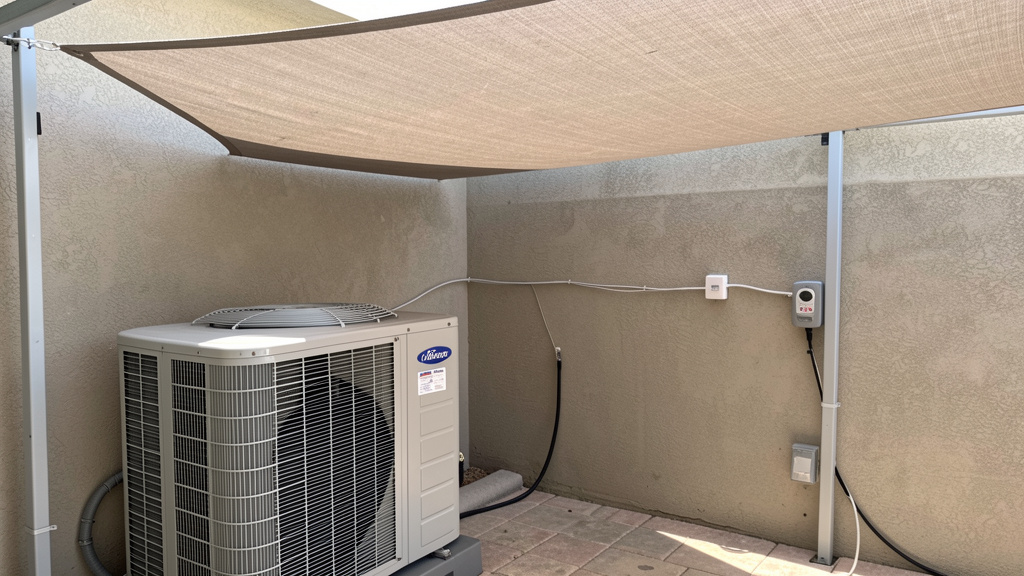
Go beyond quick fixes. Implement a proven, layered framework to stay cool, safe, and comfortable all season long—without overspending or overlooking critical details.
Summer arrives with promises of sunshine and relaxation, yet for many households, it brings a familiar cycle of discomfort: sticky nights, soaring energy bills, frantic bug sprays, and that nagging worry about heat safety. What if preparation wasn’t about scrambling for solutions after the first heatwave hits? This definitive guide transforms summer readiness from a reactive chore into a confident, systematic practice. Drawing on integrated principles from building science, environmental health, and practical home management, you’ll discover a holistic approach that cools your space efficiently, protects what matters most, and restores genuine ease to the season. No jargon, no overwhelm—just actionable steps tailored to your reality.
Introduction: Why “Just Turning on the AC” Isn’t Enough
For decades, summer preparation has been reduced to a single action: lowering the thermostat. Yet modern summers demand more. Rising average temperatures, increased humidity in coastal regions, prolonged dry spells in arid zones, and evolving pest patterns create a complex challenge that no single appliance can solve. Consider the family in Atlanta who kept their AC running constantly yet still battled afternoon glare making their living room unusable. Or the retiree in Phoenix who meticulously sealed windows but overlooked hydration protocols, leading to a preventable heat-related health scare. These aren’t failures of effort—they’re symptoms of fragmented advice.
True preparedness requires seeing your home, body, and surroundings as interconnected systems. When heat enters through unshielded west-facing windows, your cooling system works harder, increasing energy costs and strain. When evening humidity traps moisture near foundations, it invites pests and mold. When personal cooling relies solely on cold drinks without electrolyte balance, fatigue sets in faster. This guide introduces the Triple-Layer Defense Framework—a methodical strategy supported by energy efficiency research indicating that layered interventions can significantly reduce cooling loads compared to isolated tactics. We move beyond “tips” to build resilience: blocking external stressors before they enter, cooling intelligently where needed, and protecting health and property proactively. This isn’t about perfection; it’s about progress through practical, cumulative actions anyone can implement.
The Triple-Layer Defense Framework: Your Blueprint for a Cooler, Safer Summer
Imagine your summer readiness as an onion—not in complexity, but in protective layers. Each layer addresses a distinct phase of the heat-and-threat cycle. Layer 1 stops problems at the source. Layer 2 manages conditions where you live and move. Layer 3 safeguards living beings and valuables. Together, they create redundancy: if one layer faces limitations (like a power outage), others maintain baseline safety. This framework is designed to adapt across living situations—apartments, historic homes, tight budgets, or expansive properties. It’s not about buying everything at once; it’s about strategic sequencing. Start where friction is highest for you—whether that’s sleep disruption, pest invasions, or energy anxiety—and build outward. The goal is sustainable comfort, not temporary relief.
Layer 1: Block – Stop Heat and Pests at the Source
Blocking is the most cost-effective layer. Preventing heat from entering your home is consistently more efficient than removing it after it arrives. Similarly, denying pests entry points eliminates the need for reactive chemical treatments. This layer focuses on your home’s envelope—the boundary between indoors and outdoors—and your immediate outdoor environment.
Windows: Your First Line of Defense
According to the U.S. Department of Energy, windows can account for a significant portion of unwanted solar heat gain during summer months. Yet many rely solely on flimsy mini-blinds that absorb heat and radiate it inward. Effective window management requires understanding direction, timing, and material science.
West- and south-facing windows demand the most attention. In the Northern Hemisphere, south windows receive intense, direct sun all day; west windows face the brutal, low-angle afternoon sun that penetrates deep into rooms. East-facing windows create morning heat challenges but are easier to manage. North-facing windows typically receive minimal direct sun and can often remain open for ventilation.
Action Plan:
– Exterior shading provides superior heat rejection. Install awnings, pergolas with deciduous vines (like trumpet vine or wisteria), or exterior roller shades. Research indicates exterior solutions can reduce solar heat gain substantially compared to interior treatments. For renters or quick fixes, temporary bamboo shades clipped to the outside of the window frame create instant exterior shading.
– Window films: Choose spectrally selective films that reject infrared heat while maintaining visible light clarity. Avoid cheap dyed films that bubble or turn purple. Look for films with a low Solar Heat Gain Coefficient (SHGC). Professional installation ensures longevity, but DIY kits work well for standard windows—clean meticulously with ammonia-free solution, use a squeegee in overlapping strokes, and trim precisely. Critical nuance: Films on double-pane windows require caution; improper application can cause thermal stress. Consult the manufacturer first.
– Interior solutions: Cellular (honeycomb) shades with a reflective backing offer excellent insulation. During peak sun hours (10 a.m. to 6 p.m.), close light-colored, tightly woven curtains. White reflects more heat than dark colors. For a budget hack, attach reflective emergency blankets (Mylar) to cardboard cut to window size—temporary but surprisingly effective for extreme heat events. Common mistake: Leaving windows covered after the sun moves. Open shaded windows in the evening to release trapped heat.
Real-world example: A family in Dallas installed exterior bamboo roller shades on their west-facing patio doors. Combined with white cellular shades inside, they found their living room remained comfortable during peak afternoon hours without adjusting their thermostat settings. They observed a noticeable reduction in their summer energy costs compared to previous years. They kept the shades rolled up during cloudy days and winter months, maximizing year-round utility.
Doors and Seals: Plugging the Leaks
Doors are often overlooked heat and pest gateways. Even small gaps can allow significant air transfer. Check all exterior doors—especially older wooden ones that warp in humidity.
- Weatherstripping: Replace cracked or compressed foam tape. For high-traffic doors, use durable V-strip (vinyl) or magnetic door seals. Test existing seals by closing a dollar bill in the door; if you pull it out easily, replace the strip. Focus on the threshold (bottom) where gaps are largest. Install an adjustable threshold seal that compresses against the door bottom.
- Door sweeps: Choose brush-style sweeps for uneven thresholds (common on older homes) or rubber-blade sweeps for smooth surfaces. Ensure the sweep contacts the threshold without hindering door operation.
- Pest exclusion: Install copper mesh (Stuff-It) in gaps around pipes or utility lines near doors. For sliding glass doors, check the track alignment—misaligned doors create gaps. Clean tracks weekly with vinegar solution to prevent debris buildup that forces gaps open. Add a secondary bug sweep to the bottom of sliding doors.
Counter-example: A homeowner in Florida noticed ants trailing along their kitchen baseboard every afternoon. They sprayed repellent repeatedly with temporary success. Only after installing copper mesh in a tiny gap around the AC conduit line near the back door did the infestation stop permanently. Blocking the entry point solved what chemicals could not.
Roof and Attic: The Overlooked Heat Reservoir
Your roof absorbs intense solar radiation, heating the attic space—which then radiates downward into living areas. Attics can exceed 140°F on hot days, turning your ceiling into a radiant heater.
- Attic ventilation: Ensure balanced intake (soffit vents) and exhaust (ridge or gable vents). Hot air rises and escapes through high vents, drawing cooler air in below. Blocked soffit vents (common with blown-in insulation) cripple this system. Install rafter vents (baffles) to maintain airflow channels. For homes without adequate vents, solar-powered attic fans activate automatically at set temperatures, expelling superheated air without using grid electricity.
- Radiant barriers: Staple reflective foil sheets to the underside of roof rafters. They reflect radiant heat away from the attic floor. Crucial detail: Must face an air gap (at least ¾ inch) to work. Do not lay flat on insulation. Best installed during roof replacement, but retrofit kits exist. In humid climates, ensure the barrier has a perforated design to allow moisture vapor transmission and prevent condensation.
- Roof color: If replacing your roof, consider lighter-colored “cool roof” materials. A lighter roof surface typically remains significantly cooler than a dark one under the same sun. For existing dark roofs, specialized reflective roof coatings may be applied—always verify compatibility with your roofing material and local building codes first.
Why this matters: A properly ventilated attic with appropriate heat-mitigation strategies can substantially reduce heat transfer into living spaces, easing demand on cooling systems and protecting stored items. Studies published in building science journals have documented measurable energy savings in homes implementing these measures.
Landscaping: Nature’s Air Conditioner
Strategic planting provides dynamic, living shade that adapts seasonally. Deciduous trees lose leaves in winter, allowing sun for warmth; evergreens provide year-round windbreaks.
- Tree placement: Plant deciduous trees (maple, oak, honey locust) on the south and west sides of your home. According to the U.S. Forest Service, a mature tree’s cooling effect is substantial. Allow 15–20 feet from the foundation to prevent root damage. Fast-growing options like river birch offer quicker shade but may require more maintenance.
- Vines and trellises: Grow heat-tolerant vines (clematis, crossvine) on trellises placed 1–2 feet from south/west walls. The air gap between vine and wall creates convective cooling. Avoid planting vines directly against wood siding to prevent moisture retention.
- Ground cover: Replace heat-absorbing gravel or bare soil near foundations with low-water ground covers like creeping thyme or sedum. These stay cooler than hardscapes and reduce reflected heat. Mulch garden beds with 3 inches of organic mulch (wood chips, straw) to keep soil temperatures down, conserve moisture, and suppress weeds that harbor pests.
- Water features: A small recirculating fountain or pond creates evaporative cooling in its immediate vicinity. Position it on the windward side of seating areas (where breezes originate) to carry cooled air toward you. Caution: Stagnant water attracts mosquitoes. Use a pump to keep water moving or add mosquito dunks (Bti bacteria) safely.
Regional adaptation: In humid Gulf Coast regions, prioritize air circulation over dense shade to avoid trapping moisture. In arid Southwest climates, use drought-tolerant species (mesquite, palo verde) and gravel mulch to minimize water use while reflecting heat. Always check with local extension offices for regionally appropriate plant selections and invasive species warnings.
Layer 2: Cool – Smart Temperature Management for Every Space
Once external heat is minimized, Layer 2 focuses on efficient, targeted cooling where people actually spend time. This avoids the energy waste of cooling empty rooms or entire houses uniformly. It blends technology, airflow physics, and human behavior.
Indoor Cooling: Beyond the Thermostat
Central air conditioning is powerful but inefficient when overused. Supplemental strategies create “microclimates” of comfort.
- Ceiling fans: Run counter-clockwise in summer (as viewed from below) to create a downward breeze. The wind-chill effect makes you feel several degrees cooler, allowing you to raise the thermostat safely. Critical detail: Fans cool people, not rooms. Turn them off when leaving the room. Ensure blades are clean—dust buildup reduces efficiency. For rooms with high ceilings (over 9 feet), use fans with downrods to position blades 7–9 feet above the floor for optimal airflow.
- Portable and window units: Size matters. An undersized unit runs constantly without cooling effectively; an oversized unit cycles on/off too quickly, failing to dehumidify. Calculate BTUs needed: approximately 20 BTU per square foot of space. Adjust: add capacity for sunny rooms, reduce for shaded rooms. Look for ENERGY STAR certified models. Place window units on the shadiest side of the house. Seal gaps around the unit with foam weatherstripping tape to prevent hot air infiltration.
- Evaporative coolers (swamp coolers): Highly effective in dry climates (relative humidity below 50%). They add moisture to the air while cooling, which feels refreshing in arid zones but worsens discomfort in humidity. Require open windows for airflow. Maintenance is key: clean pads regularly, drain tanks to prevent mineral buildup and mold. Not suitable for allergy sufferers in humid regions due to increased moisture.
- Whole-house fans: Installed in the ceiling between living space and attic, these pull cool evening air through open windows and exhaust hot air into the attic (which must be well-ventilated). Run for 1–2 hours at dusk when outside air is cooler than indoors. Use caution in high-pollen or wildfire smoke areas. Ensure attic vents are unobstructed first.
Budget progression:
– Method A (Ideal): A smart thermostat learns schedules, allows remote adjustments, and provides energy insights. Set to 78°F when home, higher when away. Use “circulate” mode to keep air moving without active cooling.
– Method B (Budget): Programmable thermostat set to raise temperature while asleep or away. Place a bowl of ice in front of a box fan for instant personal cooling.
– Method C (Emergency): During power outages, close curtains on sun-facing windows, open windows on the cooler side of the house (typically north/east), and use battery-powered fans. Dampen wrists, neck, and temples with cool water—pulse points dissipate heat efficiently.
Outdoor Cooling: Reclaiming Your Yard
An unusable backyard defeats summer’s purpose. Create inviting, functional outdoor zones.
- Shade structures: Pergolas with retractable canopies offer flexibility. Install shade sails in triangular configurations—they shed wind better than squares and create dynamic shade patterns. Choose high-density polyethylene (HDPE) fabric with UPF 50+ rating. Angle sails to block low afternoon sun. For patios, large market umbrellas with vented tops prevent wind uplift.
- Misting systems: Low-pressure systems (attached to garden hoses) work best in dry heat. High-pressure systems (pump-based) create a fine, evaporative mist effective even in moderate humidity. Install nozzles under eaves or pergola beams, angled away from seating to avoid wetting furniture. Use timers to prevent overuse. Important: In high-humidity areas (>60% RH), misting adds discomfort without cooling benefit. Test first.
- Cooling surfaces: Replace dark composite decking with light-colored stone pavers or install outdoor rugs with light weaves. For existing dark surfaces, consider reflective deck coatings. Place seating on grass or under tree cover where ground temperatures are significantly lower.
- Strategic lighting: Swap heat-emitting incandescent bulbs in outdoor fixtures for LEDs. Solar path lights eliminate heat and wiring concerns. Position task lighting (e.g., over grill) to avoid shining directly on seating areas.
Real-world story: A couple in Sacramento transformed their baking-hot concrete patio by installing a triangular shade sail anchored to the house and two steel posts. They added a low-pressure misting line along the sail’s edge and placed seating on a light-beige outdoor rug. With a small table fan circulating the misted air, their patio became usable from late afternoon onward—a space previously abandoned by noon. With thoughtful material choices and a modest investment, they reclaimed their outdoor living area.
Personal Cooling: Your Body’s Thermal Regulation
Your body is your most important environment. Support its natural cooling mechanisms.
- Hydration science: Water alone isn’t always sufficient. Sweat loss includes electrolytes (sodium, potassium, magnesium). For activities under 60 minutes in moderate heat, water suffices. For longer exposure or heavy sweating, include electrolytes. Natural options: Coconut water (high in potassium), watermelon slices (water + lycopene), or a pinch of salt in water. Avoid sugary sports drinks unless engaging in intense prolonged exercise—they can cause blood sugar fluctuations that worsen fatigue. Monitor urine color: pale yellow indicates good hydration; dark yellow signals need.
- Clothing choices: Wear loose, lightweight, light-colored clothing made of natural fibers (linen, cotton) or modern moisture-wicking synthetics. Linen’s hollow fibers allow exceptional airflow. Avoid tight synthetics that trap sweat. Wide-brimmed hats (3+ inches) protect face, neck, and ears. UV-protective clothing (rated UPF 30+) is ideal for extended sun exposure—more reliable than sunscreen alone.
- Cooling accessories: Dampen a bandana with cool water and wear around your neck. Use cooling towels (contain non-toxic polymers that stay cold when wet) draped over shoulders. Portable neck fans with misting functions offer targeted relief. Keep a spray bottle of water (add a drop of peppermint oil for sensory cooling) in your bag.
- Timing activities: Schedule strenuous tasks (gardening, errands) for early morning (before 10 a.m.) or evening (after 6 p.m.). Use weather apps to check “feels like” temperature and UV index. When UV index is high, seek shade during midday hours.
Critical nuance: “Heat acclimatization” is real but gradual. If you’ve been indoors with AC all week, your body’s sweat response is less efficient. Spend short periods outdoors daily in mild heat to build tolerance slowly. Never ignore dizziness, nausea, or headache—these are warning signs requiring immediate rest and cooling.
Layer 3: Protect – Safeguarding Health, Pets, and Property
Cooling creates comfort; protection ensures safety. This layer addresses often-overlooked vulnerabilities that escalate during summer months.
Sun Protection: Beyond Basic Sunscreen
UV radiation causes skin damage cumulatively. Protection requires a multi-pronged approach.
- Sunscreen application: Use broad-spectrum SPF 30+ (blocks UVA and UVB). Apply 15 minutes before sun exposure. Most adults need about one ounce to cover the body. Reapply every 2 hours, or immediately after swimming/sweating. Common mistake: Skipping ears, back of neck, tops of feet, and lips (use SPF lip balm). Check expiration dates—active ingredients degrade over time.
- Window film for UV: Standard glass blocks UVB but not all UVA rays (which cause aging and penetrate deeper). Apply UV-blocking window film to car windows and home windows where you sit for long periods. Look for films blocking 99% of UV rays.
- Sunglasses: Choose labels stating “100% UV protection” or “UV400.” Wrap-around styles prevent peripheral light entry. Polarized lenses reduce glare but verify separate UV protection rating.
- Shade timing: Remember the shadow rule: if your shadow is shorter than you are, the sun’s rays are strongest. Seek shade during these hours.
Analogy: Sunscreen is like a seatbelt—it’s essential safety gear, but you wouldn’t rely on it alone while driving recklessly. Combine it with shade (the “speed limit”), clothing (the “airbag”), and timing (the “road conditions”) for comprehensive protection.
Pest Defense: Integrated, Humane Strategies
Summer pests seek food, water, and shelter. Deny them access systematically.
- Mosquitoes: Eliminate standing water weekly—bird baths, clogged gutters, plant saucers, toys. Use larvicidal dunks (Bti) in unavoidable water features (ponds, rain barrels). Install window and door screens with fine mesh. Repair holes immediately with screen repair tape. For personal protection, EPA-registered repellents containing picaridin, oil of lemon eucalyptus (OLE), or IR3535 are effective options. Wear long sleeves/pants at dawn/dusk when mosquitoes are most active.
- Ants and cockroaches: Seal entry points with caulk or copper mesh. Store food in airtight containers—not original cardboard boxes. Wipe counters nightly. For ants, trace trails to entry points; clean with vinegar-water solution to disrupt pheromone trails. Place bait stations (not sprays) near trails—baits allow workers to carry solution back to the colony. Choose stations with child/pet safety locks.
- Ticks: Keep lawns mowed, clear leaf litter, and create a barrier between lawns and wooded areas. After outdoor time, do full-body tick checks—pay attention to scalp, behind ears, underarms, belly button, and behind knees. Tumble dry clothes on high heat to kill ticks before washing.
- Humane exclusion: For bats or birds nesting in eaves, wait until young have fledged (check local wildlife laws), then install one-way exclusion devices that let adults exit but not re-enter. Seal openings permanently afterward. Never handle wild animals.
Regional note: In fire-prone regions, maintain defensible space around structures—not just for fire safety, but to reduce rodent and snake habitats near homes. In humid southeastern states, elevate firewood piles off the ground and away from the house to deter termites and spiders.
Pet and Plant Protection: Vulnerable Lives in Your Care
Pets and plants cannot communicate distress as clearly as humans. Proactive measures prevent tragedy.
- Pets:
- Never leave pets in parked cars. Interior temperatures rise rapidly, even with windows cracked. Asphalt and concrete can burn paw pads—test surface temperature with your bare hand; if too hot for you, it’s too hot for them. Walk pets on grass or during cooler hours.
- Provide constant access to fresh, cool water. Add ice cubes to bowls. For outdoor pets, ensure shaded, well-ventilated shelter with airflow (not enclosed doghouses that trap heat). Elevated cots keep them off hot ground.
- Recognize heatstroke signs: excessive panting, drooling, vomiting, lethargy, bright red gums. If suspected, move pet to shade, apply cool (not cold) water to paws and belly, and seek veterinary care immediately. Brachycephalic breeds (pugs, bulldogs) and senior pets are especially vulnerable.
-
Grooming: For double-coated breeds (Huskies, Golden Retrievers), do not shave. Their coat insulates against heat. Regular brushing removes undercoat matting that traps heat. Consult a groomer for breed-appropriate care.
-
Plants:
- Water deeply and less frequently to encourage deep root growth (more drought-resistant). Early morning watering reduces evaporation loss and fungal risk from overnight moisture. Use soaker hoses or drip irrigation at the base—avoid wetting foliage in direct sun.
- Mulch heavily (3–4 inches) around plants to retain soil moisture and regulate temperature. Keep mulch 2–3 inches away from plant stems to prevent rot.
- For container plants, move pots to shaded areas during peak heat. Group pots together to create mutual shade. Choose light-colored pots—they absorb less heat than dark ones. Self-watering containers or ollas (unglazed clay pots buried in soil) provide slow, consistent moisture.
- Know your plants: Succulents and cacti need less water but can suffer sunburn in intense afternoon sun. Tropical plants (hibiscus, ferns) may need afternoon shade. Research specific needs.
Heartfelt reminder: Every summer, animal shelters respond to preventable incidents involving pets left without adequate shade or water. A simple habit—checking on outdoor pets every couple of hours during heatwaves—saves lives. Similarly, a wilting plant is often a sign of underwatering or overwatering; check soil moisture 2 inches down before watering again.
Food and Medication Safety: Invisible Summer Risks
Heat accelerates spoilage and degrades medications.
- Food safety: Follow the “2-hour rule”: Perishable food (meat, dairy, cut fruit) should not sit in the “danger zone” (40°F–140°F) for more than 2 hours (1 hour if ambient temperature exceeds 90°F). Use coolers with block ice (lasts longer than cubes) for picnics. Keep cooler in the car’s air-conditioned cabin, not the trunk. Use separate coolers for drinks (opened frequently) and food (kept closed). When grilling, use a food thermometer—chicken must reach 165°F internally to kill bacteria.
- Medication storage: Many medications (insulin, thyroid drugs, ADHD medications) lose potency when exposed to heat or humidity. Never leave them in hot cars. Store in the coolest, driest part of your home (not the bathroom medicine cabinet). Check labels for specific storage requirements. During power outages affecting refrigeration, contact your pharmacist for guidance.
The Fundamental Principle: True summer readiness isn’t about reacting to discomfort—it’s about designing an environment where comfort and safety are built-in, reducing strain on your body, your budget, and your peace of mind.
Navigating Common Summer Preparation Challenges
Even the best plans meet real-world constraints. Addressing these friction points prevents discouragement and builds adaptable resilience.
Budget Constraints: Smart Sequencing for Maximum Impact
You don’t need thousands of dollars to start. Prioritize actions with the highest return on investment (ROI) in comfort and savings.
- Week 1 (Under $20): Deep-clean existing window screens. Install weatherstripping on the most problematic door. Place reflective car sunshades on home windows facing afternoon sun (temporary but effective). Buy a $5 spray bottle for misting.
- Week 2 ($20–$50): Purchase light-colored curtains for south/west windows. Buy copper mesh for sealing small gaps. Get a programmable thermostat if you don’t have one (many utility companies offer rebates).
- Week 3 ($50–$150): Install a ceiling fan in the main living area or bedroom. Buy a high-quality window AC unit for the room used most during peak heat. Plant fast-growing vines in containers near problem windows.
- Ongoing: Allocate $10–$20 monthly toward larger goals (e.g., saving for exterior shades). Track energy bill reductions to validate investments.
Validation tip: Before and after implementing a change (like adding window film), use an infrared thermometer (under $30) to measure surface temperature differences on windows or walls. Observing a meaningful drop provides powerful motivation.
Rental Restrictions: Landlord-Friendly Solutions
Renters face unique hurdles but have powerful options.
- Non-permanent window treatments: Removable static-cling window film (no adhesive), tension rod curtains, magnetic curtain rods for metal doors. Store original fixtures to reinstall before moving out.
- Portable cooling: Window AC units designed for sliders or casement windows. Ensure your lease allows AC installation—many do if you use landlord-approved models. Portable AC units (with exhaust hose through a window kit) are another option, though less efficient.
- Pest prevention: Request landlord address structural gaps. Document requests in writing. Use removable caulk (like Sugru moldable glue) for small cracks—it peels off cleanly. Place bait stations in discreet locations (under sinks, behind appliances).
- Communication strategy: Frame requests around mutual benefit: “Installing weatherstripping on the back door will reduce energy costs and prevent pest entry, protecting the property.” Offer to cover material costs if labor is the barrier.
Regional Variations: Tailoring the Framework
- Humid Climates (Southeast, Gulf Coast): Prioritize dehumidification. Use exhaust fans in kitchens/bathrooms. Run AC in “dry” mode if available. Choose mold-resistant materials for outdoor furniture (aluminum, HDPE). Focus pest control on moisture elimination—fix leaky faucets, ensure gutters drain away from foundation.
- Arid Climates (Southwest, Mountain West): Emphasize hydration and UV protection. Use evaporative cooling where humidity is low. Choose drought-tolerant landscaping (xeriscaping). Seal homes tightly against dust storms. Monitor air quality indexes during wildfire season; keep N95 masks and portable air purifiers ready.
- Variable Climates (Midwest, Northeast): Prepare for rapid shifts. Have both light layers (for cool mornings) and cooling strategies (for sudden heatwaves). Install storm windows that can be swapped seasonally. Monitor weather alerts for severe thunderstorms—secure outdoor furniture beforehand.
Time Limitations: The 15-Minute Daily Habit
Overwhelm kills preparation. Integrate micro-actions into existing routines:
– While brewing morning coffee: Check weather forecast, adjust thermostat for the day.
– During lunch break: Walk around exterior of home, note any new gaps or pest activity.
– While watching evening news: Close curtains on west-facing windows.
– Sunday evening: 15-minute “summer check”—refill pet water bowls, check cooler for next day’s lunch, wipe down fan blades.
Consistency trumps intensity. Small, repeated actions create compound benefits.
Your Summer Preparation Questions, Answered
Q: Is it better to leave the AC running all day at a higher temperature or turn it off and cool down when I get home?
A: For modern, well-insulated homes with efficient systems, raising the thermostat 7–10°F while away (using a programmable or smart thermostat) typically saves energy. The system generally uses less energy to cool the house back down than to maintain a lower temperature against continuous heat gain. However, in extremely humid climates, running the AC periodically while away helps control moisture and prevent mold. If you have pets at home, maintain a safe temperature (no higher than 80°F) for their comfort. When in doubt, consult your HVAC provider about your specific system.
Q: How do I know if my home is properly sealed against heat and pests?
A: Conduct a simple audit on a sunny, windy day. Feel around windows, doors, and electrical outlets for drafts. Hold a lit incense stick near seams—if smoke wavers, air is moving. Check for visible gaps, cracked caulk, or damaged weatherstripping. For pests, inspect baseboards, under sinks, and near pipes for droppings, trails, or entry points. Professional energy audits, often available through utility companies at low cost, use thermal imaging to pinpoint leaks—a reliable method recommended by building science standards.
Q: Are “cooling” mattress pads or pillows worth it?
A: For hot sleepers, certain products can help—but manage expectations. Gel-infused memory foam dissipates heat better than traditional foam but doesn’t actively cool. Phase-change material (PCM) pads absorb body heat temporarily. The most effective solution combines breathable bedding (bamboo, Tencel, or high-thread-count cotton) with a fan directed across the bed. Place a frozen water bottle wrapped in a towel near your feet before sleep. Keep bedroom curtains closed all day.
Q: What’s the safest way to keep babies and toddlers cool?
A: Infants under 6 months should be kept out of direct sun entirely. Use stroller shades with UPF protection (not just mesh). Dress in lightweight, light-colored clothing with wide-brimmed hats. Never apply sunscreen to infants under 6 months without pediatrician approval—rely on shade and clothing. For hydration, breastfed/formula-fed infants generally don’t need extra water; consult your pediatrician. Monitor for heat rash (keep skin dry with cornstarch-free powder) and never leave a child unattended in a parked vehicle, even briefly.
Q: Do ceiling fans actually lower room temperature?
A: No—and this is critical. Ceiling fans create a wind-chill effect on skin, making you feel cooler, but they do not lower the air temperature. In fact, the motor generates a small amount of heat. Always turn fans off when leaving the room. Their value lies in allowing you to raise the thermostat setting while maintaining comfort, reducing AC runtime and energy use.
Q: How can I protect outdoor furniture from sun and heat damage?
A: UV rays fade and weaken fabrics and plastics. Use fitted furniture covers when not in use for extended periods. Choose solution-dyed acrylic fabrics (like Sunbrella) for cushions—they resist fading and mildew. For wood furniture (teak, eucalyptus), apply UV-protective sealant annually. Store cushions in a dry, shaded bin overnight. Position furniture under permanent shade structures when possible.
Q: Are there natural ways to repel mosquitoes that actually work?
A: Some plant-based options offer limited, short-range relief but are not standalone solutions. Citronella candles create a small zone of disruption (effective within 1–2 feet) but wind diminishes impact. Essential oil blends (lemongrass, rosemary) in diffusers may help near seating areas. However, for reliable personal protection, EPA-registered repellents (picaridin, OLE) are scientifically proven. Eliminating breeding sites remains the most effective community-wide strategy.
Q: What should I include in a summer emergency kit for power outages?
A: Beyond standard emergency supplies: battery-powered or hand-crank fan, cooling towels, electrolyte packets, portable power bank for phones, N95 masks (for wildfire smoke), and a battery-operated NOAA weather radio. Keep car fuel tank at least half full (gas stations can’t pump without power). Know the location of public cooling centers in your community (libraries, community centers).
Q: How often should I replace AC filters in summer?
A: Check monthly. In high-use summer months, replace standard 1–3 inch filters every 30–45 days. Dirty filters restrict airflow, forcing the system to work harder, increasing energy use, and risking ice buildup on coils. Consider washable electrostatic filters if you prefer reusable options—but clean them thoroughly every 2 weeks. Mark replacement dates on your calendar.
Q: Can I overwater my lawn trying to keep it green in summer?
A: Absolutely. Overwatering drowns roots, promotes shallow growth (making grass less drought-tolerant), and encourages fungal diseases. Water deeply 1–2 times per week rather than daily sprinkles. Early morning is ideal. Let grass grow slightly taller in summer (3–4 inches for cool-season grasses)—longer blades shade roots and retain moisture. Accept some dormancy (brown patches) during extreme heat; most grasses recover when temperatures moderate.
Conclusion: Your Path to a Confident, Comfortable Summer
Summer preparation is not a destination but a practice—a series of intentional choices that compound into profound comfort and security. You’ve now explored a complete system: blocking external stressors at their source, cooling intelligently where it matters most, and protecting health and property with foresight. Remember the three pillars that make this framework endure: proactivity over reaction, layering over single solutions, and personalization over perfection. You don’t need to implement everything at once. Mastery comes from consistent, small steps aligned with your unique home, climate, and life.
Recap: The 3 Non-Negotiables
- Start with Block: Seal gaps, shade windows, and manage your landscape. This foundational layer delivers the highest comfort ROI with minimal ongoing cost.
- Cool Strategically: Use fans to enhance personal comfort, raise thermostats wisely, and create usable outdoor zones. Target cooling where people gather—not empty rooms.
- Protect Relentlessly: Hydrate with purpose, verify sun protection daily, and check on vulnerable beings (pets, children, elderly neighbors). Safety is woven into routine actions.
The 24-Hour Rule: Your Immediate Next Step
Within the next 24 hours, complete one tangible action that builds momentum. Close the curtains on your west-facing windows today before the afternoon sun hits. Walk around your home’s perimeter and seal one visible gap with caulk. Set a phone reminder to drink a full glass of water every hour tomorrow. Text a neighbor to check on each other during the next heatwave. This tiny commitment bridges knowledge and action—proving that readiness is within your reach.
The Big Picture: Summer as a Season of Intention
When we prepare thoughtfully, summer transforms. It becomes the season of lingering dinners on a comfortably shaded patio, of children playing safely in a pest-managed yard, of restful sleep without sticky sheets, of energy bills that don’t trigger anxiety. It’s the confidence of knowing your home is a sanctuary, not a stressor. This framework extends beyond physical comfort—it cultivates mindfulness. Noticing how light moves across your walls teaches you your home’s rhythms. Checking on a neighbor strengthens community. Choosing reusable cooling solutions aligns daily life with planetary care. You are not just surviving summer; you are designing an experience of ease, connection, and joy. The tools are in your hands. The time is now. Step into your summer with clarity and calm.
Explore Our Complete System:
The Ultimate Guide to Window Treatments for Year-Round Comfort | DIY Natural Pest Control: Safe Solutions for Families and Pets | Hydration Science: Beyond the Water Bottle for Optimal Summer Health | Energy Independence: Smart Thermostats and Home Automation Made Simple | Creating Your Outdoor Oasis: Shade Structures, Lighting, and Low-Maintenance Landscaping | Emergency Preparedness: Building a Resilient Home for Heatwaves, Storms, and Power Outages | The Mindful Homeowner: Cultivating Awareness and Care in Everyday Spaces