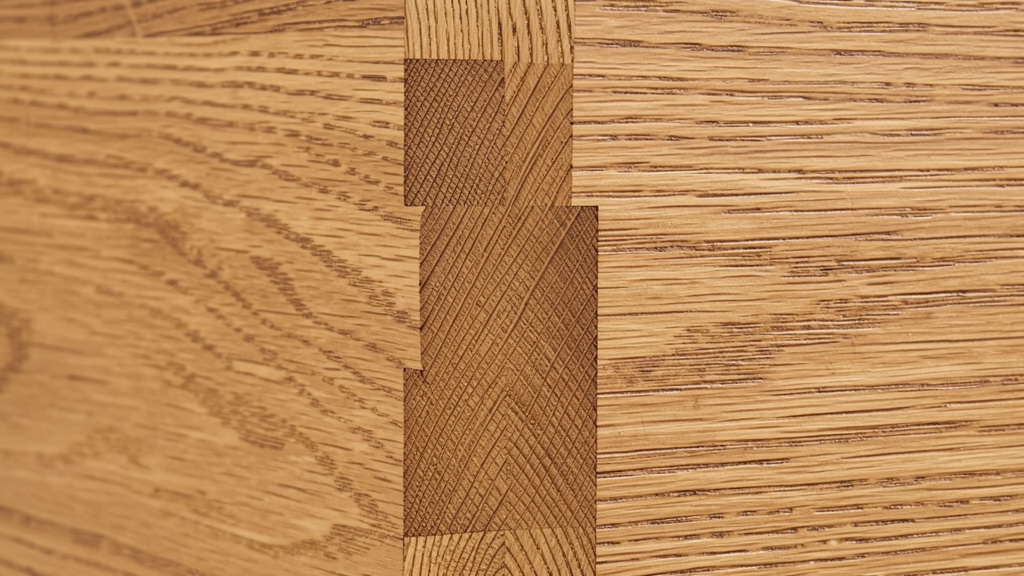
The Complete Guide to Timeless Joinery Techniques That Build Strength, Beauty, and Lasting Value in Every Project
Imagine running your fingers along the seamless corner of a century-old Shaker cabinet, feeling no nail head, no screw indentation—only the quiet confidence of wood embracing wood. This is the enduring legacy of traditional joinery: connections engineered not with metal fasteners, but with geometry, grain intelligence, and deep respect for material. In an age of disposable furniture and rushed builds, mastering these techniques transforms your projects from temporary assemblies into pieces designed for lasting strength and beauty. This guide unlocks precise methods, material wisdom, and philosophical depth behind creating joints that honor wood’s natural behavior, revealing why resilient wooden structures—from Japanese temples to Scandinavian farmhouses—have relied entirely on wood’s capacity to hold itself together for generations.
Introduction: The Silent Language of Wood
Long before power tools hummed in workshops, artisans understood wood not as a passive material to be conquered, but as a responsive partner in creation. The dovetail joints securing drawers in 18th-century Pennsylvania Dutch chests weren’t merely functional; they embodied craftsmanship intended to endure. Today, this legacy remains accessible to every maker. Whether you’re building a backyard garden bench, a child’s toy chest, or a floating shelf, metal-free joinery offers tangible advantages: eliminating rust concerns on outdoor projects, avoiding thermal bridging in insulated structures, preventing interference with sensitive electronics in workshop cabinets, and creating repairs invisible to the eye. More profoundly, it cultivates a deeper dialogue between maker and material—teaching patience, precision, and intuitive understanding of wood’s unique character. Historical evidence consistently validates this approach: the Hōryū-ji temple complex in Japan, constructed entirely with interlocking joinery around 607 CE, has withstood numerous major earthquakes across fourteen centuries. This resilience stems not from rigidity, but from joints designed to flex, accommodate movement, and redistribute stress—a wisdom embedded in every technique we’ll explore. By choosing wood-to-wood connections, you align your work with a global tradition of sustainable, repairable, and deeply human-centered making.
The Three Pillars Framework: Engineering Strength Without Metal
Forget the misconception that “stronger” means “more glue” or “tighter fit.” True joinery strength emerges from a deliberate synergy of three interdependent principles. Master these pillars, and you’ll intuitively diagnose weak joints, adapt techniques to any project, and design connections that honor wood’s natural behavior. This framework transcends individual joints—it’s the cognitive architecture behind every enduring wood-to-wood connection in history.
Pillar 1: Mechanical Interlock – The Physical Embrace
Mechanical interlock forms the joint’s skeletal structure—the physical geometry preventing parts from pulling apart under load. Think of it as wood’s version of a handshake: projections interlacing with recesses to create mutual resistance. Without this interlock, even strong adhesive becomes vulnerable to vibration, humidity shifts, or impact. Consider the lap joint: two boards overlapping with half their thickness removed. When glued, the overlapping surfaces resist vertical separation but offer limited resistance to twisting forces. Now compare it to a dovetail joint: flared “tails” and “pins” create undercuts that mechanically lock against withdrawal in one direction. Pull the drawer front, and the tails wedge tighter into the pins. This directional locking is pure mechanical interlock.
Why this pillar matters profoundly: Wood moves. Seasonal humidity changes cause boards to expand across the grain (a 12-inch wide plainsawn oak board may move approximately 1/4 inch in typical North American climates). A joint relying solely on glue across end grain (like a simple butt joint) will fail as movement creates microscopic gaps, breaking the adhesive bond. Mechanical interlock accommodates this movement. In a well-designed mortise-and-tenon joint for a table leg, the tenon floats slightly within the mortise’s width, allowing the leg to expand and contract radially while the shoulder maintains contact with the apron. The interlock handles structural load; adhesive handles alignment and vibration damping. Common failures occur when interlock is insufficient: box joint fingers too narrow snap under lateral stress; a bridle joint cut too deeply weakens the post. The solution lies in proportion: tails typically measure 1.5–2 times wider at the base than pin thickness; tenons generally equal one-third the stock thickness. This balance—refined across centuries—optimizes strength against material removal. Remember: Mechanical interlock provides primary resistance to forces. Adhesive serves as a supporting element, not the foundation.
Pillar 2: Glue Surface Optimization – The Molecular Bond
Adhesive doesn’t merely “stick” wood together like tape. Many traditional wood glues work by penetrating microscopic pores, hardening to form a network of tiny anchors within the wood fibers. But this only succeeds with properly prepared surfaces. Glue surface optimization encompasses surface quality, grain orientation, adhesive selection, and clamping strategy. Begin with surface preparation: A chisel-sharp tool leaves wood fibers open and ready to accept adhesive. A dull tool crushes fibers, creating a sealed surface where adhesive sits on top rather than within the wood—a bond prone to failure. Run your fingernail across a freshly planed surface; if it catches slightly, it’s adhesive-ready. If it slides smoothly, it’s too burnished.
Grain orientation proves equally critical. Long-grain-to-long-grain bonds (like mortise-and-tenon cheeks) typically exceed the strength of the wood itself. End-grain-to-end-grain bonds remain notably weaker because end grain acts like bundled straws; adhesive soaks deep without forming a continuous film. This explains why simple butt joints fail. The solution? Convert end grain into long grain. In a dovetail joint, pin walls present long grain to tail long grain. In a scarf joint for extending a board, the long, angled cut creates extensive long-grain contact surfaces. Adhesive selection must match project demands: Traditional hide glue offers reversibility (valuable for restoration) and bonds well with itself for repairs. Modern PVA (polyvinyl acetate) wood glue provides excellent initial tack and sandability for furniture. Epoxy fills minor gaps and withstands moisture exposure—suitable for outdoor benches or marine applications. Crucially, clamping pressure must be even and moderate. Excessive pressure squeezes out all adhesive, creating a “starved” joint. Insufficient pressure leaves gaps. The ideal outcome: a thin, consistent bead of squeeze-out along the entire seam. Wipe excess adhesive before it skins over with a damp cloth (water-based adhesives) or solvent-dampened rag (epoxy). Never let squeeze-out harden and sand later—that creates weak spots. Glue surface optimization transforms adhesive from a hopeful gesture into a predictable engineering component.
Pillar 3: Stress Distribution – The Path of Least Resistance
Every joint experiences forces: downward weight (compression), upward leverage (tension), sideways racking (shear), or twisting torque. Stress distribution is the art of designing joint geometry to guide these forces along wood’s strongest paths—primarily with the grain—and away from vulnerable points. Wood typically demonstrates greatest strength parallel to the grain. Pulling along the grain requires significant force to break fibers. Pulling across the grain requires far less force. A poorly designed joint concentrates stress at a single point, like the corner of a square-cut mortise where the chisel exited, creating a fracture initiation site. A well-designed joint spreads stress gradually.
Observe the through-tenon with wedges: As the wedge is driven into the slot at the tenon’s end, it forces the tenon to expand within the mortise. This creates constant outward pressure against the mortise walls, locking the joint. Critically, the wedge’s angle directs force along the tenon’s grain toward the shoulder, not across it. The shoulder then transfers load into the apron’s long grain. Contrast this with a nailed corner: the nail creates a hard point where stress concentrates. Wood fibers crush around the nail head under load, leading to loosening. In joinery, curves and tapers distribute stress. The flared shape of a dovetail tail channels withdrawal force into compressive force against the pin walls. A rounded edge on a tenon (instead of a sharp corner) eliminates a stress riser. Even wood selection plays a role: Straight-grained, quartersawn oak for a chair leg ensures robust resistance to compressive forces along its length. When designing your joint, trace the load path with your finger: Where does force enter? How does it travel through the joint? Does it follow the grain or fight it? Does it concentrate at a corner or spread across a surface? Joints answering these questions thoughtfully endure decades of use. Stress distribution is where engineering meets artistry—the invisible intelligence that makes a joint feel resilient under load.
The Fundamental Principle: A joint’s longevity is determined not by the force it withstands, but by the intelligence of its design—the seamless integration of mechanical interlock to resist separation, optimized adhesive surfaces to unify the bond, and strategic stress distribution to honor wood’s innate strength.
Essential Hand Tools for Precision Joinery: Building Confidence Before Complexity
You don’t need a workshop full of expensive machinery to create precise joinery. Hand tools foster the tactile feedback essential for developing joinery intuition. A power router can cut a dovetail slot quickly, but it won’t teach you why the angle matters or how grain direction affects the cut. Starting with hand tools builds foundational skills that make power tool use more intentional later. This isn’t about nostalgia—it’s about precision control. A sharp chisel allows micro-adjustments impossible with machines. Let’s clarify the core toolkit, focusing on function over brand, with practical pathways for every situation.
Marking and Measuring: The Language of Precision
Accuracy begins long before the first cut. A marking knife (not a pencil!) is essential for joinery. Its sharp blade scores wood fibers, creating a physical groove that guides saw teeth and prevents tear-out. Pencil lines have width; a knife line has near-zero width. For beginners, a sharp utility knife with a fresh blade works adequately for practice. Invest in a dedicated dovetail marker (typically 1:6 or 1:8 slope) once committed to dovetails—it ensures consistent tail angles. A combination square with a hardened steel blade serves multiple purposes: verifying 90° angles on shoulders, measuring tenon thickness, and scribing lines parallel to an edge. Seek one with a fine-etched scale and secure lock. A cutting gauge (or a sharp pencil mounted in a scrap block with a nail stop) marks consistent depths for housings or dados. Pro tip: When marking a mortise location, use the actual chisel you’ll cut with to trace its exact width—this eliminates measurement errors.
Sawing: Controlled Removal of Material
A dovetail saw (or gent’s saw) is central to fine joinery. Its fine teeth (15–20 points per inch), rigid back, and comfortable handle enable straight, precise cuts on thin stock. Western-style saws cut on the push stroke; Japanese dozuki saws cut on the pull stroke (requiring less downward pressure). Neither is universally superior—choose based on comfort and results. For beginners overwhelmed by dovetails, start with a tenon saw (larger than a dovetail saw, 10–14 ppi). Its extra length and weight make straight cuts for mortise-and-tenon joints more forgiving. Critical detail: Ensure the saw is sharp. A dull saw wanders, requires excessive force, and crushes fibers. Learn to joint the teeth (aligning them) and set them (bending slightly outward) for proper kerf width. Many new saws benefit from this “tuning” out of the box. Budget path: Restore a vintage Disston or Spear & Jackson saw from online marketplaces—often economical and built for longevity. Emergency alternative: A fine-toothed backsaw can work for practice cuts on scrap softwood, though expect challenges with hardwoods.
Chiseling: Sculpting the Negative Space
Chisels bring joinery to life—cleaning mortises, paring tenon cheeks, refining dovetail sockets. Begin with three versatile sizes: 1/4-inch, 1/2-inch, and 3/4-inch. Prioritize quality over quantity. Look for laminated steel (hard cutting edge welded to tough steel body) or high-carbon steel. Handles must withstand mallet blows—beech or hornbeam are ideal. Before first use, hone the bevel to a mirror finish using sharpening stones (start with 1000-grit, finish with 6000-grit). A sharp chisel cuts with hand pressure alone; a dull one requires hammering and risks slipping. Technique matters more than force: For mortising, chop vertically down the marked lines first, then pare horizontally toward the baseline. Never lever a chisel sideways to remove waste—it may snap. Use a mallet (wood or rawhide) for controlled chopping force. Avoid metal hammers—they damage chisel handles. Budget path: Lie-Nielsen or Veritas offer exceptional new chisels. For vintage, seek pre-1960 Stanley or Marples chisels; restore handles and regrind bevels. Emergency alternative: A sharp utility knife can pare softwoods for small joints (like toy boxes), but it’s tiring and imprecise—view it as temporary motivation to acquire proper tools.
Support and Stability: Your Third Hand
A bench hook is indispensable for joinery. This simple L-shaped jig clamps to your workbench, providing a stop against which you brace workpieces while sawing. It ensures straight cuts and protects your bench surface. Make your first one from scrap plywood—it’s an excellent beginner project. A shooting board guides a hand plane to trim tenon cheeks or dovetail pins perfectly square. While seemingly advanced, a basic shooting board dramatically improves joint fit. For clamping during assembly, bar clamps (24-inch and 36-inch) offer versatility. Supplement with quick-release clamps for smaller assemblies. Crucially, use cauls (flat scrap boards) between clamps and delicate joints to distribute pressure evenly and prevent denting. Budget path: Build your own bench hook and shooting board. Use heavy books or non-marring weights for light clamping tasks while saving for proper clamps. Emergency alternative: Wrap strong rubber bands around small boxes for assembly pressure—surprisingly effective for finger joints on jewelry boxes.
Tool maintenance is integral to the craft. Dedicate ten minutes after each session to clean blades, oil metal parts, and check sharpness. A well-maintained $50 chisel outperforms a neglected $200 one. Remember: Tools are extensions of your hands. Learning their language—how a sharp chisel feels versus a dull one, how a saw sounds when cutting true—builds the sensory awareness defining skilled joinery. Start small. Master one tool. Let proficiency, not possession, guide your next purchase.
Wood Wisdom: Choosing Species, Grain, and Moisture for Lasting Joints
Selecting wood forms the silent foundation of joinery success. A precisely cut dovetail in unstable wood may fail; a modest lap joint in well-chosen material can last generations. This decision intertwines science, geography, and project intent. Move beyond “hardwood vs. softwood” as a quality indicator—balsa is botanically a hardwood; yew is a softwood. Instead, focus on three critical factors: movement characteristics, workability, and structural role.
Understanding Wood Movement: The Non-Negotiable Reality
Wood is hygroscopic—it continuously exchanges moisture with the air. When humidity rises, wood swells across the grain (radially and tangentially); when humidity falls, it shrinks. This movement is predictable but powerful. Ignoring it guarantees joint failure: glued panels crack, doors stick, drawers seize. The solution lies in grain orientation and joint design. Quartersawn lumber (cut radially from the log) moves primarily in thickness, not width—making it ideal for table legs, drawer sides, or components requiring dimensional stability. Plainsawn lumber (cut tangentially) displays dramatic cathedral grain but moves significantly in width—best for panels where movement is accommodated (like frame-and-panel doors). For joinery, always orient joints to allow movement. In a frame-and-panel door, the panel floats within grooves cut into the frame stiles and rails. Mortise-and-tenon joints securing the frame allow the panel to expand and contract freely without stressing the joints. Never glue a solid wood panel directly into a frame—that invites cracking. When selecting wood, research its coefficient of movement. Cherry moves moderately; maple moves significantly; mahogany moves relatively little. For beginners, poplar offers forgiveness: stable, affordable, easy to work, and accepts finishes beautifully. Avoid highly unstable woods like unquartersawn walnut for wide panels until you master movement accommodation.
Species Selection by Project Type
Furniture Frames & Structural Elements (Chairs, Tables, Benches): Prioritize strength-to-weight ratio and bending strength. White oak excels—its closed pores resist moisture, making it suitable for outdoor furniture (with proper finish). Ash offers remarkable shock resistance (historically used for wagon wheels). Hickory provides exceptional strength but challenges workability—best for experienced makers. Budget-friendly hard maple delivers durability for workbenches or children’s furniture. Avoid brittle woods like cherry for high-stress chair joints—it may snap under impact.
* Drawer Construction & Small Boxes: Focus on stability, fine grain, and smooth sliding action. Basswood is soft and easy to cut for practice dovetails. Cherry develops a rich patina and moves predictably. Walnut offers stunning contrast for pins and tails. For drawer bottoms, use stable plywood (Baltic birch) or thin quartersawn hardwood—solid wood bottoms across wide drawers may warp.
* Outdoor Projects (Garden Benches, Planters): Demand decay resistance and moisture tolerance. Cedar and redwood contain natural oils that repel insects and rot—ideal for planters. White oak (not red oak!) has tyloses that block moisture absorption, making it suitable for outdoor furniture with proper finish. Avoid pine for ground-contact projects—it decays quickly unless pressure-treated (and pressure-treated wood presents challenges for clean joinery due to chemical residues and warping tendencies). Never use interior-grade plywood outdoors—it delaminates rapidly.
* Beginner Practice Projects: Start with poplar or soft maple. They’re affordable, readily available, hold detail well, and reveal tool marks clearly (helping diagnose technique issues). Avoid pine for fine joinery practice—its softness and resin pockets cause tear-out and inconsistent cuts, frustrating learners. Save dense, oily exotics like rosewood* for later; they require specialized techniques.
Moisture Content: The Hidden Variable
Wood must reach equilibrium with your workshop’s humidity before joinery begins. Wood exceeding 12% moisture content (common in “kiln-dried” lumber from big-box stores) will shrink after assembly, loosening joints. Use a moisture meter ($25–$50)—it’s highly cost-effective for joinery success. Ideal moisture content: 6–8% for indoor furniture in climate-controlled spaces; 9–11% for unheated workshops or humid climates. If lumber is too wet, sticker-stack it (separate boards with narrow sticks) in your workshop for 2–4 weeks. Too dry? Place it near a humidifier briefly. Never skip this step. A tenon cut perfectly today may become loose next month if the wood wasn’t stable. For critical projects, purchase lumber from reputable hardwood suppliers who monitor moisture content—they often offer “shop-dried” wood at 7–8%.
Grain Reading: The Maker’s Compass
Before cutting, examine each board’s grain direction. Run your hand along the surface; if it feels smooth one way and rough the other, you’ve found the “with-grain” and “against-grain” directions. Always cut with the grain where possible to prevent tear-out. In dovetailing, orient the board so tail pins face the direction of expected stress (e.g., drawer front tails should resist pulling outward). Avoid boards with reaction wood (compression wood in softwoods, tension wood in hardwoods)—it appears as uneven coloration or abnormal grain and moves unpredictably. Steer clear of knots near joint locations—they create weak points and deflect tools. When selecting stock for a mortise-and-tenon joint, choose straight-grained sections for the tenon to maximize strength along its length. This mindful selection transforms wood from a generic material into a responsive partner. The time invested here prevents hours of frustration later. Remember: Great joinery begins not with the saw, but with eyes and hands assessing the wood’s story.
The Eight Foundational Joints: A Deep Dive into Technique and Application
Master these eight joints, and you possess the vocabulary to build virtually any wooden object without metal fasteners. Each section details the why behind the geometry, precise execution steps, common pitfalls, and real-world applications—framed explicitly through our Three Pillars. Practice each on scrap wood matching your project species before committing to final stock.
Mortise and Tenon: The Backbone of Structural Woodwork
The mortise (hole) and tenon (tongue) is joinery’s workhorse—found in everything from historic timber frames to modern dining chairs. Its power lies in substantial long-grain adhesive surface and mechanical interlock resisting racking forces. When the tenon shoulder seats fully against the mortised piece, load transfers directly into the strongest part of the wood.
Why it embodies the Three Pillars:
Pillar 1 (Interlock): The tenon trapped within the mortise prevents withdrawal. Shoulders block rotation.
Pillar 2 (Adhesive Surface): Four long-grain surfaces on the tenon bond strongly with the mortise walls.
Pillar 3 (Stress Distribution): Load travels down the tenon’s grain into the mortise walls, then along the apron’s grain—avoiding end grain.
Step-by-Step Execution (Hand Tool Method):
1. Mark Precisely: Using a marking knife and square, scribe the tenon shoulder line completely around the rail. Mark the tenon cheeks (sides) and the mortise location on the stile. Transfer mortise width using your chisel.
2. Cut Tenon Cheeks: Secure the rail vertically in a vise. Using a tenon saw, cut down the cheek lines just outside your knife marks. Support the waste piece to prevent tear-out as you finish the cut.
3. Cut Tenon Shoulders: Rotate the rail. Cut along the shoulder line down to the cheek cuts. Remove the waste shoulder piece with a sharp chisel.
4. Chop the Mortise: Clamp the stile securely. Place the chisel bevel-down on the mortise line. Strike firmly with a mallet to establish the perimeter. Work inward, chopping vertically every 1/4 inch, then lever out chips horizontally. Pare the walls smooth with the chisel bevel-up.
5. Test Fit: The tenon should slide into the mortise with firm hand pressure—snug but not requiring a mallet. If tight, pare the tenon cheeks minimally with a shoulder plane or sharp chisel. Never force it.
6. Adhere and Clamp: Apply adhesive to all four mortise walls and tenon cheeks (not the shoulders—leave a tiny gap for wood movement). Insert tenon, ensuring shoulders seat fully. Clamp across the joint, using cauls to protect the wood. Wipe squeeze-out immediately.
Critical Nuances & Variations:
Tenon Thickness: Typically one-third the rail’s thickness. A 3/4″ rail gets a 1/4″ tenon. Thinner tenons weaken the rail; thicker ones weaken the stile.
Fit Consideration: A slightly loose tenon (requiring adhesive to fill micro-gaps) often creates a stronger bond than an overly tight one that starves the adhesive line. Aim for “hand-tight.”
Haunched Tenon: For frame-and-panel doors, add a small haunch (short tenon) at the top/bottom of the rail tenon. This fills the groove where the panel sits, preventing dust ingress and adding strength.
Through Tenon with Wedges: Extend the tenon through the stile. Saw a kerf in the protruding end, insert a contrasting wood wedge (e.g., walnut wedge in oak), and adhere. As the wedge drives in, it expands the tenon, creating mechanical lock—ideal for rustic benches.
Common Mistake: Cutting the mortise too deep. The tenon should bottom out before the shoulders seat. If shoulders don’t contact, the joint relies solely on adhesive in the mortise—a weak point. Always dry-fit repeatedly.
Real-World Application: Table aprons to legs, chair frames, door frames. For a garden bench, through-tenons with wedges in white oak provide weather resistance and visual character.
Dovetail Joint: The Gold Standard of Drawer Construction
Dovetails represent fine craftsmanship. Their trapezoidal “tails” and “pins” create mechanical interlock resisting pulling forces in one direction—perfect for drawer fronts enduring constant use. Visual appeal complements engineering necessity.
Why it embodies the Three Pillars:
Pillar 1 (Interlock): Tails wedge tighter into pins under withdrawal force—pure mechanical locking.
Pillar 2 (Adhesive Surface): Long-grain-to-long-grain contact on all pin and tail walls creates exceptional bond strength.
Pillar 3 (Stress Distribution): Force pulls the tail base against the pin wall, distributing stress across the entire joint face rather than concentrating at a corner.
Step-by-Step Execution (Half-Blind Dovetail for Drawer Fronts):
1. Mark Tails First: Clamp the drawer side vertically. Using a dovetail marker (1:8 slope for softwoods, 1:6 for hardwoods), mark tail angles on the end grain. Scribe vertical lines for tail width—typically 3/8″ to 1/2″ wide at the base.
2. Cut Tails: Using a dovetail saw, cut down the angled lines. Support the waste pieces. Remove waste between tails with a coping saw, staying above your baseline. Pare down to the baseline with a chisel.
3. Transfer to Pin Board: Place the tail board squarely on the drawer front. Rub a pencil firmly over the tails to transfer their shape. Darken the pencil lines with a knife.
4. Cut Pins: Saw down the vertical lines of the pin sockets. Remove waste carefully with a coping saw and chisel. Pare walls perfectly vertical.
5. Dry Fit: The tails should slide into the pins with moderate pressure. Adjust with fine paring—never force. The joint should be tight across its entire height.
6. Adhere Strategically: Apply adhesive only to the long-grain surfaces of the pins and tails. Avoid adhesive on the drawer front’s end grain where the tails seat—this allows slight movement. Clamp lightly across the joint.
Critical Nuances & Variations:
Slope Matters: Steeper slopes (1:6) offer more adhesive surface and are traditional for hardwoods. Shallower slopes (1:8) suit softwoods like pine. Never use 90° angles—they lack mechanical lock.
Half-Blind vs. Through: Half-blind hides the joint from the drawer front—essential for aesthetics. Through dovetails (visible on both sides) are stronger and used for carcass construction (e.g., tool chests).
Secret Mitred Dovetail: Combines a mitred corner with hidden dovetails. Extremely challenging but creates a seamless front. Reserve for advanced projects.
Common Mistake: Sawing past the baseline. This creates a gap at the joint’s bottom, weakening it and appearing unprofessional. Use a knife wall to stop your saw.
Grain Direction Tip: Orient the drawer side so tail pins face inward toward the drawer box. This directs withdrawal force into compression against the pin walls—the strongest configuration.
Real-World Application: Drawer construction (half-blind), tool chests and cabinets (through dovetails), small boxes. For a child’s toy chest, through dovetails in cherry provide beauty and strength.
Box Joint (Finger Joint): Strength Meets Accessibility
Often underestimated, the box joint’s straight fingers offer immense shear strength and are remarkably forgiving for beginners. While lacking the directional lock of dovetails, its uniform fingers distribute stress evenly—making it ideal for corners under twisting loads or where both sides of the joint are visible.
Why it embodies the Three Pillars:
Pillar 1 (Interlock): Multiple interlocking fingers resist separation in all directions—superior to a butt joint.
Pillar 2 (Adhesive Surface): Massive cumulative long-grain surface area creates a bond often stronger than the wood itself.
Pillar 3 (Stress Distribution): Load spreads across numerous finger contact points, minimizing stress concentration.
Step-by-Step Execution (Using a Table Saw Jig):
1. Build or Buy a Jig: A dedicated box joint jig guides the workpiece past the saw blade with precise spacing. Finger width should equal stock thickness (e.g., 3/4″ fingers for 3/4″ stock).
2. Cut First Piece: Place the board against the jig’s stop. Make the first cut. Advance the board by one finger width using the jig’s pin. Repeat until all fingers are cut.
3. Cut Second Piece: Rotate the board 90°. Align the end with the blade. Cut the first socket. Advance and repeat. The jig ensures perfect mating.
4. Dry Fit and Adjust: Fingers should slide together snugly. If loose, add thin shims to the jig’s stop. If tight, sand fingers minimally with a block plane.
5. Adhere Assembly: Apply adhesive to all finger surfaces. Assemble sequentially, using rubber bands or tape to hold pieces aligned before final clamping. Clamp diagonally across the box to ensure squareness.
Critical Nuances & Variations:
Finger Width Rule: Fingers should equal stock thickness for optimal strength. Narrower fingers increase adhesive surface but weaken individual fingers; wider fingers reduce surface area.
Hand-Cut Alternative: Use a dovetail saw and chisel. Mark fingers with a square. Saw vertically down each line. Chisel out waste. Less precise but builds fundamental skills.
Strength Advantage: Box joints excel where racking forces occur—like bookshelf carcass corners or tool tote handle attachments. Their uniform strength in all directions outperforms dovetails here.
Aesthetic Enhancement: Cut fingers slightly proud, then plane flush after cure for a seamless look. Or use contrasting wood for fingers (e.g., maple fingers in walnut box) for visual interest.
Common Mistake: Inconsistent finger spacing. This causes misalignment and weak spots. A precise jig is worth the investment. For hand-cutting, use a cutting gauge to mark all lines simultaneously.
Real-World Application: Tool totes, bookshelves, small cabinets, toy construction. For a workshop pencil cup, box joints in maple provide rugged durability.
Lap Joint (Full and Half): The Unsung Hero of Framing
Lap joints overlap two pieces, removing half the thickness from each. Simple yet powerful, they maintain consistent material thickness across the joint—critical for frames that must sit flat against walls or panels. The half-lap is ubiquitous in gate construction, workbenches, and cabinet frames.
Why it embodies the Three Pillars:
Pillar 1 (Interlock): The overlapping section resists separation perpendicular to the joint plane.
Pillar 2 (Adhesive Surface): Large long-grain surface area on the overlapping faces creates a robust bond.
Pillar 3 (Stress Distribution): Load transfers directly across the broad overlapping surface, minimizing point stresses.
Step-by-Step Execution (Half-Lap for a Gate Frame):
1. Mark Precisely: Clamp both rails together. Scribe the lap location across both pieces simultaneously with a knife. Mark the depth—exactly half the stock thickness—using a cutting gauge.
2. Remove Waste: Secure one rail in a vise. Using a backsaw, make vertical cuts every 1/4 inch within the marked area down to the depth line. Chisel out the waste chips horizontally. Pare the bottom flat and smooth. Repeat for the second rail.
3. Test Fit: The two pieces should overlap perfectly flush on both faces. Check for gaps with a straightedge.
4. Adhere and Clamp: Apply adhesive to both lapped surfaces. Assemble and clamp firmly. Wipe excess adhesive. For outdoor gates, consult local building codes regarding additional fastening requirements—but the adhered lap joint itself provides primary strength.
Critical Nuances & Variations:
Full vs. Half Lap: Full lap removes material from only one piece (used when thickness change is acceptable). Half-lap removes equal material from both—maintains uniform thickness.
Stopped Lap Joint: The lap doesn’t extend to the edge, hiding the joint for aesthetic reasons (e.g., visible frame corners on a cabinet). Requires precise chiseling to stop cleanly.
Cross Lap Joint: Used where two members cross within a frame (e.g., shelf supports). Both pieces are lapped at the intersection point.
Strength Consideration: Lap joints resist forces perpendicular to the joint plane well but are weaker against twisting. Reinforce critical lap joints with a small dowel or floating tenon through the overlap.
Common Mistake: Cutting too deep. Removing more than half the thickness weakens both members. Use a depth stop on your chisel or saw.
Real-World Application: Garden gates (half-lap at corners), workbench stretchers, cabinet face frames, picture frames. For a rustic herb drying rack, cross lap joints in cedar create stable, ventilated shelves.
Bridle Joint: Mortise and Tenon’s Open Cousin
A bridle joint resembles a mortise-and-tenon, but the “mortise” is open on one side—like a U-shaped slot accepting a tenon running the full width of the piece. This creates exceptional resistance to racking forces and is faster to cut than a closed mortise. Commonly used where a rail meets a post under tension.
Why it embodies the Three Pillars:
Pillar 1 (Interlock): The tenon trapped within the U-slot prevents withdrawal and rotation.
Pillar 2 (Adhesive Surface): Three long-grain surfaces bond strongly (two sides and bottom of the slot).
Pillar 3 (Stress Distribution): Load transfers from the tenon end grain into the slot’s bottom long grain, then along the post—more efficient than a simple butt joint.
Step-by-Step Execution:
1. Mark the Slot: On the post, mark the slot width (equal to rail thickness) and depth (one-third to one-half post width). Scribe lines on three sides.
2. Cut the Slot: Using a backsaw, cut down the two side lines to depth. Remove waste with a chisel, working from both faces to avoid blowout. Pare walls smooth.
3. Cut the Tenon: On the rail end, mark the tenon width (matching slot width) and shoulders. Saw the cheeks and shoulders. Pare to fit.
4. Dry Fit: The tenon should slide snugly into the slot. Shoulders should contact the post face fully.
5. Adhere and Clamp: Apply adhesive to the slot walls and tenon. Insert tenon. Clamp across the shoulder. For added strength in outdoor applications, drill a hole through the post and tenon end and insert a wooden peg (treenail).
Critical Nuances & Variations:
Open vs. Closed: The open side of the slot makes cutting faster but slightly reduces strength compared to a closed mortise. Ideal where speed matters or the open side faces inward (e.g., inside a frame).
Mitered Bridle Joint: Cut the tenon and slot ends at 45°. Creates a seamless corner appearance while retaining bridle strength—excellent for visible frames like shadow boxes.
Strength Advantage: Superior to a simple butt joint for corner connections under lateral stress. The tenon prevents the rail from pulling away from the post.
Common Mistake: Cutting the slot too wide. This creates gaps that weaken the adhesive bond. Fit the tenon precisely.
Real-World Application:* Workbench leg-to-stretcher joints, gate frames, cabinet carcass assembly, tool handles set into heads. For a workshop tool rack, bridle joints in ash provide rugged strength.
Mitered Bridle Joint: Elegance with Integrity
This hybrid joint combines the clean 45° appearance of a miter joint with the structural integrity of a bridle joint. The miter hides end grain for aesthetics, while the interlocking bridle section provides mechanical strength—solving the fundamental weakness of a pure miter joint (minimal long-grain adhesive surface).
Why it embodies the Three Pillars:
Pillar 1 (Interlock): The bridle section mechanically locks the pieces, preventing the mitered faces from separating.
Pillar 2 (Adhesive Surface): Long-grain surfaces within the bridle section create a strong bond; the mitered faces add supplementary surface area.
Pillar 3 (Stress Distribution): Forces are channeled away from the vulnerable miter apex into the robust bridle interlock.
Step-by-Step Execution:
1. Mark Carefully: On both pieces, mark a standard bridle joint layout, but extend the shoulder line at a 45° angle across the face. The bridle section should be one-third to one-half the stock width.
2. Cut the Bridle Slot: Saw the vertical walls of the slot on the “post” piece. Remove waste.
3. Cut the Tenon and Miter: On the “rail” piece, saw the tenon cheeks. Then, using a miter box or precise jig, cut the 45° miter on the end, stopping precisely at the tenon shoulder line.
4. Refine Fit: Pare the bridle tenon and slot for snugness. Ensure the mitered faces meet perfectly with no gaps.
5. Adhere Strategically: Apply adhesive to the bridle surfaces and the mitered faces. Clamp firmly across the bridle section and use band clamps or tape around the mitered corner.
Critical Nuances & Variations:
Proportion is Key: The bridle section must be substantial enough to carry the load. Never make it less than one-third the stock width.
Clamping Challenge: Mitered corners are hard to clamp. Use specialized band clamps, or wrap strong packing tape tightly around the joint before adhesive application to hold alignment while the bridle section clamps.
Aesthetic Payoff: Creates the illusion of a perfect miter while delivering bridle-joint strength. Ideal for picture frames, shadow boxes, or decorative boxes where end grain visibility is undesirable.
Common Mistake: Misaligning the miter cut with the bridle shoulder. This creates gaps. Use a sharp knife to scribe the shoulder line deeply before cutting.
Real-World Application:* High-end picture frames, jewelry boxes, decorative wall shelves, speaker cabinets. For a wedding photo frame, mitered bridle joints in walnut offer seamless beauty with lasting durability.
Through Tenon: Structural Honesty and Visual Power
When the tenon passes completely through the mortised piece, it creates a joint of striking honesty and significant strength. Common in timber framing, Japanese joinery, and rustic furniture, the through tenon celebrates the connection rather than hiding it. Wedges driven into slots cut in the protruding tenon end lock the joint permanently.
Why it embodies the Three Pillars:
Pillar 1 (Interlock): Wedges expand the tenon within the mortise, creating mechanical lock. The protruding tenon physically blocks withdrawal.
Pillar 2 (Adhesive Surface): Long-grain surfaces bond strongly; wedges add supplementary adhesive area.
Pillar 3 (Stress Distribution): Load transfers through the tenon into the mortise walls. Wedges direct force along the tenon grain toward the shoulder.
Step-by-Step Execution:
1. Cut Standard Mortise and Tenon: Follow mortise-and-tenon steps, but make the mortise slightly longer than the tenon (1/16″ clearance).
2. Drill Wedge Kerf: After dry-fitting, mark the protruding tenon end. Drill a small hole (1/8″) centered on the tenon end to prevent splitting. Saw a kerf (slot) from the end toward the shoulder, stopping 1/4″ short.
3. Cut Wedges: Make wedges from contrasting wood (e.g., hickory wedges in oak). Angle should match the kerf slope (typically 5–7°). Thickness: thick end = kerf width + 1/32″.
4. Dry Fit Wedges: Insert tenon. Tap wedges gently into the kerf. They should seat firmly without cracking the tenon.
5. Adhere and Drive: Apply adhesive to mortise walls, tenon, and wedge faces. Insert tenon. Drive wedges firmly with a mallet until fully seated. Trim protruding tenon and wedges flush with a flush-cut saw after cure.
Critical Nuances & Variations:
Wedge Direction: Drive wedges across the tenon grain (perpendicular to the mortise length). This expands the tenon against the mortise walls most effectively.
Shoulder Gap: Leave a tiny gap (paper-thin) between the tenon shoulder and mortised piece. This ensures the wedges, not the shoulder, bear the clamping force during assembly.
Double Wedges: For very wide tenons, cut two parallel kerfs and use two wedges for even expansion.
Historical Note: In traditional Japanese shinogi-zukuri joinery, through tenons with wedges secure entire temple structures without metal fasteners.
Common Mistake: Cutting the kerf too deep. This weakens the tenon. Stop 1/4″ from the shoulder.
Real-World Application: Timber frame joints, rustic benches, workbench legs, tool handles (e.g., mallet heads). For a backyard Adirondack chair, through tenons with walnut wedges in cedar create weather-resistant strength and visual warmth.
Scarf Joint: The Art of Seamless Extension
When a single board isn’t long enough, the scarf joint elegantly extends its length while maintaining strength and visual continuity. Unlike a simple butt joint (which fails under bending stress), the long, angled adhesive surface of a scarf joint creates a bond that can exceed the wood’s own strength in tension. Essential for boatbuilding, molding, and restoring antique frames.
Why it embodies the Three Pillars:
Pillar 1 (Interlock): The long angled surfaces mechanically resist separation under tension.
Pillar 2 (Adhesive Surface): Massive long-grain-to-long-grain contact area creates an exceptionally strong adhesive bond.
Pillar 3 (Stress Distribution): Bending forces are distributed gradually along the entire angled interface, avoiding stress concentration at a single point.
Step-by-Step Execution (Simple Tapered Scarf):
1. Determine Angle: The ideal scarf ratio is 1:8 to 1:12 (length of cut : stock thickness). For 3/4″ stock, cut a 6–9 inch long taper. Steeper angles (shorter tapers) are weaker.
2. Mark Precisely: Clamp both boards together. Scribe the taper line across both simultaneously using a straightedge and knife.
3. Cut the Tapers: Using a handsaw or circular saw with a guide, cut along the marked lines. For hand tools, a Japanese dozuki saw excels at long, straight cuts.
4. Refine Surfaces: Plane or sand the cut surfaces until they mate perfectly with no gaps. Check by holding against light.
5. Adhere and Clamp: Apply adhesive evenly. Clamp firmly along the entire joint length using multiple clamps. Use cauls to prevent bowing. Wipe excess adhesive immediately.
Critical Nuances & Variations:
Hooked Scarf Joint: Adds interlocking “steps” to the taper for mechanical resistance to shear forces—common in timber framing and boatbuilding. More complex to cut but superior strength.
Nibbed Scarf Joint: Features a small rectangular key at the center of the taper for alignment and added shear resistance.
Grain Matching: For visible applications (like molding), select boards with matching grain patterns. The scarf joint can become nearly invisible after finishing.
Strength Reality: A well-executed scarf joint in solid wood is stronger than the wood itself in tension. Failure will typically occur in the solid wood away from the joint.
Common Mistake: Cutting the taper too short. This concentrates stress and creates a weak point. Always maintain the 1:8 minimum ratio.
Real-World Application: Extending table aprons, boat gunwales, crown molding, restoring broken antique frames. For a custom dining table requiring a 10-foot apron, scarf-jointed maple provides seamless strength and visual flow.
Beyond the Basics: Advanced Variations and Hybrid Joints
True mastery emerges when you adapt foundational joints to solve unique challenges. These hybrid techniques demonstrate the creative application of the Three Pillars framework—blending geometry, material science, and project-specific needs. They are not “more difficult” joints, but smarter solutions born from deep understanding.
Floating Tenon (Loose Tenon): The Precision Problem-Solver
Instead of cutting a tenon integral to one piece, a floating tenon is a separate, precisely sized spline (often hardwood or plywood) that fits into matching mortises cut in both joining members. This solves critical challenges:
Misalignment Rescue: When two pre-cut pieces won’t align perfectly for a standard mortise-and-tenon, floating tenons allow micro-adjustment during assembly.
Complex Angles: Essential for joining pieces at non-90° angles (e.g., chair legs splayed outward). Cut mortises at the required angle in each piece; the floating tenon bridges them.
Material Efficiency: Use dense, stable wood for the tenon (e.g., maple spline in a pine frame) to reinforce a weaker joint area.
Execution Tip: Cut mortises slightly deeper than the tenon length. This creates space for adhesive and prevents hydraulic lock during assembly. For maximum strength, orient the floating tenon’s grain perpendicular to the grain of both joined pieces—this cross-grain orientation resists withdrawal forces from multiple directions. Common in high-end cabinet carcass assembly and musical instrument building.
Drawbored Mortise and Tenon: The Self-Tightening Joint
A centuries-old technique where a hole is drilled offset through the mortised piece and tenon. A wooden peg (treenail) is driven through, pulling the tenon tightly into the mortise as it seats. The offset creates constant clamping force, compensating for wood shrinkage over time.
Why it Works: As wood dries and shrinks, standard adhered joints can loosen. The drawbore’s mechanical tension actively counteracts this. The peg, driven through the offset hole, acts like a wedge, drawing the shoulder flush.
Execution: After dry-fitting the mortise-and-tenon, mark the hole location on the mortised piece. Drill straight through the mortise wall and tenon. Disassemble. On the tenon alone, shift the hole mark away from the shoulder by 1/16–1/8 inch. Drill this offset hole. Reassemble dry. Drive the slightly tapered peg (dry-fit first!)—it will pull the joint tight as it seats.
Historical Context:* Ubiquitous in pre-industrial timber framing and Windsor chair construction. The slight offset is invisible after peg insertion, but its mechanical advantage is profound. Ideal for outdoor structures or heirloom furniture where longevity is paramount.
Sliding Dovetail: The Invisible Shelf Support
Combines the mechanical lock of a dovetail with the ease of assembly of a dado. A dovetail-shaped groove is cut into one piece; a matching sliding tail is cut on the end of the joining piece. The tail slides into the groove, locking securely.
Advantages Over Dado: Resists upward withdrawal forces (e.g., a heavy book pulling a shelf out of a dado). No visible fasteners. Allows for wood movement if the tail is slightly shorter than the groove.
Critical Technique: Cut the groove first. Use it to precisely mark the tail dimensions on the shelf end. This ensures perfect mating. For hand tools, a router plane cleans the groove bottom; a shoulder plane refines the tail.
Application:* Cabinet shelves, table aprons to legs (where disassembly is needed), tool cabinet partitions. For a workshop cabinet, sliding dovetails in Baltic birch plywood provide rock-solid shelf support that won’t sag under tool weight.
Biscuit Joint Reinforcement: When Speed Meets Strength
While often associated with power tools, biscuit joints (using oval-shaped compressed beechwood “biscuits”) have a legitimate place in hybrid joinery when used intentionally—not as a primary joint, but as an alignment aid and shear strength enhancer for solid wood panels or frames.
Strategic Use Case: When edge-gluing multiple boards for a tabletop, biscuits align the boards perfectly during clamp-up and add significant resistance to twisting forces across the adhesive line. They do not add meaningful strength to the long-grain adhesive joint itself—but they prevent misalignment that weakens the bond.
Critical Caveat: Never rely on biscuits alone for structural joints (like frame corners). They create end-grain-to-end-grain contact within the slot—a weak bond. Always combine with a primary joint (e.g., biscuits plus mortise-and-tenon in a door frame).
Wood Movement Consideration: For wide panels, place biscuits only in the center third of the board width. Avoid biscuits near the edges where seasonal movement is greatest—they can cause cracking.
Pro Tip: Soak biscuits in water for 10 seconds before insertion. The compressed wood swells, creating a tighter fit in the slot and improving adhesive adhesion.
Japanese Kigumi Philosophy: Joints as Breath
Beyond specific techniques, traditional Japanese joinery (kigumi) offers a profound mindset shift: joints should accommodate movement, not resist it. Structures like the Hōryū-ji temple use complex interlocking joints with intentional micro-gaps. During seismic events, joints flex and shift slightly, dissipating energy without breaking—then return to position.
Modern Application: In a solid wood tabletop frame, design the mortise-and-tenon joints so the tenon floats widthwise within the mortise (allowing for seasonal expansion), while the shoulder is adhered only at the center point. This “center-adhered” technique permits movement at the edges.
Mindset Takeaway: Strength isn’t rigidity. The most resilient joints work with wood’s nature, not against it. Ask: “How will this joint behave when the wood swells? When it shrinks? Can it move without failing?” This question elevates joinery from technique to wisdom.
These advanced variations aren’t about complexity for its own sake. They represent targeted solutions where foundational joints reach their limits. Master the eight core joints first. Then, when a project presents a unique challenge—angled connections, movement accommodation, disassembly needs—these hybrids become your intelligent response. They prove that joinery is a living language, not a rigid rulebook.
Troubleshooting: Diagnosing and Fixing Common Joinery Challenges
Even experienced woodworkers encounter imperfect joints. The difference between frustration and growth lies in systematic diagnosis. Below, we address frequent issues with root-cause analysis and actionable solutions—framed through the lens of the Three Pillars. Remember: Every “mistake” is data about your tools, technique, or material.
Problem: Gaps in Dovetail or Box Joint Corners
Symptoms: Visible light between pins and tails at the joint’s top or bottom. Joint feels loose.
Root Cause Analysis:
– Pillar 1 Failure: Sawing past the baseline (creating a gap at the bottom) or stopping short (gap at the top).
– Pillar 2 Failure: Uneven paring causing non-parallel walls; adhesive cannot bridge gaps.
– Tool Factor: Dull saw wandering off line; chisel slipping during paring.
Solutions:
1. Prevention: Scribe a deep knife wall at the baseline before sawing. Use this wall as a physical stop for your saw.
2. During Cutting: For hand-cut joints, saw to the line, not on the line. Remove waste to the line with chisel paring.
3. Repair: For small gaps (<1/32″), mix sanding dust from the project wood with adhesive to create a colored filler. For larger gaps, carefully pare the high side or add a thin shim of matching wood adhered into the low side. In non-structural boxes, a thin veneer strip can hide the gap after assembly.
Pro Insight: Gaps at the front of a drawer dovetail are more critical than at the back—they’re visible and weaken the joint. Prioritize perfect fit at the show surface.
Problem: Tenon Too Tight or Too Loose in Mortise
Symptoms: Requires excessive force to insert (tight); wobbles or falls out (loose).
Root Cause Analysis:
– Pillar 1 Failure: Inconsistent chiseling depth in mortise; uneven tenon cheeks.
– Pillar 2 Failure: Tight fit starves adhesive line; loose fit creates thick, weak adhesive layer.
– Material Factor: Wood movement after cutting (if lumber wasn’t stable).
Solutions:
1. Prevention: Cut mortise first. Use it to mark the tenon dimensions precisely. Test-fit tenon frequently during paring.
2. Too Tight: Pare tenon cheeks minimally with a shoulder plane or sharp chisel. Work from the shoulder toward the end to avoid tear-out. Never sand—creates rounded edges that weaken the joint.
3. Too Loose: For slight looseness, apply a thin coat of adhesive to the tenon, let it dry to a tacky film (“sizing”), then reassemble with fresh adhesive. For significant looseness, adhere thin shims (veneer thickness) to the tenon cheeks, let dry, then re-true the cheeks.
Pro Insight: A “hand-tight” fit—requiring firm finger pressure to insert the last 1/4 inch—is ideal. It ensures adhesive contact without starvation.
Problem: Joint Fails Under Load (Cracks or Separates)
Symptoms: Joint breaks during clamp-up, handling, or after use.
Root Cause Analysis:
– Pillar 3 Failure: Stress concentrated at a sharp corner (e.g., square mortise corner); joint geometry fighting wood grain direction.
– Pillar 2 Failure: Adhesive applied to end grain; contaminated surfaces (oil, dust); incorrect adhesive for conditions.
– Design Factor: Joint undersized for the load (e.g., narrow dovetails on a heavy drawer).
Solutions:
1. Immediate Repair: Disassemble if possible. Clean old adhesive thoroughly with a chisel or sandpaper. Re-cut the joint with attention to stress points—round sharp internal corners slightly with a chisel.
2. Reinforcement: For non-critical repairs, drill small holes across the failed joint line and insert toothpicks or bamboo skewers coated in epoxy. For structural repairs, add a hidden floating tenon or spline alongside the failed joint.
3. Prevention Audit: Before adhering next time:
– Trace the load path with your finger. Are forces directed with the grain?
– Are all adhesive surfaces long grain?
– Is the joint proportioned correctly for the expected stress?
Pro Insight: Joint failure is rarely about “weak adhesive.” It’s almost always a design or preparation flaw. Analyze the fracture surface: Clean wood failure = strong joint (wood was weaker). Adhesive-line separation = surface prep or adhesive issue.
Problem: Wood Tear-Out During Cutting
Symptoms: Splintered, rough edges on cuts—especially on dovetail pins or tenon shoulders.
Root Cause Analysis:
– Tool Factor: Dull saw or chisel; incorrect saw tooth geometry for the wood.
– Technique Factor: Cutting against the grain direction; excessive force.
– Material Factor: Interlocked grain (common in mahogany, sapele); knots near cut line.
Solutions:
1. Prevention: Always cut with the grain where possible. For dovetails, orient the board so the saw cuts from the show face toward the waste. Score cut lines deeply with a knife first—this severs surface fibers.
2. Tool Maintenance: Hone chisels and plane blades before every session. For saws, ensure teeth are sharp and set correctly. A fine-toothed saw (15+ ppi) reduces tear-out in hardwoods.
3. Emergency Fix: For minor tear-out, fill with adhesive/sawdust mixture. For significant damage, carefully pare back to sound wood and adjust the joint design (e.g., make a pin slightly wider).
Pro Insight: Tear-out on the exit side of a cut is predictable. Support the exit side with a sacrificial backer board clamped behind the workpiece.
Problem: Adhesive Starvation or Excess Squeeze-Out
Symptoms: Joint feels dry after clamp-up (starvation); hardened adhesive ridges require aggressive sanding (excess).
Root Cause Analysis:
– Pillar 2 Failure: Uneven pressure during clamping; incorrect adhesive viscosity; surfaces too absorbent.
– Technique Factor: Applying adhesive to only one surface; clamping too slowly.
Solutions:
1. Prevention: Apply a thin, even layer of adhesive to both mating surfaces. Use a small brush or roller for control. For porous woods (like oak), apply a diluted “sizing” coat of adhesive first, let dry 5 minutes, then apply full-strength adhesive.
2. Clamping Strategy: Arrange clamps to apply even pressure across the entire joint. Use cauls (flat scrap boards) between clamps and delicate edges. Tighten clamps gradually in a crisscross pattern.
3. Squeeze-Out Management: Wipe excess adhesive immediately with a damp cloth (for water-based adhesives) while it’s still liquid. For stubborn spots, let adhesive skin over (10–15 minutes), then scrape with a chisel held flat. Never sand hardened adhesive—it clogs paper and leaves weak spots.
Pro Insight: A perfect adhesive line shows a thin, continuous bead of squeeze-out along the entire seam. No squeeze-out = starvation risk. Thick globs = weak, uneven bond.
Problem: Project Warps or Twists After Assembly
Symptoms: Frame is out of square; panel cups; drawer binds.
Root Cause Analysis:
– Pillar 3 Failure: Ignoring wood movement; uneven moisture content between parts; internal stresses in lumber released after cutting.
– Assembly Factor: Clamping out of square; uneven glue-up pressure.
Solutions:
1. Prevention is Paramount:
– Use quartersawn or stable wood for critical parts.
– Ensure all parts are at equilibrium moisture content (use a meter!).
– Design joints to accommodate movement (e.g., floating panels).
2. During Assembly: Check for square before adhesive sets. Measure diagonals—they must be equal. Use corner clamps or band clamps to maintain alignment.
3. Correction: For minor warping, apply controlled moisture and weight. Dampen the concave side lightly, place under heavy, flat weights for 24–48 hours. For severe warping, disassemble if possible and re-cut components.
Pro Insight: Warping often originates in the lumber before you cut it. Learn to “read” boards for internal stress: sight down the edge; look for subtle curves. Avoid boards that feel twisted in your hands.
Troubleshooting cultivates resilience. Keep a “failure journal”—photograph imperfect joints, note the cause, and document the fix. Over time, you’ll develop an intuitive sense for preventing issues before they occur. Remember: The goal isn’t perfection on the first try. It’s understanding why something happened and growing your capability with each project.
Your Questions, Answered
Q: Which joint is truly the strongest for heavy-duty applications like workbenches or outdoor furniture?
A: For tensile and shear strength under heavy loads, the through mortise-and-tenon with wedges is exceptionally robust in traditional joinery. The mechanical lock created by wedges expanding the tenon within the mortise creates a connection that tightens under certain stresses. Historical timber frames using this joint have supported multi-story structures for centuries. For outdoor use, pair this joint with decay-resistant wood like white oak or cedar, and ensure wedges are driven tightly to minimize moisture ingress points. While modern epoxy creates strong bonds, the mechanical integrity of a well-executed wedged through-tenon provides reliable performance without chemical dependence. Always consider the full design context—joint strength is one factor among many.
Q: Can I use these joints with plywood or MDF, or are they only for solid wood?
A: Absolutely—but with critical adaptations. Plywood’s layered construction means edges are vulnerable to delamination. Box joints excel with plywood: interlocking fingers maximize long-grain contact on the ply faces and avoid stressing vulnerable edge layers. Use a zero-clearance insert on your table saw to prevent tear-out. Sliding dovetails work well for attaching solid wood frames to plywood panels. Avoid joints requiring deep mortises (like standard mortise-and-tenon) in plywood thinner than 3/4″—the layers may separate. For MDF, which has no grain direction but poor screw-holding ability, biscuit joints or domino loose tenons provide excellent alignment and shear strength for carcass assembly, but reinforce critical corners with additional mechanical fasteners if the project bears heavy loads. Never rely solely on adhesive for MDF joints under significant stress.
Q: How do I account for wood movement in a solid wood tabletop attached to an apron frame?
A: This is a common cause of joint failure in furniture. Never adhere the tabletop directly to the apron frame across its entire width. Instead:
1. Use mortise-and-tenon joints for the frame itself (aprons to legs).
2. Attach the tabletop to the frame using figure-8 fasteners, Z-clips, or wooden buttons screwed to the frame and sliding in slots cut into the tabletop underside.
3. For a fully traditional approach, use buttoned battens: Adhere wooden blocks (“buttons”) across the grain of the tabletop underside. Screw these buttons into elongated slots in the frame aprons. As the top expands/contracts, the buttons slide within the slots.
The key principle: Allow the tabletop to move across its width while securing it firmly along its length. Always orient the tabletop grain perpendicular to the frame aprons.
Q: Is hide glue worth the hassle compared to modern PVA wood glue?
A: Hide glue offers specific advantages in targeted scenarios:
– Reversibility: Critical for antique restoration. Hide glue joints can be carefully separated with heat and moisture for repairs without damaging original wood.
– Open Time: Longer working time than fast-setting PVAs—valuable for complex assemblies.
– Creep Resistance: Less prone to “cold creep” (slow deformation under constant load) than some PVAs, beneficial for chair joints.
– Gap Filling: Slightly better at filling minute gaps than standard PVA.
However, PVA (like Titebond II/III) offers superior water resistance (Type III), easier cleanup, no mixing required, and stronger initial tack for most contemporary projects. Use hide glue when reversibility or historical accuracy is paramount; use quality PVA for the majority of modern joinery. Avoid “yellow glue” (aliphatic resin) for critical joints—it has poorer heat and moisture resistance than modern PVAs.
Q: My dovetails look great on one side but messy on the other. How do I achieve consistent results?
A: This asymmetry typically stems from saw control and grain direction. Implement these fixes:
1. Grain Awareness: Always orient the board so you saw from the show face toward the waste piece. Tear-out occurs on the exit side; by making the exit side the waste, the show face remains clean.
2. Saw Technique: Start the cut with light pressure, using your thumb to guide the saw blade precisely on the waste side of the line. Maintain a consistent angle—use a dovetail marker as a visual guide. Let the saw do the work; avoid forcing it.
3. Knife Wall: Scribe a deep, crisp line with a marking knife before sawing. This severs surface fibers and gives the saw teeth a defined path, reducing wandering.
4. Practice Strategy: Cut practice dovetails on scrap with the same grain orientation as your project. Focus on one variable at a time (e.g., consistent angle, then clean exit cuts). Record your saw angle and technique in a shop notebook. Consistency emerges from mindful repetition, not speed.
Q: Can I repair a broken antique joint without visible fasteners?
A: Yes—this is where traditional joinery knowledge becomes conservation. First, identify the original joint type (often a loose tenon or pinned mortise-and-tenon). Disassemble carefully using heat (for hide glue) and gentle prying. Clean old adhesive meticulously from both surfaces with sharp chisels—never sand, as it removes original material. If the tenon is broken:
– For small breaks, use epoxy thickened with wood flour for gap-filling strength.
– For significant damage, craft a new floating tenon from matching wood grain and color.
– Reassemble with hot hide glue for authenticity and future reversibility.
If the mortise walls are damaged, inlay a thin dutchman patch (a precisely fitted wood insert) to restore the wall before re-cutting the mortise. Patience and minimal intervention are key—preserve as much original material as possible. When in doubt, consult a professional conservator for valuable antiques.
Q: What’s the minimum thickness of wood I can use for reliable joinery?
A: Safety margins depend on the joint and application:
– Dovetails/Box Joints: Minimum 1/4″ stock for small boxes (jewelry boxes). Below this, fingers become fragile. For drawer sides, 1/2″ is ideal; 3/8″ is acceptable for light-duty drawers.
– Mortise-and-Tenon: Tenon should be at least 1/4″ thick. Therefore, rail stock should be at least 3/4″ thick (to allow a 1/4″ tenon with sufficient shoulder strength). For delicate work (like small frames), a 3/16″ tenon in 1/2″ stock is possible but requires extreme precision.
– General Rule: The joint component (tenon, pin, finger) should never be less than one-fourth the thickness of the stock it’s cut from. Thinner sections risk splitting during assembly or under load. When working with thin stock (<1/2″), prioritize joints with distributed strength like box joints over concentrated-stress joints like narrow dovetails. Always test-cut on scrap first.
Q: How do humidity and temperature affect glue-up success?
A: Adhesive performance is highly environment-dependent:
– Temperature: Most PVAs require 50–90°F (10–32°C) for proper curing. Below 50°F, curing slows dramatically or stops, creating a weak bond. Work in a climate-controlled space. Hide glue requires warm application (140–150°F) and ambient temps above 65°F.
– Humidity: Very low humidity (<30%) causes water-based adhesives to dry too fast before clamping, leading to starvation. Very high humidity (>70%) slows curing. Ideal: 40–60% relative humidity.
– Wood Moisture: Adhering wood below 6% MC in dry conditions can cause the wood to absorb adhesive moisture too quickly. Adhering wood above 10% MC traps moisture, weakening the bond and risking future movement issues.
Pro Tip: Keep adhesive bottles in a warm water bath (not hot!) during cold-weather assemblies to maintain viscosity. For critical projects, use a hygrometer to monitor shop conditions. When conditions are suboptimal, extend clamp time by 50%.
Q: Are there joints specifically designed for curved or bent wood components?
A: Yes—curved work demands joints accommodating non-linear geometry:
– Scarf Joints: Essential for laminating bent curves (like chair arms). The long taper distributes stress evenly along the bend.
– Bridle Joints: Adapt well to gentle curves. Cut the slot and tenon following the curve’s contour.
– Dovetails on a Curve: Possible but advanced. Requires careful layout with flexible curves and specialized sawing. Often seen in Windsor chair seats.
– Integral Tenons: When steam-bending wood, leave a straight section at the end to form a tenon that fits into a standard mortise on a straight component.
For compound curves, splined miters are effective: Cut a curved miter joint, then saw a slot across the seam and insert a curved spline of contrasting wood. The spline provides massive long-grain adhesive surface and mechanical reinforcement. Always prototype curved joints extensively in scrap before committing to final parts.
Q: How do I choose between hand-cut and machine-cut joinery for a project?
A: Base your decision on project goals, not capability alone:
– Choose Hand-Cut When:
– The project is small-scale (boxes, small drawers) where setup time outweighs cutting time.
– You seek the meditative, skill-building aspect of craftsmanship.
– Working with rare/expensive wood where machine tear-out risk is unacceptable.
– Creating one-of-a-kind pieces where subtle hand-tool marks add character.
– Choose Machine-Cut When:
– Repetition is required (multiple identical drawers, cabinet carcasses).
– Precision and speed are critical for project timelines.
– Working with very hard or dense woods where hand-cutting is excessively laborious.
– You have well-tuned jigs/fixtures ensuring consistent results.
Hybrid approaches are often optimal: Use a router to rough out dovetail sockets, then clean with chisels. Cut mortises on a drill press, then pare to fit. The goal is a strong, beautiful joint—not purity of method. Honor the project’s needs above all.
Q: What’s the single most important habit for consistent joinery success?
A: Meticulous layout and measurement. The adage “measure twice, cut once” evolves in joinery to “mark precisely, verify repeatedly.” Using a marking knife instead of a pencil, checking squareness at every stage, and dry-fitting joints before adhesive application prevent irreversible errors. This habit compounds: precise layout leads to accurate cuts, which enable perfect fits, reducing reliance on adhesive to compensate for gaps. Cultivate patience in the marking phase—it is the silent foundation of every successful joint. When layout is intentional, every subsequent step becomes more confident and controlled.
Conclusion and Next Step
- Recap: The Three Pillars Framework transforms joinery from rote technique into intelligent design. Mechanical interlock provides foundational resistance, optimized adhesive surfaces create unified bonds, and thoughtful stress distribution honors wood’s innate strength. Mastery emerges not from memorizing joints, but from understanding why each geometry works.
- The 24-Hour Rule: Before starting your next project, spend twenty-four hours observing wood movement in your environment. Place a scrap board near a window. Note how humidity changes affect it. Sketch one joint from this guide, tracing the load path with your finger.