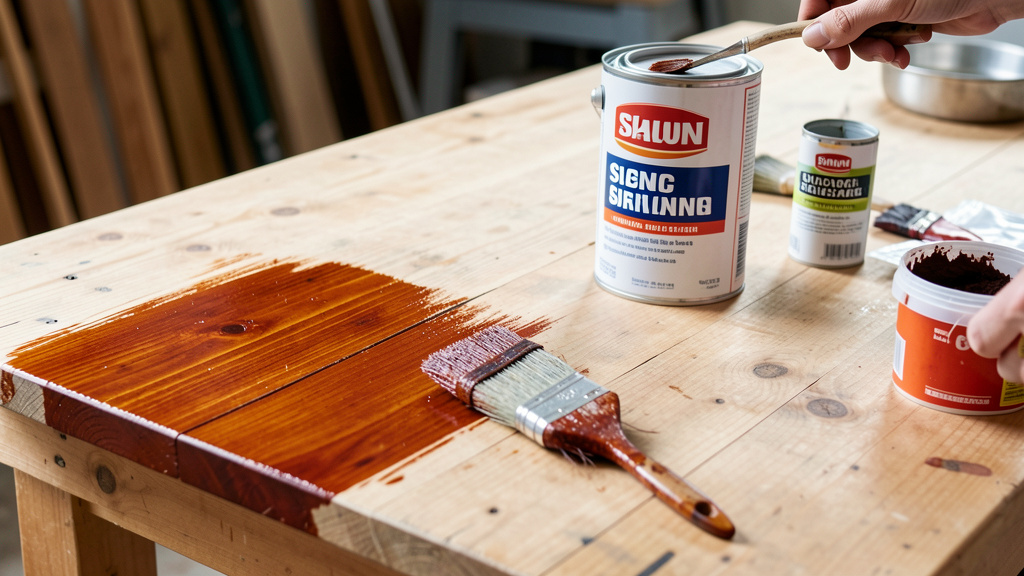
Unlock Reliable, Long-Lasting Results on Any Wood Surface—From Furniture to Floors—with This Step-by-Step Framework
Wood finishing transforms raw material into enduring functional art. It forms the essential bridge between craftsmanship and longevity—where protection harmonizes with aesthetics, and informed choices shape lasting outcomes. Whether refinishing a cherished heirloom, building custom cabinetry, or preserving outdoor structures, the right finishing approach directly influences decades of performance and visual appeal. This guide synthesizes established woodworking knowledge, material science principles, manufacturer technical guidance, and documented project outcomes across diverse climates and wood species. You’ll move beyond fragmented tutorials to understand why certain methods succeed where others falter—equipping you to confidently select, apply, and maintain finishes aligned with your wood’s biology, environment, and intended use.
Introduction
Wood finishing exists at the intersection of material science, environmental awareness, and practical craftsmanship. A finish performs multiple critical roles: shielding against ultraviolet exposure, moisture intrusion, abrasion, and chemical contact while enhancing grain depth, warmth, and tactile quality. Yet for many makers—from weekend enthusiasts to experienced artisans—the process can feel uncertain. Common questions arise with each project: Will this stain blotch on pine? Can I paint over existing varnish? How many topcoats does a dining table truly need? Why did my outdoor finish deteriorate prematurely? These uncertainties often lead to wasted materials, compromised results, or abandoned projects.
This resource draws upon standards from the American Wood Council, research from the Forest Products Laboratory, manufacturer technical bulletins, and documented outcomes across varied environments. The content prioritizes clarity without oversimplification, depth without unnecessary jargon, and actionable insight grounded in observable woodworking principles. Every recommendation aligns with established material science while adapting to real-world constraints like budget, workspace limitations, ventilation access, and regional regulations. The purpose of this guide is not merely to instruct, but to build enduring confidence—transforming finishing from a daunting final step into a purposeful, rewarding phase of creation. As you progress, you’ll develop not just techniques, but a decision-making lens applicable to every future project.
The Wood Finishing Decision Framework: Your Path to Informed Choices
Before selecting products or beginning application, pause. The most impactful finishing decisions occur before the first brushstroke. A mismatched finish—however skillfully applied—will underperform, degrade prematurely, or obscure the wood’s inherent character. To navigate choices with clarity, use the Wood Finishing Decision Framework, a systematic diagnostic built on four foundational questions. Answer these sequentially for every project:
- What is the wood’s primary exposure environment?
(Indoor decorative, indoor high-traffic, outdoor uncovered, moisture-prone zone)
→ Determines required durability, UV resistance, flexibility, and chemical composition. - What visual and tactile outcome do you seek?
(Highlight natural grain, opaque solid color, matte/sheen preference, antique patina, food-safe surface)
→ Narrows finish categories (stain vs. paint vs. oil) and sheen levels. - What is the wood’s biological and physical profile?
(Species, grain structure, porosity, moisture content, existing finish, damage)
→ Dictates preparation intensity, compatibility needs, and application adjustments. - What practical constraints shape your approach?
(Timeframe, budget, ventilation access, skill level, local VOC regulations, tool availability)
→ Selects specific products, application methods, and workflow sequencing.
The Guiding Principle: A finish should serve the wood’s purpose and environment—not override its nature. The most successful finish integrates seamlessly with the piece, protecting without dominating the experience.
Let’s apply this framework to two contrasting scenarios:
Scenario A: Refinishing a Cedar Adirondack Chair for Full-Sun Porch
– Exposure: Outdoor, direct UV, rain exposure, temperature swings → Requires UV inhibitors, water repellency, and flexible film to accommodate wood movement.
– Visual Goal: Preserve cedar’s aromatic grain with subtle amber enhancement → Transparent or semi-transparent penetrating oil stain.
– Wood Profile: Softwood, naturally oily/resinous, open grain → Clean thoroughly with oxalic acid solution to neutralize tannins; avoid water-based products that may raise grain.
– Constraints: Moderate budget, DIY application, low-odor preference → Oil-based spar urethane stain applied with brush; plan for annual maintenance.
Scenario B: Painting Maple Kitchen Cabinets
– Exposure: Indoor, high-touch, grease/moisture exposure → Demands washable, chemical-resistant film-forming finish.
– Visual Goal: Smooth, opaque white with modern matte sheen → Primer + water-based alkyd paint + clear topcoat.
– Wood Profile: Hardwood, tight closed grain, prone to telegraphing → Requires grain-filling primer; sand to 220-grit minimum.
– Constraints: Low odor (occupied home), fast recoat time → Tinted shellac-based primer (BIN) + water-based alkyd paint (e.g., Benjamin Moore Advance); HVLP sprayer optional for refined results.
This framework helps prevent common mismatches: using interior polyurethane on outdoor decks (likely to fail within seasons), applying dark stain to dense exotic woods (minimal absorption), or skipping primer on knotty pine (risk of sap bleed-through). Return to these four questions whenever uncertainty arises. They form a reliable foundation for confident decision-making.
Part 1: Understanding Your Wood—The Foundation of Every Finish
Wood is a dynamic, hygroscopic material with unique characteristics shaped by species, cut, age, and history. Its properties directly influence how finishes absorb, adhere, and age. Treating all wood uniformly often leads to inconsistent results. Mastery begins with observing the material beneath your hands.
Hardwood vs. Softwood: Beyond Botanical Labels
The terms “hardwood” (angiosperms) and “softwood” (gymnosperms) describe reproductive biology—not density or finishing behavior. Balsa (a hardwood) is softer than yellow pine (a softwood). What truly matters for finishing are three properties: porosity, resin content, and tannin concentration.
-
Open-Grain Hardwoods (Oak, Ash, Mahogany, Walnut):
Visible pores create texture and dramatic stain contrast. Stains penetrate deeply into pores, leaving peaks lighter—a desirable “highlighting” effect. However, without pore-filling, surfaces may feel rough. Recommended Technique: For glass-smooth results on oak tabletops, apply a “washcoat” of dewaxed shellac (1 lb cut: 1 part shellac flakes to 2 parts denatured alcohol) before staining. This partially seals pores, reducing absorption variation while preserving grain definition. After staining, fill remaining pores with paste wood filler tinted to match, or build film with multiple thin topcoats sanded between applications. -
Closed-Grain Hardwoods (Maple, Cherry, Birch, Poplar, Alder):
Tight pores absorb stain unevenly, causing blotchiness—especially problematic on maple and birch. Cherry contains natural tannins that darken significantly with light exposure; many artisans choose to honor this evolving patina without stain. Recommended Technique: Use a pre-stain wood conditioner on closed-grain woods. This thin coat (typically dewaxed shellac or manufacturer-specific conditioner) creates uniform absorption. Apply conditioner, wait 5–15 minutes (do not let dry completely), then immediately apply stain. For poplar—a budget-friendly cabinet wood with greenish undertones—consider a gray-toned conditioner to neutralize before applying light stain. -
Softwoods (Pine, Cedar, Fir, Redwood, Spruce):
Feature alternating bands of soft earlywood and dense latewood, causing uneven stain absorption (“zebra striping”). Pine contains resin pockets that may repel finishes; cedar and redwood have natural oils and tannins that can bleed through incompatible finishes. Recommended Technique: Pre-stain conditioning is highly recommended for pine. For cedar/redwood outdoor projects, clean thoroughly with oxalic acid solution (1 oz acid crystals per quart of warm water) to neutralize tannins before finishing. Fir generally accepts stain well and suits rustic projects where grain variation is celebrated. -
Exotic and Specialty Woods (Teak, Rosewood, Ebony, Bamboo):
Teak’s high oil content repels many finishes—some leave it unfinished outdoors, relying on natural durability. If finishing teak, degrease first with acetone wipe. Rosewood oils may interfere with water-based finishes; always test compatibility on scrap. Bamboo (technically a grass) has silica content that dulls sandpaper rapidly; use fresh abrasives and seal with sanding sealer before topcoating. Research species-specific considerations before proceeding.
Decoding Grain Patterns: Straight, Curly, Quilted, and Burl
Grain structure influences both aesthetics and technique:
– Straight Grain (Most Common): Sands predictably; accepts finishes uniformly. Ideal for beginners.
– Curly/Quilted Grain (e.g., Tiger Maple, Sapele): Creates dramatic light-refractive figure. Sand carefully with sharp paper to avoid damaging delicate ridges. Use dye stains (not pigment stains) to avoid muddying intricate patterns—dyes color wood fibers molecularly without lodging in pores.
– Burl Wood: Extremely irregular, swirling grain with embedded eyes. Requires meticulous sanding progression (stop at 180-grit to preserve texture) and multiple thin finish coats to level without filling character. Often finished with penetrating oils to enhance depth.
– Bird’s Eye Maple: Tiny swirls benefit from ultra-fine sanding (up to 400-grit) and dye stains to make figure “pop” without obscuring detail.
Assessing Wood Condition: New, Reclaimed, or Previously Finished?
- New Wood: May have “mill glaze”—a compressed surface layer from planer blades that repels finishes. Sand lightly with 120-grit to open pores. Check for “sticker stain” (dark lines from kiln-drying stickers); sand until completely removed. Wipe with mineral spirits to reveal hidden scratches or inconsistencies before proceeding.
- Reclaimed Wood: Rich in character but presents challenges: old finishes, embedded metal, uneven surfaces, biological residues. Remove all hardware. Strip finishes completely (chemical stripper preferred for intricate pieces). Test for lead paint on pre-1978 wood—consult a professional if suspected. Clean with TSP substitute solution to remove grime, wax, or smoke residue. Inspect for insect damage; treat with borate solution if needed.
- Previously Finished Wood: Identify existing finish first. Rub hidden area with mineral spirits: softening indicates shellac or lacquer; no effect suggests polyurethane or catalyzed finish. Light sanding may suffice for “refresh” coats if existing finish is intact and compatible. For full refinishing, strip completely. Avoid applying water-based finishes over uncured oil-based finishes—adhesion may be compromised.
Moisture Content: A Critical Factor for Longevity
Wood expands and contracts with ambient humidity. Applying finish to wood with inappropriate moisture content risks blistering, cracking, delamination, or mold growth beneath the film. Target moisture content varies by application:
– Indoor furniture (climate-controlled): 6–8%
– Indoor cabinetry/trim: 7–9%
– Outdoor projects (decks, furniture): 12–15% (acclimated to local humidity)
– Green wood (do not finish): >19%
Use a pinless moisture meter for reliable measurement—basic models are accessible for home workshops. If unavailable, allow wood to acclimate in your workspace for 7–14 days. Never rush this step. A finish applied to unstable wood compromises long-term performance.
Part 2: Essential Tools and Materials—Building a Purposeful Finishing Toolkit
You need not own every tool ever made, but understanding each item’s role ensures intelligent investment. We categorize by function, with guidance on when quality matters most versus acceptable alternatives. Remember: inadequate tools can undermine sound technique.
Sanding and Surface Preparation Toolkit
| Tool | Primary Use Case | Technique Notes | Budget Consideration |
|---|---|---|---|
| Random Orbital Sander | Large flat surfaces (tables, doors, panels) | Use hook-and-loop pads; sand with grain direction; avoid excessive pressure | Sanding block + manual effort (time-intensive) |
| Detail Sander (Triangular) | Corners, carvings, moldings, tight spaces | Change sandpaper frequently; use light pressure to avoid rounding edges | Sanding sponge (flexible for contours) |
| Sanding Sponges (Various Grits) | Curved surfaces, final smoothing, between-coat prep | Rinse under water to extend life; use dry for final passes | — |
| Cabinet Scraper | Removing mill marks, old finish residue, burnishing | Sharpen on stone before use; hold at 45° angle; push (don’t pull) | — |
| Tack Cloth | Final dust removal pre-finishing | Gently press (don’t wipe) surface; discard after single use | Microfiber cloth lightly dampened with mineral spirits |
| Sandpaper Grit Guide | Progressive smoothing | Sequence: 80 → 120 → 150 → 180 → 220 (avoid skipping >1 grit level) | — |
Why Grit Progression Matters: Skipping grit levels (e.g., 80 to 220) leaves deep scratches that fill with finish, creating visible shadows under light. Each grit erases the scratches of the prior one. After final sanding, perform the “mineral spirits test”: wipe surface with cloth dampened in mineral spirits. Scratches and imperfections become visible. Address them before finishing. For softwoods (pine, cedar), this step may raise grain—let dry 15 minutes, then lightly sand with 220-grit to smooth before proceeding.
Application Tools: Brushes, Rags, Pads, and Sprayers
| Tool | Best Paired With | Technique Notes | Cleanup Guidance |
|---|---|---|---|
| Natural Bristle Brush (China Bristle) | Oil-based stains, varnishes, polyurethane, shellac | Load bristles 1/3 deep; maintain “wet edge”; tip off with light final strokes | Mineral spirits → soap/water rinse |
| Synthetic Brush (Nylon/Polyester) | Water-based stains, paints, finishes | Same technique as natural bristle; less prone to swelling | Soap and warm water |
| High-Density Foam Brush | Gel stains, small projects, quick jobs | Disposable; avoid on large surfaces (may trap air bubbles) | Discard after use |
| Lint-Free Rags (Cheesecloth, Cotton) | Wiping stains, oils, Danish oil, French polishing | Fold into pad; apply with grain; use fresh section frequently | Dispose properly (oil-soaked rags = fire hazard) |
| HVLP Sprayer (Gravity Feed) | Lacquer, shellac, fine furniture finishes, cabinets | Thin finishes per manufacturer; practice on cardboard; maintain 6–8″ distance | Flush thoroughly with appropriate solvent |
| Paint Pad Applicator | Large flat surfaces (floors, cabinet doors) | Reload frequently; maintain even pressure; tip off with brush | Soap/water or solvent per product |
Brush Quality Insight: Lower-cost brushes may shed bristles, leave streaks, or hold insufficient finish. Investing in a quality brush ($15–$30) often yields smoother application and fewer corrections. For water-based products, synthetic bristles are essential—natural bristles swell and lose shape. Foam brushes work adequately for gel stains but lack control for film-forming finishes.
Safety Gear: Essential Protection
- Respirator: N95 masks filter dust but not solvent vapors. Use a half-face respirator with dual cartridges: organic vapor (for solvents) + P100 particulate (for sanding dust). Replace cartridges per usage guidelines.
- Safety Glasses: ANSI Z87.1-rated with side shields. Seal out fine dust during sanding.
- Gloves: Nitrile for chemical resistance (stains, strippers); cotton for sanding comfort.
- Ventilation Strategy: Open two windows with fan blowing outward at one window. For spray finishing, work outdoors on calm days (wind at your back) or in a dedicated spray area. Never rely solely on “low-odor” product claims for safety.
- Fire Safety: Keep ABC fire extinguisher nearby when using flammable solvents. Store rags properly (see Part 9).
Finish Product Reference: Understanding Categories and Chemistry
| Product Category | Core Function | Ideal Applications | Typical Drying Time | Key Consideration |
|---|---|---|---|---|
| Penetrating Oil Stain | Color + moisture resistance (no film) | Decks, outdoor furniture, siding | 24–48 hours | Requires reapplication; won’t peel but fades |
| Pigment Stain | Color via pore lodging | Indoor furniture, cabinets, trim | 4–8 hours | Blotch risk on softwoods; use conditioner |
| Dye Stain | Transparent molecular color | Highlighting figure, toning, spraying | 1–2 hours | Fades in UV; often mixed with finish |
| Gel Stain | Thickened pigment for control | Pine, veneers, vertical surfaces, beginners | 8–12 hours | Less penetration; wipe excess carefully |
| Wood Conditioner | Pre-stain blotch prevention | Maple, birch, pine, alder | Apply before stain | Must apply stain within 15 mins |
| Primer (Oil-Based) | Seal pores, block tannins/sap | Knotty pine, cedar, problem woods | 1–4 hours | Superior adhesion; stronger odor |
| Primer (Shellac-Based) | Ultimate stain/odor blocker | Water stains, smoke damage, tannin bleed | 15–30 minutes | Flammable; alcohol cleanup |
| Primer (Water-Based) | General purpose sealing | New clean wood, low-odor needs | 1–2 hours | May not block severe tannins |
| Paint (Latex/Acrylic) | Opaque color + protection | Interior trim, walls, low-wear furniture | 1–2 hours recoat | Flexible; low odor; water cleanup |
| Paint (Oil-Based) | Hard, smooth durable film | High-wear areas, traditional finishes | 6–8 hours recoat | Stronger odor; mineral spirits cleanup |
| Paint (Water-Based Alkyd) | Oil-like durability, water cleanup | Cabinets, furniture, doors | 2–4 hours recoat | Modern hybrid; lower VOC |
| Shellac (Dewaxed) | Sealer, barrier coat, French polish | Blocking odors, tannins, antique repair | 30 mins–1 hour | Not water-resistant; heat-sensitive |
| Lacquer | Fast-drying film finish | Furniture, instruments, production shops | Minutes | Requires sprayer; flammable |
| Polyurethane (Oil-Based) | Durable clear topcoat | Floors, tables, high-use items | 24 hours recoat | Amber tint; stronger fumes |
| Polyurethane (Water-Based) | Clear, low-odor topcoat | Light woods, cabinets, indoor projects | 2–4 hours recoat | May raise grain initially; test over dark stains |
| Conversion Varnish | Industrial durability | Cabinets, commercial furniture | 2–4 hours recoat | Requires catalyst; professional use |
| Tung Oil (Pure) | Penetrating natural finish | Bowls, cutting boards, artisan pieces | Days between coats | Food-safe when cured; requires maintenance |
| Linseed Oil (Boiled) | Traditional penetrating oil | Outdoor furniture, rustic projects | 24–72 hours | Contains driers; not food-safe |
| Paste Wax | Final polish, sheen enhancer | Over cured finishes, antiques | Buff after 20–30 mins | Not durable alone; reapply periodically |
VOC Note: Volatile Organic Compound regulations vary significantly by region (e.g., SCAQMD rules in California are strictest). Water-based products generally have lower VOCs. Always check local regulations and product Safety Data Sheets (SDS) before purchasing. Many manufacturers offer regional formulations.
Part 3: Surface Preparation—The Foundation of Flawless Results
Many finishing professionals attribute the majority of finishing issues to inadequate surface preparation. A perfect finish applied to an imperfect surface will highlight every flaw. This phase demands patience—but rewards with smooth results and lasting adhesion. Rushing here often leads to rework later.
Step 1: Structural Repair and Stabilization
Address physical defects before sanding begins:
– Filling Gaps, Cracks, and Holes:
– Standard Wood Filler: Use water-based or solvent-based filler matched to wood species (e.g., oak-colored filler for oak). Apply with putty knife, overfill slightly, let cure per label, sand flush. Ideal for nail holes, small cracks.
– Epoxy Filler: For structural cracks, rot repair, or deep voids. Mix resin/hardener, tint with wood dust if desired, pack tightly. Cures rock-hard; sands smoothly. Brands like Abatron or System Three are widely used.
– Traditional Sawdust Paste: For repairs where filler visibility is acceptable. Mix fine sanding dust from your project with wood glue to form paste. Apply, cure, sand. Creates near-invisible repair on matching wood.
– Dent Repair: For shallow surface dents (not cracks): place damp cotton cloth over dent, apply warm iron for 10–15 seconds. Steam swells compressed wood fibers, lifting dent. Repeat if needed. Lightly sand after drying.
– Loose Joints: Disassemble if possible. Clean old glue with chisel and sandpaper. Re-glue with quality wood glue (Titebond III for water resistance), clamp firmly, wipe excess glue immediately with damp cloth. Cure 24 hours before proceeding.
Step 2: Removing Existing Finish (When Required)
Determine removal necessity: if existing finish is intact, compatible, and you seek only refresh, light sanding may suffice. For color changes, damage repair, or adhesion concerns, full removal is often essential.
- Chemical Stripper Method (Best for Intricate Pieces):
- Apply thick, even coat of methylene chloride-free stripper (e.g., CitriStrip) with disposable brush.
- Wait 15–30 minutes (per product instructions; reapply if drying).
- Scrape softened finish with plastic scraper (metal may gouge wood). Work with grain.
- For stubborn residue, use fine steel wool (0000 grade) dipped in stripper.
- Neutralize per product directions—often with mineral spirits or water rinse.
-
Let wood dry completely (24 hours) before sanding.
Safety: Wear nitrile gloves, respirator, eye protection. Work in ventilated area. Dispose of residue per local hazardous waste guidelines. -
Sanding Method (Best for Flat Surfaces):
- Start coarse (80-grit) to remove finish rapidly. Use random orbital sander with dust collection.
- Progress through grits: 100 → 120 → 150. Sand with grain direction.
- Inspect frequently; stop when wood is uniformly bare.
-
Final sand to 180 or 220-grit depending on finish type (see Part 6).
Critical Note: Sanding lead-based paint (common pre-1978) creates toxic dust. Test with lead swab kit. If positive, consult a certified professional—do not attempt DIY removal. -
Heat Gun Method (Use with Caution):
Can scorch wood, ignite finish, or release fumes. Keep gun moving 6+ inches from surface. Use with metal scraper. Not recommended for beginners or near flammables. Chemical stripping is generally safer and more controlled.
Step 3: Precision Sanding Protocol
Sanding creates a uniform surface profile for finish adhesion—not just material removal.
– Grit Progression Discipline: Avoid skipping more than one grit level. Example sequence for raw wood: 100 → 120 → 150 → 180 → 220. For previously finished wood being refreshed: 150 → 180 → 220.
– Technique: Sand with the grain direction. Avoid circular motions or cross-grain sanding—they leave visible scratches that finish will highlight. Apply light, even pressure. Let the abrasive do the work.
– Edge Attention: Round sharp edges slightly (“break the edge”) with sandpaper folded over edge. Sharp edges wear through finish first; a subtle radius extends finish life.
– Final Inspection: Wipe surface with mineral spirits. Scratches, swirl marks, and imperfections become visible. Address any remaining flaws before proceeding.
– Between-Coat Sanding (Later Stage): After first seal coat (e.g., sanding sealer), lightly sand with 320-grit to remove “nibs” (dust particles trapped in finish). Wipe clean. This step contributes significantly to smooth final results.
Step 4: Dust Elimination Protocol
Dust is a common challenge for flawless finishes. Implement this multi-stage cleaning ritual:
1. Vacuum: Use brush attachment on all surfaces, especially corners, joints, and crevices.
2. Tack Cloth Pass: Gently press (do not wipe) tack cloth over entire surface. Discard cloth after single use.
3. Mineral Spirits Wipe (Optional): Dampen lint-free cloth with mineral spirits, wipe surface. Evaporates quickly, reveals hidden dust, and degreases. Let dry 5 minutes.
4. Rest Period: Let project sit undisturbed for 10 minutes. Airborne dust settles.
5. Final Tack Cloth Pass: One last gentle press before opening finish container.
Workshop Tip: In dusty environments, finish in a “clean zone”—a bathroom with exhaust fan running, or a garage area sealed with plastic sheeting. Cover nearby surfaces. Wear clean clothing to minimize lint.
Part 4: Staining Wood—Mastering Color with Precision
Stain enhances wood’s natural beauty while adding protective properties. But stain interacts with the wood, not over it. Misunderstanding this leads to blotchiness, uneven color, or obscured grain. Mastery requires understanding stain chemistry and wood biology.
Stain Chemistry Decoded: Pigment, Dye, and Hybrid Systems
- Pigment Stains (Most Common): Contain microscopic solid particles suspended in solvent (oil or water). Particles lodge primarily in wood pores, creating contrast between darker pores and lighter wood peaks. Ideal for open-grain woods (oak, ash) where grain definition is desired. Note: Pigments settle—stir gently but thoroughly before and during use. Avoid shaking (creates bubbles).
- Dye Stains: Colorants fully dissolved in solvent (like ink). Penetrate wood fibers uniformly, coloring the entire surface without obscuring grain detail. Essential for highlighting curly/quilted figure (maple, sapele) where pigment would muddy the pattern. Fade faster in UV light; often used under UV-protective topcoats. Available in water, alcohol, or oil bases.
- Gel Stains: Pigment stains thickened with gelling agents. Minimize drip on vertical surfaces; reduce blotchiness on pine by sitting on surface longer before wiping. Functions more like a colored glaze than a penetrator. Excellent for beginners, veneers, or woods with inconsistent absorption.
- Hybrid Stains: Combine dyes and pigments for depth and grain enhancement. Common in premium furniture stains. Offer balanced performance across wood types.
The Blotch-Prevention Protocol: Pre-Stain Conditioning
Blotchiness occurs when stain absorbs unevenly due to variations in wood density—a hallmark of softwoods (pine, fir) and closed-grain hardwoods (maple, birch, alder). Prevention is vastly easier than correction.
- How Conditioner Works: A thin coat of finish (typically dewaxed shellac or dedicated conditioner) partially seals the wood surface, slowing stain absorption to allow even distribution.
- Application Sequence:
- Ensure wood is sanded to final grit (180–220) and dust-free.
- Apply conditioner liberally with brush or rag, covering entire surface.
- Wait 5–15 minutes (critical: do not let dry completely).
- Immediately apply stain while conditioner is still tacky.
- DIY Conditioner Option: Mix 1 part dewaxed shellac (e.g., Zinsser SealCoat) with 2 parts denatured alcohol. Stir gently. Apply as above. Cost-effective and effective.
- When to Skip Conditioner: On open-grain woods like oak where blotchiness isn’t typical, or when using gel stain specifically formulated for problem woods. Always test first on scrap.
Step-by-Step Staining Process: From Test to Topcoat
- Scrap Test is Essential: Cut scrap from your project wood (or hidden area). Apply full process: conditioner (if used), stain, topcoat. Wait 24 hours to see final cured color. Stain darkens as solvents evaporate and oils oxidize. Adjust technique or product before committing to the entire piece.
- Stir, Never Shake: Shaking introduces air bubbles that cause pinholes in finish. Stir gently for 2–3 minutes until uniform.
- Flood the Surface: Apply stain liberally with brush, rag, or foam applicator. Work in manageable sections (e.g., one table leg, one cabinet door). Goal: saturate wood before stain begins drying.
- Dwell Time Control: Let stain penetrate 5–15 minutes. Time directly affects darkness—longer dwell = darker color. Consult manufacturer guidelines; humidity and temperature affect timing. Check hidden area at 5 minutes to gauge.
- Wipe Off Excess—The Critical Step: Using clean, lint-free rags, wipe with the grain direction until rag comes away mostly clean. Leaving excess stain creates a sticky surface, inhibits topcoat adhesion, and causes uneven sheen. For deep pores (oak), wipe firmly to remove stain from peaks while leaving color in pores.
- Assess and Repeat: If color is too light after drying (4–6 hours), apply second coat. Most woods achieve full color in one coat. Avoid over-staining—darkness cannot be removed later.
- Cure Before Topcoating: Wait minimum 24 hours (oil-based) or 4–6 hours (water-based) before applying sealer or topcoat. Humidity and temperature affect cure time—when in doubt, wait longer.
Troubleshooting Common Stain Challenges
- Blotchy Results: Caused by uneven absorption. Prevention: Always condition problem woods. Correction: Sand completely back to bare wood, recondition, restain. Do not attempt to “even out” with additional stain—it worsens blotchiness.
- Streaking: From inconsistent wiping or letting stain dry before wiping. Correction: Lightly sand with 220-grit, reapply stain with disciplined wiping technique.
- Color Too Dark: Sand lightly with 180-grit to remove surface layer of stain; reapply lighter coat or use lighter stain next time. Prevention via scrap testing is far easier.
- Tannin Bleed (Pink/Brown Discoloration): Common on oak, cherry, cedar. Tannins migrate through stain. Prevention: Seal wood first with dewaxed shellac (1 lb cut). Correction: Sand off stain, seal with shellac, re-stain.
- Grain Raise (Rough Surface After Water-Based Stain): Water swells wood fibers. Prevention: After final sanding, lightly dampen wood with clean water, let dry 1 hour, then sand lightly with 220-grit before staining.
Advanced Color Techniques: Layering, Toning, and Custom Mixing
- Custom Stain Blending: Mix stains of identical base (oil with oil, water with water) in disposable cup. Start with base color (e.g., Golden Oak), add small amounts of accent colors (e.g., 10% Early American for warmth). Record ratios. Test on scrap.
- Layered Staining: For antique effects:
- Apply dark stain (e.g., Walnut), wipe heavily.
- Immediately apply light stain (e.g., Golden Oak), wipe very lightly—just enough to highlight peaks.
- Result: dark pores with light wood peaks, mimicking aged patina.
- Toning: Mix small amount of stain into your first topcoat (sealer coat). Creates subtle overall color adjustment without heavy pigment. Ideal for correcting slight color mismatches. Test thoroughly first.
- Glazing (Post-Stain): Apply transparent colored glaze over sealed wood, wipe selectively to accent carvings or corners. Requires practice; use on sample first.
Part 5: Painting Wood—Achieving Flawless, Durable Opaque Coverage
Paint transforms wood into a uniform canvas of color, hiding grain for modern aesthetics, historical restoration, or high-contrast design. Unlike stain, paint forms a continuous film on the wood surface. Success hinges entirely on adhesion and surface smoothness.
Primer: The Essential Foundation for Paint Adhesion
Primer plays a critical role—it is the chemical bridge between wood and paint. Skipping primer risks poor coverage, tannin bleed, uneven sheen, and premature peeling. Primer performs three key functions:
1. Seals Porous Wood: Prevents paint from absorbing unevenly into pores.
2. Blocks Stains and Tannins: Prevents yellow/brown bleed-through (critical on cedar, redwood, oak, knotty pine).
3. Promotes Adhesion: Creates uniform surface for paint to grip.
Primer Selection Guide:
– Oil-Based Primer (e.g., Kilz Original): Strong adhesion and stain-blocking. Best for knotty pine (seals sap), cedar, redwood, and surfaces with existing stains. Longer dry time (1–4 hours); stronger odor; mineral spirits cleanup.
– Shellac-Based Primer (e.g., Zinsser BIN): Effective blocker for severe tannins, water stains, smoke damage, or odors. Dries in 15–30 minutes. Flammable; strong alcohol odor; denatured alcohol cleanup. Ideal for problem spots or entire projects where maximum blocking is needed.
– Water-Based Primer (e.g., Kilz Premium): Lower odor, fast dry (30–60 mins), easy water cleanup. Good for new, clean wood with no staining issues. May not block severe tannins—test first. Tintable to reduce topcoats needed.
Pro Technique: For drastic color changes (dark wood to light paint), use a gray-tinted primer. It neutralizes underlying darkness, potentially reducing topcoats required. Many paint stores will tint primer upon request.
Step-by-Step Painting Protocol for Smooth Results
- Prime Meticulously:
- Cut in edges with angled brush.
- Roll flat areas with low-nap roller (3/16″–1/4″).
- “Tip off” entire surface with dry brush using light, final strokes with grain direction to minimize roller stipple.
- Let dry per label (usually 1–4 hours).
- Light Sand After Primer: Sand entire surface lightly with 220-grit sandpaper. This smooths raised grain and creates “tooth” for paint adhesion. Wipe thoroughly with tack cloth. Skipping this step may result in visible texture through paint.
- Paint Application Methods:
- Brush Only: Use high-quality synthetic brush. Load brush, apply in long, smooth strokes with grain. Maintain wet edge to avoid lap marks. Tip off with light final strokes.
- Roller + Brush (Recommended): Roll paint onto surface in “W” pattern, then immediately tip off with brush for smoothness. Best for cabinet doors, panels.
- HVLP Sprayer: For refined results on furniture or cabinets. Thin paint per manufacturer (typically 10–20% with water or reducer). Apply light “mist” coat first (seals surface), then 1–2 wetter coats. Practice extensively on cardboard first. Requires excellent ventilation.
- Between Coats: Lightly sand with 320-grit after each coat is dry. Wipe clean. This eliminates dust nibs and ensures good intercoat adhesion.
- Number of Coats: Two topcoats are standard. For extreme color changes or porous wood, three may be needed. Apply coats at recommended intervals—rushing causes wrinkling.
- Final Cure Awareness: Paint feels dry in hours, but full hardness takes time (oil-based: 7–14 days; water-based: up to 30 days). Avoid heavy use, stacking, or placing objects on surface during cure period.
Paint Type Comparison: Latex, Oil, and Modern Hybrids
| Characteristic | Latex (Water-Based) Paint | Oil-Based Paint | Water-Based Alkyd (Hybrid) |
|---|---|---|---|
| Base Chemistry | Acrylic or vinyl emulsion | Linseed oil + resins | Alkyd resin modified for water cleanup |
| Odor | Low | Stronger | Moderate (less than oil) |
| Cleanup | Soap and water | Mineral spirits | Soap and water |
| Drying Time | 1–2 hours recoat | 6–8 hours recoat | 2–4 hours recoat |
| Film Hardness | Good; flexible | Excellent; very hard | Excellent; hard film |
| Yellowing | None | May yellow over time (esp. whites) | Minimal yellowing |
| Brush Marks | Visible if not tipped off | Self-leveling; fewer marks | Self-leveling; smooth finish |
| Best Applications | Interior walls, low-wear trim | High-wear trim, doors, traditional finishes | Cabinets, furniture, doors—where oil performance + water cleanup desired |
| Environmental | Lower VOC options available | Higher VOC; regulated in some areas | Lower VOC than oil; widely available |
Contemporary Recommendation: For most indoor woodworking projects (cabinets, furniture, trim), water-based alkyd paints (Benjamin Moore Advance, Sherwin-Williams ProClassic, Rust-Oleum Universal) offer a strong balance: oil-like durability and smoothness with water cleanup and lower odor. They represent a widely adopted standard for quality results.
Correcting Common Paint Problems
- Brush Marks/Roller Stipple: Caused by painting too thickly, lower-quality tools, or not tipping off. Fix: Lightly sand cured paint with 320-grit, wipe clean, apply another coat with proper technique. Prevention is easier—use quality tools and tip off.
- Drips and Runs: From overloading brush/roller or painting in cold temperatures. Fix: Once fully dry, sand smooth with 220-grit, feather edges, repaint section.
- Peeling or Flaking: Caused by poor surface prep (dust, grease), skipping primer, moisture intrusion, or painting over incompatible finish. Fix: Scrape loose paint, sand to sound edges, clean thoroughly, prime bare wood, repaint. Address moisture source if applicable.
- Blisters or Bubbles: Trapped moisture or air expanding under film. Common in high humidity or direct sun application. Fix: Sand affected area smooth, ensure wood is dry (<12% moisture), repaint in ideal conditions (70°F, <50% humidity).
- Poor Coverage (Showing Through): Caused by skipping primer, using low-pigment paint, or applying too thinly. Fix: Apply additional coat. Prevention: always prime, use quality paint, apply adequate film thickness.
Part 6: Sealing and Protecting—Building the Final Defense System
After color application (stain or paint), the topcoat provides critical protection against wear, moisture, UV exposure, and chemicals. This is where “sealing” (blocking pores) and “protecting” (surface defense) converge. Choosing and applying the right topcoat significantly influences long-term performance.
Clear Finish Comparison: Performance Attributes
| Finish Type | Durability (Abrasion) | Water Resistance | UV Resistance | Flexibility | Best Applications | Limitations |
|---|---|---|---|---|---|---|
| Polyurethane (Oil-Based) | Excellent | Excellent | Fair (amber tint offers some protection) | Moderate | Floors, tables, high-use furniture, outdoor (spar urethane) | Amber tint; stronger fumes; slow dry |
| Polyurethane (Water-Based) | Very Good | Very Good | Good (remains clear) | Moderate | Light woods, cabinets, indoor furniture, children’s items | May raise grain initially; test over dark stains |
| Conversion Varnish | Exceptional | Exceptional | Very Good | Low | Professional cabinets, commercial furniture, high-end retail | Requires catalyst; short pot life; professional use |
| Lacquer | Good | Fair | Poor | High | Musical instruments, decorative pieces, production shops | Requires sprayer; poor moisture resistance |
| Shellac (Dewaxed) | Poor | Poor | Poor | Brittle | Barrier coat, antique repair, interior trim (historical) | Dissolves in alcohol; not durable |
| Tung Oil (Pure) | Fair | Good (when maintained) | Poor | High | Cutting boards, bowls, artisan pieces, food-safe surfaces | Requires frequent reapplication; slow cure |
| Linseed Oil (Boiled) | Fair | Moderate | Poor | High | Outdoor furniture, rustic projects, tool handles | Contains metallic driers; not food-safe |
| Paste Wax | Poor | None | None | N/A | Final polish over cured finishes, antiques, show pieces | Not a standalone finish; reapply periodically |
Spar Urethane Note: A specialized polyurethane formulated with UV inhibitors and flexible resins for outdoor use (boats, decks, outdoor furniture). Substituting interior polyurethane for spar urethane outdoors is not recommended—it lacks necessary UV protection and flexibility, leading to premature failure.
Topcoat Application Guidance: Technique by Finish Type
Brushing Polyurethane (Common DIY Method):
– First Coat Thinning: Thin first coat 10% with mineral spirits (oil-based) or water (water-based). This “sealer coat” penetrates deeper, improves adhesion, and reduces brush marks.
– Application: Use high-quality natural bristle brush (oil) or synthetic (water). Apply thin, even coats—thick coats sag, dry slowly, and trap bubbles. Work in manageable sections, maintaining a wet edge. Tip off with light final strokes in direction of grain.
– Between Coats: After coat is dry (check label: water-based 2–4 hrs, oil-based 24 hrs), sand very lightly with 320-grit sandpaper. Goal: remove dust nibs, not cut through film. Wipe thoroughly with tack cloth.
– Number of Coats: 2 coats for furniture; 3 coats for tabletops; 3–4 coats for floors. More coats = greater protection but diminishing returns after 4.
– Final Coat: Do not sand final coat. For refined smoothness, “rub out” cured finish (after 7 days) with automotive rubbing compound (for gloss) or paste wax (for satin).
Wiping Varnish (DIY Hybrid Finish):
– Recipe: Mix 1 part oil-based polyurethane with 1 part mineral spirits.
– Application: Apply liberally with lint-free rag, wait 10–15 minutes, wipe off all excess. Repeat after 24 hours. Builds thin, durable film with minimal brush marks. Ideal for tabletops, curved surfaces, or those nervous about brushing. Requires 4–6 coats for full protection.
– Advantage: Forgiving application; self-leveling; minimal dust issues.
Spraying Lacquer or Conversion Varnish:
– Equipment: HVLP sprayer essential. Use proper respiratory protection (organic vapor cartridges).
– Technique: Thin finish per manufacturer. Apply light “mist” coat first to seal surface. Wait 10–15 minutes. Apply 2–3 wetter coats, overlapping passes by 50%. Maintain consistent distance (6–8 inches) and speed.
– Between Coats: Lightly sand with 400-grit after each coat once dry. Wipe clean.
– Environment: Requires dust-minimized space, moderate temperature (70°F), low humidity (<50%). Practice extensively on scrap first.
Between-Coat Sanding: Key to Professional Smoothness
This step significantly impacts final smoothness. After each coat dries (except final coat):
1. Use fresh 320-grit sandpaper (folded for control).
2. Sand very lightly with the grain—apply barely enough pressure to feel contact.
3. Goal: remove “nibs” (dust particles trapped in finish) and create microscopic “tooth” for next coat adhesion.
4. Wipe surface meticulously with tack cloth.
5. Inspect under bright light at low angle—any remaining nibs will be visible.
Caution: Sanding too aggressively cuts through the finish film, exposing wood or prior coat. If you see color change or wood grain, stop immediately, clean, and apply another coat before proceeding.
Specialized Protection Scenarios
- Marine/Spar Varnish for Outdoor Wood: Contains UV absorbers and flexible resins to withstand sun, rain, and wood movement. Apply 5–7 thin coats on boats or outdoor furniture. Sand lightly between coats. Reapply annually on high-exposure surfaces. Brands like Epifanes or Pettit are marine industry standards.
- Floor Finishes: Formulated with aluminum oxide or ceramic particles for extreme abrasion resistance. Apply with lambswool applicator pad for even coverage. Sand between coats with floor buffer and fine sanding screen (180–220 grit). Allow full cure (7–14 days) before heavy furniture placement.
- Food-Safe Finishes: For cutting boards, bowls, utensils:
- Pure Tung Oil: 100% tung oil (verify label—many “tung oil finishes” contain varnish). Apply 5–7 coats, waiting 24 hours between coats. Cures hard and water-resistant.
- Mineral Oil: Never fully cures; requires frequent reapplication. Ideal for butcher blocks.
- Beeswax + Mineral Oil Blend: Traditional finish; provides slight water repellency. Reapply monthly.
- Avoid: “Tung oil finish,” linseed oil (contains driers), or any product not explicitly labeled food-safe when cured.
- Heat Resistance: No wood finish is truly heat-proof. Always use trivets. For fireplace mantels, use multiple coats of oil-based polyurethane or conversion varnish. Avoid shellac or lacquer near heat sources.
Part 7: Special Scenarios—Tailoring Techniques to Unique Challenges
Real-world projects rarely follow textbook conditions. These protocols address common high-stakes situations with adaptable guidance.
Outdoor Wood Finishing: Defending Against Sun, Rain, and Temperature Swings
Outdoor finishes face relentless assault: UV radiation degrades binders and fades color; moisture causes swelling, rot, and finish delamination; temperature swings create expansion/contraction stress. Strategy must prioritize flexibility and UV protection.
- Deck and Siding Protocol:
- Product Choice: Penetrating oil stains with UV inhibitors and mildewcides (e.g., Cabot Australian Timber Oil, Ready Seal). Avoid film-forming finishes (paint, solid-color stain, polyurethane)—they peel when wood expands/contrasts.
- Preparation: Clean with oxygen bleach solution (not chlorine bleach—it damages wood fibers). Scrub, rinse thoroughly, let dry 48+ hours. Sand rough spots.
- Application: Apply on overcast day (prevents rapid drying). Flood surface, wipe excess from horizontal surfaces after 15 minutes to prevent pooling. Reapply every 1–3 years based on exposure.
-
Critical Tip: Seal all sides of deck boards before installation if possible—prevents cupping from uneven moisture absorption.
-
Outdoor Furniture Protocol:
- Product Choice: Marine spar varnish (for traditional look) or high-quality exterior penetrating oil (for low maintenance).
- Preparation: Same as decks. Pay special attention to end grains—they absorb moisture fastest. Seal end grains with extra coats.
- Application: For spar varnish: 5–7 thin coats, sanding lightly between coats. For oil: apply liberally, wipe excess after 20 minutes, repeat next day.
-
Maintenance: Store covered in winter. Reapply finish annually on high-exposure surfaces.
-
Why Film Finishes Fail Outdoors: Wood moves. A rigid film (paint, polyurethane) cannot flex with the wood. Stress concentrates at edges, causing cracks. Moisture enters cracks, swells wood, and peels finish further. Penetrating oils move with the wood—they don’t form a film to crack. This is fundamental material behavior.
Moisture-Prone Indoor Zones: Bathrooms, Kitchens, and Laundry Areas
Humidity and occasional splashes demand enhanced protection without compromising aesthetics.
- Bathroom Vanities:
- Seal all surfaces—including backs, drawer interiors, and undersides—to prevent warping from humidity differentials.
- Use water-based polyurethane (less amber) or conversion varnish for maximum moisture resistance.
- Caulk seam where vanity meets wall with silicone sealant after finishing to allow movement.
- Kitchen Islands and Tabletops:
- Apply minimum 3 coats of water-based polyurethane.
- For extreme protection, use epoxy resin coating (requires precise mixing and leveling skills).
- Always use coasters and trivets—no finish withstands direct heat or standing water.
- Laundry Room Cabinets:
- Prioritize durability. Oil-based polyurethane offers strong chemical resistance against detergents.
- Ensure excellent ventilation during application and cure.
High-Traffic and High-Wear Surfaces
- Wood Floors:
- Sand to bare wood with professional drum sander (rental recommended for DIYers).
- Apply sanding sealer first (raises grain less than polyurethane).
- Apply 3 coats of floor-grade water-based polyurethane (e.g., Bona Traffic HD).
- Buff lightly between coats with floor buffer and 180-grit screen.
- Wait 72 hours before light foot traffic; 7 days before furniture; 30 days for full cure. Use felt pads under furniture legs.
- Dining Tables and Desks:
- After final topcoat cures 7 days, “rub out” surface:
- For Gloss: Use automotive rubbing compound with soft cloth, then polish with wax.
- For Satin: Use 0000 steel wool with paste wax, buff to soft luster.
- This eliminates microscopic brush marks, creating liquid-smooth feel.
- Children’s Furniture and Toys:
- Use non-toxic finishes: pure tung oil, mineral oil, or water-based polyurethane labeled “non-toxic when cured.”
- Verify full cure time (often 30 days) before child use.
- Avoid lead-containing paints or finishes—use only modern, certified products.
Antique Restoration: Ethics, Technique, and Respect
Restoring antiques requires balancing preservation with repair. The goal is conservation, not making “like new.”
- Assessment First: Determine historical value. If valuable, consult a professional conservator. For sentimental pieces:
- Cleaning: Use soft brush and mild soap solution (1 tsp dish soap per quart water). Dampen cloth, wipe gently, dry immediately. Avoid soaking. For grime in carvings, use soft toothbrush.
- Finish Repair:
- Minor Scratches: Rub with walnut meat (oils darken scratch) or use wax stick matched to color.
- Surface Cleaning: Use “spit shine”—dampen finger with saliva (mild enzyme), rub gently on shellac finish, buff with soft cloth.
- French Polishing: Traditional technique for shellac repair. Requires pad, shellac, and oil. Best learned via video tutorial; practice extensively on scrap.
- When to Stop: Preserve original patina and tool marks. Over-restoration destroys historical character and value. Document original state before beginning work.
- Ethical Note: Never strip an antique finish unless it is severely damaged. Original finish is part of the object’s history.
Part 8: Maintenance and Repair—Extending the Life of Your Finished Wood
A finish is not permanent—but with proper care, it can last decades. Maintenance is simpler and more economical than full refinishing.
Routine Care Protocol
- Dusting: Use microfiber cloth. Avoid feather dusters—they may scratch. For intricate carvings, use soft artist’s brush.
- Cleaning: Dampen microfiber cloth with water or mild soap solution. Wipe gently, dry immediately with second cloth. Never use ammonia, bleach, or abrasive cleaners—they degrade finishes.
- Polishing: For waxed surfaces, reapply paste wax annually. For polyurethane surfaces, use dedicated wood cleaner/polish (e.g., Guardsman). Avoid silicone-based polishes—they create buildup that complicates future refinishing.
- Environmental Control: Maintain indoor humidity 35–55% with humidifier/dehumidifier. Extreme dryness causes cracking; high humidity causes swelling. Keep wood furniture away from direct heat sources (radiators, vents) and direct sunlight (fades finish).
Repairing Common Wear and Damage
- Surface Scratches (Light):
- On Oiled Finishes: Apply small amount of matching oil, rub in, wipe excess.
- On Film Finishes: Use scratch concealer marker matched to wood color. Apply sparingly, blend with soft cloth.
- Natural Method: Rub raw walnut meat over scratch—natural oils darken wood temporarily.
- Deep Scratches or Gouges:
- Clean area.
- Fill with wax stick or wood filler matched to color.
- Let cure, sand flush with fine sandpaper.
- Apply matching stain (if needed), then topcoat. For small spots, use artist’s brush.
- Water Rings (White Marks):
- Cause: Moisture trapped under finish film.
- Fix: Mix equal parts baking soda and non-gel toothpaste. Rub gently with grain using soft cloth. Wipe clean. For stubborn rings, use mayonnaise—apply thin layer, cover with plastic wrap, wait 1 hour, wipe clean. The oil draws out moisture.
- Prevention: Always use coasters.
- Burn Marks (Cigarette, Iron):
- Light burns: Sand carefully with 400-grit until mark disappears, refinish spot.
- Deep burns: Fill with epoxy tinted to match, sand flush, refinish.
- Loose Veneer:
- Inject wood glue under veneer with syringe.
- Cover with wax paper, clamp gently with flat board.
- Wipe excess glue, let cure 24 hours.
- Sticky or Tacky Surface:
- Cause: Incomplete cure due to humidity, cold, or thick application.
- Fix: Wait. If still tacky after 7 days, lightly sand with 400-grit, wipe clean, apply thin coat of compatible finish.
- Peeling Finish:
- Scrape loose edges.
- Sand feathered edge to sound finish.
- Clean thoroughly.
- Apply matching finish to bare wood, feathering into existing finish.
- For large areas, full refinishing is often more efficient.
Full Refinishing Decision Tree
Ask these questions before stripping:
– Is damage widespread or localized? (Localized = spot repair)
– Is existing finish incompatible with desired new finish? (Yes = strip)
– Is wood severely damaged beneath finish? (Yes = strip and repair)
– Is historical value a concern? (Yes = consult conservator)
If stripping is necessary, follow Part 3 protocols meticulously. Remember: stripping is labor-intensive—ensure it’s truly required.
Part 9: Safety and Environmental Responsibility—Finishing with Care
Wood finishing involves materials requiring respect. Prioritizing safety protects you, others, and the environment. These protocols are essential.
Respiratory and Personal Protection
- Respirator Selection:
- Sanding: N95 mask sufficient for dust.
- Solvents, Strippers, Spraying: Half-face respirator with dual cartridges:
- Organic Vapor Cartridge (for solvents, fumes)
- P100 Particulate Filter (for fine dust)
- Critical: Cartridges have limited lifespan. Replace per manufacturer schedule (typically 40 hours use or when odor is detectable). Never reuse disposable cartridges.
- Eye Protection: ANSI Z87.1-rated safety glasses with side shields. Chemical splash goggles required when using strippers or solvents.
- Skin Protection: Nitrile gloves (resistant to solvents). Long sleeves, pants, closed-toe shoes. Change clothes after finishing session.
- Ventilation Protocol:
- Open two windows with fan blowing outward at one window.
- For spraying: work outdoors on calm day (wind at your back) or in dedicated spray area with exhaust fan.
- Never rely on “low-odor” claims as safety justification—fumes may still be harmful.
- Monitor for dizziness, headache, or nausea—stop immediately and move to fresh air.
Spontaneous Combustion: The Hidden Fire Hazard
Oil-soaked rags (linseed oil, tung oil, oil-based stains, Danish oil) can self-ignite through oxidation heat buildup. This causes numerous workshop fires annually. Prevention is simple but critical:
- Safe Disposal Protocol:
- Option A (Immediate): Lay rags flat individually on non-flammable surface (concrete, dirt) outdoors, away from structures. Weight edges with non-flammable object. Let dry completely (24–48 hours). Once stiff and dry, dispose in metal container.
- Option B (Contained): Submerge rags completely in water in a metal container with tight lid (e.g., old paint can). Seal tightly. Label “Oily Rags.” Take to household hazardous waste facility within 24 hours.
- Never: Pile rags in trash can, plastic bag, or corner of workshop. Never put in regular household trash.
- Additional Precautions:
- Store oil containers tightly closed.
- Keep ABC fire extinguisher rated for chemical fires nearby.
- Post emergency numbers visibly in workshop.
- Educate all household members about this hazard.
Environmental Stewardship: Responsible Product Use and Disposal
- VOC Awareness: Volatile Organic Compounds contribute to air pollution. Choose low-VOC or zero-VOC products where performance allows (water-based finishes, milk paint). Check local regulations—some regions restrict high-VOC products seasonally.
- Hazardous Waste Disposal:
- Never pour solvents, strippers, or leftover paint down drains, storm sewers, or onto ground.
- Take to household hazardous waste (HHW) collection facility. Most municipalities offer periodic collection events.
- For latex paint: dry out completely (mix with cat litter), then dispose in regular trash per local rules.
- For oil-based paint/solvents: HHW facility only.
- Sustainable Choices:
- Use natural oil finishes (tung, linseed) where appropriate—they biodegrade more readily.
- Choose finishes with recycled content or bio-based ingredients.
- Buy only what you need—calculate coverage carefully.
- Donate unused paint to community theaters, schools, or Habitat for Humanity ReStores.
- Workshop Efficiency:
- Clean brushes thoroughly for reuse.
- Store finishes in original containers with tight lids in cool, dark place.
- Label all mixed solutions with date and contents.
Your Questions, Answered
Q: Can I stain over an existing finish without stripping?
A: Generally not recommended. Stain requires bare wood to penetrate and bond properly. If the existing finish is in excellent condition and you seek only subtle color change, a gel stain (which sits on the surface) or a toner (pigmented clear coat) may work—but results are unpredictable. For reliable, durable color change, stripping to bare wood is typically necessary. Always test on an inconspicuous area first.
Q: How do I fix blotchy stain on pine after it’s already applied?
A: Blotchiness stems from uneven wood absorption. Prevention via pre-stain conditioner is ideal. If already blotchy: sand completely back to bare wood (120 → 150 → 180 grit), apply pre-stain conditioner, wait 5–10 minutes, then reapply stain while conditioner is still tacky. For minor blotchiness on sealed wood, a washcoat of dewaxed shellac (1 part shellac to 2 parts alcohol) can even the surface before a second stain coat—but full sanding yields most reliable results.
Q: What’s the practical difference between “drying” and “curing”?
A: Drying refers to solvent evaporation—the finish is no longer wet to the touch. Curing is the chemical process where resins cross-link to form a hard, durable film. Example: Water-based polyurethane may dry to touch in 2 hours but take 21–30 days to fully cure. During cure time, avoid heavy use, stacking, or placing objects on the surface. Rushing use before full cure can cause permanent damage. Always follow manufacturer’s full cure timeline, not just dry-to-touch time.
Q: Is it ever acceptable to use interior polyurethane on an outdoor project?
A: It is not recommended. Interior polyurethane lacks UV inhibitors and flexibility required for outdoor wood movement. It is likely to crack, peel, and degrade within months. Always use finishes explicitly labeled for exterior use—these contain UV blockers, mildewcides, and flexible resins. For outdoor projects, penetrating oil stains or marine spar varnish are appropriate choices. The product label provides critical performance information—substitution is not advised.
Q: How do I choose between satin, semi-gloss, and gloss sheens for durability?
A: Sheen level is primarily aesthetic, but has functional implications:
– Gloss: Highest durability and easiest to clean. Shows every surface imperfection. Best for tabletops, cabinets, high-wear surfaces where maintenance is prioritized.
– Semi-Gloss: Balanced durability and reduced glare. Hides minor flaws better than gloss. Ideal for trim, doors, children’s furniture.
– Satin/Matte: Contains more flattening agents, making the film slightly less dense. Hides surface flaws beautifully but may show water spots more readily. Best for walls, low-traffic furniture, modern aesthetics.
Note: Sheen is created by suspended flattening particles. Stir gently before use to avoid settling—do not shake vigorously.
Q: Why does my water-based finish look cloudy or milky after application?
A: This “blushing” is typically caused by high humidity during application. Moisture becomes trapped in the film as water evaporates slowly. Solution: Ensure workspace humidity is below 70% and temperature 65–75°F (18–24°C). If blushing occurs, let the coat dry completely—it often clears as it cures. If persistent, lightly sand with 320-grit and reapply under better conditions. Some water-based finishes include anti-blush additives; check product specifications.
Q: Is “tung oil finish” the same as pure tung oil?
A: No—this is an important distinction. “Tung oil finish” is typically a blend of varnish, mineral spirits, and sometimes a small amount of tung oil. It dries faster and forms a surface film. Pure tung oil is 100% tung oil (verify ingredient list), penetrates deeply, requires multiple coats, and remains food-safe when fully cured. For cutting boards, bowls, or children’s toys, use only products explicitly labeled “100% pure tung oil” or “food-safe when cured.” When in doubt, contact the manufacturer.
Q: How long should I wait between coats of polyurethane for optimal results?
A: Always follow the specific product label first. General guidelines:
– Water-based polyurethane: 2–4 hours between coats (light sanding possible after 2 hours if needed).
– Oil-based polyurethane: Minimum 24 hours between coats.
Factors like temperature (ideal 70°F/21°C), humidity (<50%), and airflow significantly affect dry time. Test by lightly touching an inconspicuous area—if it feels tacky or leaves a fingerprint, wait longer. Rushing between coats can cause wrinkling, poor adhesion, or solvent entrapment. Patience supports durability.
Q: Can I safely mix different brands or types of finish?
A: Not recommended. Chemistry varies significantly between brands and product lines. Mixing can cause cloudiness, poor adhesion, separation, or failure to cure. If layering finishes (e.g., shellac sealer under polyurethane), ensure compatibility:
– Shellac (dewaxed) is generally compatible under both oil and water-based topcoats.
– Always test compatibility on scrap wood first.
– When in doubt, use the same brand and product line for all coats. Manufacturer technical support can confirm compatibility for specific products.
Q: What is the safest, most durable finish for a child’s wooden toy?
A: Prioritize non-toxicity and durability:
1. Pure Tung Oil (100%): Food-safe when cured; requires 5–7 coats with 24-hour waits. Fully cures in 30 days.
2. Mineral Oil: Never fully cures; requires frequent reapplication. Best for items not mouthed frequently.
3. Water-Based Polyurethane: Choose a brand explicitly labeled “non-toxic when cured” (e.g., AFM Safecoat). Allow full cure time (typically 30 days) before child use.
Avoid oil-based finishes with heavy solvents, “tung oil finish” blends, or any product without clear safety documentation. Sand edges smooth to prevent splinters. Always verify cure time with manufacturer.
Q: How do I remove white haze or “bloom” from a shellac finish?
A: White haze (“bloom”) occurs when moisture is trapped under shellac film, often due to high humidity during application. Solutions:
– Minor Bloom: Rub gently with soft cloth dampened with mineral spirits or denatured alcohol.
– Persistent Bloom: Apply a thin coat of fresh shellac over the affected area—it will dissolve the bloom and reseal the surface.
– Prevention: Apply shellac in low-humidity conditions (<60%). Add “shellac retarder” (butyl cellosolve) to slow drying in humid environments, allowing moisture to escape. Always test first.
Conclusion and Next Step
Wood finishing is more than technique—it is a thoughtful dialogue between maker and material. Each decision, from wood selection to final polish, reflects intention, respect, and vision. As you integrate these principles, you move beyond following steps to developing intuition: recognizing when wood needs extra conditioning, sensing the perfect moment to wipe stain, understanding how environment shapes outcome. This growing confidence transforms finishing from a technical hurdle into a deeply satisfying creative phase.
Recap: The Three Pillars of Enduring Success
- Preparation is Paramount: Thorough sanding, dust elimination, and surface stabilization form the foundation of a successful finish. Never rush this phase.
- Match Finish to Function: Let the Wood Finishing Decision Framework guide your choices—align product chemistry with wood biology and environmental demands.
- Respect Process and Patience: Honor dry times, cure periods, and safety protocols. Rushing guarantees rework; patience yields lasting results.
The 24-Hour Rule
After your final topcoat, resist the urge to use or move the piece. Wait a minimum of 24 hours before light handling (placing a lamp on a table, hanging a frame). For high-wear surfaces—tabletops, floors, chair arms—wait 72 hours before normal use, and honor the full cure timeline (often 7–30 days) before heavy use or cleaning. This discipline protects your investment of time, materials, and care. Place a small note on the piece: “Curing—Do Not Touch.” Your future self will thank you.
The Big Picture
Every finished piece carries a story: of material chosen with care, of hands that shaped and sanded, of decisions made with growing confidence. As you apply these techniques, you join a timeless tradition of makers who transform raw wood into objects of utility and beauty. Your next project awaits—not as a challenge to overcome, but as an opportunity to express skill and vision. Start where you are: refinish a small shelf, refresh a picture frame, protect a garden bench. Each completed piece builds competence and joy. The wood is ready. Your hands are capable. Begin.
Explore Our Complete Woodworking System:
[The Ultimate Guide to Wood Selection and Identification] | [Hand Tool Mastery: Sharpening, Tuning, and Technique] | [Workshop Safety: A Comprehensive Protocol for Every Project] | [Advanced Joinery: Dovetails, Mortise-and-Tenon, and Beyond] | [Eco-Conscious Woodworking: Sustainable Sourcing and Waste Reduction] | [Wood Repair Handbook: Fixing Damage Without Compromising Value] | [Seasonal Wood Care: Maintaining Beauty Through Climate Changes]