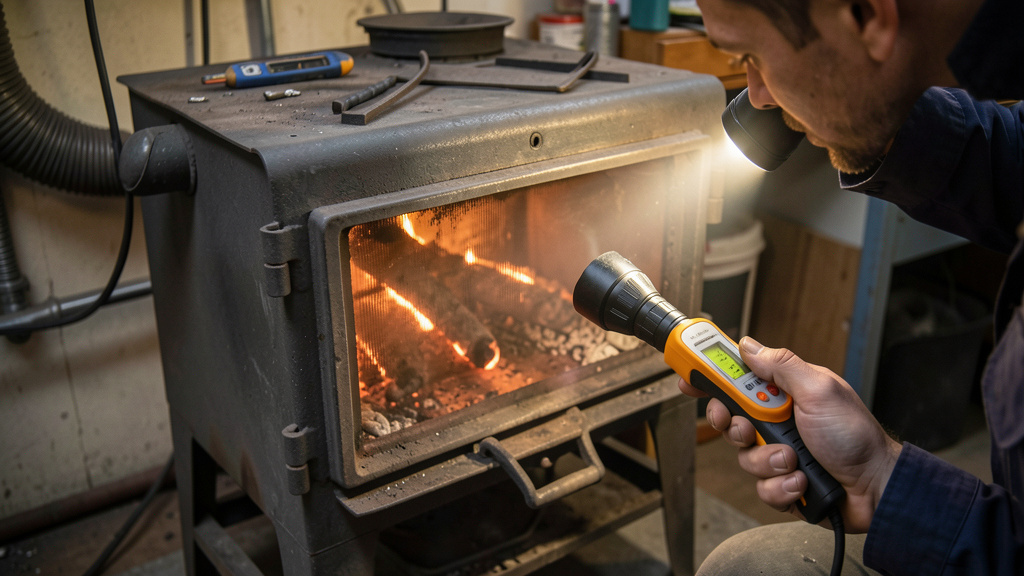
Stop shivering in the cold or sweating in the heat. This comprehensive guide walks you through every possible reason your HVAC system isn’t heating or cooling—and exactly how to fix it, safely and efficiently.
When your home’s temperature control fails, discomfort and concern are natural reactions. Before reaching for the phone to schedule an emergency service call, take a moment to observe. Many HVAC performance issues stem from straightforward causes identifiable through careful, methodical checks. This guide provides a structured approach to help you gather meaningful observations—whether to resolve the situation immediately or to communicate precisely with a qualified professional. Understanding your system’s signals empowers informed decisions while prioritizing safety and avoiding unnecessary expenses.
Introduction
Picture a chilly evening when the thermostat reads 68°F, yet the air from the vents feels barely warm. Or a humid afternoon where the air conditioner runs continuously while indoor temperatures climb. In these moments, frustration is understandable. However, rushing to assume catastrophic failure often overlooks simple, correctable causes. Your HVAC system communicates through behavior: airflow patterns, operational sounds, error indicators, and performance changes. Learning to interpret these cues builds confidence and context.
HVAC systems function as integrated mechanical ecosystems where thermodynamics, airflow dynamics, electrical controls, and (in some cases) combustion processes interact continuously. Failures rarely occur in isolation. A restricted air filter increases strain on the blower motor, which may trigger a high-limit safety switch, halting the heating cycle. Similarly, reduced airflow across an evaporator coil can cause freezing, mimicking compressor failure. Recognizing these interdependencies is essential to accurate diagnosis. This guide moves beyond fragmented checklists. Instead, it introduces a diagnostic framework grounded in observable system behavior and widely documented service patterns. The objective is not to replace licensed professionals but to equip you with clear, actionable insights—ensuring safety, reducing uncertainty, and fostering productive collaboration when expert assistance is needed. Your role is that of an informed observer: documenting what you see, hear, and measure to support the next best step.
The HVAC Diagnostic Triad: Control, Airflow, Energy
Every heating or cooling performance issue traces back to a disruption in one of three foundational areas: Control signals, Airflow integrity, or Energy transfer. This triad forms a logical, safety-conscious diagnostic pathway used across the industry to isolate root causes efficiently. Visualize the system holistically: the control components (thermostat, sensors, circuit board) act as the command center; the airflow pathway (blower, ducts, filters) functions as the circulatory system; the energy transfer components (heat exchanger, evaporator coil, compressor) serve as the thermal engine. When one pillar falters, system-wide effects follow. Adopting this structured lens replaces guesswork with evidence-based reasoning. As you progress through each stage, document observations clearly—a simple note like “Thermostat set to heat at 72°F. Blower runs. No warm air. Filter heavily soiled” provides critical context for yourself or a technician. This disciplined method honors both your capability and your safety boundaries, creating a bridge between initial concern and effective resolution.
Step 1: Control System Verification (The “Brain” Check)
The control system initiates and regulates every HVAC operation. Failures here are common and often mistaken for major mechanical faults. Begin with these accessible, low-risk checks:
- Thermostat Power & Settings:
- For battery-operated units: Replace batteries immediately, even if the display appears active. Weak power causes erratic signaling.
- For hardwired units: Locate the HVAC-dedicated circuit breaker (labeled “FURNACE,” “AIR HANDLER,” or “AC”). Confirm it is fully ON. If tripped, switch firmly to OFF, wait 10 seconds, then restore to ON. If it trips again immediately, cease attempts and contact a qualified electrician or HVAC technician.
- Verify mode selection: “HEAT” for warmth, “COOL” for refrigeration. Ensure fan setting is “AUTO” (fan runs only during heating/cooling cycles), not “ON” (continuous fan regardless of temperature).
-
Adjust the setpoint deliberately: For heating issues, raise the temperature 5–10°F above current room temperature. For cooling, lower it 5–10°F below. Wait 2–3 minutes. Listen for a soft click at the thermostat and a louder clunk near the indoor unit—indicating signal receipt and sequence initiation.
-
Wiring & Connections (Power OFF First):
- Turn OFF power at the breaker and the unit’s emergency switch (typically a red button near the furnace/air handler).
- Gently remove the thermostat faceplate. Inspect wire terminals (R, C, W, Y, G). Are connections tight? Free of corrosion or fraying? Note wire positions with a photo before touching anything. Check for signs of pest activity (chewed wires, nesting debris).
-
Optional diagnostic step (for those comfortable with basic electrical safety): With power still OFF, disconnect the R (power) and W (heat) wires. Twist their bare ends together securely. Restore power. If the furnace initiates heating, the thermostat or its wiring is likely faulty. If nothing occurs, the issue lies deeper in the system. Always restore power only after connections are secure. Never handle bare wires with power ON.
-
Common Control Pitfalls:
- Smart thermostats may freeze due to Wi-Fi disconnection—restart the device or app.
- Heat pumps in “Emergency Heat” mode bypass the primary compressor; verify mode selection aligns with current needs.
- Error codes (flashing lights, E1/E2 displays) are system-specific. Locate your unit’s model number and consult the manufacturer’s documentation or website for precise meaning. Document the exact pattern (e.g., “three short flashes, pause, repeat”) to share with a technician.
Decision Point: If the thermostat shows no response after battery/breaker checks and wiring inspection appears sound, proceed to Step 2 (Airflow). If you observe sparks, burning smells, or repeated breaker trips, stop and contact a professional.
Step 2: Airflow Integrity Assessment (The “Lungs” Check)
Restricted airflow is a leading contributor to reduced performance and component stress. This step requires physical inspection but remains safe when performed cautiously.
- Return Air Pathway:
- Remove the return air grille. Place your hand 6 inches from the opening. Do you feel consistent, strong suction? Weak pull suggests obstruction.
- Extract the air filter. Hold it toward a bright light. If light does not pass through the media, replace it immediately with the exact size specified on the frame (e.g., 20x25x1). Never operate the system without a filter—debris will coat internal components, causing costly damage.
-
With the filter cavity open, use a flashlight to inspect the duct interior for collapsed flexible ducting, debris buildup, or signs of nesting. Gently vacuum accessible areas.
-
Supply Vents & Ductwork:
- Ensure all supply registers in the affected zone are fully open (handle parallel to duct direction). Confirm no furniture, rugs, or curtains block airflow.
- Place your hand near multiple vents. Is airflow strong and consistent? Weak flow at one vent suggests a localized damper issue or blockage. Weak flow across multiple vents indicates a systemic problem (blower issue, major duct leak, or severe filter restriction).
-
In multi-level homes, note significant differences between floors—a clue to duct imbalance exacerbated by airflow resistance.
-
Indoor Unit Inspection (Power OFF First):
- Turn OFF power at the breaker and emergency switch. Remove the service panel (typically secured by thumbscrews).
- Locate the evaporator coil (resembles a car radiator) and blower wheel (squirrel-cage fan). Shine a flashlight:
- Is the coil coated in dust, ice, or debris? Do not attempt cleaning—delicate fins are easily damaged. Note condition for a technician.
- Are blower blades heavily dusted? Document but avoid internal cleaning.
-
Restore power. Call for heat or cool from the thermostat. Listen: Does the blower start smoothly? Or groan, hesitate, or emit a burning odor? These suggest motor capacitor issues or bearing wear requiring professional attention.
-
Quantitative Check (ΔT Measurement):
- Place one thermometer in a supply vent, another near the return grille. After 10 minutes of operation:
- Cooling mode: Expected temperature drop = 14–20°F
- Gas heating mode: Expected rise = 30–60°F (varies by unit efficiency)
- A reading outside these ranges confirms airflow restriction or refrigerant issues. Document the values—they are highly valuable for technicians.
Decision Point: If airflow is visibly restricted (clogged filter, blocked vents) or ΔT is abnormal, replace the filter, clear obstructions, and retest after 15 minutes. If airflow appears adequate but ΔT remains abnormal, proceed to Step 3. If ice is present on coils or refrigerant lines, turn the system OFF and allow 4–6 hours for complete thawing before further assessment.
Step 3: Energy Transfer Evaluation (The “Heart” Check)
This stage focuses on observing thermodynamic processes—without opening combustion chambers, gas valves, or refrigerant lines. Safety is paramount. Never bypass safety switches or handle refrigerant.
- Gas Furnace Observation (View Through Inspection Window Only):
- Restore power. Call for heat. Watch the ignition sequence:
- Inducer motor starts (small fan pulling combustion gases)
- Pressure switch clicks (verifying venting)
- Igniter glows red-hot (or sparks)
- Gas valve opens with a soft whoosh; burners ignite with steady blue flames (minimal yellow tips)
- STOP IMMEDIATELY AND CONTACT A PROFESSIONAL IF YOU OBSERVE:
- Delayed ignition (multiple attempts followed by a loud “poof”)
- Yellow/orange flames (indicates incomplete combustion; potential carbon monoxide risk)
- Soot buildup around burners
- Rotten egg smell (gas leak—EVACUATE and call 911)
-
If burners ignite but shut off after 15–60 seconds, a dirty flame sensor is a common cause. If the inducer runs but burners never attempt ignition, check the exterior vent pipe for blockage (snow, nests, debris).
-
Air Conditioner / Heat Pump Observation (Outdoor Unit):
- Is the condenser fan spinning? Place your hand near the top grille:
- Cooling mode: Should feel distinctly warm exhaust air
- Heat pump heating mode: Should feel cool exhaust air
- If the fan runs but exhaust temperature feels ambient, refrigerant or compressor issues may be present.
- If the fan does not spin but you hear loud humming/buzzing, the fan motor capacitor may be faulty.
-
Critical: If ice covers the large copper line (suction line) or outdoor coil, turn the system OFF at the thermostat. Ice indicates low airflow (revisit Step 2) or refrigerant issues. Allow 4–6 hours for complete melting before retesting. Running an iced system risks compressor damage.
-
Heat Pump Specifics:
- Understand the defrost cycle: In cold, humid weather, the system temporarily switches to cooling mode to melt outdoor coil ice. During this 1–10 minute cycle: outdoor fan stops, unit may hiss, and indoor vents may blow cooler air. This is normal.
- If defrost cycles occur excessively (e.g., every 10 minutes) or last abnormally long, the reversing valve or defrost control may need professional evaluation.
- Below ~35°F, heat pumps rely on auxiliary heat (electric resistance coils). Blowing air may feel less warm than a gas furnace but should still be warmer than room temperature. If air feels cold (below room temp) in heat mode at any temperature, seek professional assessment.
Decision Point: If you observe unsafe conditions (gas smell, yellow flames, electrical arcing), evacuate if necessary and contact emergency services or a licensed technician immediately. If symptoms align with capacitor failure (humming fan, no spin) or minor sensor issues, document precisely for a technician. Never attempt refrigerant handling, burner cleaning, or internal component repair.
The Fundamental Principle: HVAC behavior follows predictable physical laws. By progressing logically through Control → Airflow → Energy, each verified observation eliminates possibilities and clarifies the true cause—transforming uncertainty into actionable understanding.
Decoding Season-Specific Failure Patterns
HVAC systems encounter unique environmental stressors throughout the year. Recognizing seasonal context accelerates accurate diagnosis.
- Winter Challenges:
- Overheating from restricted airflow: As outdoor temperatures drop, furnaces run longer cycles. A marginally dirty filter that caused no issue in fall may now trigger repeated high-limit switch trips (“furnace cycles on/off rapidly”).
- Frozen condensate lines: High-efficiency furnaces produce condensation. If the drain line runs through an unheated space (garage, attic), freezing can block drainage, activating a safety float switch that shuts down the system. Check the PVC drain tube for steady drip during operation. If blocked, apply warm (not boiling) water externally to thaw the line.
-
Combustion air intake blockage: Snow or ice accumulation over the outdoor intake pipe (common in sidewall-vented systems) can cause shutdowns. Clear snow gently from all exterior vents.
-
Summer Challenges:
- Evaporator coil freezing: High humidity increases moisture load on the coil. Combined with even minor airflow restriction, this leads to ice buildup. Symptoms: “AC runs constantly but house feels muggy,” “water leaking near indoor unit.” Always verify filter condition and vent openness first.
- Outdoor unit obstruction: After storms or windy days, inspect the condenser for leaves, grass, or debris packed between fins. With power OFF, use a garden hose to gently flush debris from the inside out (never pressure wash—bent fins reduce efficiency). Maintain a 2-foot clear zone around the unit.
-
Capacity vs. malfunction: On extreme heat days (e.g., 100°F+), an appropriately sized system may maintain 78°F but struggle to reach 72°F. Compare current performance to historical behavior under similar conditions before assuming failure.
-
Heat Pump Considerations:
- Performance naturally declines as outdoor temperatures drop. Below the unit’s effective range (typically 25–35°F), auxiliary heat engages. This is normal operation, not a fault.
-
Excessive defrost cycling in freezing rain or high humidity may indicate sensor issues. Document outdoor temperature alongside symptom frequency.
-
Seasonal Transitions:
- Spring startup often reveals capacitor weaknesses developed during winter dormancy.
- Fall startup may expose blower issues masked by shorter cooling cycles.
- Maintain a simple log: date, outdoor temperature, symptom description, actions taken, outcome. Patterns (e.g., failures only during high humidity or prolonged runtime) provide invaluable context for professionals.
Adaptive Insight: Seasons don’t create failures—they expose underlying vulnerabilities. Your awareness of these patterns shifts diagnosis from reactive to proactive.
Emergency Protocols: Safety First, Always
When HVAC failure coincides with extreme weather, prioritize human safety over equipment concerns.
- Extreme Cold (<32°F):
- Relocate vulnerable individuals (infants, elderly, those with medical conditions) to the warmest interior room.
- Use UL-listed space heaters placed ≥3 feet from combustibles. Never use unvented propane/kerosene heaters, ovens, or stoves for heating—carbon monoxide (CO) poisoning is silent and fatal.
- Run hot water in an interior bathroom to create temporary warmth. Close unused room doors.
-
If hypothermia signs appear (intense shivering, confusion, slurred speech), seek medical help immediately.
-
Extreme Heat (>95°F with high humidity):
- Move to the coolest interior space (basement, windowless room).
- Apply damp cloths to neck, wrists, and forehead. Drink water consistently.
- Use battery-powered fans for air movement. Close curtains on sun-facing windows.
-
If heat exhaustion symptoms occur (dizziness, nausea, headache), seek a cooling center or medical assistance.
-
Critical Hazards Requiring Immediate Action:
- Gas smell (rotten egg odor), hissing near gas lines, soot around appliances: EVACUATE everyone. Do not operate light switches, phones, or garage doors (sparks can ignite gas). Call 911 and your gas company from a safe location outside.
- Burning smell from vents, sparks at unit, breaker trips repeatedly: Turn OFF power at the main electrical panel. Do not touch the unit. Contact a licensed electrician.
-
Water pooling near electrical components: Shut off power before investigating to prevent shock risk.
-
Preparedness Steps:
- Install battery-backed CO detectors on every level and near sleeping areas; test monthly.
- Create an emergency kit: spare air filters, flashlight, contact list (HVAC company, utility emergency line), battery-powered fan, thermal blankets.
- Program thermostat to “Fan ON” during outages to circulate existing air.
- Know your utility’s emergency line and have 2–3 reputable HVAC companies saved. When calling, state facts clearly: “No heat since 6 AM. Outdoor temp 18°F. Thermostat set to 70°F heat. Breaker reset once but tripped again. No gas smell.” This concise briefing ensures appropriate prioritization.
Core Reminder: Your safety and your family’s well-being always outweigh equipment preservation. If uncertainty exists, stop and contact a professional. Reputable companies maintain 24/7 emergency lines for genuine crises (no heat in sub-freezing temps, gas smells, electrical hazards).
Preventative Maintenance: Building System Resilience
Consistent, simple habits significantly reduce the likelihood of unexpected failures while improving efficiency and indoor air quality.
- Air Filter Management (Most Critical Task):
- Standard 1-inch fiberglass: Replace every 30 days
- Pleated 1-inch: Replace every 60–90 days
- 4–5 inch media filters: Replace every 6–12 months
-
Adjust for conditions: Homes with pets, smokers, construction activity, or high occupancy may require more frequent changes. Mark replacement dates on a calendar. Keep spare filters visible near the return grille. During changes, vacuum dust around the grille and ensure duct connections are secure.
-
Quarterly Checks:
- Verify thermostat calibration: Place an accurate thermometer beside it. After 15 minutes, a discrepancy >2°F warrants recalibration or replacement.
-
Test safety features (if accessible per manufacturer guidelines): For furnaces, locate the flame rollout switch reset button—press gently to confirm it clicks. Do not repeatedly reset a tripped switch; this indicates a serious issue requiring professional attention.
-
Annual Pre-Season Inspections:
- Outdoor units (AC/heat pump): Clear a 2-foot debris-free zone. Trim vegetation. Gently straighten bent coil fins with a fin comb. Check the pad for levelness.
- Indoor units: Pour 1 cup of vinegar or diluted bleach down the condensate drain port to prevent algae clogs. Ensure the drain pan is dry. Listen for unusual startup noises.
-
Professional maintenance: Schedule biannually—spring for cooling systems, fall for heating systems. A qualified technician will: inspect heat exchanger integrity (via camera), measure refrigerant charge, clean burners/igniters, check electrical connections, verify gas pressure, lubricate motors (if applicable), and calibrate controls. Request a written summary. This investment often prevents major failures and maintains warranty validity.
-
Strategic Upgrades:
- Install a smart thermostat with filter change alerts and system diagnostics (confirm C-wire compatibility first).
- Seal accessible duct joints with mastic paste (not duct tape, which degrades quickly).
- Add shading for outdoor units in hot climates (ensure ≥2 feet clearance for airflow).
- Track utility bills season-over-season; unexplained spikes may signal declining efficiency.
Adaptive Approach: Maintenance isn’t about perfection—it’s consistent attention. Filter changes adjusted for pet dander, clearing snow from outdoor units before storms, or scheduling professional checks before peak seasons all build resilience. Document all service dates, findings, and parts replaced to track system health over time.
Navigating Professional Repair: From Diagnosis to Resolution
Many issues require licensed expertise—refrigerant handling, gas component work, electrical repairs, or heat exchanger assessment. Your preparation directly influences repair quality and trust.
- Pre-Emergency Vetting:
-
Identify reputable companies before a crisis. Look for: NATE-certified technicians, EPA Section 608 certification (for refrigerant work), valid state licensing, insurance verification, and transparent pricing structures. Review testimonials focusing on diagnostic thoroughness.
-
During Service Requests:
- Describe symptoms using your Diagnostic Triad notes: “Control verified: thermostat functional, wiring secure. Airflow checked: new filter installed, vents open, ΔT measured at 8°F on AC. Energy observation: outdoor fan hums but doesn’t spin, suction line was frosted.” This demonstrates informed observation and discourages unnecessary upsells.
- Confirm diagnostic fee amount ($75–$150 is typical) and whether it applies toward repair costs.
-
Request a written estimate for any proposed repair.
-
During the Technician Visit:
- Observe their process: Do they follow a logical diagnostic sequence? Do they show you the faulty component (e.g., “This capacitor reads 3μF; specification is 45μF”)? Do they explain the root cause (e.g., “Restricted airflow overheated this limit switch”)?
- Ask clarifying questions:
- “What is the root cause of this failure?”
- “How does this repair address the underlying issue?”
- “What is the expected lifespan of the repaired component?”
- “Is there a warranty on parts and labor?”
-
Red flags: Pressure to replace the entire system without diagnostics, vague explanations (“the board is bad”), refusal to show failed parts, or quotes significantly below market rate (may indicate substandard parts or skipped steps).
-
Understanding Common Scenarios:
- Low refrigerant: Always indicates a leak. Reputable technicians will locate and repair the leak before recharging (required by EPA regulations). Avoid companies offering simple “top-offs.”
- Cracked heat exchanger: Requires professional diagnosis via camera scope or combustion analysis. Repair is unsafe; replacement is mandatory. Given typical costs ($1,500+), evaluate the furnace’s age—replacement is often prudent for units over 15 years old.
-
Multiple component failures: In older systems, repeated repairs may signal end-of-life. Request a second opinion for repairs exceeding 50% of a new system’s cost.
-
Post-Repair Documentation:
- Obtain a detailed invoice: work performed, parts replaced (with model numbers), refrigerant added (type and amount), performance metrics (if measured), and warranty terms. Update your maintenance log. This history supports future decisions and warranty claims.
Collaborative Mindset: Your role is to provide precise observational context. The technician’s role is expert diagnosis and repair. This respectful partnership ensures efficient, trustworthy resolution.
Cost Transparency: Understanding Repair Economics
HVAC repair costs vary based on geography, system age, component criticality, and labor rates. Understanding cost structure supports informed decisions.
- Cost Components:
- Diagnostic fee: Covers technician time, expertise, and tools to isolate the issue ($75–$200). Reputable companies apply this toward repair costs if you proceed.
- Parts: Pricing reflects quality and availability. OEM (Original Equipment Manufacturer) parts cost more than generics but ensure compatibility and warranty compliance.
-
Labor: Rates ($80–$150/hour) reflect technician certification, company overhead, and urgency (after-hours premiums apply).
-
Typical Repair Scenarios (Illustrative Ranges):
- Thermostat replacement: $150–$400
- Capacitor replacement (fan/compressor): $150–$350
- Flame sensor cleaning/replacement: $100–$250
- Condensate drain unclogging: $75–$200
- Refrigerant recharge with leak repair: $300–$1,000+
- Blower motor replacement: $400–$1,200
- Heat exchanger replacement: $1,500–$3,500+ (often signals furnace replacement)
-
Compressor replacement: $1,200–$2,500+ (evaluate system age; replacement may be wiser for units >10 years old)
-
Decision Framework:
- Calculate a repair threshold: (Repair Cost) ÷ (System Age in Years). If the result exceeds $150–$200, replacement warrants serious consideration. Example: $1,800 repair on a 12-year-old system = $150/year (borderline); same repair on an 8-year-old system = $225/year (more justifiable).
- Request multiple quotes for repairs >$500. Ask: “What is the expected remaining lifespan post-repair?” “What efficiency gains would a new system provide?” “Are rebates or financing available?”
- Prioritize safety-critical repairs (gas leaks, electrical hazards) immediately. Defer non-urgent fixes if safe.
- Beware of pressure tactics (“This will fail again next month” without evidence). Reputable companies allow time for decisions. Third-party financing (e.g., Ally, Wells Fargo) often offers 0% APR options for qualified buyers.
Value Focus: The lowest quote isn’t always the best value. A thorough diagnosis addressing root causes prevents repeat failures. Investing in quality parts and skilled labor often yields greater long-term savings and reliability.
Your Questions, Answered
Q: My thermostat screen is blank. Is this a thermostat failure or something else?
A: A blank screen usually indicates power interruption. First, check the HVAC circuit breaker. Next, locate the furnace/air handler and confirm its dedicated power switch (looks like a light switch) is ON. For battery-powered thermostats, replace batteries. For hardwired units, a tripped low-voltage fuse (typically a 3-amp automotive-style fuse on the control board inside the furnace) is common—visible only after removing the service panel with power OFF. Verify system power sources before assuming thermostat failure.
Q: The outdoor AC unit is covered in ice. Should I chip it off?
A: Never chip or scrape ice—it can damage coil fins or refrigerant lines. Turn the system OFF at the thermostat. Set the fan to “ON” to circulate warm air and accelerate melting (may take 4–12 hours). Once completely dry, replace the air filter, ensure all supply vents are open, and restart. If icing recurs quickly, the cause is likely low refrigerant (requiring leak detection) or a metering device issue—contact a technician. Persistent icing after confirming good airflow strongly suggests a refrigerant problem.
Q: Why does my furnace make a loud “bang” when it starts?
A: This “delayed ignition” occurs when gas accumulates before igniting, often due to dirty burners, a weak igniter, or improper gas pressure. This is a serious safety concern—it stresses the heat exchanger and risks carbon monoxide release. Turn the system OFF immediately. Do not attempt burner cleaning. Contact a qualified HVAC technician for burner inspection, igniter evaluation, and combustion analysis. Do not operate the furnace until repaired.
Q: Can I use a hairdryer to thaw a frozen heat pump in winter?
A: No. Direct, intense heat can cause thermal shock to refrigerant lines or coils. During normal defrost cycles, the system automatically reverses to melt ice. If the unit remains heavily iced beyond typical cycle duration, turn it OFF and switch to “Emergency Heat” mode (if available) to maintain warmth while contacting a technician. Forcing defrost manually risks compressor damage. Patience and professional assessment are essential.
Q: My AC runs constantly but the house won’t cool below 80°F. Is the refrigerant low?
A: Not necessarily. Restricted airflow (dirty filter, blocked condenser coil) is equally common. First, verify airflow: replace the filter, clear outdoor unit debris, ensure all vents are open. Measure the temperature drop (supply vent vs. return grille)—it should be 14–20°F. If ΔT is low and airflow is confirmed adequate, refrigerant levels or compressor function may be factors. Remember: refrigerant doesn’t “get used up”; low levels indicate a leak requiring professional detection and repair. Avoid companies offering simple “top-offs” without leak diagnosis.
Q: How do I know if my heat exchanger is cracked?
A: Cracked heat exchangers pose carbon monoxide risks and require professional diagnosis. Symptoms may include: flickering or yellow burner flames (vs. steady blue), soot buildup, unusual odors, water pooling under the unit, or repeated CO detector alarms. Do not attempt visual inspection yourself. Technicians use combustion analyzers, camera scopes, and pressure tests. If confirmed, replacement is mandatory. Given the cost and safety implications, evaluate the furnace’s age; replacement is often prudent for units over 15 years old.
Q: Is it safe to reset a tripped breaker for my AC multiple times?
A: No. A tripped breaker indicates an electrical overload or fault. Resetting once after a brief cooldown is acceptable. If it trips again immediately (or within minutes), STOP. Repeated resetting risks fire, component destruction, or electrical shock. Common causes include a seized compressor, shorted fan motor, or wiring fault. Turn the system OFF at the thermostat and disconnect box. Contact an HVAC technician or electrician. Document how quickly it trips—this aids diagnosis.
Q: Why does my system blow cold air when I set it to heat?
A: Multiple causes exist. For gas furnaces: thermostat set to “ON” instead of “AUTO” (blowing residual cool air), faulty igniter, or dirty flame sensor causing burners to shut off while the blower runs. For heat pumps: brief cool air during defrost cycles (1–10 minutes) is normal. If persistent, the reversing valve may be stuck, or auxiliary heat strips aren’t engaging. Verify thermostat settings first. If burners ignite but shut off quickly, a dirty flame sensor is likely. If no ignition occurs, professional diagnosis is needed.
Q: Can a dirty air filter really cause my AC to stop cooling?
A: Yes—it is a leading preventable cause. A clogged filter restricts airflow over the evaporator coil. Without sufficient warm air passing over it, the coil temperature drops below freezing, causing moisture to form ice. Ice acts as insulation, blocking heat absorption entirely. The system runs but produces little to no cooling, and melted ice may cause water leaks. Replace the filter immediately, turn the system OFF to allow complete thawing (6+ hours), then restart. If cooling doesn’t return after thawing and filter replacement, other issues exist—but the filter was likely the initial trigger.
Q: What does an “Error Code” like E1, E2, or Flashing Light mean?
A: Error codes are manufacturer and model-specific. Locate the model number on your unit’s rating plate (inside service panel or on outdoor unit). Search “[Brand] [Model] error code [Code]” online—manufacturers publish code definitions. Common patterns: single flash often = ignition failure; continuous flash = limit switch open; specific codes (E1) = flame rollout switch tripped. Never ignore error codes. Document the exact pattern (e.g., “three short flashes, pause, repeat”) and share it with your technician—it significantly accelerates diagnosis. Consult the unit’s wiring diagram (usually inside the service panel) for code references.
Q: Should I replace my 15-year-old furnace that needs a $600 repair?
A: Evaluate using context: Multiply the unit’s age (15) by repair cost ($600) = $9,000. If this exceeds $5,000, replacement often makes economic sense long-term. Additionally, modern furnaces (95%+ AFUE) are significantly more efficient than older models (70–80% AFUE), potentially reducing heating bills by 15–30%. Factor in repair frequency (multiple repairs in one year signal decline), available rebates (check DSIRE database), and comfort improvements (variable-speed blowers, quieter operation). Get quotes for both repair and replacement. For a single $600 repair on an otherwise reliable 15-year-old unit with no other issues, repair may suffice—but budget for eventual replacement.
Q: Is it worth installing a smart thermostat to prevent future issues?
A: Yes, for multiple reasons beyond convenience. Quality smart thermostats (Ecobee, Nest, Honeywell Home) provide: maintenance alerts (filter change reminders based on runtime), system diagnostics (notifying short-cycling or failure to reach setpoint), remote monitoring, and usage reports highlighting efficiency changes. While not a diagnostic tool itself, it provides data patterns that help identify emerging problems early. Ensure compatibility with your system (check C-wire requirement) before purchasing. The investment often pays for itself through energy savings and avoided emergency repairs.
Conclusion and Next Step
Restoring comfort after an HVAC performance issue isn’t about technical mastery—it’s about methodical observation, informed action, and clear boundaries. You now have a reliable framework: verify Control signals precisely, assess Airflow integrity thoroughly, and evaluate Energy transfer symptoms with safety as your guide. This triad transforms uncertainty into purposeful steps, whether you resolve the issue with a filter change or equip yourself to partner effectively with a professional. Remember the three enduring pillars of HVAC stewardship: prioritize safety above all, document observations meticulously, and respect the boundary between homeowner capability and licensed expertise. These principles protect your home, health, and peace of mind far beyond a single event.
Recap: Resolution begins with thermostat and power verification (Control), moves to filter and airflow assessment (Airflow), and culminates in observing system behavior to identify energy transfer symptoms (Energy). Seasonal patterns provide critical context, preventative habits build long-term resilience, and preparedness ensures professional interactions are collaborative and efficient. Cost transparency and clear emergency protocols empower confident decision-making when stakes are highest.
The 24-Hour Rule: Within the next 24 hours, spend just seven minutes on three actionable steps:
1. Locate your home’s HVAC circuit breaker and label it clearly with a waterproof tag.
2. Find your furnace or air handler, identify the emergency shut-off switch (usually a red button or switch nearby), and ensure it’s accessible—not blocked by stored items.
3. Check your air filter. If you cannot recall the last replacement date, replace it today.
These micro-actions create immediate safety awareness and system readiness, turning knowledge into tangible preparedness. No tools required. Minimal cost. Maximum peace of mind.
The Big Picture: Your HVAC system is more than machinery—it sustains your home’s comfort, air quality, and sanctuary. Approaching it with curiosity rather than fear cultivates a relationship of respect and understanding. Each documented observation, each maintained component, each informed decision strengthens your household’s resilience. You join countless homeowners who’ve moved from vulnerability to capability—not by memorizing technical manuals, but by mastering a logical, compassionate process. When the next temperature challenge arises—and it will—you’ll respond with calm clarity. You’ll know exactly where to look, what to document, and when to seek help. That confidence is the ultimate comfort, far exceeding the warmth of a furnace or the chill of an air conditioner. It’s the quiet assurance that you are equipped, informed, and in control.
Explore Our Complete System:
The Homeowner’s Guide to HVAC Maintenance Schedules | Understanding SEER and AFUE Ratings: Decoding Efficiency Labels | Furnace Filter Replacement: A Visual Guide for Every Type and Climate | Heat Pump vs. Furnace: Choosing the Right Heating System for Your Region | Duct Sealing 101: Boost Comfort and Slash Energy Bills | Smart Thermostat Setup: Maximizing Savings and System Longevity | Emergency HVAC Preparedness: Building Your Home’s Resilience Kit