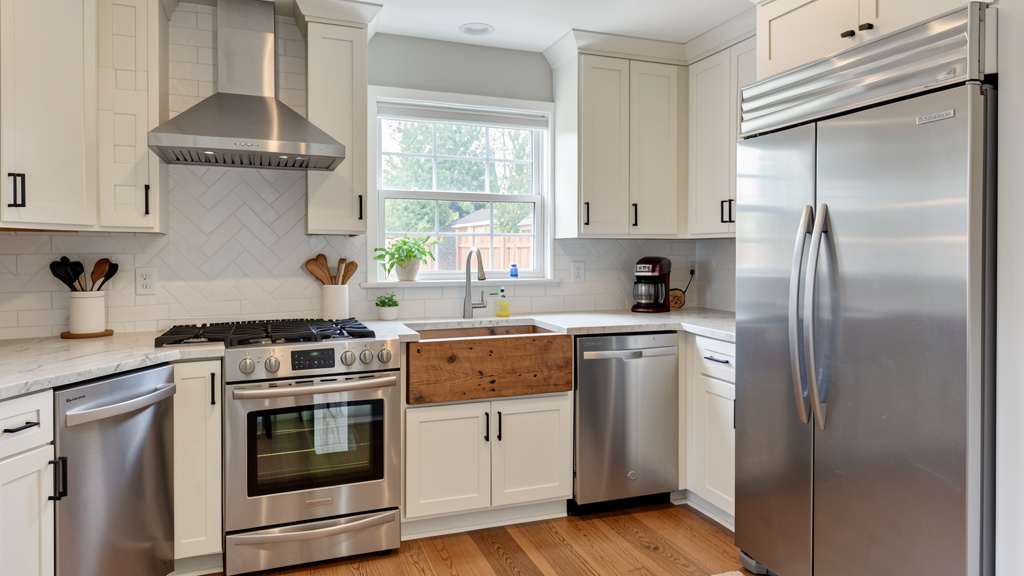
Your comprehensive guide to selecting, adapting, and personalizing the perfect kitchen style for your home, lifestyle, and budget—with practical strategies for every scenario.
Choosing a kitchen style feels overwhelming because it’s rarely just about aesthetics. It’s about honoring your home’s architecture while accommodating how you actually live—whether you’re meal-prepping for a family of five, hosting weekend brunches, or craving a serene space to unwind after work. This guide moves beyond superficial inspiration boards to deliver an actionable framework for identifying the style that aligns with your home’s bones, your daily rituals, and your emotional connection to space. Drawing on architectural history, material science, spatial psychology, and documented adaptation strategies, this resource empowers confident, lasting decisions grounded in real-world application.
Introduction
Kitchens have transformed from hidden service zones into the emotional and functional heart of the home—a shift reflected in how deeply style choices now impact daily life. Historical analysis of residential architecture reveals a clear pattern: the most enduring kitchens aren’t those that rigidly adhere to a single trend, but those that thoughtfully bridge context, utility, and personal expression. When Victorian-era homes featured separate sculleries, style was secondary to function. Today, with open-concept living dominating renovations and new builds, the kitchen’s visual language sets the tone for entire living areas. This evolution demands a more intentional approach. Homeowners who invest time understanding the why behind design elements—why Shaker cabinets endure, why industrial materials resonate in lofts, why coastal palettes soothe—often find their choices feel authentic years later. This guide synthesizes architectural history, material science, spatial psychology, and documented adaptation strategies to move you from style confusion to clarity. Whether you reside in a century-old craftsman, a 1980s suburban ranch, or a new-construction home, this framework meets you where you are.
The Kitchen Style Selection Matrix: Your Decision-Making Framework
Forget scrolling endlessly through inspiration images. True style alignment emerges from the intersection of three non-negotiable axes. This matrix, refined through extensive analysis of kitchen design outcomes across diverse home types and lifestyles, provides objective criteria to cut through subjective overwhelm. Print this section. Grab a notebook. Rate your priorities on each axis from 1 (low) to 10 (critical). Your highest scores reveal your authentic style path.
Axis 1: Architectural Harmony – Does the Style Respect Your Home’s Story?
Your kitchen shouldn’t feel like a showroom dropped into a historical context. Architectural dissonance creates subconscious unease. A stark ultra-modern kitchen in a 1920s Tudor revival home, for instance, often feels jarring unless meticulously integrated. Conversely, forcing heavy traditional moldings into a minimalist loft wastes valuable square footage and contradicts the building’s intent.
- How to Assess: Stand outside your home. What era does it represent? Examine key features: window shapes (arched vs. square), rooflines (steep pitch vs. flat), exterior materials (brick, clapboard, stucco), and interior bones (exposed beams, crown molding, ceiling height). A Queen Anne Victorian thrives with ornate details; a mid-century ranch breathes with clean lines and organic integration. This isn’t about strict period replication—it’s about dialogue. A contemporary kitchen in a historic home can succeed by echoing original wood tones, preserving a salvaged mantel as a focal point, or using period-appropriate hardware finishes on modern cabinetry.
- Critical Nuance: “Respect” doesn’t mean “replicate.” In a 1950s ranch with low ceilings and small windows, a transitional style (blending traditional warmth with contemporary simplicity) often works better than strict mid-century modern, which might emphasize the room’s constraints. The goal is visual continuity that feels intentional, not accidental.
- Common Pitfall: Ignoring flow to adjacent rooms. If your dining room has wainscoting and your living room features Craftsman-style built-ins, a kitchen with glossy lacquered cabinets and chrome accents will create a visual cliff. Carry one unifying element—like wood species, a color accent, or hardware finish—through connected spaces.
Axis 2: Lifestyle Function – Does the Style Support How You Actually Live?
Style must serve substance. A high-gloss ultra-modern kitchen with handle-less cabinets and seamless surfaces looks stunning in magazines but becomes frustrating if you have young children who leave sticky fingerprints hourly. A rustic kitchen with open shelving and a massive farmhouse sink is dreamy for bakers but impractical if you lack storage for bulky appliances or dislike constant dusting.
- How to Assess: Track your kitchen activity for three days. Note: How many people cook simultaneously? Where do groceries get unpacked? Where do kids do homework? Where does mail pile up? Do you entertain formally or casually? Do you need a dedicated coffee station? A hidden appliance garage? A durable surface for crafting? Your answers dictate functional non-negotiables. A family that bakes daily needs deep drawers for sheet pans and accessible flour/sugar storage—farmhouse or traditional styles often accommodate this better than ultra-minimalist layouts where every item must be hidden perfectly. A couple who rarely cooks but loves hosting wine tastings prioritizes open counter space, integrated beverage centers, and ambient lighting—contemporary or industrial styles excel here.
- Critical Nuance: Distinguish between aspirational and actual lifestyle. Wanting a minimalist kitchen because it looks serene is valid, but if your reality involves three kids, sports gear, and meal-prepping Sundays, forcing minimalism creates daily friction. Adapt the style: choose a transitional kitchen with clean-lined cabinets but include a discreet “command center” nook for schedules and keys, or use textured matte finishes that hide smudges better than high-gloss.
- Common Pitfall: Prioritizing aesthetics over workflow. The “work triangle” (sink-stove-fridge) remains foundational. A stunning island with a waterfall edge is useless if it blocks the path between stove and sink. Ensure your chosen style’s typical layout (e.g., galley for modern, U-shaped for traditional) aligns with your space and habits.
Axis 3: Personal Aesthetic Resonance – Does the Style Evoke the Feeling You Crave?
This is the emotional core. Close your eyes. When you imagine your ideal kitchen, what feeling arises? Calm? Energized? Nostalgic? Welcoming? Cozy? Sophisticated? Your visceral reaction matters more than trend reports. A coastal kitchen’s light, airy palette induces calm; an industrial kitchen’s raw textures feel energizing and authentic; a traditional kitchen’s symmetry provides comforting order.
- How to Assess: Create a private mood board (digital or physical). Don’t label images “kitchen.” Collect any images that evoke your desired feeling: a forest path (earthy, rustic), a sleek watch (modern, precise), a sun-bleached beach house (coastal, serene), a vintage library (traditional, warm). Identify recurring colors, textures, light qualities, and materials. Do you consistently choose images with visible wood grain? You likely resonate with warmth and authenticity (rustic, farmhouse, craftsman). Are smooth surfaces, monochromatic schemes, and dramatic shadows recurring? You lean toward modern or ultra-modern. This bypasses style-name confusion and taps into your authentic preference.
- Critical Nuance: Aesthetic resonance can evolve. Someone who favored stark minimalism in their twenties might crave the warmth of wood and texture in their forties after starting a family. Honor your current emotional needs. A kitchen should feel like a sanctuary now, not a relic of a past self.
- Common Pitfall: Confusing trend with taste. That viral two-tone cabinet scheme might feel exciting today but could feel dated or emotionally disconnected in five years. Anchor choices in timeless elements (quality materials, proportion, light) and use trend-driven elements (paint color, backsplash tile, decor) as easily changeable accents.
The Fundamental Principle: Often, the most satisfying kitchens emerge not from chasing a single style label, but from the intentional, weighted intersection of your home’s architecture (Axis 1), your non-negotiable daily functions (Axis 2), and the emotional atmosphere you need to thrive (Axis 3). When these three axes align, style becomes a reflection of effortless authenticity.
Rustic Kitchens: Embracing Organic Imperfection
Rustic design isn’t about roughness for roughness’ sake; it’s a conscious celebration of nature’s irregularities and handcrafted heritage. Originating from European farmhouses and mountain lodges where materials were sourced directly from the land, rustic kitchens prioritize authenticity over perfection. Think of the warmth of a centuries-old Alpine chalet or a Provencal stone farmhouse—every nick, knot, and variation tells a story of use and time.
Defining Features & Materials: The soul of rustic lies in raw, unrefined materials. Reclaimed wood is paramount: for beams (real or faux for structural safety), ceiling planks, island bases, or open shelving. Look for wood with visible saw marks, wormholes, or weathered patina. Stone is equally essential—rough-hewn fieldstone for a fireplace surround or backsplash, soapstone countertops with a soft, matte finish that develops a unique patina, or honed slate flooring with natural cleft texture. Hardware is forged iron: blacksmith-style pulls, hammered handles, or simple leather straps. Lighting leans toward wrought iron chandeliers with candle-style bulbs or antler mounts (ethically sourced replicas are widely available). Avoid anything glossy, perfectly uniform, or machine-perfect.
Color Palette: Earth is the anchor. Think: warm whites (like unbleached linen), deep forest greens, charcoal grays pulled from stone, terracotta reds, and the rich browns of aged wood. Colors should feel derived from nature, not swatched from a paint chart. Walls are often textured plaster (venetian or lime wash) rather than flat paint, adding depth and shadow. Accents come from dried herbs in clay pots, woven baskets, or copper cookware that develops a living patina.
Why It Resonates: Rustic kitchens offer profound psychological comfort. In our hyper-digital, mass-produced world, the tactile imperfection of hand-hewn wood and rough stone provides grounding. It signals “slow living,” encouraging connection to food sources (a herb garden on the windowsill), craftsmanship, and heritage. It feels inherently welcoming and unpretentious—a space where a spilled glass of wine adds character, not catastrophe.
Adaptation Strategies for Modern Homes:
* In a New Build: Avoid “faux rustic” that feels staged. Instead, integrate elements: a single reclaimed wood beam across a vaulted ceiling, a soapstone countertop on the island paired with simpler shaker cabinets, or a stone accent wall behind the range. Source reclaimed materials from salvage yards for authenticity. Pair with modern appliances in stainless or integrated panels to balance old and new.
* In Small Spaces: Rustic can feel heavy. Counteract this with abundant natural light (maximize windows), lighter wood tones (whitewashed oak instead of dark walnut), and open shelving to create visual airiness. Use a rustic wood island base with a light quartz countertop. Keep upper cabinets minimal or eliminate them entirely in favor of open shelves with curated pottery.
* Budget-Friendly Path: Focus on high-impact, low-cost textures. Paint existing cabinets a warm white and add forged iron hardware. Install a faux stone veneer backsplash (real stone is heavy and expensive). Use peel-and-stick wood-look vinyl on a single accent wall or island front. Display collections of vintage cutting boards, woven baskets, or ceramic crocks for instant rustic charm without structural changes.
* Common Mistake to Avoid: Over-accessorizing. Rustic thrives on simplicity and purpose. Cluttering surfaces with too many “rustic” knick-knacks (fake antlers, excessive signs) feels costume-like. Curate thoughtfully: one beautiful wooden bowl, a bundle of dried lavender, a well-used cast-iron skillet displayed proudly.
Farmhouse Kitchens: Timeless Warmth and Function
Often conflated with rustic, farmhouse style is its more refined, purpose-built cousin. Born from American and European agricultural homes where the kitchen was the bustling hub of family and farm life, farmhouse design balances hearty functionality with gentle elegance. It’s less about raw wilderness and more about cultivated comfort—the feeling of a sun-drenched kitchen where bread is baked daily and neighbors stop by for coffee.
Defining Features & Materials: The apron-front (or “farmhouse”) sink is the undisputed icon—a deep, single-basin porcelain or fireclay sink that invites soaking pots and washing garden produce. Cabinetry favors Shaker-style doors (simple recessed panel) in painted finishes, most classically white or soft cream, though muted sage, navy, or gray are contemporary favorites. Open shelving is common, especially flanking the sink or stove, for displaying everyday dishes and cookbooks. Butcher block countertops (maple, walnut, or oak) are traditional on islands or prep areas, prized for their knife-friendly surface and warm patina. Flooring leans toward wide-plank hardwood (oak, pine) with a wire-brushed or hand-scraped finish, or classic black-and-white checkerboard tile. Lighting includes beadboard-paneled pendants, milk glass globes, or simple wrought iron fixtures.
Color Palette: Soft, sun-bleached, and inviting. Crisp whites and creamy ivories dominate cabinetry and walls, creating a bright, airy backdrop. Accent colors are muted and nature-inspired: sage green, dusty blue, butter yellow, or barn red used sparingly on an island, in textiles, or on open shelves. Wood tones are warm but not dark—think honey-colored oak floors or a light walnut island. The overall effect is clean, fresh, and perpetually welcoming.
Why It Resonates: Farmhouse style taps into a deep cultural longing for simplicity, community, and nourishment. It feels inherently lived-in and family-oriented without being chaotic. The open shelves encourage accessibility; the large sink handles real-life messes; the warm wood invites touch. It’s a style that says “gather here,” promoting connection over perfection. Its enduring popularity stems from this emotional accessibility—it feels achievable and comforting, not intimidatingly curated.
Adaptation Strategies for Modern Homes:
* In Open-Concept Living: Farmhouse excels here. Extend the wide-plank flooring throughout the connected living and dining areas. Use the same cabinet color or wood tone on built-ins in the living room for cohesion. A large farmhouse-style island with seating becomes the natural social anchor. Choose pendants over the island that complement living room lighting fixtures.
* Updating a Dated 90s Kitchen: This is a prime candidate for farmhouse transformation. Paint existing oak cabinets a soft white (properly prepped and primed!). Replace dated brass hardware with matte black or oil-rubbed bronze bin pulls. Swap out a laminate countertop for butcher block on the island and quartz (with subtle veining) on perimeter counters for durability. Install a new apron-front sink and a classic subway tile backsplash with dark grout for contrast. Update lighting to simple beadboard pendants.
* Small Kitchen Solution: Maximize the farmhouse feel without crowding. Paint everything (walls, cabinets, trim) in varying shades of white or cream to amplify light. Use open shelving instead of upper cabinets on one wall to create openness. Choose a compact apron-front sink. A small butcher block cart on wheels serves as a movable prep station and adds warmth. Floral or gingham textiles (curtains, tea towels) inject classic farmhouse charm without taking up space.
* Common Mistake to Avoid: Ignoring scale. Farmhouse elements need breathing room. A massive apron-front sink can overwhelm a tiny galley kitchen. In small spaces, choose a smaller-scale farmhouse sink or a classic undermount. Similarly, avoid overly large pendants that dominate a low ceiling. Proportion is key to avoiding a “dollhouse” or cramped effect.
Traditional Kitchens: Elegant Symmetry and Craftsmanship
Traditional kitchen design draws deeply from European architectural history—Georgian, Victorian, Federal, and French Provincial styles—emphasizing order, proportion, and refined detail. This is the style of grand estates and historic homes where craftsmanship was paramount. It’s not merely “old-fashioned”; it’s a deliberate celebration of symmetry, rich materials, and timeless elegance that conveys stability and heritage.
Defining Features & Materials: Cabinetry is the star, featuring raised-panel doors with intricate moldings, crown molding atop wall cabinets, and furniture-style details like turned legs on islands or applied pilasters (vertical columns) framing the range hood. Wood species are rich and warm: cherry, maple, or alder, often finished in medium to dark stains (walnut, espresso) or painted in classic whites and creams. Countertops favor natural stone: marble (for its veining and patina, despite maintenance needs), granite with dramatic movement, or honed limestone. Backsplashes are equally detailed—hand-painted ceramic tiles, intricate mosaic patterns, or classic marble slab. Flooring is typically hardwood (herringbone or parquet patterns add sophistication) or high-quality porcelain tile mimicking stone. Lighting is ornate: crystal chandeliers, scrolled brass sconces, or antique-inspired pendants with fabric shades.
Color Palette: Deeply rooted in history and nature. Warm whites and creams form the base. Accent colors are rich and saturated: forest green, burgundy, navy blue, or gold—often seen in upholstery (on a breakfast nook bench), drapery, or decorative tiles. Wood tones are prominent and warm. Metallic finishes lean toward antique brass, oil-rubbed bronze, or polished nickel for a touch of luminosity. The palette feels curated, layered, and intentionally harmonious.
Why It Resonates: Traditional kitchens offer psychological comfort through order and legacy. The symmetry provides visual calm; the rich materials convey quality and permanence; the detailed craftsmanship speaks to value and care. For homeowners in historic properties or those who cherish family heirlooms and antiques, this style creates a seamless backdrop that honors the past while functioning beautifully in the present. It feels established, dignified, and deeply personal—a space that tells a story of continuity.
Adaptation Strategies for Modern Homes:
* In a Historic Home Restoration: This is where traditional shines authentically. Research your home’s specific era. A Victorian home might call for Eastlake-style cabinetry details and bold tile patterns; a Georgian home demands strict symmetry and classical moldings. Work with preservation specialists to source period-appropriate hardware or replicate missing details. Integrate modern necessities discreetly: panel-ready appliances, under-cabinet lighting, and a hidden charging station within a custom furniture piece.
* Modernizing Traditional for Contemporary Life: Avoid making the space feel like a museum. Blend traditional cabinetry with contemporary countertops (a sleek quartz with subtle sparkle) and backsplash (large-format porcelain tile in a neutral tone). Choose a range hood with cleaner lines but traditional molding details. Update hardware to a simpler antique brass finish instead of overly ornate pulls. Incorporate open shelving with glass fronts to display curated collections without visual heaviness. Ensure ample task lighting is integrated seamlessly.
* Budget-Conscious Approach: Focus on high-impact details that read as “traditional.” Add crown molding to existing flat-front cabinets. Replace simple knobs with antique-style bin pulls or crystal knobs. Install a decorative range hood surround (even over a standard hood). Use wallpaper with a classic pattern (damask, toile) on a single accent wall or inside glass-front cabinets. A vintage Persian rug runner adds instant traditional warmth and texture underfoot.
* Common Mistake to Avoid: Creating a “theme room” that feels disconnected from the rest of the house. Traditional kitchens require commitment. If your living room is starkly modern, a highly ornate traditional kitchen will feel jarring. Seek bridges: carry a wood tone from the kitchen island into the dining table; use the same metallic finish (e.g., antique brass) in light fixtures throughout connected spaces; choose a neutral wall color that works in both areas.
Transitional Kitchens: The Best of Both Worlds
Transitional style is the intelligent, versatile bridge between traditional warmth and contemporary clean lines. It emerged in the late 20th century as homeowners sought the comfort of classic elements without the formality or heaviness of full traditional design, and the simplicity of modern design without its potential coldness. It’s not a lack of style—it’s a highly intentional curation of the best elements from multiple eras to create a space that feels current, comfortable, and uniquely personal. This is widely recognized as one of the most adaptable styles for new construction and renovations due to its inherent flexibility.
Defining Features & Materials: Cabinetry is the hallmark: clean-lined Shaker doors (the recessed panel provides subtle shadow line without heavy ornamentation), often in painted finishes (soft whites, warm grays, or even two-tone schemes like navy lowers with white uppers). Moldings are simplified—minimal crown, no pilasters. Countertops are versatile: quartz (for its durability and vast color options mimicking marble or concrete), honed granite, or solid surface. Backsplashes favor large-format tiles (subway tile remains a staple but in larger sizes like 3×12″ or with contrasting grout) or simple slab materials. Flooring is neutral and durable: light oak hardwood, large porcelain tiles in wood-look or concrete-look finishes. Lighting blends forms: a streamlined crystal pendant (transitional chandelier) over the island, paired with simple linear suspension lights or discreet recessed lighting.
Color Palette: A sophisticated neutral foundation. Think warm whites, greiges (gray-beige), soft taupes, and charcoal grays. These create a calm, airy backdrop. Accents are introduced thoughtfully through textiles (a textured wool runner, linen curtains), wood tones (a walnut island base), or a single bold element (a deep green range, black window frames). Metallic finishes are mixed intentionally: brushed nickel hardware with matte black lighting fixtures, or antique brass accents against a cool gray cabinet. The palette feels balanced, serene, and effortlessly elegant.
Why It Resonates: Transitional design solves the core dilemma many face: “I love the warmth of traditional but hate the fuss; I like the clean look of modern but find it too cold.” It offers the psychological safety of familiarity (recognizable cabinet shapes, warm wood) with the freshness of contemporary simplicity (uncluttered lines, open feel). It’s inherently flexible—easy to update with new hardware, paint, or decor as tastes evolve. It feels “just right”: not too much, not too little. This makes it ideal for diverse living situations, as it appeals broadly while allowing personal expression.
Adaptation Strategies for Modern Homes:
* The Ultimate Problem-Solver for Mixed Architecture: Living in a 1970s split-level with awkward angles? Transitional style smooths the edges. Its clean lines minimize visual clutter, while warm wood tones and textured textiles soften dated features. In a new-construction home with generic architecture, transitional design adds character through thoughtful material choices (a statement range hood, mixed metals) without committing to a style that might clash with the home’s bones.
* Mastering the Two-Tone Trend: Transitional is the perfect canvas for two-tone cabinets—a major contemporary adaptation. Classic combination: white or light gray uppers with a deeper color (navy, forest green, charcoal) on lowers and island. Ensure cohesion by using the same door style and hardware finish throughout. The darker base grounds the space; the lighter uppers keep it feeling open. Avoid overly trendy color combos that may date quickly; stick to timeless neutrals or deep, saturated naturals.
* Small Space Optimization: Transitional’s clean lines prevent visual clutter. Opt for handle-less cabinets (using finger pulls or integrated handles) for a seamless look that maximizes perceived space. Choose light-colored cabinets and countertops to reflect light. Incorporate glass-front uppers on one section to break up the wall of cabinets and display favorite dishes. A single, well-chosen statement light fixture (like a sculptural pendant) adds personality without overwhelming.
* Common Mistake to Avoid: Creating a “beige box” that feels bland and soulless. Transitional’s neutrality is a strength, but it requires intentional layering to avoid sterility. Inject personality through texture: a ribbed tile backsplash, a live-edge wood shelf, woven barstools, a textured plaster range hood surround. Add warmth with under-cabinet lighting that casts a soft glow on countertops. Display meaningful art or collections. The goal is serene sophistication, not empty minimalism.
Contemporary Kitchens: Current and Evolving
Crucially distinct from “Modern” (which refers specifically to the mid-20th century design movement), Contemporary design reflects what is current right now. It’s fluid, adaptive, and constantly evolving with cultural shifts, technological advances, and emerging aesthetics. A contemporary kitchen designed in 2010 featured glossy lacquers and bold colors; today’s contemporary kitchen leans into organic textures, warm minimalism, and biophilic design (integrating nature). It’s the style of the present moment, making it inherently dynamic but requiring awareness to avoid fleeting trends.
Defining Features & Materials: There is no single rulebook, but current contemporary trends emphasize: mixed materials (wood, metal, stone, glass used intentionally together), organic shapes (curved islands, arched niches, rounded countertops), and a focus on wellness and connection to nature. Cabinetry often features clean lines (like Shaker) but in unexpected materials: matte lacquer, textured laminates (concrete-look, linen-look), or rift-sawn oak with visible grain. Countertops might be terrazzo (making a strong comeback with modern aggregates), honed quartzite, or even sustainable materials like recycled glass composite. Backsplashes are statement-making: large-format textured tiles, fluted wood panels, or integrated slab materials that flow from counter to backsplash. Smart technology is seamlessly integrated (touchless faucets, app-controlled lighting, hidden charging stations).
Color Palette: Today’s contemporary palette is warm and earthy, moving away from cool grays. Think: warm whites (like alabaster), oatmeal, clay, olive green, deep terracotta, and charcoal. Black is used as a strong accent (window frames, range, hardware) rather than an all-over color. Natural wood tones—especially light oak, walnut, and teak—are prominent. The emphasis is on creating a calming, nurturing environment that feels connected to the outdoors, even in urban settings.
Why It Resonates: Contemporary design appeals to those who want their home to feel current, thoughtful, and reflective of modern values: sustainability, wellness, flexibility, and individuality. It avoids the rigidity of strict historical styles or the austerity of pure minimalism. The focus on organic forms and natural materials addresses a growing desire for spaces that reduce stress and promote well-being. It feels fresh, intentional, and deeply personal because it’s curated to the homeowner’s specific tastes today, not bound by past conventions.
Adaptation Strategies for Modern Homes:
* Embracing Curves: A major contemporary shift is softening hard edges. If renovating, consider a curved kitchen island peninsula instead of a sharp 90-degree corner—it improves flow and feels more inviting. Arched openings between kitchen and dining areas add architectural interest. Rounded countertops on a peninsula or breakfast nook create a gentler aesthetic. If structural changes aren’t possible, introduce curves through furniture (a round dining table), lighting (a spherical pendant), or decor (a curved ceramic vase).
* Biophilic Integration (Bringing the Outside In): This is core to current contemporary design. Maximize natural light with sheer window treatments. Install a living herb wall near the sink. Choose countertops with organic movement (like quartzite that resembles landscapes). Use wood with visible, natural grain patterns. Incorporate plants thoughtfully: a trailing pothos on open shelves, a sculptural fiddle-leaf fig in a corner, air plants in a terrarium on the windowsill. Even imagery of nature in artwork contributes.
* Sustainable Material Choices: Contemporary design increasingly prioritizes eco-consciousness. Specify cabinetry from manufacturers using formaldehyde-free plywood and low-VOC finishes. Choose countertops made from recycled content (glass, paper composite) or rapidly renewable materials (bamboo, though ensure sustainable sourcing). Opt for FSC-certified wood for islands or shelving. Select energy-efficient appliances with high Energy Star ratings. This aligns design choices with personal values and long-term environmental considerations.
* Common Mistake to Avoid: Chasing micro-trends that lack longevity. That viral neon green accent wall or overly specific detail might feel exciting now but could feel dated quickly. Anchor your contemporary kitchen in timeless fundamentals: excellent proportions, quality construction, abundant natural light, and a neutral base palette. Then, express current trends through easily changeable elements: paint color on a single accent wall, backsplash tile, hardware, lighting fixtures, and decor. This allows your kitchen to evolve with you.
Modern Kitchens: Mid-Century Clarity and Form
“Modern” with a capital M refers specifically to the design movement that flourished from the 1930s to the 1960s, championed by architects like Frank Lloyd Wright, Ludwig Mies van der Rohe, and Charles and Ray Eames. It’s defined by a philosophy: “form follows function.” Every element must serve a purpose; ornament is eliminated. Modern kitchens are characterized by clean lines, geometric shapes, integration with nature, and honest expression of materials. This is not “contemporary” (current trends); it’s a distinct historical style with enduring principles.
Defining Features & Materials: Cabinetry is minimalist: flat-panel (slab) doors with no visible hardware (using push-to-open mechanisms or discreet finger pulls), often in bold colors (mustard yellow, avocado green, burnt orange—authentic to the era) or natural wood veneers (teak, walnut, rosewood). Countertops are functional and integrated: stainless steel was revolutionary for its hygiene and durability; solid surface materials like Corian emerged later. Backsplashes are simple: often the same material as the countertop extending up the wall, or large-format tiles in neutral colors. The iconic feature is the connection to outdoors: large windows, sliding glass doors, and sometimes indoor planters. Flooring is typically polished concrete, large-format ceramic tile, or stained concrete-look vinyl. Lighting is architectural: recessed cans, linear suspension lights, or iconic Sputnik chandeliers.
Color Palette: A deliberate contrast between warm and cool. Warm wood tones (teak, walnut) are paired with cool neutrals (white, gray, black). Accent colors are bold but earthy: ochre, olive green, rust, or sky blue—used sparingly on a single cabinet run, an appliance, or barstools. The palette feels intentional, balanced, and grounded in the era’s optimism and connection to natural materials.
Why It Resonates: Modern design offers mental clarity. In a world of visual noise, its simplicity is calming. The emphasis on function reduces decision fatigue—everything has a place. The connection to nature (through windows, materials, indoor plants) promotes well-being. For homeowners in mid-century modern homes (Eichler homes, ranches from the 50s/60s), restoring or honoring this style is an act of architectural preservation. It resonates with those who value authenticity, history, and the timeless elegance of “less is more.”
Adaptation Strategies for Modern Homes:
* Authentic Restoration in a Mid-Century Home: This is the ideal scenario. Research your home’s original features. Source vintage appliances (or modern reproductions like Big Chill) in period colors. Restore original cabinetry if possible; if replacing, match the flat-panel style and wood species exactly. Preserve or replicate original details: terrazzo flooring, clerestory windows, built-in planters. Work with specialists familiar with MCM preservation. Integrate modern necessities discreetly: panel-ready dishwashers, under-counter refrigeration, LED lighting that mimics the warm glow of vintage bulbs.
* Modern Influence in a Non-Period Home: You don’t need a 1950s house to appreciate modern principles. Incorporate key elements: choose flat-panel cabinets in a warm wood tone (walnut veneer) for the island against simpler painted perimeter cabinets. Install large windows or French doors to maximize connection to a backyard. Use a stainless steel backsplash behind the cooktop for a functional, authentic touch. Select iconic mid-century modern barstools (Eames-style molded plastic or bentwood). Keep decor minimal and purposeful—a single sculptural vase, a well-chosen art print.
* Budget-Friendly Modern Touches: Focus on silhouette and color. Paint existing cabinets a crisp white and replace hardware with simple, long bar pulls (matte black or brushed brass) to mimic the clean lines. Add a bold accent wall in a modern color (mustard, deep green) behind open shelving. Install linear LED strip lighting under upper cabinets for that signature modern glow. Choose a geometric patterned rug in black, white, and a single accent color. Display vintage cookware (like colorful Pyrex) as functional art.
* Common Mistake to Avoid: Confusing “Modern” with “Sterile.” Authentic mid-century modern design is warm and human-centered, not cold. The extensive use of warm wood tones is crucial. Avoid all-white, all-glossy interpretations that feel like a laboratory. Incorporate texture: a nubby wool rug, a woven pendant light, a live-edge wood cutting board left on the counter. Ensure ample, warm-toned lighting—modern design embraced new electric lighting, but it was meant to be inviting, not harsh.
Ultra-Modern Kitchens: Sleek Minimalism and Innovation
Ultra-modern (sometimes called “High-Tech” or “Neo-Futurist”) pushes contemporary minimalism to its absolute limit. It’s defined by extreme simplicity, seamless integration, cutting-edge materials, and a focus on innovation. Every element is hidden, streamlined, or serves multiple functions. This style is less about historical reference and more about envisioning the kitchen of the future—a space of pure efficiency, calm, and technological harmony. It demands precision in execution; flaws are magnified in such a clean aesthetic.
Defining Features & Materials: Cabinetry is handle-less, using push-latch mechanisms or integrated finger pulls for a completely smooth facade. Materials are innovative: high-gloss lacquer (in deep colors like charcoal, navy, or emerald), matte laminate with concrete or metal finishes, or even textured composites. Countertops are monolithic: large slabs of quartz, porcelain slab (like Dekton or Neolith), or solid surface with seamless sinks integrated directly into the material. Backsplashes are often eliminated entirely, with the countertop material flowing uninterrupted up the wall behind appliances. Appliances are fully integrated behind cabinet panels, creating a uniform wall of material. Lighting is architectural and hidden: LED strips under cabinets, within toe-kicks, or cove lighting washing walls with soft glow. Smart home technology is deeply embedded: voice-controlled lighting/climate, touchless faucets, refrigerators with internal cameras.
Color Palette: Monochromatic and sophisticated. Dominated by deep, saturated neutrals: charcoal gray, true black, deep navy, or rich chocolate brown. Often contrasted with pure white or warm light gray. Metallic accents are minimal and precise: brushed stainless steel, matte black, or gunmetal. The goal is visual calm through extreme reduction—no visual “noise” from patterns, multiple colors, or visible hardware.
Why It Resonates: Ultra-modern appeals to those who find profound peace in order and precision. It’s the ultimate expression of “a place for everything, and everything in its place.” The seamless surfaces are not just aesthetic; they are highly functional—easy to wipe clean, resistant to stains, and maximizing every inch of space. For tech enthusiasts, the seamless integration of smart features feels intuitive and empowering. It creates a sanctuary of calm in a chaotic world, a space that feels like a high-end laboratory or luxury boutique—serene, controlled, and effortlessly sophisticated.
Adaptation Strategies for Modern Homes:
* Achieving Seamlessness on a Budget: True ultra-modern requires custom cabinetry, but you can emulate the aesthetic. Choose frameless (full-access) cabinets with slab doors. Opt for matte laminate finishes (more forgiving of fingerprints than high-gloss) in a deep neutral. Install push-latch mechanisms on existing cabinets (requires professional modification). Use large-format porcelain tiles (24×48″ or larger) on floors and walls to minimize grout lines. Choose a single-material countertop that extends up the backsplash. Conceal small appliances in a dedicated cabinet with a matching panel door.
* Preventing a “Cold” Feel: This is the biggest challenge. Counteract sterility with strategic warmth: a single wood element (a walnut cutting board left prominently on the counter, a live-edge wood shelf floating on a steel bracket), textured textiles (a thick wool runner in a neutral tone, linen tea towels), or warm ambient lighting (dimmable LEDs with a 2700K color temperature). Incorporate organic shapes—a round dining table, a curved barstool—to soften hard lines. Display a single piece of sculptural art or a vibrant bouquet of flowers as a focal point.
* Small Space Advantage: Ultra-modern is exceptionally well-suited for compact urban kitchens (galley layouts, studio apartments). The lack of visual clutter makes the space feel larger and more organized. Handle-less cabinets maximize usable space. Integrated appliances prevent visual fragmentation. Strategic lighting (under-cabinet, toe-kick) creates depth and dimension in a small footprint. Every inch is optimized for function without sacrificing style.
* Common Mistake to Avoid: Sacrificing function for form. Ultra-modern’s beauty relies on impeccable organization. Without dedicated, well-designed storage solutions for every item (spice racks, pull-out trash, appliance garages), the minimalist facade quickly gives way to countertop clutter, destroying the intended effect. Invest heavily in interior cabinet organization before finalizing the aesthetic. Work with a designer experienced in ultra-modern layouts to ensure workflow isn’t compromised by the pursuit of seamless surfaces.
Industrial Kitchens: Raw Authenticity and Urban Edge
Industrial style draws inspiration from converted factories, warehouses, and loft apartments of the late 19th and early 20th centuries. It celebrates the “bones” of a building—the raw, utilitarian elements typically hidden behind drywall. Exposed ductwork, brick walls, concrete floors, and steel beams aren’t flaws to cover; they’re the featured aesthetic. This style resonates with those who appreciate authenticity, history, craftsmanship, and an unpretentious, grounded energy. It’s not about being gritty; it’s about honoring honest materials and structural integrity.
Defining Features & Materials: Exposed elements are key: brick walls (original or high-quality veneer), visible ductwork (painted black or left raw), concrete or polished cement floors, and structural steel beams. Cabinetry is often minimal or repurposed: open shelving made from reclaimed wood and black iron pipes, metal lockers used as pantry storage, or simple flat-panel cabinets in matte black or dark gray. Countertops favor durable, industrial materials: stainless steel (the ultimate industrial surface), concrete (poured-in-place or precast), or thick reclaimed wood slabs. Lighting is utilitarian yet sculptural: exposed filament Edison bulbs in cage pendants, track lighting, or vintage factory lamps. Fixtures are commercial-grade: deep stainless steel sinks, gooseneck faucets, and large-format subway tile (often in dark grout).
Color Palette: A monochromatic canvas of neutrals derived from raw materials. Think: charcoal gray, concrete white, brick red (as an accent), black, and the warm brown of aged wood. Metallic finishes are essential: aged iron, brushed steel, oil-rubbed bronze. Color is introduced sparingly through decor: a vibrant vintage sign, a collection of colorful glass bottles, or lush green plants that contrast beautifully with the raw backdrop. The palette feels grounded, honest, and intentionally unrefined.
Why It Resonates: Industrial style offers psychological authenticity. In an age of mass-produced perfection, its celebration of raw, imperfect materials feels genuine and substantial. It tells a story of place and history. The open, uncluttered layout (common in loft conversions) promotes a sense of freedom and flexibility. It appeals to creatives, entrepreneurs, and those who value function and durability over delicate ornamentation. The style feels dynamic, energetic, and deeply connected to urban culture and craftsmanship.
Adaptation Strategies for Modern Homes:
* In a True Loft or Converted Space: Maximize existing features. Leave brick walls exposed; seal them properly to prevent dust. Highlight structural beams with strategic lighting. Polish existing concrete floors. Install open pipe shelving using black iron pipes and reclaimed wood planks—this is affordable, customizable, and deeply authentic. Choose a large stainless steel island on casters for mobility and function. Use vintage industrial finds: a salvaged factory cart as a kitchen island base, old metal lockers for pantry storage.
* Bringing Industrial to a Standard Suburban Home: You don’t need exposed ducts. Focus on elements: Install a faux brick veneer backsplash (real brick is heavy; modern lightweight panels are convincing). Choose matte black flat-panel cabinets. Use concrete-look quartz countertops and large-format porcelain tiles that mimic polished concrete. Install black iron pipe shelving units. Select lighting with exposed bulbs and metal cages. A deep stainless steel sink and commercial-style faucet add instant industrial cred. Paint walls a warm gray to complement the metals and wood.
* Softening the Edge for Warmth: Pure industrial can feel harsh for daily living. Blend with warmer styles: Pair black iron pipe shelving with rich walnut wood planks. Add a large, plush area rug in a neutral tone under the dining area. Incorporate leather barstools or an upholstered banquette. Display collections of ceramic pottery, woven baskets, or lush green plants to introduce organic texture and life. Use warm white lighting (2700K-3000K) instead of cool daylight bulbs.
* Common Mistake to Avoid: Creating a “theme park” industrial look that feels staged and uncomfortable. Avoid excessive fake elements (plastic “exposed ducts,” cheap brick wallpaper that peels). Prioritize authenticity in materials you can control: real metal pipes for shelving, quality brick veneer, genuine concrete-look surfaces. Ensure functionality isn’t sacrificed—industrial style should feel robust and usable, not like a museum exhibit you’re afraid to touch. Comfort matters: add cushions to metal stools, ensure adequate task lighting for cooking.
Coastal and Nautical Kitchens: Airy Serenity by the Sea
Coastal kitchen design captures the essence of living near the ocean—not through literal ship wheels and anchors (that’s “nautical theme”), but through a sensory experience of light, air, texture, and color that evokes the seaside. It’s about creating a feeling of breezy relaxation, openness, and connection to water and sky. This style thrives on natural light, reflective surfaces, organic textures, and a palette drawn directly from the coastal environment. It’s universally appealing because it promises tranquility and escape, regardless of your actual proximity to the coast.
Defining Features & Materials: Light and airiness are paramount. Cabinetry is typically painted in soft whites, creams, or pale blues/greens. Shaker-style doors are common for their clean yet warm lines. Open shelving is frequent, displaying collections of white pottery, sea glass, or woven baskets. Countertops favor light, natural materials: honed white marble (with its subtle gray veins like sea foam), quartz with a “beach sand” aggregate, or light quartzite. Backsplashes use materials that reflect light: classic white subway tile (with light grout), handmade ceramic tiles with subtle variation, or even beadboard paneling painted white for texture. Flooring is light oak hardwood, whitewashed wood-look tile, or large-format porcelain in soft gray tones. Lighting is airy: woven rattan or seagrass pendants, glass globes, or simple brass fixtures that catch the light.
Color Palette: A direct translation of the coast. Base: Crisp whites, warm creams, soft sandy beiges. Accent Colors: Sky blue, seafoam green, driftwood gray, coral (used sparingly). Avoid bright, saturated blues and reds—that’s theme-park nautical. Metallic finishes are warm and weathered: unlacquered brass (which develops a soft patina), brushed nickel, or matte black. Textiles are key: linen curtains, striped cotton tea towels, jute or sisal rugs. The overall effect is light, layered, and effortlessly relaxed.
Why It Resonates: Coastal design addresses a deep psychological need for calm and renewal. The light palette and abundant natural light reduce visual stress. Organic textures (rattan, linen, wood grain) provide tactile comfort. The connection to nature (even simulated) lowers cortisol levels and promotes a sense of peace. It feels like a permanent vacation—a sanctuary from daily pressures. This style is particularly powerful in landlocked areas, offering a daily dose of serenity and escape. It’s inherently welcoming and family-friendly, feeling clean without being sterile.
Adaptation Strategies for Modern Homes:
* Beyond the Beach House: You don’t need ocean views. Maximize existing light: use sheer white curtains, keep window treatments minimal. Paint walls and cabinets in the lightest possible neutrals to reflect available light. Install under-cabinet lighting with a warm white temperature (2700K) to mimic sunset glow. Incorporate reflective surfaces: a glass tile backsplash, a mirrored backsplash panel behind the stove, light-colored countertops. Add greenery—real or high-quality faux palms, ferns, or olive trees—to bring in the “outdoors.”
* Adding Depth to Avoid “Sterile White Box”: Coastal isn’t just white. Layer in texture relentlessly: a ribbed tile backsplash, a woven rattan light fixture, open shelves with baskets of varying weaves, a live-edge wood cutting board, a textured plaster range hood. Introduce subtle color variations: cabinets in a warm white (like “Decorator’s White”), walls in a barely-there greige, countertops with soft gray veining. Use wood tones intentionally—a light oak island base, walnut barstools—to ground the space and add warmth.
* Budget-Friendly Coastal Transformation: Paint is your most powerful tool. Paint existing cabinets a soft white or light gray. Replace hardware with unlacquered brass or matte black pulls. Update lighting fixtures to simple woven pendants or glass globes. Install a classic white subway tile backsplash (inexpensive and timeless). Add coastal textiles: striped tea towels, a jute rug, linen curtains. Display collections of white dishes, sea glass in a jar, or driftwood found on a trip. These low-cost changes dramatically shift the feel.
* Common Mistake to Avoid: Overdoing the “nautical” clichés. Avoid ship wheels, anchors, ropes as decor, or bold navy-and-red color schemes. True coastal style is subtle and sensory. Instead of a painting of a lighthouse, use a large-scale photograph of ocean waves in soft focus. Instead of rope-wrapped vases, use simple ceramic vessels with dried pampas grass. The goal is to evoke the feeling of the coast through light, texture, and color, not to decorate with literal symbols. Less is always more.
The Art of Style Blending: Creating a Cohesive Hybrid
Rarely does a single style perfectly capture a homeowner’s complex identity. The most compelling, personalized kitchens often thoughtfully blend elements from two (or occasionally three) styles. However, haphazard mixing leads to visual chaos—a “decorator’s dilemma” where nothing feels intentional. Successful blending requires strategy, not randomness. It’s about identifying a primary style (70% of the design) and using a secondary style (30%) for intentional accents that create depth and personality. A third style should be used sparingly (<10%) as a subtle surprise.
The Golden Rule of Blending: Share a Common Element. The bridge between styles is critical. This shared element creates visual continuity and prevents the space from feeling like two separate ideas collided. Common bridges include:
* Color: Blending Farmhouse (white cabinets) and Industrial (black iron) using a shared neutral palette (white, black, gray) and warm wood tones (island base, open shelves).
* Material: Blending Modern (flat-panel cabinets) and Rustic (reclaimed wood island) using the same wood species or finish on key elements.
* Shape/Form: Blending Traditional (ornate range hood) and Contemporary (clean-lined cabinets) using consistent curved elements (arched niche, rounded island corner).
* Texture: Blending Coastal (light, airy) and Industrial (raw) using shared textural elements like woven rattan (pendants) and exposed brick (accent wall).
Proven Blending Formulas (With Execution Tips):
- Farmhouse + Industrial (The “Modern Farmhouse”): Primary: Farmhouse (Shaker cabinets, apron sink, open shelving). Secondary: Industrial (matte black hardware/faucet, black iron pipe shelving brackets, concrete-look countertops). Bridge: Warm wood tones (island base, open shelves) and a neutral palette (white cabinets, black accents, wood warmth). Execution Tip: Keep industrial elements functional and minimal—avoid excessive exposed ducts or raw concrete floors unless authentic to the space. The black accents should feel intentional, not random.
- Traditional + Contemporary (Transitional’s Core): Primary: Traditional (raised-panel cabinets, crown molding). Secondary: Contemporary (quartz countertops, large-format tile backsplash, mixed metals). Bridge: A consistent color story (e.g., warm white cabinets throughout) and simplified traditional details (less ornate molding). Execution Tip: Update traditional cabinetry with contemporary hardware (simple bar pulls instead of ornate knobs). Choose a range hood with cleaner lines but traditional proportions. Ensure lighting fixtures blend forms (e.g., a crystal pendant with a streamlined silhouette).
- Rustic + Modern (Warm Minimalism): Primary: Modern (handle-less cabinets, monolithic countertops). Secondary: Rustic (single reclaimed wood beam, live-edge wood shelf, textured plaster wall). Bridge: A shared neutral, earthy color palette (warm whites, taupes, charcoals) and emphasis on natural light. Execution Tip: Limit rustic elements to one or two high-impact features. A single reclaimed wood beam across the ceiling is powerful; multiple beams can feel heavy. Pair the wood with a honed concrete-look countertop for material harmony.
- Coastal + Traditional (Coastal Grand): Primary: Traditional (raised-panel cabinets, furniture-style island). Secondary: Coastal (light blue island paint, beadboard backsplash, woven pendants). Bridge: A light, airy color palette (creamy whites, soft blues) and abundant natural light. Execution Tip: Avoid dark traditional stains. Paint all cabinetry in light, warm whites. Use traditional details but in lighter materials (beadboard instead of heavy moldings). Incorporate traditional elements with coastal function—like a built-in china cabinet with glass doors to display white pottery.
When Blending Fails (And How to Fix It):
* Symptom: The space feels “busy” or confusing. Cause: Too many competing styles or no clear primary style. Fix: Identify the dominant style you love most. Remove or repaint elements that strongly signal the secondary style. Simplify. Choose one bridge element (like wood tone) and ensure it’s consistent.
* Symptom: Elements feel “stuck on,” not integrated. Cause: Lack of a visual bridge. Fix: Introduce the shared element. If blending Modern and Rustic feels jarring, add a warm wood tone to the modern island base or use a wood-look floor throughout. Repeat the bridge element in at least three places.
* Symptom: The blend feels dated quickly. Cause: Blending two highly trend-driven micro-styles. Fix: Anchor the blend in timeless fundamentals of the primary style (good proportions, quality materials, ample light). Use trend-driven elements from the secondary style only in easily changeable decor (textiles, art, accessories).
Blending is an advanced technique that yields deeply personal results. Start with a strong foundation in one style, then thoughtfully introduce accents from another. When done with intention and a clear bridge, the result feels uniquely yours—authentic, layered, and effortlessly cohesive.
Budgeting by Style: Where to Splurge and Save
Kitchen style significantly impacts renovation costs, but smart allocation can achieve high-impact results at any budget. Understanding where each style derives its character—and where compromises won’t undermine the aesthetic—is crucial. This isn’t about cutting corners on safety or structure; it’s about strategic investment. Always prioritize: 1) Layout/functionality that supports your lifestyle, 2) Quality of core construction (cabinetry boxes, countertops), 3) Style-defining elements. Decor and easily changed items come last.
Style-Specific Budget Allocation Guide:
-
Rustic / Farmhouse:
- Splurge On: Reclaimed wood elements (island base, open shelves), quality hardware (forged iron pulls), a genuine fireclay apron-front sink. These are the soul of the style; cheap alternatives look fake.
- Save On: Countertops (use quartz with a subtle wood-look or concrete pattern instead of expensive soapstone), backsplash (classic white subway tile is affordable and authentic), paint (high-quality paint on cabinets makes a huge difference; you don’t need custom stains).
- Budget Hack: Source reclaimed wood from salvage yards or online marketplaces. Build open shelves yourself with black iron pipe brackets. Paint existing cabinets a warm white instead of replacing them.
-
Traditional:
- Splurge On: Cabinet construction and detailing (solid wood doors, proper moldings, furniture-style island). This style lives or dies by cabinetry quality. Invest in soft-close hinges and drawers.
- Save On: Countertops (honed granite is often less expensive than marble but offers similar elegance; high-end quartz mimics marble beautifully), lighting (find quality reproductions of antique fixtures online), flooring (porcelain tile that mimics hardwood or stone is durable and cost-effective).
- Budget Hack: Add crown molding to existing flat-front cabinets. Replace hardware with antique-style bin pulls or crystal knobs. Use wallpaper with a classic pattern inside glass-front cabinets for instant traditional charm.
-
Transitional / Contemporary:
- Splurge On: Countertops and backsplash (these are focal points; large-format porcelain slab or high-quality quartz creates seamless elegance), lighting (a statement pendant over the island is worth the investment).
- Save On: Cabinetry (frameless thermofoil or high-quality laminate cabinets in neutral colors offer a clean look at lower cost than solid wood), appliances (panel-ready isn’t essential; choose stainless with clean lines).
- Budget Hack: Use handle-less cabinets with push-latch mechanisms for a sleek look without custom millwork. Paint existing cabinets a warm neutral. Install LED strip lighting under cabinets for instant contemporary ambiance.
-
Modern / Ultra-Modern:
- Splurge On: Cabinetry (frameless construction, seamless finishes, push-latch mechanisms), integrated appliances (panel-ready is non-negotiable for the aesthetic), lighting (architectural LED systems).
- Save On: Countertops (large-format porcelain slab like Dekton is more affordable than natural stone and offers superior durability for seamless looks), flooring (polished concrete-look vinyl plank is realistic and budget-friendly).
- Budget Hack: Focus on silhouette. Paint existing cabinets a deep, saturated neutral and replace hardware with long, minimalist bar pulls. Use large-format tiles to minimize grout lines. Conceal appliances behind matching cabinet panels where possible.
-
Industrial:
- Splurge On: Authentic materials where visible: real brick veneer backsplash (not cheap wallpaper), quality black iron pipe for shelving, a deep stainless steel sink.
- Save On: Cabinetry (matte black laminate or thermofoil cabinets mimic the look of metal cabinets affordably), countertops (concrete-look quartz is durable and less expensive than poured concrete), lighting (find quality cage pendants online).
- Budget Hack: Build your own open shelving with black iron pipes and reclaimed wood planks. Use peel-and-stick brick veneer tiles for a temporary or rental-friendly option. Paint existing cabinets matte black.
-
Coastal:
- Splurge On: Lighting (woven rattan or seagrass pendants set the tone), quality textiles (linen curtains, durable jute rug), paint (high-quality paint ensures a smooth, light-reflective finish on cabinets and walls).
- Save On: Countertops (light quartz with subtle veining mimics marble affordably), backsplash (classic white subway tile is inexpensive and timeless), cabinetry (painting existing cabinets is highly effective).
- Budget Hack: Paint everything light and bright. Update hardware to unlacquered brass. Add coastal textiles and decor (striped towels, woven baskets, sea glass). Display collections of white pottery on open shelves.
Universal Budget Principles:
1. Refinish, Don’t Replace: Painting cabinets (properly prepped) saves 50-70% vs. replacement. Refinishing hardwood floors is cheaper than new tile.
2. Strategic Demo: Keep existing plumbing and electrical locations if possible. Moving them is one of the most expensive aspects of a renovation.
3. Phase Your Project: Do structural/layout changes and core cabinetry first. Add specialty lighting, open shelving, or a statement range hood later when budget allows.
4. Source Smart: Check salvage yards for vintage sinks, hardware, or lighting. Online marketplaces often have gently used high-end appliances or materials. Floor model appliances can be discounted significantly.
5. Labor vs. Material: If you have DIY skills, tackle painting, backsplash tile, or installing open shelving. Hire professionals for structural work, plumbing, electrical, and cabinet installation where precision is critical.
A beautiful kitchen isn’t defined by budget size, but by intentional choices that honor your style, function, and home. Allocate funds where they create the most visual and functional impact for your chosen aesthetic.
Future-Proofing Your Kitchen Style Choice
The most costly kitchen mistake isn’t overspending—it’s choosing a style that feels dated, disconnected, or functionally obsolete within a few years. Future-proofing isn’t about predicting trends; it’s about anchoring your design in timeless principles while allowing flexibility for evolution. A future-proof kitchen remains emotionally satisfying, functionally relevant, and visually harmonious for many years. This requires separating enduring elements (invest heavily) from changeable elements (allow for updates).
The Pillars of a Future-Proof Kitchen:
- Prioritize Proportion and Flow Over Trendy Details: A well-proportioned room with logical workflow (efficient work triangle, adequate clearance around islands) will always feel good to use, regardless of cabinet style. Avoid layout choices driven solely by current trends (e.g., eliminating all upper cabinets in a small kitchen for “openness” that sacrifices essential storage). Invest in spatial planning first. Timeless layouts (U-shaped, L-shaped with island) adapt better than highly specific configurations.
- Anchor in Neutral, Layered Foundations: Choose cabinetry, countertops, and flooring in versatile, neutral palettes derived from nature (warm whites, soft grays, light woods, charcoal). These provide a calm, adaptable backdrop. Avoid highly saturated colors or bold patterns on permanent elements. Layer personality through textiles, decor, art, and accent walls—items easily changed as tastes evolve. A white Shaker cabinet will feel fresh for decades; a bright turquoise lacquered cabinet may not.
- Invest in Quality Construction, Not Just Aesthetics: Solid plywood cabinet boxes with soft-close hardware will outlast particleboard boxes, regardless of door style. Durable countertops (quartz, honed granite) withstand daily use better than delicate materials requiring constant sealing. Quality materials age gracefully; cheap materials show wear quickly, making the entire kitchen feel dated. This is non-negotiable for longevity.
- Embrace “Quiet Luxury” Over Loud Statements: Trends that scream for attention (extreme two-tone schemes with clashing colors, overly ornate moldings, gimmicky appliance colors) date fastest. Opt for subtle sophistication: rich material textures (matte finishes, visible wood grain), refined hardware details, balanced proportions. Think “understated elegance” rather than “look at me.” This creates a space that feels curated and personal, not trend-chasing.
- Design for Flexibility and Adaptability: How might your needs change? Include a dedicated “flex zone”—a section of countertop with accessible outlets for future tech (air fryer, smart scale), or a cabinet designed to convert to a charging station. Ensure adequate, well-placed lighting (ambient, task, accent) that can be adjusted with dimmers. Choose durable, easy-to-clean surfaces that accommodate life stages (toddlers, empty nesting). A kitchen that adapts to you remains relevant.
Style-Specific Future-Proofing Tips:
* For Traditional: Avoid overly ornate, era-specific details that feel costume-like. Choose simplified traditional elements (cleaner moldings, Shaker doors with subtle bead) that bridge to transitional styles. Stick to classic wood stains or warm whites.
* For Modern/Ultra-Modern: Ensure warmth is integrated (wood accents, textured textiles) to prevent sterility. Avoid extreme minimalism that sacrifices storage—clutter will undermine the aesthetic. Choose warm-toned lighting (2700K-3000K).
* For Farmhouse/Rustic: Focus on authentic materials (real wood, stone) that develop character, not faux finishes that peel or look cheap over time. Avoid excessive “distressing” that feels staged. Keep color palettes soft and natural.
* For Coastal: Steer clear of literal nautical themes. Anchor in light, textured neutrals. Use color sparingly in decor. Ensure materials are durable for real-life use (not just photo shoots).
* For Industrial: Balance raw elements with warmth (wood, textiles) to avoid a cold, unwelcoming feel. Ensure functionality isn’t sacrificed for aesthetics (e.g., adequate storage behind open shelving).
The 10-Year Test: Before finalizing any permanent choice, ask: “Will I still love this when my children are teenagers? When I’m retired? Will this feel welcoming to future occupants?” If the answer is uncertain, opt for the more neutral, flexible option. Your kitchen should be a sanctuary that grows with you, not a time capsule of a fleeting moment. By anchoring in timeless principles of proportion, quality, and adaptable neutrality, you create a foundation of enduring beauty and function.
Your Questions, Answered
Q: How do I choose a kitchen style if my house is a mix of architectural eras (e.g., original 1920s home with 1980s addition)?
A: Focus on the primary living space where the kitchen resides. If the kitchen is in the original section, honor those bones (e.g., craftsman details). If it’s in the addition, design for the current layout and flow. Create cohesion by carrying one unifying element through both zones: the same wood floor species, a consistent cabinet color, or repeated hardware finish. Transitional style is exceptionally effective here, acting as a neutral bridge between old and new sections without clashing with either.
Q: Can I have a modern kitchen in a very traditional (e.g., Victorian) home without it looking wrong?
A: Yes, but success hinges on intentional integration, not stark contrast. Avoid dropping a glossy, handle-less ultra-modern kitchen into a Victorian parlor. Instead, blend modern functionality with traditional warmth: choose flat-panel cabinets in a rich walnut veneer (echoing original woodwork), use a marble-look quartz countertop (nodding to historic materials), and select a range hood with clean lines but a traditional shape. Preserve or replicate original details like crown molding atop cabinets. The goal is dialogue, not dissonance—modern elements should feel like a respectful evolution, not an invasion.
Q: What’s the most common mistake people make when selecting a kitchen style?
A: Prioritizing aesthetics over authentic lifestyle needs. Choosing a minimalist, handle-less ultra-modern kitchen because it looks serene in magazines, then struggling daily with hidden storage for kids’ snacks, bulky appliances, and mail clutter. Or selecting a rustic kitchen with open shelving in a dusty environment, leading to constant cleaning frustration. Always start with Axis 2 (Lifestyle Function) from our matrix. A beautiful kitchen that doesn’t support how you live becomes a source of stress, not joy. Adapt the style to your reality, not the reverse.
Q: How important is it to match my kitchen style exactly to the rest of my house?
A: Perfect matching isn’t necessary, but intentional connection is crucial. A jarring disconnect (e.g., ornate traditional kitchen opening directly into a stark modern living room) creates visual tension. Instead, create bridges: carry the same wood tone from the kitchen island into the dining table; use the same metallic finish (e.g., brushed brass) in light fixtures throughout connected spaces; choose a wall color in the kitchen that complements the adjacent room’s palette. The spaces should feel like chapters in the same story, not different books. Transitional style excels at creating these seamless transitions.
Q: Are white kitchens going out of style? Should I avoid them for future-proofing?
A: White kitchens are not a fleeting trend; they are a timeless design constant, much like blue jeans in fashion. Their enduring appeal lies in versatility, light-enhancing properties, and ability to serve as a neutral canvas. However, how you execute white matters for longevity. Avoid stark, cool whites (like pure “Decorator’s White” in north-facing rooms) which can feel clinical. Opt for warm whites with subtle undertones (ivory, alabaster, oyster) that feel inviting. Layer in texture (matte finishes, wood grain, woven elements) and warmth (wood accents, warm lighting) to prevent sterility. A thoughtfully executed white kitchen remains a safe, elegant, and highly adaptable choice for decades.
Q: I love multiple styles. How do I blend them without creating a messy, “eclectic” disaster?
A: Successful blending requires a clear hierarchy and a visual bridge. Designate one style as dominant (70% of elements), a second as accent (30%), and limit a third to subtle touches (<10%). Crucially, identify a shared element that connects them: a consistent color palette (e.g., warm neutrals bridging Farmhouse and Industrial), a repeated material (wood tone linking Rustic and Modern), or a unifying shape (curved elements in Traditional and Contemporary). Start with a strong foundation in the primary style, then introduce secondary elements sparingly and intentionally. When in doubt, remove one element—clarity trumps complexity.
Q: What style is best for a small kitchen (under 100 sq ft)?
A: Styles emphasizing light, simplicity, and smart storage excel. Transitional and Contemporary styles are ideal: light-colored cabinets (white, light gray), handle-less or minimal hardware to reduce visual clutter, open shelving (used sparingly to avoid messiness), and reflective surfaces (light countertops, glass tile backsplash) to amplify light. Avoid heavy, dark traditional cabinetry or bulky rustic elements that absorb light and feel cramped. Maximize vertical space with tall cabinets, use a single light wood tone for floors and accents to create flow, and ensure excellent task lighting. The goal is airiness and function, not stylistic complexity.
Q: How do I incorporate family heirlooms or existing furniture into a new kitchen style?
A: Treat heirlooms as intentional focal points, not afterthoughts. A vintage Hoosier cabinet can anchor a Farmhouse or Rustic kitchen—refinish it to match new cabinetry tones or let its patina stand as a contrast. An antique table becomes the heart of a breakfast nook in a Traditional or Coastal kitchen. Assess the heirloom’s strongest feature (wood species, color, shape) and design around it. If its style clashes significantly, consider repurposing: strip and repaint a dated cabinet to match your new palette, or use a vintage door as a unique backsplash element. The key is intentionality—make the heirloom feel chosen, not leftover.
Q: Are there regional differences in kitchen style preferences I should consider?
A: Absolutely. Style preferences are deeply influenced by climate, culture, and local architecture. Coastal regions (California, Florida, New England) favor light, airy Coastal or Modern styles with indoor-outdoor flow. Mountain regions (Colorado, Pacific Northwest) lean toward Rustic, Craftsman, or Modern styles using local wood and stone. Historic regions (New England, South) often embrace Traditional, Farmhouse, or Transitional styles that respect architectural heritage. Urban centers (New York, Chicago) see more Industrial, Ultra-Modern, and Contemporary styles reflecting loft living and minimalist aesthetics. Research styles prevalent in your area—they often respond practically to local conditions (e.g., durable surfaces in humid climates) and can enhance resonance with the community. However, prioritize your personal connection over regional trends if they conflict.
Q: How do I know if a style will date quickly?
A: Ask these questions: 1) Is it heavily reliant on a single, highly specific trend (e.g., a viral color combo, extreme two-tone scheme)? 2) Does it feel tied to a very narrow moment in time (e.g., 1980s Memphis design)? 3) Is the aesthetic primarily driven by social media “wow factor” rather than timeless principles of proportion, material quality, and human comfort? Styles rooted in historical precedent (Traditional, Farmhouse), fundamental design principles (Modern), or adaptable frameworks (Transitional) have proven longevity. When in doubt, choose the more neutral, flexible interpretation of a style. Anchor permanent elements in classics; express trends through easily changed decor.
Q: What’s the difference between “Contemporary” and “Modern” kitchen styles? This confuses me constantly.
A: This is a critical distinction often blurred in marketing. Modern (capital M) refers specifically to the mid-20th century design movement (1930s-1960s). It has defined characteristics: flat-panel cabinets, bold accent colors (mustard, avocado), integration with nature, use of new materials (plywood, steel), and the philosophy “form follows function.” It’s a historical style. Contemporary means of the present time. It reflects current trends and is fluid—today’s contemporary style features organic shapes, warm minimalism, and biophilic design; ten years ago, it was glossy lacquers and cool grays. A Modern kitchen is a deliberate homage to a specific era; a Contemporary kitchen is designed to feel current now. Understanding this prevents miscommunication and ensures alignment with your vision.
Q: I’m on a very tight budget. Which style offers the most visual impact for the least cost to update?
A: Farmhouse and Coastal styles deliver exceptional transformation potential with paint and strategic updates. Both rely heavily on light colors and accessible materials. The highest-impact, lowest-cost moves: 1) Paint existing cabinets a warm white or soft neutral (proper prep is key!), 2) Replace hardware with simple bin pulls or unlacquered brass knobs, 3) Install a classic white subway tile backsplash, 4) Update lighting fixtures to simple beadboard pendants (Farmhouse) or woven rattan globes (Coastal), 5) Add textiles (striped tea towels, a jute rug). These changes cost a fraction of a full remodel but dramatically shift the kitchen’s entire feel toward timeless, welcoming aesthetics. Avoid styles requiring structural changes or expensive material swaps (like Ultra-Modern’s seamless surfaces) on a tight budget.
Conclusion and Next Step
Selecting your kitchen style is far more than picking cabinet doors or a backsplash tile. It’s a deeply personal act of aligning your home’s architecture, your daily rhythms, and your emotional needs into a space that sustains and inspires you for years to come. This guide moves beyond superficial style labels to provide a framework—the Kitchen Style Selection Matrix—that empowers you to make intentional, confident choices rooted in your unique reality. Remember the three axes: honor your home’s story (Architectural Harmony), design for how you truly live (Lifestyle Function), and choose the feeling that nourishes your spirit (Personal Aesthetic Resonance). When these converge, style becomes a reflection of effortless authenticity.
The kitchens that stand the test of time aren’t the most trendy or expensive; they are the most thoughtful. They balance timeless principles—quality construction, intelligent workflow, adaptable neutrality—with personal touches that reflect the people who live there. They embrace the art of blending when a single style feels restrictive, always anchored by a clear visual bridge. They future-proof not by chasing predictions, but by investing in enduring foundations and allowing flexibility for evolution. Your kitchen should feel like a true extension of your life: a place of connection, creativity, and calm.
The 24-Hour Rule: Your Tiny, Transformative Action
Do not make any purchasing decisions today. Instead, within the next 24 hours, complete this single, focused task: Create your private mood board. Open a new note on your phone or grab a physical notebook. For 15 minutes, search only for images that evoke the feeling you want in your kitchen—not “kitchen styles.” Search terms like “calm morning light,” “cozy reading nook,” “sun-drenched workspace,” “organized pantry,” “family gathering space.” Save every image that gives you a visceral sense of peace, joy, or inspiration. Tomorrow, review your board. What colors, textures, light qualities, and materials repeat? This is your authentic aesthetic compass—more reliable than any trend report. Let this guide your next conversation with a designer, contractor, or your own planning process.
The Big Picture
Your kitchen is more than a room; it’s the heartbeat of your home. The style you choose sets the tone for countless moments—morning coffee rituals, homework sessions, holiday feasts, quiet conversations. By approaching this decision with intentionality, self-awareness, and the practical frameworks outlined here, you move from overwhelm to clarity. You invest not just in materials, but in daily well-being and lasting connection.
Explore Our Complete System:
The Ultimate Guide to Kitchen Layouts | Cabinet Materials Decoded | Countert