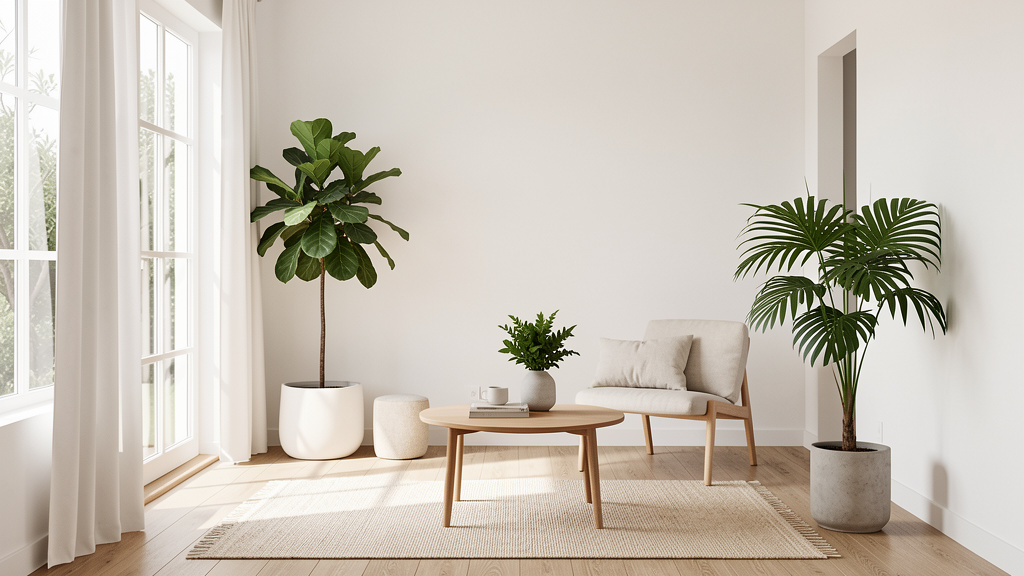
Move beyond aesthetics. Discover how every corner of your home silently shapes your thoughts, emotions, and behaviors—and how to intentionally design a space that supports your mental well-being.
Your home is not merely shelter; it is an active participant in your psychological landscape. Decades of peer-reviewed research in environmental psychology reveal that architectural elements, sensory inputs, and spatial arrangements influence cognitive function, emotional regulation, and social connection. This guide synthesizes established principles from neuroscience, design theory, and environmental psychology to provide a practical framework for reshaping your environment—and, consequently, your daily experience. Forget superficial tips about “adding plants” or “choosing calming colors.” Here, you’ll explore the nuanced relationship between space and psyche, gaining adaptable strategies to cultivate a home that nurtures calm, focus, creativity, and connection—regardless of budget, square footage, or living situation.
Introduction
Step into a sun-drenched room with unobstructed views, and you might feel a subtle lift in perspective—a sense of openness. Walk into a dim, cluttered hallway where movement feels restricted, and a low hum of tension may arise before you even register why. These reactions reflect well-documented neurological responses to environmental cues processed by the amygdala, hippocampus, and prefrontal cortex. Environmental psychology—the scientific study of human-environment interaction—has examined these phenomena since the mid-20th century. Seminal works like Rachel and Stephen Kaplan’s Attention Restoration Theory (1989) demonstrated how natural elements may replenish depleted cognitive resources. Roger Ulrich’s Stress Reduction Theory (1984) associated views of nature with reduced physiological stress markers compared to chaotic urban scenes. More recent neuroarchitectural research suggests curved forms may reduce amygdala activation relative to sharp angles, while access to daylight supports circadian rhythm regulation critical for mood stability and restful sleep.
This isn’t about achieving magazine-worthy perfection. It’s about recognizing your home as a dynamic ecosystem of psychological influence. Every texture, shift in light, and spatial arrangement sends continuous signals to your nervous system. In an era of digital saturation and blurred boundaries between work and rest, understanding these subtle forces supports mental resilience. Whether navigating remote work fatigue, seeking deeper family connection, supporting neurodivergent household members, or simply craving sanctuary, this guide offers a structured yet flexible approach to transform your space from passive backdrop into active ally. Grounded in research synthesized by institutions like the Center for Health Design and the International Academy for Design & Health, we move beyond anecdote to deliver principles adaptable to your unique context.
The SPACE Framework: A Blueprint for Mindful Living
Synthesizing interdisciplinary research—from Edward T. Hall’s proxemics studies to contemporary biophilic design protocols—the SPACE Framework addresses the holistic interplay between environment and psyche through five interconnected dimensions: Sensory Inputs, Proxemics (Personal Space), Aesthetics & Symbolism, Circulation & Flow, and Emotional Anchors. Unlike fragmented advice, SPACE functions as an integrated diagnostic and design tool. Each layer reinforces the others; optimizing one amplifies the impact of the rest. Think of it as tuning an instrument: when all elements resonate in harmony, the entire experience transforms.
This framework honors individual neurology, cultural context, and practical constraints. There is no single “ideal” home. Instead, SPACE empowers you to audit your current environment, identify friction points aligned with your nervous system, and implement targeted adjustments. Perfection is irrelevant. Progress is everything. A single intentional change—a relocated lamp, a cleared pathway, a meaningful object placed with purpose—can initiate meaningful psychological shifts. Let’s explore each dimension with depth, nuance, and actionable clarity.
Step 1: Sensory Inputs – Calibrating Your Environment’s Invisible Language
Your nervous system continuously processes sensory data: lighting quality, background sounds, textures underfoot, ambient scents. These inputs bypass conscious filters and trigger physiological responses. Harsh overhead lighting with cool color temperatures may suppress melatonin production in evening hours. Certain scents, like citrus or lavender, have been associated in studies with shifts in alertness or relaxation. A cold, hard floor may subtly signal vigilance; warm wood or textured textiles often convey safety and grounding.
Why this step is crucial: Unmanaged sensory input contributes to environmental fatigue—a state of low-grade stress from cumulative micro-irritants. Each unresolved sensory conflict (glare on a screen, persistent hum, visual clutter) consumes cognitive resources otherwise available for focus, creativity, or emotional regulation. Intentionally curating sensory inputs reduces this hidden tax, freeing mental bandwidth.
How to conduct a sensory audit (room by room):
Set aside 20 minutes with a notebook. Enter each room silently. Close your eyes. Breathe. Then observe:
- Sight: Note lighting sources (natural/artificial), color temperature (warm white vs. cool blue), glare points, visual density (how many objects compete for attention), and color harmony. Is light layered (ambient + task + accent) or reliant on a single overhead source?
- Sound: Identify constant background noise (HVAC, traffic, appliances), echo quality (hard surfaces vs. soft absorbers), and opportunities for beneficial sound (water feature, wind chimes). Free decibel meter apps can help quantify noise levels—sustained exposure above certain thresholds has been linked to increased stress markers in research.
- Touch: Assess textures underfoot (tile, wood, rug), at hand (countertops, fabrics), and in seating. Are surfaces inviting? Does furniture support posture comfortably?
- Smell: Detect lingering odors and opportunities for intentional scent (fresh herbs on a windowsill, a diffuser with a subtle essential oil).
- Proprioception/Kinesthesia: How does the space feel physically? Cramped? Expansive? Stable? Notice ceiling height, room proportions, and spatial compression.
Concrete example: A remote graphic designer experienced afternoon headaches and irritability. Her sensory audit revealed: cool-white desk lamp causing screen glare, refrigerator hum vibrating through her desk, and a cluttered bulletin board overwhelming peripheral vision. Solutions included swapping to a warm-dimmable task lamp, placing a dense mat under the refrigerator, and curating the bulletin board to display only current project visuals. Within a few days, discomfort lessened, and focus improved noticeably.
Common mistakes to avoid:
– Assuming universality: What soothes one nervous system may distress another. An introvert may need near-silence; an extrovert might find gentle ambient sound comforting. Personalize relentlessly.
– Overlooking temporal shifts: A room serene at noon may feel oppressive at dusk. Audit spaces at different times—morning light in the kitchen, evening shadows in the bedroom. Seasonal changes matter too: shorter winter days may warrant warmer artificial lighting to support circadian rhythms.
– Neglecting sensory synergy: Installing blackout curtains (sight) but ignoring street noise (sound) creates incomplete relief. Address multiple senses holistically.
– Chasing “calm” through deprivation: Complete sensory void (white walls, no texture, total silence) can feel sterile. Balance reduction of negative stimuli with intentional addition of positive ones.
Tiered implementation strategies:
– Ideal: Programmable lighting systems adjustable by time of day; acoustic panels in focused-work zones; subtle scent diffusion with timers.
– Budget-conscious: Swap bulbs for warm-dimmable LEDs (2700K–3000K); hang thick fabric remnants or tapestries to absorb sound; place a small bowl of dried lavender or citrus peels for natural scent.
– Emergency reset: When overwhelmed now, step outside for 60 seconds of natural light and fresh air. Splash cool water on your wrists. Hum a low note for 30 seconds to gently stimulate the vagus nerve. These micro-interventions can help reset sensory overload.
The Fundamental Principle: Your home’s sensory landscape should be a curated conversation with your nervous system—not a shouting match.
Step 2: Proxemics – Designing for Personal Space and Social Connection
In the 1960s, anthropologist Edward T. Hall introduced proxemics—the study of how humans use physical space to communicate comfort, boundaries, and connection. Hall identified spatial zones observed across cultures: Intimate (0–1.5 feet), Personal (1.5–4 feet), Social (4–12 feet), and Public (12+ feet). These zones reflect deep-seated neurological patterns. A sofa placed too close to a coffee table may create subconscious irritation. An open-plan kitchen where the cook’s back faces the main living area can trigger low-grade vigilance.
Why this step is crucial: Misaligned proxemics silently affects relationships and well-being. In shared homes, it may manifest as avoidance (“I’ll eat in my room”) or chronic tension. For introverts, insufficient retreat zones lead to fatigue; for extroverts, overly isolated layouts may foster disconnection. For neurodivergent individuals—particularly those with autism spectrum disorder or sensory processing differences—proxemic mismatches can heighten anxiety. Intentional spatial design respects these invisible boundaries, fostering environments where connection feels safe and solitude feels accessible.
How to map and optimize proxemic zones:
– Identify activity hubs: Where do people naturally gather? Measure distances between seating. In conversation areas, 2.5–3.5 feet between chairs often supports comfortable interaction. In dining areas, allow 24–30 inches per person.
– Create intentional retreats: Every household member benefits from at least one “intimate zone” sanctuary—a window seat with a curtain, a corner armchair behind a screen, a defined nook. Size matters less than psychological ownership.
– Design transitional buffers: Entryways, hallways, and mudrooms function as psychological “airlocks” between outside and home. Keep these clear. Add a bench for shoe removal (signaling transition), a small shelf for keys (ritual closure), and soft lighting to ease the mental shift.
– Respect vertical proxemics: Ceiling height influences perception. Low ceilings may feel cozy in bedrooms but restrictive in workspaces. Use vertical elements intentionally: tall bookshelves create enclosure; hanging plants draw the eye upward, enhancing perceived spaciousness.
Real-world application: A family struggled with post-school chaos. Backpacks blocked the hallway path to the kitchen; parents felt constantly “in the way.” They redesigned their entryway using proxemic principles: a bench (social zone for transitions), individual cubbies at child height (personal zone for belongings), a wall hook strip at adult height (intimate zone for keys), and a clear pathway to the kitchen. This spatial map reduced morning friction by creating intuitive boundaries. Children gained autonomy; parents gained calm.
Common mistakes to avoid:
– Forcing open-plan living without retreat options: Especially challenging in multi-generational or neurodiverse households. Pair open areas with defined quiet zones—use bookshelves, plants, or curtains as soft dividers.
– Ignoring multi-user flow: Map pathways for all household members, including pets. A dog bed in a high-traffic hallway creates constant micro-collisions.
– Overlooking cultural context: Proxemic norms vary globally. Discuss preferences openly in multicultural households.
– Neglecting digital proxemics: Charging stations on bedside tables invade the sleep zone with light and notification anxiety. Designate a “digital landing zone” outside bedrooms—a tray in the hallway, a basket by the front door.
Adapting for specific needs:
– For introverts: Prioritize visual barriers. A room divider between living and dining areas creates psychological separation. Position seating away from high-traffic paths.
– For extroverts: Design “connection hubs” with circular seating that encourages eye contact. Ensure clear sightlines between kitchen and living areas.
– For children: Create “yes spaces”—zones where exploration is safe. Low shelves with accessible toys respect a child’s personal zone while fostering autonomy. Avoid towering furniture that feels intimidating.
– For aging in place: Widen pathways to 36+ inches for mobility aids. Ensure seating has firm support and armrests. Place frequently used items within the “comfort zone” (waist to shoulder height).
Step 3: Aesthetics & Symbolism – The Psychology of Visual Language
Aesthetics encompass color, form, art, texture, and objects imbued with personal or cultural meaning—each communicating subconsciously to shape self-perception and emotional tone. A blank wall may evoke emptiness; a gallery of family milestones reinforces belonging. A repaired ceramic bowl displayed using kintsugi (highlighting breaks with gold) symbolizes resilience. A thriving plant on a desk whispers “growth.” These elements function as cognitive anchors, reinforcing desired mindsets through daily visual reinforcement.
Why this step is crucial: Visual environments shape identity coherence. Research published in journals like Environment and Behavior suggests spaces reflecting personal values and history may enhance emotional security and reduce cognitive dissonance (“This space doesn’t feel like me“). Conversely, generic aesthetics misaligned with your inner world can create subtle internal friction. Symbolism adds narrative depth: objects become touchstones for memory, intention, and meaning.
How to curate with psychological intention:
– Color psychology beyond clichés: Move past “blue = calm.” Consider saturation, context, and personal association. A muted sage green in a bedroom may support rest; the same hue in vibrant emerald in a creative studio may energize. A soft terracotta in a dining area can evoke warmth. Always test large swatches (2×2 ft) on walls. Observe them at dawn, noon, dusk, and under artificial light. Note your visceral reaction: Does it feel expansive or constricting? Uplifting or heavy?
– Art and imagery as emotional catalysts: Choose pieces that evoke the specific emotion desired for the space. Abstract art with fluid shapes may encourage divergent thinking in workspaces. Photographs of expansive landscapes may induce calm in quiet corners. Avoid imagery that triggers stress—even subconsciously (e.g., chaotic scenes in relaxation spaces).
– Texture and materiality: Incorporate natural materials where possible. Wood grain, stone surfaces, woven textiles engage the senses, fostering grounding. Contrast smooth with rough to create visual and tactile interest without chaos.
– Symbolic curation: Place objects with intentional meaning where you’ll encounter them daily. A smooth stone from a meaningful hike on your desk as a “pause” reminder. A bowl of shells collected with loved ones to spark connection. A small framed word aligned with your current intention (“Breathe,” “Create,” “Connect”).
Counter-example analysis: Someone replaced generic corporate art in their home office with a print of a forest path hiked after a major life transition. Over weeks, they reported feeling greater clarity during decision-making. Neuroscience suggests such images can become conditioned cues, activating neural pathways associated with that pivotal moment of renewal. The space now reinforced identity—a more resonant intervention than generic decor.
Common mistakes to avoid:
– Chasing trends over authenticity: A maximalist room may look stunning online but feel chaotic if your psyche craves simplicity. Prioritize resonance over relevance. Ask: “Does this object/story align with who I am or aspire to be?”
– Overlooking scale and proportion: A tiny artwork on a vast wall feels lost; an oversized piece in a small room feels oppressive. Match object scale to spatial proportions.
– Neglecting negative space: Empty areas provide visual rest and cognitive breathing room. Balance filled and empty areas intentionally. Visual clutter exhausts the visual processing system.
– Ignoring personal history: A color that soothes one person may trigger discomfort in another. Honor individual associations. There are no universal rules—only what serves your psychology.
Budget-friendly symbolism:
– Thrifted treasures: A vintage compass symbolizes direction; a secondhand globe represents curiosity.
– Nature artifacts: Pinecones, smooth stones, or pressed leaves in a shadow box connect to place and memory.
– Handmade elements: A child’s drawing framed in the kitchen anchors parental joy; a knitted item carries intergenerational warmth.
– Digital symbolism: Set your computer wallpaper to an image embodying your intention (a calm lake for focus). Change it seasonally.
Step 4: Circulation & Flow – The Choreography of Daily Movement
Circulation is the invisible choreography of home life—the pathways, transitions, and friction points shaping daily rhythms. A kitchen where sink, stove, and refrigerator form an efficient “work triangle” reduces decision fatigue. A cluttered hallway forcing detours adds micro-stresses to every journey. These seemingly minor frictions accumulate into what behavioral science describes as “decision fatigue”—depleting cognitive resources needed for patience and emotional regulation.
Why this step is crucial: Smooth circulation conserves mental energy. When movement feels intuitive, routines become rituals rather than chores. Poor flow creates “friction taxes”—tiny inefficiencies compounding into chronic irritation or avoidance (“I won’t cook because the kitchen is hard to navigate”). Optimizing flow isn’t about perfection; it’s about removing unnecessary resistance, freeing bandwidth for connection and joy.
How to map and optimize circulation patterns:
– Trace daily pathways: For one day, mentally note every route: bed → bathroom → kitchen → coffee maker. Identify bottlenecks: Is the bathroom door blocked? Does reaching the coffee maker require navigating around furniture? Use painter’s tape to mark high-traffic paths (minimum 24 inches wide).
– Optimize high-traffic zones: In kitchens, ensure 36–48 inches of clearance around islands. In living areas, arrange furniture to create clear, wide pathways. Use area rugs to define zones and guide movement.
– Design intentional transitions: Create “ritual thresholds” between zones. A small tray by the front door for keys/mail prevents frantic searches. A bench in the mudroom signals “remove outdoor gear here.” A dedicated spot for charging devices outside bedrooms supports digital wind-down.
– Streamline storage for flow: Store items where they’re used. Coffee mugs above the coffee maker. Cutting boards near the prep area. Children’s shoes by the back door. Reduce steps between intention and action.
Real-life transformation: A healthcare worker felt perpetually drained at home. Her circulation audit revealed: keys tossed on the entryway floor (morning panic), coffee supplies stored high (physical strain pre-caffeine), and a narrow path between bed and bathroom cluttered with laundry. Solutions: a wall hook and small shelf by the door; moving mugs and coffee to a lower cabinet; a slim laundry hamper under the bed. These micro-adjustments eliminated daily friction points. She reported feeling “lighter” upon entering her home—a shift from a space feeling like another workplace to one supporting recovery.
Common mistakes to avoid:
– Prioritizing furniture aesthetics over function: A beautiful console table shouldn’t block paths or create hazards. Test arrangements by walking through them repeatedly.
– Ignoring multi-user flow: Map pathways for all household members. Does the dog’s water bowl sit where toddlers run? Does the office chair block the closet? Design for coexistence.
– Overlooking maintenance flow: Ensure easy access to outlets, switches, vents. A bookshelf crammed against an outlet makes cleaning difficult. Design for ease of upkeep.
– Neglecting vertical circulation: Staircases should feel safe. Ensure consistent riser heights, adequate handrails, and non-slip treads. Poorly designed stairs create subconscious anxiety.
Flow solutions for constrained spaces:
– Studio apartments: Use furniture with legs to maintain sightlines. Employ rolling carts for mobile storage. Hang curtains on ceiling tracks for temporary divisions.
– Narrow hallways: Install shallow wall-mounted shelves for essentials to keep floors clear. Use vertical storage (hooks, pegboards). Place a narrow mirror at the end to create depth illusion.
– Multi-level homes: Create “landing zones” on each floor—a small basket for items needing to travel upstairs/downstairs. Prevents backtracking and reduces mental load.
Step 5: Emotional Anchors – Weaving Memory and Meaning into Space
Emotional anchors are specific locations, objects, or rituals within your home that reliably evoke positive emotions, memories, or desired states of mind. They function as psychological “reset buttons.” A windowsill for morning tea while watching birds becomes an anchor for presence. A dedicated shelf displaying children’s artwork anchors connection. A small space with a photo of a loved one, a candle, and a meaningful stone anchors remembrance. Neuroscience suggests sensory cues linked to positive memories can activate brain networks associated with comfort and resilience during stress.
Why this step is crucial: In times of transition, grief, or uncertainty, emotional anchors provide stability. They transform abstract intentions (“I want to be calmer”) into tangible, accessible experiences. Unlike generic advice, anchors are deeply personal. They turn your home into a living repository of meaning—a place reflecting and reinforcing your inner world. For children, anchors build security. For couples, shared anchors strengthen bonds. For individuals, anchors cultivate self-compassion.
How to cultivate anchors with purpose:
– Identify existing anchors: What spots already bring peace, joy, or clarity? A cozy reading nook? The kitchen table for family dinners? Acknowledge and protect these. Notice why they work: light, view, ritual?
– Create new anchors intentionally: Designate a “calm corner” with a comfortable chair, soft blanket, and a view of nature (real or printed). Establish a micro-ritual: “Every evening at 7 PM, I sit here for 10 minutes with herbal tea, no screens.” Consistency strengthens association.
– Layer sensory cues: Combine elements: a specific scent (lavender oil), sound (a short playlist), texture (a weighted blanket), visual cue (a framed word like “Breathe”).
– Involve household members: Co-create anchors. A “gratitude jar” on the dining table. A “memory wall” for shared photos.
– Evolve anchors with life stages: An anchor for new parenthood (a rocking chair) may later become a reading nook. Honor transitions; anchors can transform.
Case study in resilience: After loss, someone felt untethered in their shared home. They transformed a garden corner into an emotional anchor: planting favorite herbs, adding a weathered bench facing the sunrise, beginning each day there with quiet reflection. Initially evoking grief, through consistent ritual the space shifted. The scent of herbs, warmth of sun, texture of wood became cues for cherished connection. The anchor didn’t erase loss; it wove memory into daily life with tenderness.
Common mistakes to avoid:
– Forcing anchors: An anchor must feel authentic. Don’t designate a space as “calming” if associated with stress (e.g., the “calm corner” doubling as a laundry station). Start small; let the anchor grow through use.
– Overloading with anchors: Too many competing anchors dilute power. Focus on 3–5 key anchors per home—quality over quantity.
– Neglecting upkeep: An anchor loses potency if cluttered or associated with negative tasks. Tend to anchors with care.
– Ignoring cultural or spiritual context: Anchors may draw from personal faith, heritage, or philosophy. Honor what resonates deeply.
Anchor ideas for common needs:
– For anxiety: A “grounding station” with a smooth stone to hold, a breathing prompt (“4-7-8”), and a view of sky or greenery.
– For creativity: A dedicated “idea nook” with a notebook, inspiring quotes, and curiosity-sparking objects.
– For grief: A memory box with photos or mementos. Open intentionally during difficult times.
– For connection: A “connection chair” reserved for deep conversations—no phones allowed.
– For children: A “brave spot”—a special cushion for big emotions, paired with a feelings chart.
Beyond the Framework: Addressing Real-World Scenarios and Constraints
The SPACE Framework provides a robust foundation, but life unfolds with unique constraints. Budgets tighten. Leases restrict. Families grow. Neurodiversity demands adaptation. This section addresses high-friction scenarios with empathy and adaptable solutions—proving psychological design is accessible to all.
Designing for Neurodiversity: Sensory-Smart Adjustments
For individuals with autism, ADHD, anxiety disorders, PTSD, or sensory processing differences, environmental stimuli can be profoundly overwhelming (hypersensitivity) or underwhelming (hyposensitivity). The goal is not to “normalize” but to adapt the space to support unique neurological wiring. Occupational therapists often integrate environmental modifications into sensory diets—personalized activity plans to support regulation. Your home can be a powerful tool.
For hypersensitivity (over-responsiveness to stimuli):
– Lighting: Eliminate flicker (replace fluorescents with high-CRI LEDs). Install dimmer switches or smart bulbs for precise control. Use blackout curtains in bedrooms; add sheers to diffuse harsh daylight. Choose matte finishes on walls and surfaces to reduce glare.
– Sound: Add acoustic absorption: thick curtains, area rugs with pads, upholstered furniture. Place bookshelves filled with books against shared walls to dampen noise. Provide noise-canceling headphones as a tool, stored accessibly. Create a designated “quiet retreat” with minimal visual stimuli and soft textures.
– Touch/Proprioception: Offer texture choices: smooth cotton sheets vs. weighted blankets (deep pressure input may be calming). Avoid scratchy fabrics in high-contact areas. Ensure furniture is stable. Provide accessible fidget tools.
– Visual: Reduce clutter density. Use solid-color storage bins. Install cabinet doors to conceal kitchen items. Use color coding for organization to reduce cognitive load.
For hyposensitivity (under-responsiveness, seeking input):
– Incorporate stimulating elements: Create a “sensory wall” with different textures. Install a swing or hammock chair for vestibular input. Use vibrant accent colors in activity zones (not rest zones).
– Movement opportunities: Designate space for safe movement—a small trampoline, a balance beam along a hallway (use tape). Ensure clear pathways for pacing.
– Tactile engagement: Choose furniture with interesting textures. Keep kinetic sand or fidget tools accessible.
– Auditory variety: Incorporate gentle, predictable sounds—a small indoor fountain, wind chimes. Avoid sudden noises.
Collaboration with occupational therapists, counselors, or educators familiar with individual needs is often beneficial. Observe patterns: Does the person seek deep pressure? Avoid certain textures? Become dysregulated at specific times? Let observation guide design. Small, targeted changes often yield meaningful regulation benefits. Personalization is paramount.
Renters’ Rights: Psychological Design Without Permanent Changes
You do not need to own your home to shape its psychological impact. Renters face constraints—but also opportunities for portable, adaptable design. Focus on reversible, non-damaging strategies that honor your lease and well-being.
- Lighting revolution: Swap harsh overhead bulbs for warm, dimmable plug-in lamps. Use smart plugs for gentle wake-up lighting or evening routines. Place mirrors opposite windows to amplify natural light.
- Acoustic improvements: Hang thick tapestries or fabric panels on walls. Place dense rugs with pads over hard floors. Position bookshelves against shared walls as sound buffers. Use draft stoppers at door bottoms.
- Zoning without walls: Define spaces using area rugs. Use freestanding room dividers (folding screens, tall plants, open shelving) to create visual separation. Position furniture to face inward, creating intimate zones.
- Personalization within limits: Use removable adhesive hooks for art and organizers. Create a “portable anchor kit”—a curated box with a small framed photo, favorite mug, battery-operated candle, soft blanket. Set it up instantly in any space.
- Window treatments: Install tension rod curtains for privacy and light control. Choose light-filtering sheers for daytime; blackout liners for sleep.
- Vertical gardening: Use wall-mounted planters with suction cups or tension rods. Herbs on a sunny windowsill provide scent, color, and utility.
Budget tip: Thrift stores and community groups offer treasures. A vintage wool rug adds texture and sound absorption. A secondhand floor lamp provides warm, adjustable light. Focus on quality over quantity—one meaningful item beats ten disposable ones.
Small Spaces, Big Impact: Maximizing Psychological Comfort in Compact Homes
Tiny apartments demand intentionality. Every square inch must serve psychological and physical function. The goal is not to mimic large-space design but to leverage constraints creatively.
- Illusion of space: Use mirrors strategically—place opposite a window to double light and create depth. Choose furniture with legs to maintain sightlines. Opt for transparent or reflective surfaces where appropriate.
- Zoning through lighting and texture: Define areas without walls. A pendant lamp over a dining nook signals “eating zone.” A floor lamp with a warm bulb creates a “reading nook.” Use rugs of different textures to delineate spaces.
- Vertical thinking: Store items vertically to keep floors clear—clutter on the floor amplifies confinement. Install floating shelves. Use over-door organizers.
- Outdoor connection: Maximize nature connections. Place a small chair by the window for fresh air breaks. Grow herbs on a fire escape (if permitted). Use nature photography on walls. Play nature sounds softly.
- Multi-functional furniture with intent: A sofa bed should feel like a sofa by day, a bed by night. A rolling cart serves multiple roles; its mobility reduces mental load. A fold-down desk disappears when not in use, signaling “work is done.”
Real example: Someone living in a compact urban studio felt constantly cramped. Three changes transformed perception: (1) Replaced a bulky armchair with a slim, leggy accent chair maintaining sightlines; (2) Installed a full-length mirror on the closet door opposite the window, doubling perceived space and light; (3) Created a “transition ritual”—stepping onto a small welcome mat, changing into home shoes, lighting a single soy candle. These adjustments shifted perception from “cramped cell” to “intentional sanctuary,” fostering greater calm and control.
The Family Home: Nurturing Connection and Individuality Across Generations
Homes with children, teens, elders, or multi-generational households require balancing shared spaces with private retreats. Apply proxemics intentionally: create a “family hub” for connection, but ensure each person has a defined personal zone—even a decorated corner of a shared bedroom. Psychological safety thrives when individuality is honored within community.
- For young children: Involve them in designing their spaces. A low shelf for independent book access fosters autonomy. Use color and imagery reflecting their interests to build security. Create “yes spaces” where exploration is safe. Avoid towering furniture; choose child-scaled items where possible.
- For teenagers: Adolescence involves identity formation and a need for autonomy. Respect their need for privacy (a door that closes, even symbolically with a curtain). Involve them deeply in designing their room—this fosters ownership and self-expression. Balance aesthetics they connect with with sensory considerations (blackout curtains for sleep, comfortable seating). Emotional anchors are crucial: a bulletin board for goals, a cozy corner. Avoid imposing adult minimalism; their space should feel like a safe laboratory for self-discovery.
- For aging relatives: Prioritize safety without sterility. Install grab bars disguised as towel racks. Use contrasting colors on step edges and appliance controls for visibility. Ensure frequently used items are within easy reach. Display family photos at eye level in common areas to support memory and belonging. Create comfortable seating for face-to-face conversation.
- For shared living areas: Establish “zone agreements” with household members. Example: “The living room is screen-free after 8 PM,” or “This corner is my quiet reading spot.” Use visual cues: a specific blanket signals “do not disturb.” Schedule regular “space check-ins” to discuss what’s working—modeling collaborative problem-solving.
Your Questions, Answered
Q: How quickly can I expect to feel the psychological effects of changing my space?
A: Some shifts feel immediate—reducing screen glare eases eye strain quickly; clearing a countertop lowers visual stress upon entering the kitchen. Deeper emotional impacts—like reduced anxiety from a dedicated wind-down ritual—typically emerge gradually with consistent use. Environmental cues form associations through repetition; many notice subtle shifts within a week or two. Keep a simple journal: note your mood upon entering a newly adjusted space each day. Patience and consistency matter more than speed. Progress is personal.
Q: Is there scientific evidence that color affects mood?
A: Research, including studies published in Color Research and Application and Environment and Behavior, suggests measurable physiological responses to color in specific contexts. Cool, low-saturation hues (blues, greens) in restful settings have been associated with lowered heart rate. Warm tones (soft yellows, terracottas) may support social engagement in dining areas. However, saturation, context, and personal history create nuance—a color tied to a positive memory may soothe regardless of general “rules.” Always test large paint swatches in your actual space under varying light. Observe your visceral reaction over several days. Trust your nervous system’s feedback.
Q: I live in a dark apartment with little natural light. What can I do?
A: Maximize available light first: paint walls and ceilings in light, warm neutrals; use mirrors opposite any window; keep window treatments minimal during daylight. Then layer artificial lighting thoughtfully. Avoid single overhead lights. Combine ambient (ceiling fixtures with dimmers), task (adjustable desk lamps), and accent (wall sconces) lighting. Choose bulbs labeled 2700K–3000K for a warm glow. Consider a light therapy lamp (10,000 lux) positioned on your desk or breakfast table for 20–30 minutes upon waking to support circadian rhythm—especially valuable during winter months or in windowless rooms. Even small additions matter: warm fairy lights in a bookshelf, a salt lamp on a nightstand.
Q: Can a messy home really cause anxiety, or is that just a cliché?
A: Research, including work from Princeton University Neuroscience Institute, suggests visual clutter competes for attention, potentially increasing cognitive load and stress markers. However, “messy” is subjective. A writer’s desk covered in research notes may feel inspiring to them; the same desk may trigger overwhelm in someone else. The critical question is: Does this environment support your current task and emotional state? If piles of unopened mail trigger dread, that’s a friction point worth addressing. Start microscopically: dedicate a 10-minute daily “reset” to clear one surface (kitchen counter, nightstand). Focus on high-impact zones first—entryways and bedrooms often yield the greatest psychological return. Define “order” on your own terms.
Q: How do I design a home office that minimizes distractions and boosts focus?
A: Apply all five SPACE dimensions synergistically:
– Sensory: Position desk to minimize glare; use noise-masking tools if needed; choose supportive seating.
– Proxemics: Face your desk toward the room’s entrance if possible (reduces subconscious vigilance); ensure clearance around your chair.
– Aesthetics: Select calming, low-saturation colors; add one piece of art that inspires without distracting; keep desk surface clear except for current tasks.
– Circulation: Store essential supplies within arm’s reach; create a clear pathway to the door and resources.
– Emotional Anchor: Place a small object symbolizing your “why”—a photo, a token, a word like “Create.” Pair it with a micro-ritual: three deep breaths before starting work.
Q: What’s the most impactful change I can make on a tight budget?
A: Rearrange existing furniture to improve circulation and proxemics. Shifting a sofa to create a clearer pathway, turning a desk to face natural light, or grouping seating to encourage conversation costs nothing but yields immediate psychological benefits. Next, audit lighting: replace one harsh overhead bulb with a warm, dimmable alternative in your most-used space. Intentionality trumps expenditure. A single meaningful object placed with purpose—a smooth stone on a windowsill, a framed photo of a happy memory—can anchor calm more powerfully than expensive decor.
Q: How does biophilic design tie into home psychology?
A: Biophilia—the human affinity for nature—is a well-researched subset of environmental psychology. Studies by Ulrich, Kellert, and others associate even indirect nature contact with reduced stress and enhanced cognitive function. You don’t need a jungle indoors. Start with micro-connections: place one resilient plant where you’ll see it daily (snake plant, ZZ plant); open curtains to frame outdoor views; use nature sounds (a small desktop fountain) to mask urban noise; incorporate natural materials (a wooden bowl, a wool blanket). The goal is intentional moments of connection—not perfection. Even viewing high-quality nature photography has shown benefits in reducing physiological stress markers.
Q: My partner and I have opposite design preferences. How do we compromise?
A: Shift the conversation from aesthetics (“I hate that color”) to shared psychological goals (“We both want to feel relaxed when we enter this room”). Use the SPACE Framework to identify non-negotiables: perhaps your partner needs visual minimalism to unwind (Aesthetics), while you need tactile textures for comfort (Sensory). Compromise zone-by-zone: the bedroom prioritizes darkness and quiet; the living room incorporates vibrant art. Designate one small “personal sanctuary” per person—a shelf, a chair—where individual preferences reign without judgment. Schedule a monthly “space check-in” to discuss what’s working. Empathy and communication are the true foundations of a psychologically harmonious home.
Q: Are there specific considerations for designing spaces for teenagers?
A: Adolescence involves intense identity exploration and a heightened need for autonomy and privacy. Respect their proxemic need for a door that closes (even symbolically with a curtain). Involve them deeply in designing their room—this fosters ownership, self-expression, and decision-making skills. Balance aesthetics they connect with (posters, colors) with sensory considerations: blackout curtains support healthy sleep; comfortable seating aids studying. Create emotional anchors reflecting their evolving identity: a bulletin board for goals, a cozy reading nook. Avoid imposing adult minimalism; their space should feel like a safe laboratory for self-discovery. Frame conversations around function (“How can this space support your sleep/study/creativity?”) rather than judgment.
Q: How can I maintain these changes long-term without burnout?
A: Sustainability comes from integration, not perfection. Tie new habits to existing routines: “After I pour my morning coffee, I’ll open the curtains.” Start with one room—often the bedroom, since sleep impacts all mental functions. Celebrate tiny wins: “Today I cleared the nightstand.” Remember, your home is a living system. Revisit your SPACE audit seasonally or during life transitions. Flexibility is key; what supports you today may evolve tomorrow. If you “slip,” practice self-compassion. One cluttered day doesn’t erase progress. The goal is mindful awareness, not flawless execution.
Q: Does this apply to outdoor spaces like balconies or yards?
A: Absolutely—and often with amplified impact. Outdoor spaces are potent psychological resources. Apply SPACE principles intentionally:
– Sensory: Add wind chimes; plant fragrant herbs; choose comfortable seating.
– Proxemics: Define zones—a small bistro set (intimate zone), a lounge chair (personal retreat).
– Aesthetics: Use potted plants of varying heights; add string lights for evening ambiance.
– Circulation: Ensure clear, safe pathways; store tools neatly.
– Emotional Anchor: Designate a “sunrise spot” or “evening wind-down chair.” Even a small balcony can become a powerful sanctuary when designed with intention. Research suggests time in green spaces lowers stress markers—making outdoor anchors invaluable, especially in urban settings.
Conclusion and Next Step
Your home is far more than walls and furniture. It is a silent partner in your mental journey—a dynamic ecosystem where psychology, memory, and daily life intersect. By engaging with the SPACE Framework, you’ve gained a lens to see beyond decoration and into the profound dialogue between your environment and your mind. You now understand how sensory inputs influence your nervous system, how proxemic design honors boundaries and connection, how aesthetics weave meaning into daily sightlines, how circulation shapes the rhythm of your days, and how emotional anchors root you in purpose and peace.
This knowledge is a form of empowerment. It shifts your relationship with your home from passive occupancy to active co-creation. You are not merely living in a space; you are cultivating a sanctuary that reflects your values, supports your challenges, and celebrates your humanity. These principles are not rigid dogma but compassionate guidelines—adaptable to your unique neurology, culture, budget, and life stage. There is no finish line, only ongoing refinement. A home that nurtures the mind is built not in a weekend overhaul, but through consistent, intentional micro-choices.
- Recap: Three universally accessible starting points yield meaningful impact:
- Optimize your bedroom for rest (warm dimmable lighting, clear surfaces, cool temperature).
- Create one dedicated emotional anchor for daily calm (a chair by a window, a gratitude jar).
-
Smooth one high-friction circulation path (your morning route from bed to coffee).
-
The 24-Hour Rule: Within the next day, choose one micro-action from this guide. Swap the bulb in your bedside lamp to a warmer tone. Clear a single countertop. Place a meaningful photo where you’ll see it each morning. Open your curtains fully upon waking. Action, however small, builds momentum and proves that change is accessible now. Do not wait for “someday.” Your nervous system will register the shift.
-
The Big Picture: Transforming your home is ultimately an act of profound self-care—a declaration that your mental well-being matters. Each intentional adjustment, no matter how minor, is a thread woven into a larger tapestry of resilience. As you reshape your space, you are not just rearranging objects; you are cultivating conditions for peace, focus, and connection that ripple into every aspect of your life. And in doing so, you create a legacy of intentionality that nurtures you today and echoes into tomorrow.
Explore Our Complete System:
[The Neuroscience of Clutter: Why Empty Surfaces Calm the Mind] | [Biophilic Design Decoded: 12 Science-Backed Ways to Bring Nature Home] | [The Proxemics Playbook: Designing Homes for Introverts, Extroverts, and Everyone In Between] | [Emotional Anchors: How to Create Rituals and Spaces That Build Resilience] | [Sensory Sanctuary: A Room-by-Room Guide to Calming Overwhelm at Home] | [Designing for Neurodiversity: A Compassionate Guide to Inclusive Home Spaces] | [The Renter’s Toolkit: Psychological Design Without Drilling a Single Hole]