Stop Guessing, Start Deciding: A Practical System to Prioritize Every Repair, Upgrade, and Renovation Based on True Impact and Affordability
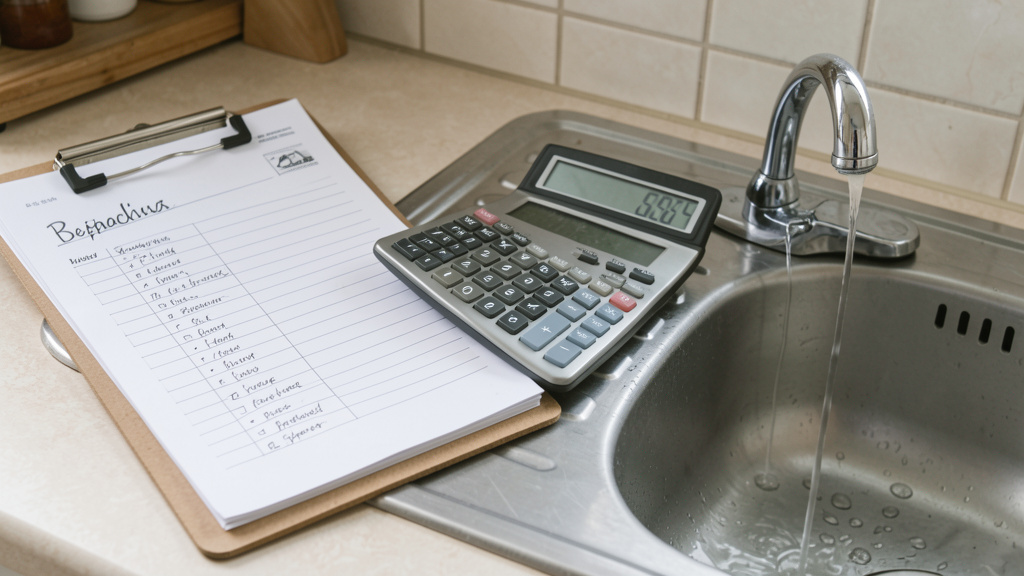
Every homeowner, whether stewarding a century-old craftsman bungalow or a newly built townhome, faces the relentless tide of home projects. The persistent drip of a kitchen faucet competes with faded exterior paint; the aging HVAC system whispers warnings while the dream of a sunlit reading nook beckons. Without a clear, objective system, decisions become emotional reactions, reactive scrambles after failures occur, or perpetual postponements buried under daily life—leading to avoidable emergencies, misallocated resources, or lingering dissatisfaction with your living space. This guide introduces the Home Project Priority Matrix, a dynamic, three-dimensional framework that moves decisively beyond simplistic to-do lists or binary urgent/not-urgent thinking. By systematically evaluating each task across urgency, importance, and budget impact—the three interconnected pillars of thoughtful home stewardship—you gain clarity to protect your home’s integrity, enhance daily comfort and safety, and align every decision with your household’s genuine priorities and financial reality. This is not about perfection; it is about progress. No more overwhelm. No more guilt. Just grounded, intentional action tailored to your home and your life.
Introduction: Why Generic Prioritization Systems Fall Short
You have likely tried color-coded sticky notes, digital task apps with persistent notifications, or the mental checklist that loops endlessly during quiet moments. Yet the fundamental dilemma persists: How do you objectively compare fixing a cracked basement window against upgrading attic insulation? How do you justify allocating funds to replace a functioning-but-aging water heater when the backyard deck shows wear and the guest room needs attention? Traditional prioritization tools, including adaptations of the Eisenhower Decision Matrix (urgent versus important), consistently fall short in the residential context because they operate in a financial vacuum. They ignore the third, critical dimension that defines real-world homeownership: budget constraints and resource allocation. A roof leak is undeniably urgent and important, but what if immediate full replacement exceeds available resources? Conversely, installing a smart thermostat may carry low urgency yet meaningful importance for long-term comfort and efficiency—but without integrating budget feasibility, it remains perpetually deferred.
This framework bridges that critical gap. Synthesizing established principles from project management, residential maintenance best practices, financial planning fundamentals, and observed patterns across diverse housing contexts, the Home Project Priority Matrix intentionally weaves financial reality into the decision-making process. It is not a tool for eliminating projects; it is a strategic sequencing engine. Consider this foundational insight: proactive attention to emerging issues often prevents escalation into significantly more complex and costly situations later. This matrix ensures your proactive efforts are directed where they deliver the greatest protection, value, and peace of mind. It transforms the overwhelming “everything feels important” paralysis into a clear-eyed, compassionate roadmap tailored to your home, your values, and your circumstances.
This methodology integrates time-tested prioritization theory with residential stewardship principles and practical resource-aware planning. Its strength lies not in novelty, but in the intentional fusion of dimensions previously treated in isolation—creating a flexible system adaptable across housing types, climates, ownership durations, and financial situations.
The Home Project Priority Matrix Framework: Your Blueprint for Clarity and Confidence
At its visual core, the matrix begins as a familiar 2×2 grid plotting Urgency (vertical axis) against Importance (horizontal axis). The transformative element lies in the deliberate, structured integration of Budget Impact as a dynamic filter and strategic consideration. Each project receives calibrated scores on all three axes, generating a nuanced assessment that guides not just what to address, but when and how to approach it thoughtfully. This is not a one-time exercise; it is a living system designed to be revisited quarterly, after significant weather events, following major life changes, or whenever new projects emerge. Below, we walk through the complete four-step implementation process, designed for immediate, practical application.
Step 1: Define Your Home’s Unique Quadrants – Calibration is Everything
Before scoring a single project, calibrate the matrix to reflect the specific reality of your home and your life. A “high urgency” task in a humid coastal climate (addressing early signs of moisture behind a bathroom vanity) carries different weight than in an arid region (where an irrigation line leak threatening foundation stability takes precedence). Similarly, “importance” is deeply personal: for a family with young children, securing heavy furniture is non-negotiable; for those planning accessibility modifications, grab bar installation ranks equally high. Using generic scales guarantees misalignment. Calibration transforms the matrix from an abstract exercise into an indispensable, deeply personal decision-making compass.
How to Customize Your Scoring Scales with Precision:
-
Urgency Scale (1-10): Define Clear, Action-Oriented Timeframes
- 9-10 (Critical/Immediate): Active safety hazard or ongoing damage requiring intervention within 24 hours. Examples: Gas odor, major roof leak during rain, burst pipe flooding, electrical burning smell, compromised exterior security. Action Trigger: Pause non-critical activities. Address immediately or contact emergency professional.
- 7-8 (High/Urgent): Significant functional impairment affecting core living needs; requires action within 1 week. Examples: Complete HVAC failure in extreme temperatures, non-functioning primary cooking appliance during essential use periods, major window breach compromising weatherproofing. Action Trigger: Schedule professional assessment promptly; implement safe temporary mitigation if possible.
- 5-6 (Medium/Monitor): Noticeable deterioration or recurring inconvenience; requires action within 1 month. Examples: Persistent slow drain, peeling exterior paint on sun-exposed surfaces, minor foundation crack showing no active movement, inconsistent water pressure. Action Trigger: Research solutions, gather preliminary information, schedule within the month.
- 3-4 (Low/Plan): Minor annoyance or early-stage wear; requires action within 3 months. Examples: Squeaky door hinge, faded curtain needing replacement, single cracked tile in low-traffic area. Action Trigger: Add to quarterly maintenance plan; monitor for changes.
- 1-2 (Future/Optional): Purely aesthetic enhancement or future-proofing with no current functional impact; no deadline. Examples: Updating cabinet hardware for style, installing decorative elements, planting non-essential ornamental features. Action Trigger: Place on “Future Projects” list; revisit during annual planning.
-
Importance Scale (1-10): Anchor to Core Values and Observable Benchmarks
- 9-10 (Critical/Foundation): Directly impacts health, safety, structural integrity, or legal compliance. Non-negotiable. Examples: Faulty wiring posing fire risk, active moisture remediation in living space, structural crack with documented movement, critical safety device replacement. Anchor: Building codes, safety regulations, documented professional assessments.
- 7-8 (High/Asset Protection): Protects major systems or significantly preserves home value; prevents future major expense. Examples: Roof inspection/replacement near end of expected service life, HVAC system servicing, foundation drainage improvement. Anchor: Manufacturer guidelines, inspector reports, documented maintenance histories.
- 5-6 (Medium/Lifestyle): Significantly enhances daily comfort, functionality, or efficiency for your household. Examples: Insulating attic to reduce energy strain, repairing deck for safe family use, upgrading kitchen lighting for meal prep safety. Anchor: Household routines, documented comfort thresholds, energy audit insights.
- 3-4 (Low/Enhancement): Improves aesthetics or minor convenience; aligns with personal preference but not core function. Examples: Repainting living room walls, updating backsplash, installing new mailbox. Anchor: Personal preference, contextual relevance (e.g., if preparing to sell soon).
- 1-2 (Minimal/Discretionary): Purely decorative or novelty; negligible impact on function, safety, or value. Examples: Adding decorative garden elements, seasonal decor updates, non-essential smart home additions. Anchor: Joy factor only; must not divert resources from higher-priority areas.
-
Budget Impact Assessment: Categorize Relative to Your Financial Reality
- High Impact: Project cost would require significant adjustment to your current financial plan, potentially drawing heavily on emergency reserves or requiring financing. Requires dedicated saving phase or phased approach.
- Medium Impact: Project cost is manageable within your quarterly or annual home maintenance allocation with minor adjustment. Fits within planned resource cycles.
- Low Impact: Project cost is easily absorbed within routine discretionary home spending. Minimal disruption to other planned activities.
- Critical Nuance: Budget impact is relative and contextual. A project costing several hundred dollars may be “High Impact” if your maintenance fund is depleted after a recent necessary repair; it may be “Low Impact” if your fund is robust. Track your available resources separately. Also consider non-monetary costs: DIY projects may have low material cost but significant time investment or skill requirements—factor in your personal capacity realistically.
Why Calibration is Non-Negotiable: Without this personalized foundation, scoring becomes arbitrary. A homeowner in a cold climate correctly scores “attic insulation check” as Urgency 8 in late autumn; a homeowner in a mild climate may score it a 3. A household prioritizing accessibility scores “lever-style door handles” as Importance 9; others may score it lower. This calibration forces clarity on what truly matters to you, making the matrix genuinely useful. It also counters common biases:
* Societal Pressure Bias: Scoring a project high due to external trends rather than personal impact. Importance must reflect your values.
* Out-of-Sight Discounting: Artificially lowering urgency for hidden issues (e.g., “That small foundation crack isn’t leaking now“). Consult seasonal risk patterns: in regions with freeze-thaw cycles, foundation concerns gain urgency in late fall.
* Home History Awareness: An older home may require different urgency thresholds for systems than a newer build. Review past repair records during calibration.
Step 2: Score Each Project Objectively – Gathering Data, Not Guessing
With calibrated scales established, gather every pending project—big and small—into a single master list. Conduct a slow, intentional walkthrough of your entire property: interior rooms, attic, crawlspace, basement, garage, exterior walls, roof line (safely observed), yard, driveway. Open cabinets under sinks. Check window seals. Listen for unusual HVAC noises. Jot down everything. This inventory phase is crucial; hidden projects often hold the highest true priority.
For each project, assign scores using your personalized scales. Prioritize honesty over optimism. Leverage accessible research to inform scores:
* Budget Research: Consult multiple sources for cost estimates—local hardware stores for materials, contractor associations for labor ranges, or online resources aggregating project costs. For DIY, calculate material costs and realistically assess time/skill requirements. Always include a contingency buffer (15-20%) for unforeseen variables.
* Urgency/Importance Research: For safety or code-related items, consult publicly available resources like National Fire Protection Association guidelines, International Residential Code summaries, or EPA recommendations on environmental concerns. When uncertain about structural matters, a low-cost consultation with a qualified professional provides invaluable data for scoring.
Scoring Worksheet in Practice (Illustrative Examples):
| Project | Urgency (1-10) | Importance (1-10) | Budget Impact | Rationale & Notes |
|---|---|---|---|---|
| Fix leaking kitchen faucet (steady drip) | 6 | 5 | Low | Urgency 6: Wastes water, causes minor annoyance, potential for cabinet damage if unchecked. Importance 5: Affects daily function but not safety. Budget: DIY repair kit modest cost; professional service moderate. Low relative impact. |
| Repair hairline crack in basement wall (no moisture) | 4 | 7 | Medium | Urgency 4: Monitor quarterly; not active threat now. Importance 7: Structural integrity concern; early attention prevents potential escalation. Budget: DIY repair materials modest; professional assessment moderate. Medium impact due to potential consequence. |
| Replace aging water heater (still functioning) | 5 | 8 | High | Urgency 5: Beyond typical service life; proactive replacement avoids emergency failure. Importance 8: Prevents potential water damage, ensures reliability. Budget: Unit and installation represents significant allocation. High impact relative to typical maintenance fund. |
| Install gutter guards | 5 | 7 | Medium | Urgency 5: Preventative; valuable before heavy debris season. Importance 7: Protects foundation, siding, landscaping from water damage; reduces recurring maintenance. Budget: Materials and installation vary. Medium impact. |
| Repaint faded south-facing exterior trim | 3 | 4 | Medium | Urgency 3: Cosmetic deterioration; underlying wood protected. Importance 4: Preserves appearance, minor protection against further weathering. Budget: Materials modest; professional service moderate. Medium impact if hiring out. |
| Update outdated light fixtures in hallway | 2 | 3 | Low | Urgency 2: Functional but dated. Importance 3: Minor aesthetic improvement, slightly better illumination. Budget: Fixtures and DIY installation modest cost. Low impact. |
| Childproof electrical outlets in living area | 7 | 9 | Low | Urgency 7: Immediate safety need with mobile child present. Importance 9: Critical injury prevention. Budget: Safety devices very low cost; professional installation moderate. Low monetary impact for high safety return. |
Navigating Scoring Nuances Thoughtfully:
* Countering “Out of Sight” Bias: Hidden issues (foundation cracks, attic concerns) often feel low urgency. Counter this by linking urgency to potential consequence. Ask: “If ignored for several months, what is the plausible outcome?” If the answer involves significant cost, safety risk, or system failure, urgency score rises. Consult regional seasonal factors: wildfire-prone areas increase urgency for defensible space clearing in dry seasons; hurricane zones elevate urgency for securing loose elements pre-season.
* Anchoring Importance Objectively: Use verifiable anchors to reduce subjectivity. Does the project address a documented safety concern? Score high. Does manufacturer guidance indicate end of reliable service life? Score accordingly. Does an energy audit highlight significant improvement potential? Factor that in. This grounds importance in evidence.
* Budget Impact Realities: Distinguish between “sticker price” and “true impact.” A modest-cost project has high budget impact if your maintenance fund is depleted. Track available resources. Factor in:
* Hidden Costs: Permit fees, disposal, temporary accommodations, potential for error on complex DIY.
* Time Investment: Realistically estimate hours required for DIY. Is your time better allocated elsewhere?
* Financing Considerations: If using credit, understand the full cost including potential interest.
* Simplified Triage Option: For quick initial assessment, use a traffic light system:
* Urgency: Red (Act Now), Yellow (Schedule Soon), Green (Plan Later)
* Importance: Red (Critical), Yellow (Valuable), Green (Optional)
* Budget: Red (Stretch), Yellow (Manageable), Green (Easy)
Projects with multiple “Reds” warrant immediate attention. This provides rapid triage before detailed scoring.
Step 3: Plot, Interpret, and Strategize – Transforming Scores into Action
With scores assigned, plot each project on your urgency-importance grid. Then, consciously layer the budget impact assessment as a strategic filter. This visualization reveals four primary quadrants, each demanding a distinct, intentional strategy—not just a priority rank. Understanding the why behind each quadrant’s strategy transforms the matrix from a sorting tool into a powerful action engine.
Quadrant 1: Urgent & Important (The Critical Zone – Protect and Stabilize)
Projects represent active threats to safety, core functionality, structural integrity, or major asset value. Budget considerations are secondary to necessary action—but intelligent navigation minimizes strain and prevents escalation.
* Defining Characteristics: High scores on urgency (7-10) and importance (7-10). Budget impact often Medium to High, but cost of inaction is demonstrably greater.
* Real-World Examples: Burst pipe causing flooding, active roof leak during storm, electrical panel concerns, compromised exterior security, significant foundation movement with moisture.
* Action Strategy – The Critical Response Protocol:
1. Immediate Mitigation (Minutes/Hours): Focus solely on stopping active damage or danger. Shut off main water valve for leaks. Cover roof leak with tarp (safely!). Evacuate area for gas concerns; contact utility. Board up broken window. This step is essential and often low-cost.
2. Professional Assessment (Hours/Days): Contact qualified professionals immediately. For true emergencies (gas, major electrical), contact emergency services first. Maintain a pre-vetted list of trusted emergency contacts (plumber, electrician, roofer) for efficiency.
3. Budget Navigation Tactics:
* Ideal Path: Utilize your dedicated home emergency fund. This is its purpose. Replenish systematically after resolution.
* Resource-Constrained Path: Explore payment plans offered by reputable contractors. Investigate if the issue is covered under warranty, home warranty plan, or insurance (document thoroughly before cleanup). Research community resources—local non-profits or agencies may offer assistance for qualifying households facing critical repairs.
* Key Insight: Delaying Quadrant 1 action often leads to significantly greater expense and disruption. Addressing a minor plumbing issue promptly prevents extensive water damage restoration later. The matrix clarifies that timely action is the most resource-conscious choice long-term.
4. Proactive Preparedness Tip: Maintain a “Critical Response Kit”: Contact list of emergency professionals, heavy-duty tarp and rope, basic plumbing tools, fire extinguisher (ABC type), reliable flashlight, work gloves. Knowing exactly where these are saves precious time during a crisis.
Quadrant 2: Not Urgent but Important (The Value Builder Zone – Invest and Prevent)
These projects form the cornerstone of proactive, resilient homeownership. They prevent future emergencies, enhance efficiency, protect long-term value, and align with your life goals. They require intentional scheduling but offer substantial returns in avoided costs, comfort, and peace of mind. This is where consistent investment yields the greatest long-term benefit.
* Defining Characteristics: Lower urgency scores (1-6) but high importance scores (7-10). Budget impact varies, but focus is on planned investment.
* Real-World Examples: Servicing HVAC system before peak season, insulating attic to recommended levels, updating outdated electrical components, installing water softener in hard water areas, sealing driveway cracks, installing gutter guards, landscaping for erosion control, replacing aging water heater before failure.
* Action Strategy – The Proactive Investment Protocol:
1. Schedule Non-Negotiablely: Treat these like essential appointments. Block time quarterly for “Home Health Check-ups.” Schedule contractor visits well in advance.
2. Budget Navigation Tactics:
* Ideal Path: Fund through a dedicated, monthly “Home Health” savings habit. Calculate annual needs based on home age and systems, and automate small transfers. This turns future costs into manageable habits.
* Resource-Constrained Path: Phase the Project: Address half the attic insulation this season, the remainder next. Seek Incentives: Research federal, state, or utility rebates for energy efficiency upgrades. DIY Where Safe & Feasible: Gutter cleaning, basic weatherstripping, painting trim. Bundle Projects: If a contractor is on-site, have them assess related items to optimize time and cost.
3. Countering Neglect: Homeowners often neglect Quadrant 2 due to invisibility or perceived lack of immediate payoff. Counter this by linking projects to tangible, personal benefits:
* Insulate Attic: “This can reduce seasonal energy strain, enhancing comfort and potentially lowering utility costs.”
* Service HVAC: “Regular maintenance supports system longevity and indoor air quality.”
* Seal Driveway: “Prevents small cracks from expanding into major repairs later.”
4. Strategic Timing: Align projects with natural cycles. Schedule HVAC service in spring (for cooling) or fall (for heating) when contractors may have greater availability. Plan exterior work for stable, dry weather periods. This optimizes results and resource use.
Quadrant 3: Urgent but Not Important (The Distraction Trap Zone – Delegate or Minimize)
These projects create a false sense of urgency, often driven by external pressure, minor annoyance, or social comparison. They consume disproportionate time, mental energy, and resources if not managed deliberately. They feel pressing but offer minimal long-term value relative to the investment required.
* Defining Characteristics: High urgency scores (7-10) but low importance scores (1-4). Budget impact often Low or Medium, but the opportunity cost (resources diverted from Quadrants 1 & 2) is the real concern.
* Real-World Examples: Neighbor comments on lawn before a gathering, minor scratch on floor noticed right before guests, pressure to update decor to match a fleeting trend, last-minute non-essential request.
* Action Strategy – The Distraction Deflection Protocol:
1. Pause and Interrogate: When a Quadrant 3 project arises, consciously pause. Ask: “Will this matter in six months? Does this align with my core home values and goals? Is this urgency real or manufactured?” Write down the answer.
2. Delegate, Minimize, or Eliminate:
* Delegate: Can a family member handle the quick task? Can you hire help for minimal cost?
* Minimize: Set a strict time limit (e.g., 15 minutes). Can the issue be temporarily mitigated? Often, the “urgent” feeling dissipates after minimal effort.
* Eliminate: If the answer to “Will this matter?” is “No,” consciously choose to drop it. Protect your focus for higher-impact work.
3. Budget Navigation Tactics:
* Ideal Path: Allocate a small, predefined “Discretionary/Home Joy” budget specifically for these low-importance but occasionally urgent items. This contains financial impact.
* Resource-Constrained Path: Postpone or eliminate without guilt. Remind yourself: “Spending resources here delays attention to higher-priority items that protect our home’s foundation.” The matrix provides objective rationale to resist distraction.
4. Psychological Hack – The 10-Minute Rule: For tasks that feel urgently annoying but are low importance, commit to working on them for only 10 minutes. Set a timer. When it rings, stop. Often, the urgency was emotional, not factual. If truly necessary, it will resurface with clearer importance later.
Quadrant 4: Not Urgent & Not Important (The Optional Joy Zone – Schedule as Reward)
Purely discretionary projects focused on personal enjoyment, aesthetics, or novelty. They are valid and valuable for morale and creating a home you love—but become problematic only if they consistently divert resources from critical work in Quadrants 1 and 2. They should be the result of good stewardship, not the cause of neglect.
* Defining Characteristics: Low scores on urgency (1-4) and importance (1-4). Budget impact varies, but funding should come from discretionary sources.
* Real-World Examples: Painting an accent wall, building a decorative birdhouse, adding garden sculptures, updating seasonal decor, deep cleaning baseboards for “sparkle.”
* Action Strategy – The Intentional Joy Protocol:
1. Reframe as Reward, Not Obligation: These projects gain meaning when framed as celebration. “After we complete the critical gutter maintenance (Quadrant 2), we’ll spend Saturday afternoon planting those new flower bulbs (Quadrant 4) as a family reward.”
2. Budget Navigation Tactics:
* Ideal Path: Fund exclusively from a separate “Home Joy” budget, distinct from your core maintenance fund. This ensures critical needs are never compromised for aesthetics.
* Resource-Constrained Path: Embrace creativity: use recycled materials, shop secondhand, wait for sales, or tackle as low-cost DIY. The joy is in the doing and the result, not the expenditure.
* Mindset Shift: Validate these projects for their contribution to well-being. However, the matrix provides clarity to say, “This is wonderful, but it must wait until foundational items are addressed.” There is no guilt in postponing joy when safety and stability are secured first.
3. Preventing Quadrant Creep: Be vigilant. A Quadrant 4 project can masquerade as Quadrant 2. “Installing smart locks” might be Quadrant 1 if current locks are broken (safety), Quadrant 2 if upgrading for security peace of mind, or Quadrant 4 if purely for convenience with functional existing locks. Score honestly based on your reality.
The Fundamental Principle of Integrated Prioritization: A project’s true priority and required action strategy emerge only when urgency, importance, and budget impact are weighed together—not in isolation. A high-importance, low-urgency project in Quadrant 2 (like attic insulation) often deserves more immediate attention and resource allocation than a high-urgency, low-importance distraction in Quadrant 3 (like a minor scratch before guests) if your resources allow for proactive investment. The matrix reveals this counterintuitive truth, empowering strategic foresight over reactive panic.
Optional Technique: Quantitative Priority Scoring (For Data-Inclined Homeowners)
For those who prefer numerical ranking, calculate a composite Priority Score. This is especially useful when projects have similar quadrant placements.
* Formula (Conceptual): Priority Score = (Urgency Weight) + (Importance Weight) - (Budget Impact Adjustment)
* Rationale: Importance is often weighted more heavily than urgency because proactive care in Quadrant 2 prevents future Quadrant 1 emergencies—reflecting a long-term value focus. Budget Impact is adjusted to reflect constraint.
* Application: Assign values based on your calibrated scales (e.g., Low Budget Impact = 0 adjustment, Medium = moderate subtraction, High = significant subtraction). Rank projects by descending score. Use Importance Score as a tiebreaker to reinforce long-term value focus. Note: This is a supplementary tool. The quadrant visualization remains invaluable for strategic understanding. Use it selectively for complex decisions; the core framework does not require numerical precision.
Step 4: Create Your Phased Action Plan – From Insight to Execution
The matrix holds no value without translation into concrete, manageable action. Scoring and plotting are diagnosis; the phased action plan is the treatment protocol. This step transforms overwhelm into achievable momentum.
Phase 1: Immediate Actions (Next 7 Days) – Quadrant 1 Focus Only
* Goal: Stabilize any active threats. Prevent escalation.
* Action: List ONLY projects scoring Urgency 7+ AND Importance 7+. For each:
* Define the single next physical step (e.g., “Call plumber for assessment,” “Order tarp online,” “Email roofers for emergency quote”).
* Assign a specific deadline (e.g., “Call by Tuesday 5 PM”).
* Identify who is responsible.
* Note required resources (contact info, budget allocation).
* Template Snippet:
* Project: Address active basement moisture concern. Next Step: Contact structural engineer for assessment quote. Deadline: Friday. Budget: Allocate from emergency fund.
Phase 2: Short-Term Plan (Next 30 Days) – Quadrant 2 High-Priority + Critical Q3
* Goal: Execute high-value preventative projects. Address unavoidable Quadrant 3 items with minimal resource drain.
* Action: Select 2-3 highest-priority Quadrant 2 projects. Break each into subtasks with micro-deadlines.
* Example (Gutter Maintenance):
* Week 1: Research options, get quotes, decide DIY vs. pro.
* Week 2: Order materials or book service.
* Week 3: Complete work.
* Week 4: Inspect after rain; add to seasonal checklist.
* Budget Integration: Explicitly state the budget source for each project (“Funded from October Home Health allocation”). For unavoidable Quadrant 3 items, allocate minimal time/budget and move on.
Phase 3: Medium-Term Roadmap (Next 90 Days) – Quadrant 2 Pipeline + Joy
* Goal: Maintain proactive momentum. Incorporate intentional joy.
* Action: List next-tier Quadrant 2 projects. Schedule specific dates for research or execution. Include one Quadrant 4 “Joy Project” as a scheduled reward for completing Phase 2 items. This builds positive reinforcement.
* Example: “After gutter work is complete (Phase 2), schedule ‘Plant spring bulbs’ (Quadrant 4) for the first Saturday in November.”
* Budget Integration: Review your Home Health savings progress. Adjust contributions if upcoming projects require it. Confirm funding sources.
Phase 4: Ongoing Maintenance System – The Living Matrix
* Goal: Embed the matrix into your home management rhythm. Prevent drift.
* Action:
* Monthly: Spend 10-15 minutes reviewing your project list. Add new items. Re-score any where conditions changed (e.g., a small crack worsened after heavy rain). Check budget allocations.
* Quarterly (Critical): Conduct a full matrix reassessment. Walk through the entire property. Update scores based on season, project completion, and new information. Revisit your calibration scales—have your priorities shifted?
* Annually: Review and update your foundational “Home Profile” (home age, systems lifespans, climate considerations, financial parameters). Reassess your annual maintenance approach. Celebrate progress—review what was accomplished!
* Tool Flexibility: Use whatever system ensures consistency: a dedicated notebook, a simple spreadsheet, or a note-taking app. The tool is less important than the consistent practice. A small printed matrix taped inside your tool cabinet serves as a powerful visual reminder.
Your Customizable 90-Day Home Priority Plan Template
| Timeframe | Quadrant 1 Actions (Critical) | Quadrant 2 Focus (Value Builders) | Budget Allocation & Source | Quadrant 4 Reward (Joy) |
|---|---|---|---|---|
| Month 1 | • Address active moisture concern (engineer quote) • Fix leaking faucet (DIY) |
• Research gutter maintenance options • Schedule HVAC seasonal check |
• Emergency fund: as needed • Maintenance fund: allocated for research/faucet |
Focus on foundation tasks |
| Month 2 | • None scheduled | • Complete gutter maintenance • HVAC seasonal service • Begin saving for water heater replacement |
• Maintenance fund: allocated for services • Start dedicated savings for future replacement |
After gutter work: Plant herbs in kitchen window box |
| Month 3 | • None scheduled | • Roof inspection for seasonal prep • DIY dryer vent cleaning • Review water heater replacement quotes |
• Maintenance fund: allocated for inspection • Dedicated savings: continue contributions |
After roof inspection: Refresh porch swing cushion |
Why Phasing Creates Sustainable Success: This approach leverages behavioral principles. Completing small, defined actions (Phase 1) builds immediate confidence. Scheduling specific Quadrant 2 work (Phase 2) transforms abstract “should-dos” into concrete appointments. Including intentional joy (Phase 3) prevents burnout and associates home care with positive feelings. The ongoing system (Phase 4) builds a habit of proactive stewardship, shifting your identity from “reactive homeowner” to “confident home steward.” Momentum compounds. Each completed project frees mental bandwidth and often reveals the next logical step, creating a virtuous cycle of care.
Beyond the Matrix: Navigating Real-World Frictions, Biases, and Household Dynamics
No framework operates in a vacuum. Real homes involve emotions, differing perspectives, financial pressures, and unexpected events. Anticipating and planning for these frictions is what makes the matrix resilient and truly useful. Here’s how to navigate common challenges with grace and effectiveness.
Friction 1: Emotional Attachment Clouds Judgment
Scenario: You are deeply attached to original hardwood floors in your older home. Logically, warping creates a trip hazard and may indicate moisture issues—warranting attention. However, nostalgia causes you to delay necessary assessment.
* Solution Strategy:
1. Invoke the Neutral Third-Party Test: Ask: “If this were a property I managed for someone else, what would I advise regarding a documented trip hazard and potential moisture concern?” Objectivity cuts through attachment. The answer is typically “Investigate and address.”
2. Separate Preservation from Safety: Acknowledge the value of historic elements. Research: Can the floors be safely restored by a specialist? Get a professional assessment from a contractor experienced with older homes. Data (repair options, structural implications) provides objective input for scoring. Preservation is valid, but it must be informed preservation.
3. Reframe the Goal: The goal isn’t to “destroy character”; it’s to “preserve the home’s integrity and ensure safety for all who live here.” This aligns emotion with logic.
Friction 2: Significant Budget Constraints Feel Paralyzing
Scenario: Multiple necessary projects exceed available resources. The matrix highlights the situation, but the path forward feels impossible, leading to avoidance.
* Solution Strategy – Triaging and Resourcefulness:
1. Strict Triaging Within Critical Needs: Rank necessary projects by severity of consequence if delayed. A small roof leak over a closet is less severe than one over electrical components. Focus all available resources on the single most critical item first.
2. Explore Resource Pathways Systematically:
* Payment Options: Reputable contractors may offer payment plans. Ask explicitly about financing options or partnerships.
* Community Resources: Contact local agencies (United Way via 211, Area Agency on Aging, Habitat for Humanity affiliates). Many communities have programs for critical home repairs for qualifying households. Inquire without assuming ineligibility.
* Skill Bartering: Do you have marketable skills (writing, design, tutoring)? Could you trade services with a trusted contractor or neighbor? Frame it professionally.
* Phased Repairs with Documentation: For some issues, a professional temporary solution may buy time (e.g., a roof patch). Document the assessment, the temporary fix, and your plan for permanent resolution. Never attempt dangerous DIY on structural or major system repairs.
* Insurance Review: For damage-related issues (storm damage), file a claim promptly. Document thoroughly with photos and professional assessments before temporary fixes (unless safety requires immediate action—then document the damage first if possible).
3. Mindset Shift: Accept that “perfect” is the enemy of “good enough for now.” A safe, functional, temporary solution is infinitely better than an ignored, escalating issue. The matrix helps identify the minimum viable action to stabilize the situation while building resources for the permanent fix. Celebrate securing that temporary step—it is meaningful progress.
Friction 3: Household Disagreements on Priorities
Scenario: One household member prioritizes a cosmetic update (backsplash), while another insists drafty windows affecting comfort and efficiency must be addressed first. Tension arises from differing perceptions.
* Solution Strategy – The Collaborative Scoring Session:
1. Schedule a “Home Priorities Meeting”: Choose a neutral time. Frame positively: “I want us to feel aligned about our home projects. Let’s use this simple tool together.”
2. Joint Calibration First: Revisit Step 1 together. Discuss: “What does ‘urgent’ mean to each of us? What makes a project ‘important’ for our family?” Agree on shared definitions. This builds common ground.
3. Score Projects Together: List both projects. Take turns assigning scores for Urgency and Importance, verbally stating the rationale. “I score the windows Importance 8 because addressing drafts supports our comfort and reduces seasonal energy strain.” “I score the backsplash Urgency 6 because we’re tired of the current look, and family is visiting soon.” Hearing rationales builds empathy.
4. Use the Matrix Visualization: Plot both projects on a shared grid. The visual often clarifies strategic differences. “I see—the windows are solidly in the high-value Quadrant 2, while the backsplash is in Quadrant 3. I hadn’t framed it that way.”
5. Negotiate a Compromise Plan: “Let’s commit to getting quotes for window weatherization this month (Quadrant 2 action). Once we have a plan, we can allocate a small amount from the ‘Home Joy’ fund toward backsplash samples. We’ll revisit the full backsplash project after the windows are addressed.” This validates both desires while maintaining strategic priority. Document the agreed plan.
Friction 4: Analysis Paralysis – Over-Engineering the System
Scenario: You spend hours perfecting scores and scales. The planning becomes the project, and no actual home work gets done. The system intended to reduce stress becomes a source of stress.
* Solution Strategy – Embrace “Good Enough” and Iterate:
1. Set a Time Limit: Allocate 60-90 minutes max for the initial calibration and scoring session. Use a timer. Perfection is not the goal; directionally helpful is the goal. You can refine later.
2. Start with the Top 5: Don’t score every item initially. Identify the 5 projects causing the most current concern. Score only those. Take action on the highest priority one. Momentum from action is the best antidote to paralysis.
3. Adopt the “Minimum Viable Matrix”: For ongoing use, keep it simple. A sticky note with four quadrants and project names moved between them weekly is more valuable than a complex digital dashboard you never update. The value is in the thinking, not the tool’s complexity.
4. Remember the Purpose: The matrix is a decision aid, not a decision maker. It provides clarity to support your judgment. Trust your calibrated intuition. If a project feels critically important based on your values, and the scores reflect that, act. Don’t let the tool override your lived experience.
Why the Integrated Matrix Surpasses Common Alternative Methods
Understanding the limitations of other approaches reinforces the matrix’s unique value:
* vs. Simple To-Do Lists: Lists lack context and hierarchy. “Fix faucet,” “Research roofers,” and “Buy doormat” sit equally, creating cognitive load. The matrix forces evaluation of why and when, transforming a task list into a strategic roadmap. It answers: “Which of these should I do first, and why?”
* vs. Budget-Only Prioritization (Cheapest First): Focusing solely on cost leads to deferred maintenance risks. Fixing a low-cost squeaky hinge while ignoring a higher-cost but critical system component risks greater future expense. The matrix ensures critical projects aren’t skipped due to cost alone; it evaluates the potential consequence of inaction.
* vs. Contractor-Driven Prioritization: While contractor expertise is vital for assessment, their recommendations can be influenced by scope. The matrix empowers you as the homeowner. You can objectively evaluate suggestions: “You recommend replacing all windows. Based on my scoring, the sections with visible deterioration are higher priority than others. Can we phase this, starting with the critical areas?” This fosters collaborative, informed decision-making.
* vs. Purely Emotional or Impulse-Driven Decisions: “I saw this amazing kitchen online!” can lead to budget strain and neglected critical repairs. The matrix introduces a necessary pause and objective filter, aligning spending with documented needs and values, reducing regret and financial stress.
Consistent, proactive attention to home maintenance is widely recognized as a foundational strategy for preserving a home’s condition and avoiding major system failures. Many significant repairs can be traced to neglected preventative tasks that would have been identified as high-priority in a structured assessment like this matrix. Consistently investing attention in Quadrant 2 work is a prudent approach to long-term homeownership.
Seasonal and Lifecycle Adjustments: Making the Matrix Dynamic
A static matrix quickly becomes obsolete. Your home exists within natural cycles and your life evolves. Integrating seasonal awareness and lifecycle planning ensures the matrix remains relevant and powerful year-round.
Seasonal Scoring Shifts: Anticipating the Calendar
Urgency scores are not fixed; they shift with the seasons. Proactively adjust scores before the season peaks.
* Spring (Thaw, Growth, Preparation):
* Urgency Increases For: Gutter cleaning (post-winter debris), roof inspection (after winter stress), deck/patio repair (before increased use), window/door screening repair, HVAC system check (before cooling season), sump pump testing.
* Action: In late winter, review projects related to exterior, drainage, and cooling. Increase urgency scores for items needing completion before spring rains or summer heat. Schedule contractors early—they book up fast. Note: Adjust based on your regional climate—spring timing and concerns vary significantly.
* Summer (Heat, Humidity, Outdoor Focus):
* Urgency Increases For: HVAC performance checks, irrigation system inspection (in dry regions), pest control vigilance, checking attic ventilation, exterior painting (in suitable climates), pool maintenance.
* Action: Monitor indoor humidity; high humidity can accelerate hidden moisture issues. In wildfire-prone areas, urgency for defensible space clearing increases through summer.
* Fall (Preparation, Transition):
* Urgency Increases For: Heating system check (critical!), chimney inspection/cleaning, weatherstripping doors/windows, insulating pipes in unheated spaces, gutter cleaning (pre-leaf fall), checking emergency heating sources.
* Action: This is often the most critical seasonal planning window. Increase urgency scores significantly for heating, weatherproofing, and winter-prep projects. A furnace check in October is far less urgent than the same issue in December. Schedule now.
* Winter (Cold, Indoor Focus, Emergency Readiness):
* Urgency Increases For: Addressing drafts immediately, monitoring for ice dams (roof leaks), ensuring emergency heating is functional, checking carbon monoxide detectors, preparing for potential power outages.
* Action: Focus shifts inward. Urgency for exterior projects generally decreases (unless safety-critical), but urgency for indoor comfort and safety spikes. Keep your “Critical Response Kit” accessible. Review emergency contacts.
Pro Tip: Create a “Seasonal Priority Checklist” appendix to your master matrix document. Each month, spend 5-10 minutes reviewing the upcoming season’s checklist and adjusting project scores accordingly. This turns seasonal awareness into a habitual practice. Always contextualize advice to your specific location and climate.
Homeownership Lifecycle Adjustments: Aligning with Your Journey
Your stage of homeownership influences importance scoring. Revisit calibration during major transitions.
* New Homeowner (0-2 years): Focus on learning systems, addressing initial items, and establishing baseline maintenance. Importance scores high for understanding warranties, locating shutoff valves, and creating initial schedules. Budget awareness is crucial to avoid early strain.
* Established Homeowner (3-15 years): Focus shifts to proactive Quadrant 2 maintenance as systems age. Importance scores rise for HVAC servicing, roof inspections, plumbing checks. Budget planning for mid-life system replacements becomes critical. Family needs (childproofing, space adaptations) heavily influence scoring.
* Long-Term/Home Aging in Place (15+ years): Focus intensifies on safety, accessibility, and major system lifecycles. Importance scores increase for grab bars, lever handles, no-step entries, electrical panel updates, roof replacement. Urgency for addressing trip hazards rises. Budget planning must account for larger-scale adaptations. Importance scoring must deeply reflect evolving physical needs and long-term goals.
* Preparing to Sell (Any stage): Importance scoring shifts toward projects with broad appeal and documented impact on marketability (per industry reports on remodeling impact). Fixing visible defects jumps in urgency/importance. However, the matrix prevents overspending: critical structural or system repairs typically outweigh purely cosmetic updates. The matrix ensures pre-sale spending is strategic, not emotional.
Your Questions, Answered: Real Concerns from Homeowners
Q: How do I handle a project that clearly spans multiple quadrants? For example, a kitchen update that includes fixing faulty, outdated wiring discovered during planning.
A: This is where the matrix provides crucial clarity. Decouple the projects. The faulty wiring repair is a standalone critical safety item (high Urgency and Importance) due to immediate fire and safety hazards. It must be addressed immediately, regardless of the cosmetic update timeline. Do not bundle it. The new countertops or backsplash are separate projects that likely fall into lower quadrants. The matrix prevents the dangerous delay of critical safety repairs by forcing them out of the “remodel package” and into their rightful priority category. Address the wiring first with a qualified electrician; then proceed with other planning.
Q: My budget is extremely tight right now—essentially zero for non-essential home spending. Does this matrix still have value, or is it just highlighting what I can’t afford?
A: The matrix becomes even more vital under significant budget constraints. Its primary value shifts to “preventing catastrophic loss.” Focus exclusively on identifying true critical safety or damage items. For these:
Research ultra-low-cost interventions: Reputable online tutorials for simple, safe fixes (recaulking a window), community tool libraries, skill bartering.
Document everything meticulously: Photos, dates, written assessments. This creates a paper trail if issues escalate, crucial for insurance or future assistance.
Prioritize triage: If multiple critical issues exist, rank them by severity of consequence. Address the single most dangerous item first with minimal resources (e.g., temporary sealant for a small roof edge leak).
Seek targeted help: Contact local non-profits, religious organizations, or government agencies specifically for emergency home repair assistance. Frame your request around the documented safety concern.
Remember: Doing nothing on a true critical issue is often the most costly choice long-term. The matrix provides objective rationale to seek help and take minimal viable action, preventing a small problem from becoming a home-threatening crisis. It also provides peace of mind by confirming that lower-priority projects can be consciously and guilt-free postponed.
Q: How frequently should I realistically update and revisit my priority matrix? I worry about it becoming another chore.
A: Consistency trumps frequency. Establish a sustainable rhythm:
Minimum: Revisit quarterly (every 3 months). Schedule it like any important appointment—put it in your calendar. This aligns with seasonal shifts and prevents major drift.
Trigger-Based Updates: Update immediately after:
* A significant weather event (major storm, freeze)
* A change in household composition (new baby, family member moving in)
* A major financial shift
* Completion of a major project
* Discovery of a new issue during routine checks
Quick Monthly Check-in:* Spend just 5-10 minutes glancing at your active project list. Did any scores change? Is the next action still clear? This prevents the quarterly review from becoming overwhelming.
The goal is integration, not burden. Start with quarterly. If manageable, add the monthly check-in. The modest time invested saves significant stress, costly mistakes, and reactive scrambling throughout the year. Frame it as “protecting my home” rather than “another chore.”
Q: Can this matrix framework be effectively adapted for managing rental properties or investment homes?
A: Absolutely—and it is exceptionally valuable in that context. The core framework remains identical, but the calibration of Importance and Urgency shifts to reflect property management priorities:
Importance Calibration: Heavily weights tenant safety, legal compliance (housing codes), liability reduction, asset preservation, and return on investment. A non-functioning smoke detector isn’t just important; it’s a legal requirement with serious implications. Energy-efficient upgrades gain importance due to reduced utility costs (if landlord-paid) and tenant retention benefits.
Urgency Calibration: Often heightened due to tenant expectations and lease obligations. Response time expectations are typically shorter than for an owner-occupied home.
Budget Impact Calibration: Explicitly factors in ROI considerations, depreciation, and cash flow impact. A repair that prevents greater future damage and retains a good tenant is a high-priority investment.
Documentation: For rentals, the matrix process becomes part of professional property management documentation—providing clear rationale for maintenance decisions to partners, accountants, or in tenant communications. It transforms subjective decisions into objective, defensible business choices.
Q: I feel completely overwhelmed just thinking about listing all my home projects. The sheer volume is paralyzing. Where is the absolute smallest place to start?
A: Start microscopic. Do not attempt a full inventory today. Your only goal for the next 24 hours is this:
1. Grab your phone (Notes app) or a small notepad.
2. Stand in your kitchen. Look around for exactly 60 seconds.
3. Write down ONLY the one thing you notice that is broken, worn, or bothers you in that room. (Example: “Kitchen faucet drips steadily.”)
4. That’s it. Close the app/notebook. You are done.
Tomorrow, repeat in the bathroom. Day after, the living room. In one week, you’ll have a manageable list of 5-7 items—the most visible pain points. Then, take the top 3 items from that tiny list and score them using the simplified scales. Completing this micro-step breaks the inertia of overwhelm. Action, however small, builds momentum. You do not need to solve everything today. You only need to identify one thing. Progress, not perfection.
Q: How can I estimate project costs accurately enough for budget impact scoring without spending hours getting multiple quotes for every single item?
A: Leverage tiered research strategies based on project scale:
For Low-Impact Projects: Use trusted online resources for material costs. YouTube for DIY time estimates (“How long to caulk a window?”). Add a buffer for unexpected issues. This is sufficiently accurate for scoring.
For Medium-Impact Projects: Use aggregated cost data sites that provide regional averages. Call one local contractor for a ballpark quote over the phone: “I’m budgeting for annual maintenance. Roughly what would gutter cleaning cost?” Frame it as planning.
For High-Impact Projects: During initial scoring, use aggregated data for a rough estimate. Note “Budget Impact: High (Estimate requires detailed quotes).” The matrix helps you decide when to invest time in precise quotes—only for projects prioritized to move forward.
Universal Buffer Rule: Always add a contingency buffer (15-20%) to any estimate for “unknowns.” This is standard practice and prevents budget shock. For scoring purposes, use the buffered estimate. This disciplined approach provides sufficient accuracy for prioritization without demanding excessive upfront research.
Q: What about projects that are critically important for my mental health or emotional well-being, but might not score high on “objective” importance scales? (e.g., fixing a broken window with a view I find calming, creating a dedicated quiet space)
A: This is profoundly important, and the answer is: Score them honestly based on their true impact on your well-being. The matrix is a tool for your home and your life. If a project significantly reduces your anxiety, brings daily joy, or supports your mental health, it is important—by your definition. During calibration, define your Importance scale to include well-being: “Importance 7: Significantly reduces daily stress or enhances emotional connection to home.” Then, score the project accordingly.
Critical Balance: The matrix still provides crucial balance. Ensure this high-importance-for-you project does not displace a true safety-critical item. If resources are tight, the matrix might show: “Fix the broken window latch (safety) is critical. Repair the cracked pane for the view (well-being) is high priority but can be scheduled next.” This honors both needs without compromising safety. Your home should support your whole self—physical safety and* emotional well-being. The matrix, when calibrated authentically, accommodates this holistically.
Q: Is it beneficial or counterproductive to involve my children in the home priority matrix process?
A: Involving children, age-appropriately, is highly beneficial and builds invaluable life skills. It transforms home maintenance from a parental burden into shared family stewardship.
Young Children (Ages 4-8): Focus on safety and simple contributions. “We’re fixing the wobbly stair because keeping our home safe is important. Can you help me hold this towel?” Use simple language. Assign tiny, safe tasks.
Older Children/Tweens (Ages 9-12): Introduce basic concepts. Show them the matrix quadrants simply. “This leaky faucet is important to fix soon because it wastes water. This scratch on the table is less urgent.” Involve them in scoring a project they care about: “You want to repaint your room. Let’s figure out where it fits. Is it urgent? How important is it for your comfort?” This teaches financial literacy and prioritization.
Teenagers (Ages 13+): Engage them as junior partners. Have them research costs for a project. Discuss trade-offs: “If we spend on your room paint now, it delays the gutter repair that protects the whole house. What’s the smarter choice?” This builds critical thinking, budgeting skills, and investment in the home.
Benefits: Builds responsibility, reduces entitlement, creates shared purpose, and teaches practical life skills. Frame it positively: “We are a team that takes care of our home together.” Start small, keep it positive, and celebrate contributions.
Q: How does the Home Project Priority Matrix account for potential return on investment (ROI) or impact on home resale value?
A: ROI and resale value are valid factors that integrate primarily into the Importance scoring dimension, but only if they align with your current goals.
If You Plan to Sell Within 1-3 Years: Resale value becomes a major component of “Importance.” During calibration, define: “Importance includes projects with documented impact on marketability per industry remodeling reports.” Projects like minor kitchen updates or garage door replacement may see elevated Importance scores due to their documented impact. Urgency may also increase as the sale date approaches.
If You Plan to Stay Long-Term (5+ Years): ROI becomes less critical than personal value and long-term asset protection. Importance scoring should prioritize projects that enhance your daily life, comfort, safety, and the home’s long-term durability. Replacing a functional but inefficient furnace might score high Importance for energy savings and comfort over many years.
Critical Distinction: Never let potential ROI override true safety or critical system needs. A failing roof must be addressed regardless of ROI calculations. The matrix prevents overspending on high-ROI cosmetic updates while neglecting foundational issues. Use ROI data informedly within your calibrated Importance scale, not as the sole driver. Your primary goal is a home that serves you* well; resale value is a secondary consideration that should not compromise core stewardship.
Q: I own a historic home with unique materials, preservation guidelines, and maintenance challenges. Does this framework still apply, or does it oversimplify complex needs?
A: The framework not only applies but is especially valuable for historic homes, where the stakes of incorrect prioritization are higher. The key is meticulous calibration in Step 1 to reflect historic preservation realities.
Enhanced Calibration:
* Importance Scale: Incorporate preservation value. “Importance 9-10: Projects required to comply with local historic guidelines or prevent irreversible damage to original features (e.g., repairing original wood windows vs. replacing).” Consult your local historic preservation office for guidance.
* Urgency Scale: Factor in material vulnerability. “Urgency increases for issues affecting irreplaceable elements (e.g., water intrusion near original plaster walls scores higher urgency than on modern drywall).”
* Budget Impact: Acknowledge that preservation-appropriate repairs often cost more. “High Impact” thresholds may need adjustment. Research contractors experienced with historic materials—their expertise is worth the investment to avoid damaging original features.
Leverage Specialized Resources: During scoring, consult:
* The Secretary of the Interior’s Standards for Rehabilitation
* Local historic preservation commission guidelines
* Organizations like the National Trust for Historic Preservation or local historical societies
* Preservation-focused contractors for accurate estimates
Matrix Strength in Historic Context: The matrix prevents well-intentioned but damaging “quick fixes” (e.g., painting over original brick) by forcing evaluation: “Is this urgent? Is it truly important for preservation? What is the budget impact of doing it correctly*?” It supports making informed, values-aligned decisions that honor the home’s legacy while ensuring its longevity. The framework provides structure; your historic-specific knowledge provides the critical content.
Homeowners who implement structured, recurring priority assessment systems often report greater confidence in their maintenance decisions and experience fewer unexpected major repairs compared to those relying on reactive approaches. The discipline of thoughtful evaluation yields tangible dividends in both practical outcomes and peace of mind.
Conclusion: From Overwhelm to Empowered Stewardship
You now possess more than a prioritization tool; you hold a comprehensive framework for transforming your relationship with your home. The Home Project Priority Matrix moves you from the exhausting cycle of reactive panic and guilt-driven postponement to a place of calm, confident stewardship. It replaces the nagging question “What should I do next?” with the empowering clarity of “Here is exactly what matters most, why it matters, and how to approach it within my means.” This is not about achieving a mythical “perfect home.” It is about cultivating a sanctuary that is safe, functional, and aligned with your values—a space that supports your life rather than draining your energy and resources.
Recap: The Three Enduring Pillars of Success
- Calibrate Relentlessly: Your home is unique. Your values are personal. Your resources are real. Never skip the calibration step. Revisit it quarterly. A matrix calibrated to your reality is infinitely more valuable than a generic list. This personalization is the source of its power.
- Score with Compassionate Honesty: Assign numbers without judgment. Let the framework guide tough choices, especially when resources are constrained. Acknowledge emotional attachments, but anchor decisions in observable criteria where safety and long-term value are concerned. The matrix is a compass, not a critic.
- Phase with Purposeful Momentum: Break the work into microscopic, achievable actions. Celebrate completing Phase 1. Schedule Phase 2 like a non-negotiable appointment. Weave in intentional joy. Progress, however small, compounds into profound transformation. Momentum is your most valuable asset.
The 24-Hour Rule: Your Catalyst for Change
Knowledge without action remains potential. Within the next 24 hours, take one concrete, tiny step to activate this framework:
1. Grab your phone’s Notes app or a single sheet of paper.
2. List exactly three pending home projects—no more, no less. They can be as small as “Replace burnt-out porch light bulb” or as significant as “Research quotes for roof inspection.”
3. Score each on a scale of 1-10 for Urgency and Importance. Simply note “Low/Medium/High” for Budget Impact.
4. Plot them mentally: Which quadrant does each fall into? Which one demands attention first?
This single act breaks the inertia of overwhelm. It transforms abstract understanding into personal application. You have already invested the effort to learn the system; honor that investment with this micro-action. You will feel a shift—from passive worry to active agency.
The Bigger Picture: Cultivating a Legacy of Care
Your home is more than wood, wire, and plaster. It is the backdrop of memories, the container of daily life, a vessel for dreams, and often, a legacy passed to future generations. The choices you make today—fixing that leak before it compromises the structure, servicing the furnace before winter sets in, thoughtfully preserving original details—ripple forward. They protect not just an asset, but a sanctuary. They model responsibility and care for those who share your space. They build equity in every sense of the word: financial, emotional, and generational. By embracing this intentional approach, you are not merely maintaining a house; you are nurturing a home. You are choosing stewardship over stress, clarity over chaos, and legacy over lapse. Begin where you are. Use what you have. Do what you can. Your home—and your future self—will thank you.
Explore Our Complete Home Stewardship System:
Understanding Your Home’s Systems: A Room-by-Room Guide | Building a Sustainable Home Maintenance Budget | Seasonal Home Care Calendars for Every Climate | Navigating Contractor Relationships with Confidence | DIY Safety Fundamentals Every Homeowner Should Know | Creating a Home Emergency Preparedness Plan | The Mindful Homeowner: Reducing Stress Through Intentional Space