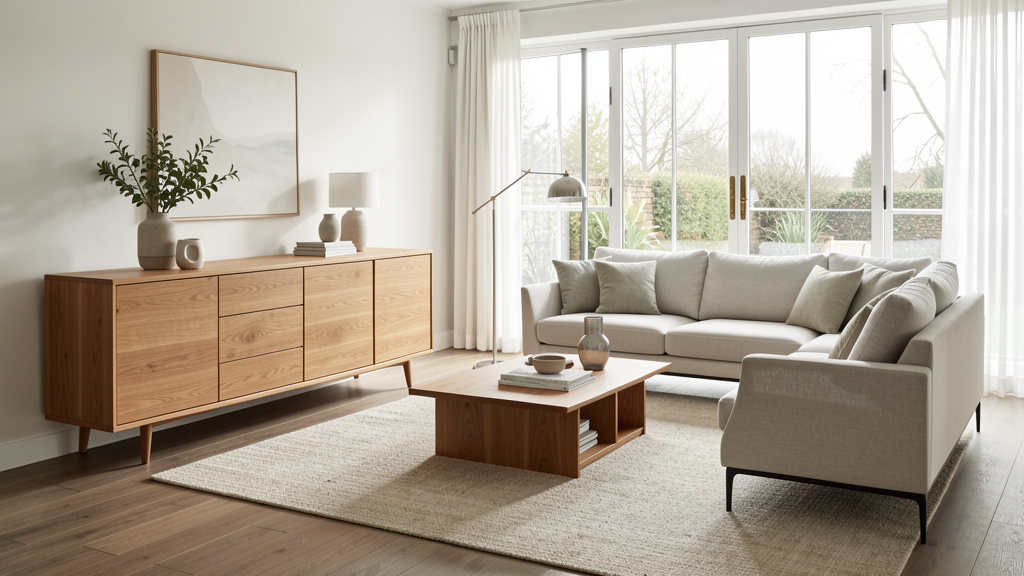
Unlock the timeless appeal of mid-century design with actionable strategies for authentic integration, room-by-room transformations, and avoiding common pitfalls—without sacrificing modern comfort, personal narrative, or ecological responsibility.
Mid-century modern design transcends fleeting trends because it solves enduring human needs: connection to nature, functional simplicity, and joyful expression through form. This isn’t about filling your home with vintage replicas or adhering to rigid stylistic rules. It’s about understanding the why behind the clean lines, organic shapes, and honest materials that defined an era of optimistic innovation—and thoughtfully adapting those principles to support how we live today. Whether you’re drawn to the warm walnut of an Eames lounge, the playful geometry of a Noguchi table, or the sun-drenched openness of a Case Study House, this guide provides the framework to weave mid-century spirit into your space with intention, authenticity, and modern relevance. Design historians consistently observe across archival records that the most resonant mid-century spaces succeeded not through stylistic purity, but through responsive adaptation to human needs—a lesson profoundly relevant today.
Introduction: Beyond the Instagram Aesthetic
Walk into any thoughtfully curated home today, and you’ll likely spot the silhouette of a molded plastic chair, a starburst clock on the wall, or a credenza with tapered legs. Mid-century modern (MCM) has become ubiquitous—but often superficially applied. True appreciation requires moving beyond surface-level decoration to grasp the movement’s philosophical roots. Emerging primarily between the mid-1940s and late 1960s across America, Scandinavia, Brazil, and Japan, MCM was born from postwar optimism, technological advances in materials (like molded plywood and fiberglass), and a democratic ideal: beautiful, functional design should be accessible to everyday people. Pioneers like Charles and Ray Eames, Eero Saarinen, Arne Jacobsen, Lina Bo Bardi, and George Nakashima weren’t merely creating furniture; they were reimagining how humans interact with objects and spaces in a rapidly changing world.
This guide honors that legacy by shifting focus from acquiring MCM pieces to understanding the design intelligence behind them. We’ll explore how to thoughtfully integrate these principles into contemporary life—addressing real-world constraints like open-plan layouts, digital device integration, sustainability concerns, multi-generational living, and rental limitations. You’ll learn to distinguish authentic design language from fleeting nostalgia, avoid costly missteps, and cultivate a space that feels both timeless and uniquely yours. The goal isn’t a museum-perfect replica of a 1958 living room, but a home where vintage warmth and modern practicality coexist in harmonious dialogue. As archival studies of the era consistently note, the most enduring MCM spaces succeeded not through rigid adherence to style, but through responsive adaptation to human needs—a lesson more vital today than ever.
The Authenticity-Adaptation Framework: Your Blueprint for Timeless Design
Many attempts at mid-century modern design falter because they treat it as a costume rather than a philosophy. The Authenticity-Adaptation Framework resolves this tension by providing a structured yet flexible approach. Authenticity anchors your choices in the movement’s core principles—honest materials, functional form, connection to nature, and democratic accessibility. Adaptation empowers you to reinterpret these principles through a contemporary lens: sustainability, technological integration, inclusive ergonomics, cultural narrative, and personal constraints. This isn’t about choosing between “pure” vintage and “inauthentic” modern; it’s about creating a dynamic equilibrium where historical wisdom informs present-day solutions.
Imagine this framework as a compass. Authenticity ensures you don’t lose sight of the design’s soul; adaptation ensures it remains relevant to your life. A room filled only with vintage pieces might feel like a stage set—beautiful but impractical for charging devices, accommodating guests with mobility needs, or reflecting your cultural identity. Conversely, a space using MCM only as decorative shorthand (a single atomic-pattern pillow on a fast-fashion sofa) lacks depth and intention. The sweet spot lies in the middle: a restored vintage credenza (authenticity) repurposed as a media console with discreet cable management (adaptation); a reproduction Eames chair (authenticity) reupholstered in a durable, eco-friendly fabric suited for pets and children (adaptation). This framework transforms overwhelm into clarity, guiding every decision from paint swatches to floor plans.
The Fundamental Principle: Mid-century modern design was never about freezing a moment in time—it was about courageous innovation for human-centered living. Your interpretation should honor that spirit of progress, not merely replicate its artifacts.
Step 1: Decode the DNA of Mid-Century Modern Design
Before selecting a single piece of furniture, immerse yourself in the foundational elements that define authentic MCM language. This isn’t academic trivia; it’s your diagnostic toolkit for evaluating purchases, avoiding pastiche, and making intentional choices. Think of these elements as interconnected strands of DNA—remove one, and the integrity weakens.
Organic Forms Meets Geometric Precision
MCM design masterfully balances flowing, nature-inspired shapes with crisp geometric lines. Notice how an Eero Saarinen Tulip Table features a single, sculptural pedestal base (organic) supporting a perfectly circular or oval top (geometric). Similarly, the Noguchi coffee table blends two interlocking curved wooden pieces with a triangular negative space. This duality reflects the era’s fascination with both natural forms and space-age precision. When evaluating a piece, ask: Does it feel static or dynamic? Does the shape serve a purpose beyond decoration? A cheap replica might mimic the silhouette but miss the subtle curvature that makes the original comfortable or stable. For example, authentic Eames molded chairs have a precise compound curve engineered for spinal support—a detail mass-produced knockoffs often flatten into a generic bowl shape. Documentation from the Eames Office archives confirms this ergonomic intentionality was non-negotiable in original designs.
Honest Materials, Celebrated, Not Hidden
Mid-century designers championed material truth. Wood grain wasn’t painted over; it was sanded, oiled, and showcased. Metal joints were visible, not concealed. Fiberglass shells revealed their molded origins. Walnut, teak, rosewood, oak, and Brazilian jacaranda were favored for their rich warmth and tactile quality. Danish designers like Hans Wegner elevated humble materials like paper cord for chair seats, turning function into artistry. This principle extends to modern applications: choosing a live-edge walnut slab for a desk (celebrating the wood’s natural edge) rather than a laminate pretending to be wood. When sourcing pieces today, run your hand over surfaces. Does the wood feel warm and textured? Are welds clean but visible? Avoid items where materials feel deceptive—vinyl masquerading as leather, particleboard with a thin wood veneer prone to peeling. Authenticity lives in the tactile experience. A well-crafted MCM piece invites touch; a superficial copy feels distant.
Tapered Legs: Function Forged in Form
Those slender, angled legs aren’t just aesthetic—they solve real spatial challenges. Tapered legs (typically at a 10–15 degree angle) create visual lightness, making furniture appear to float. This was revolutionary in postwar homes with smaller footprints, as it enhanced the perception of space and allowed light to flow underneath. Functionally, the taper adds structural stability by widening the base. Look closely: authentic vintage pieces have legs seamlessly integrated into the frame or attached with visible, purposeful hardware. Modern reproductions sometimes use straight, blocky legs for cheaper manufacturing—a common indicator of inauthenticity. When shopping, crouch down. Do the legs feel proportional? Is the angle consistent? In contemporary adaptation, this principle translates to choosing furniture with open bases (like a sofa on slim metal legs) to maintain spatial flow in open-plan homes, even if the legs aren’t strictly tapered.
Integration of Indoor and Outdoor Spaces
Large windows, sliding glass doors, atriums, and courtyards weren’t mere aesthetics; they embodied the MCM belief that architecture should connect inhabitants to nature. Designers like Richard Neutra, Joseph Eichler, and Oscar Niemeyer pioneered “bringing the outside in” through strategic sightlines, clerestory windows for indirect light, and materials that echoed the landscape (stone floors, wood ceilings). This principle is profoundly adaptable today. You don’t need a California ranch house to apply it. Place a reading nook beside a window with unobstructed views. Use indoor plants with sculptural forms (snake plants, fiddle-leaf figs, pothos) that mirror outdoor foliage. Choose textiles in earthy tones—ochre, olive, terracotta—that reflect natural palettes. Even in an urban apartment, a small balcony furnished with a compact MCM-inspired bistro set extends your living space visually and functionally. The goal is psychological connection: making nature an active participant in your daily experience. During warmer months, prioritize operable windows and cross-ventilation; in cooler seasons, use layered textiles to maintain the visual connection while ensuring comfort.
Purposeful Negative Space
Clutter was anathema to MCM philosophy. Clean lines and uncluttered surfaces weren’t about minimalism for its own sake; they reduced visual noise to highlight beautifully crafted objects and architectural features. Storage was cleverly integrated—sliding panels on credenzas, built-in shelving, hidden compartments—so essentials were accessible but not dominant. In today’s world of digital devices and abundant possessions, this principle is more challenging yet more valuable. Adaptation means designing for your reality: a media console with deep drawers for routers and cables, an entryway bench with hidden shoe storage, or floating shelves that display only your most meaningful objects. Negative space isn’t emptiness; it’s breathing room for intentionality. When arranging a room, step back and ask: Does every item earn its place? Does the space feel calm or chaotic? Authentic MCM spaces feel serene because every element has purpose.
Color as Strategic Accent
While popular imagery often depicts MCM interiors as all-neutral, color played a vital, intentional role. Primary and earth-inspired hues (mustard yellow, avocado green, burnt orange, sky blue, terracotta) were used sparingly as accents against neutral backdrops of cream, gray, walnut, and white. This created visual energy without overwhelming the space. Think of an orange Eames chair against a beige wall, or teal cushions on a charcoal sofa. The key was restraint: one or two accent colors per room, repeated in small doses (a lamp base, a ceramic vase, book spines). Modern adaptation means selecting colors that resonate with your environment and seasonality. If your home has northern light, warm terracotta or ochre adds coziness year-round; in a sun-drenched room, cool sage or slate blue provides balance during hot months. Avoid saturating entire walls in bold hues—a common modern misstep. Instead, use color like the originals did: as punctuation, not prose. Test paint swatches at different times of day; observe how light transforms them. Authenticity lies in thoughtful application, not rigid color codes.
Step 2: Audit Your Space for Authentic Integration
Blindly inserting MCM elements into an incompatible space creates dissonance. A successful integration begins with a respectful dialogue between the design philosophy and your existing architecture, light, lifestyle, and constraints. This audit isn’t about judgment (“Is my house ‘right’ for MCM?”); it’s about strategic alignment. Grab a notebook and walk through your home with fresh eyes.
Architectural Compatibility Assessment
Examine your home’s bones. Do you have:
– Flat or low-pitched roofs? Common in ranch-style or split-level homes (1950s–70s), these provide a natural canvas. Emphasize horizontal lines with long, low furniture (a low-profile sofa, a horizontal credenza).
– Post-and-beam construction or exposed beams? Celebrate them! These structural elements echo MCM’s love of honest expression. Avoid covering beams with drywall; instead, stain them to match other wood tones.
– Large windows or sliding glass doors? Maximize this asset. Keep window treatments minimal—simple roller shades, wooden slat blinds, or sheer curtains that don’t obstruct views. Arrange furniture to face outward, inviting the landscape in.
– Open floor plan? This is ideal for MCM’s flow-oriented ethos. Define zones without walls: use a low bookshelf to separate living and dining areas, or position a sofa with its back to the kitchen. Ensure sightlines remain clear.
– Traditional features (crown molding, bay windows, high ceilings)? Don’t fight them. Adaptation is key. In a Victorian with ornate molding, choose MCM furniture with clean lines to create intentional contrast—let the architecture be the “art.” Avoid cramming too many vintage pieces; let one or two iconic items (a Saarinen chair, a Jacobsen Egg chair) shine as focal points against the historic backdrop. The juxtaposition, when handled with intentionality around color and texture repetition, feels curated and layered—not accidental.
Lighting Analysis: Mapping Natural and Artificial Flow
Light is the invisible material of MCM design. Spend a full day observing how sunlight moves through each room. Note:
– Direction and intensity: South-facing rooms get warm, consistent light—ideal for showcasing wood tones. North-facing rooms have cool, diffuse light; counteract with warm artificial lighting and richer wall colors.
– Seasonal shifts: Track how light changes between summer and winter. A window that floods a room with harsh light in July may feel dim in December. Plan layered lighting solutions accordingly.
– Problem areas: Dark corners? Harsh midday glare? MCM solutions are elegant. For dark corners, add a sculptural floor lamp (like a George Nelson Bubble Lamp or an Arco lamp) that provides ambient glow without visual bulk. For glare, install adjustable wooden slat blinds (a hallmark of Eichler homes) to diffuse light while maintaining views.
– Existing fixtures: Are there outdated chandeliers or fluorescent boxes? Plan replacements strategically. In dining areas, a single pendant with an organic shape (like a PH5 lamp) draws the eye downward, defining the space. In kitchens, under-cabinet LED strips with warm color temperature (2700K–3000K) provide task lighting while highlighting countertops—a modern take on MCM’s functional illumination. Remember: MCM lighting is often sculptural art. Choose fixtures that delight even when switched off.
Lifestyle Reality Check
Authentic design serves real people. Honestly assess:
– Who uses this space? Young children? Elderly parents? Remote workers? A vintage teak dining table is beautiful, but if you have toddlers, its sharp edges and delicate finish may be impractical. Adaptation: Choose a reproduction table with rounded corners and a durable, matte finish. Or, use the vintage piece in a formal dining room and opt for a sturdy, MCM-inspired table (like a Room & Board Sled table) in the family eating area.
– Daily routines: Where do you charge devices? Store remotes? Display children’s artwork? Integrate solutions invisibly. A vintage credenza can house a charging station behind closed doors. Floating shelves at child-height display art while keeping walls clean. The goal is seamless functionality—MCM design supports life, it doesn’t complicate it.
– Personal narrative: What colors, textures, or objects hold meaning for you? MCM wasn’t monolithic; Scandinavian MCM favored light woods and hygge coziness, while American West Coast MCM embraced bold colors and indoor-outdoor flow. Brazilian MCM celebrated tropical woods and vibrant palettes. Let your heritage, travels, or passions inform your choices. A Japanese-inspired tokonoma alcove with a single ikebana arrangement beside a Noguchi table honors both MCM’s simplicity and your cultural identity. Authenticity includes your story.
Spatial Flow and Proportion Mapping
Measure your rooms and sketch a simple floor plan. Note door swings, radiator placements, and traffic paths. MCM design prioritizes ease of movement. Ask:
– Does furniture block natural pathways? In living rooms, ensure at least 30 inches of clearance around seating areas. Choose sofas no deeper than 36 inches to maintain conversation intimacy.
– Is scale appropriate? A massive sectional overwhelms a small room; a tiny chair gets lost in a vast space. Authentic MCM furniture was often modular and human-scaled. In compact apartments, prioritize pieces with visual lightness (glass-top tables, chairs with open frames). In large rooms, group furniture into intimate clusters rather than pushing everything against walls.
– Vertical space utilization: MCM embraced height without heaviness. Install floating shelves 12–18 inches below ceiling height to draw the eye up. Avoid tall, closed cabinets that chop the room visually. If you have high ceilings, a dramatic floor lamp (like the Arco’s 9-foot arc) adds vertical interest without occupying floor space.
This audit transforms guesswork into strategy. You’ll enter the sourcing phase with clear criteria: “I need a low-profile sofa under 84 inches wide for my north-facing living room, with durable fabric for my dog, in a warm neutral to counteract cool light.” Precision prevents costly mistakes and builds confidence.
Step 3: Curate with Intention: Sourcing Pieces with Purpose
Armed with your audit, sourcing becomes a purposeful treasure hunt—not a frantic scroll through generic marketplaces. This step separates thoughtful curation from impulsive collecting. We’ll navigate the complex landscape of vintage, reproduction, and contemporary pieces with clear criteria for quality, ethics, and fit.
The Vintage Hunt: Authenticity, Condition, and Ethics
Finding genuine vintage MCM is thrilling but requires discernment. Focus on these pillars:
Authentication Fundamentals
– Maker’s Marks: Study logos and stamps. Herman Miller pieces have paper labels (often faded) or metal tags; pre-1970s Eames chairs have “Herman Miller” stamped under the seat shell. Knoll furniture bears a distinctive “K” logo. Research specific marks for designers you admire (e.g., “Hans Wegner” carved into chair legs). When in doubt, consult reputable databases like the Knoll Archive or Eames Office resources.
– Construction Clues: Authentic vintage teak has a rich, oily patina and tight grain. Run your hand over surfaces—real wood feels warm; laminate feels cool and uniform. Check joints: dovetail drawers, mortise-and-tenon frames, and visible brass hardware indicate quality. Avoid pieces with wobbly legs, veneer bubbles, or mismatched wood tones (signs of poor repair).
– Proportional Integrity: Vintage pieces adhere to precise ergonomic ratios. Sit in a chair: Does the seat depth support your thighs without pressing behind knees? Is the backrest angle comfortable for reading? Reproductions often alter proportions to cut costs (e.g., shallower seats, lower backs).
Condition Assessment Protocol
Don’t fear patina—it tells a story. But distinguish desirable character from damage:
– Wood: Light surface scratches can often be oiled out. Deep gouges, water rings, or loose joints require professional assessment. Check undersides and interiors for hidden damage.
– Upholstery: Original fabric is rare and often fragile. Assess foam density (should rebound slowly) and frame stability. Reupholstering is usually wise—choose durable, period-appropriate fabrics (wool blends, top-grain leather) in colors that work for your life.
– Metal: Minor tarnish on brass or steel is acceptable; heavy rust or bent frames are red flags. Chrome should be smooth, not pitted.
– Documentation: Request clear photos of labels, stamps, and construction details before purchasing online. Reputable dealers provide these willingly.
Ethical and Sustainable Sourcing
Vintage is inherently circular—diverting furniture from landfills. But practice ethical consumption:
– Support Local: Visit estate sales, antique malls, and flea markets in your region. You reduce shipping emissions and support small businesses. Build relationships with dealers; they’ll alert you to new arrivals.
– Ask Provenance Questions: “Where was this piece sourced?” “Has it been restored?” Ethical dealers are transparent. Avoid sellers who cannot verify origin—this helps combat problematic antique trafficking.
– Restoration Over Replacement: Partner with a skilled local restorer for structural repairs. This preserves craftsmanship and extends the piece’s life. Budget a portion of the purchase price (typically 20–40%) for professional restoration—it’s an investment in longevity and story.
– Broaden Your Perspective: The market has historically undervalued pieces by Black designers (like Edward Wormley), Latin American pioneers (like Clara Porset), and non-Western makers. Educate yourself on diverse contributors to MCM history. Seek out dealers and resources dedicated to inclusive design narratives.
Reproductions: Navigating Quality and Integrity
Licensed reproductions make iconic designs accessible. But quality varies significantly. Prioritize these factors:
Licensed vs. Unauthorized
– Licensed (Recommended): Herman Miller (Eames, Nelson), Knoll (Saarinen, Bertoia), Vitra (worldwide rights outside North America). These honor original specifications, materials, and royalties to designers’ estates. Yes, they cost more—but you’re paying for engineering integrity, ethical labor practices, and lasting value. A Herman Miller Eames chair uses 11 layers of molded plywood; cheap copies use 5–7, leading to structural weakness over time.
– Unauthorized (Use Caution): Often sold on mass-market sites. Check for:
– Material shortcuts: Particleboard instead of solid wood, thin veneers, low-density foam.
– Proportional errors: Seats too shallow, backs too low, incorrect angles.
– Hardware: Flimsy screws vs. robust, visible bolts.
– Finish: Spray-painted wood vs. hand-rubbed oil.
Quality Assessment Checklist
1. Weight: Authentic reproductions feel substantial. Lift a chair leg—if it’s featherlight, materials are likely compromised.
2. Finish: Run your hand over wood. It should feel smooth but textured, not plasticky. Smell it: real wood oil has a faint nutty scent; chemical finishes smell sharp.
3. Hardware: Screws should be steel, not plastic. Joints should be tight with no wobble.
4. Upholstery: Foam should be high-resilience (HR) density (≥2.5 lb/ft³). Fabric should be tightly woven (check rub count: ≥30,000 double rubs for durability in high-use areas).
5. Warranty: Reputable brands offer multi-year warranties. This reflects confidence in construction and customer support.
Budget-Conscious Strategy
– Start Small: Invest in one iconic licensed piece (a Nelson bench, a Bertoia side chair) as your “anchor.” Build around it with vintage finds or contemporary pieces.
– Floor Models/Seconds: Herman Miller and Design Within Reach often sell floor models or items with minor cosmetic flaws at significant discounts. These are structurally sound and perfect for high-use areas.
– Seasonal Timing: Major retailers often have semi-annual sales events (typically January and July). Sign up for newsletters to be notified.
Contemporary Interpretations: Bridging Eras Thoughtfully
Many modern brands create MCM-inspired pieces with updated materials and functions. This is where adaptation shines. Look for:
– Material Innovation: Chairs using recycled ocean plastic molded into ergonomic shells (e.g., Emeco’s updates to classic forms). Tables with sustainably harvested bamboo or FSC-certified wood frames.
– Functional Upgrades: Sofas with discreetly integrated USB-C ports; media consoles with ventilated compartments and cable management for electronics.
– Inclusive Design: Furniture tested across diverse body types (e.g., higher seat heights for easier standing, deeper seats for taller users). Brands like Sabai offer modular, repairable sofas with MCM silhouettes and transparent supply chains.
– Ethical Production: Certifications like B Corp, Fair Trade, or FSC (Forest Stewardship Council). Research brand transparency reports regarding labor practices and environmental impact.
Red Flags in Contemporary Pieces
– “Mid-century style” used vaguely without design rationale or reference to principles.
– Ultra-low prices suggesting exploitative labor or materials with high VOC emissions.
– No accessible information on material sourcing, manufacturing location, or social responsibility.
Room-by-Room Sourcing Priority Guide
– Living Room: Anchor with one authentic or high-quality vintage piece (credenza, coffee table). Supplement with quality reproductions for seating (sofa, armchairs).
– Dining Room: Vintage table (if condition and size allow) paired with reproduction chairs for durability and matching sets.
– Bedroom: Vintage nightstands or dresser; new bed frame with tapered legs for comfort, longevity, and ease of assembly.
– Home Office: Licensed reproduction desk chair (ergonomic necessity for prolonged use); vintage bookshelf for character and storage.
Curating with intention transforms your space into a layered narrative—where a restored 1960s credenza holds your tablet charger, and a contemporary sofa upholstered in eco-friendly fabric hosts family movie nights. Every piece has purpose and provenance.
Step 4: Adapt for Contemporary Living: Function Meets Modern Life
Authentic MCM design solved the problems of its time: postwar housing shortages, new materials, suburban expansion. Today’s challenges differ—digital saturation, multi-generational households, climate consciousness, remote work, neurodiversity. True mastery lies in adapting MCM’s problem-solving spirit to current realities. This isn’t compromise; it’s evolution.
Technology Integration: Invisible Harmony
Clunky routers, tangled cables, and glowing device screens disrupt MCM’s serene aesthetic. Solutions should be seamless:
– Concealed Infrastructure: Modify vintage credenzas with discreet cable ports drilled in the back panel (use a grommet kit for clean edges). Line interior shelves with felt to mute router noise. Place power strips inside cabinets with ventilation holes.
– Smart Home Synergy: Choose smart bulbs with warm dimming (2200K–2700K) to mimic candlelight in sculptural MCM lamps. Install in-wall smart switches with minimalist faceplates (matte black or brushed brass) that complement period hardware. Voice control reduces the need for visible remotes.
– Device Charging Stations: Dedicate a small vintage tray on a console table for overnight charging. Use a woven leather cord organizer to bundle cables neatly. For desks, adhesive cable clips keep wires parallel and hidden.
– Screen Management: In media rooms, use a motorized projector screen that retracts into the ceiling, preserving wall space for art. When TVs are necessary, mount them flush on walls with cord covers painted to match. Position the screen at seated eye level to avoid neck strain—a functional update aligned with MCM’s ergonomic ethos.
Family-Friendly Adaptations: Durability Without Sacrifice
MCM interiors weren’t originally designed for sticky fingers or boisterous pets, but its principles adapt beautifully:
– Fabric Intelligence: Avoid delicate bouclé or light-colored velvet in high-traffic zones. Opt for performance fabrics with Crypton® or Revolution® technology—stain-resistant, durable, yet texturally rich (e.g., textured weaves in charcoal or olive). Top-grain leather develops a desirable patina with use; choose options with a protective finish. For vintage upholstery, apply a fabric protector after professional cleaning.
– Child-Safe Modifications: Round sharp table corners with clear silicone bumpers (nearly invisible). Secure tall bookshelves to wall studs with anti-tip kits—safety was a consideration even in original Eames children’s furniture designs. Choose rugs with low pile (flatweaves, sisal) that resist tripping and are easy to clean.
– Pet Integration: Elevated pet beds with tapered legs echo MCM aesthetics. Store toys in vintage-inspired woven baskets. Place scratching posts near windows to honor the indoor-outdoor connection principle. For claw-prone cats, avoid loose-weave fabrics; choose tight microsuede or leather.
– Flexible Zones: Use modular seating (like Bertoia wire chairs with removable cushions) that can be reconfigured for playdates or gatherings. Rolling carts (inspired by MCM utility carts) store art supplies or games, tucking away when not in use.
Sustainability and Circular Design Practices
MCM pioneers used materials efficiently; we must extend that ethos responsibly. Adaptation means closing the loop:
– Repair, Don’t Replace: Partner with local artisans for wood refinishing, reupholstery, or metal repair. Document the process—it adds to the piece’s story. Online communities (like r/MCMfurniture) offer repair tips and local referrals.
– Upcycling with Integrity: Transform a damaged vintage dresser into a bathroom vanity (seal wood properly for humidity). Convert a broken Eames shell into a wall-mounted planter (use marine-grade epoxy for stability). Ensure modifications respect the original design intent—avoid painting over beautiful, intact wood grain unnecessarily.
– Material Transparency: When buying new, inquire: “Where is this wood sourced?” “What are the foam and fabric certifications?” Prioritize brands using recycled content (e.g., Steelcase’s Think chair uses significant recycled materials) or take-back programs (Herman Miller’s RePurpose program).
– Energy Efficiency: Pair MCM-inspired fixtures with LED bulbs (using up to 90% less energy than incandescents). Use smart plugs to eliminate phantom load from electronics stored in credenzas. Lifecycle assessment studies indicate that locally sourced vintage furniture typically has a lower carbon footprint than new production, even accounting for restoration.
Ergonomics for Modern Bodies
Vintage seating wasn’t engineered for 8-hour workdays or diverse body types. Adapt thoughtfully:
– Desk Chairs: Never use a vintage shell chair (Eames, Bertoia) as your primary office seat for prolonged periods. Invest in an ergonomically certified chair (Herman Miller Aeron, Steelcase Leap) with MCM-inspired aesthetics (clean lines, minimal frame). Add a lumbar cushion to vintage dining chairs for occasional use.
– Seating Heights: Standard vintage sofa seat height is 15–16 inches. For users with mobility challenges or preference for easier standing, choose reproductions with 17–18 inch seats (e.g., Article’s Sven sofa) or add firm, tapered-leg ottomans for support.
– Lighting Placement: Task lighting should illuminate work surfaces without glare. Position adjustable architect lamps (like the Anglepoise) so light falls behind your monitor. For reading nooks, ensure floor lamps provide light at shoulder height when seated.
Multi-Generational and Inclusive Considerations
Design for diverse needs within one home:
– Universal Design Touches: Install lever-style door handles (easier than knobs) in finishes matching MCM hardware (brushed brass, matte black). Ensure clear floor space (60-inch diameter) around key areas for wheelchair turning radius. Choose area rugs with non-slip pads and low profiles to prevent tripping.
– Sensory Awareness: For neurodiverse family members, avoid overly reflective surfaces (high-gloss tables) that cause glare. Incorporate textured textiles (chunky knit throws, nubby wool rugs) for tactile comfort. Use layered lighting (ambient + task) to allow personal control over brightness.
– Cultural Integration: MCM was never monolithic. Honor your heritage: Display Japanese kokeshi dolls on a Noguchi table; use Mexican alebrijes (folk art sculptures) as colorful accents against walnut shelves; incorporate West African mudcloth pillows on a neutral sofa. This enriches the narrative beyond a Western-centric canon.
Adaptation isn’t dilution—it’s deepening relevance. A home that thoughtfully integrates technology, welcomes all bodies, operates sustainably, and reflects personal history embodies the true spirit of mid-century innovation: design in humble service of human flourishing.
Step 5: Layer with Modern Complements: Color, Texture, and Art
Furniture sets the stage, but intentional layers create soul. This step transforms a collection of pieces into a cohesive, lived-in sanctuary. MCM interiors avoided sterile perfection; they felt warm, personal, and alive. Your layering choices should reflect your unique story while honoring core principles.
Color Strategy: Beyond the Atomic Palette
While mustard and avocado have their place, modern interpretation embraces nuance and context:
– Neutral Foundation: Start with 60% neutral backdrop: warm whites (Benjamin Moore White Dove), soft greiges with beige undertones (Revere Pewter), or creamy beiges (Accessible Beige). These allow wood tones and art to shine. Avoid cool, stark whites—they clash with warm wood and feel clinical.
– Earth-Inspired Accents (30%): Draw from your local landscape and season. Coastal home? Soft sea glass blues and sandy taupes. Desert dwelling? Terracotta, sage, and clay red. Forest setting? Deep moss green and charcoal. These feel organic, not dated. Adjust textiles seasonally: swap a summer linen throw for a winter wool blanket in a complementary earth tone.
– Personal Accent (10%): Choose one color that resonates deeply with you—a favorite sweater shade, a memory of travel. Use it sparingly: the spine of books on a shelf, ceramic mug collection, single artwork. This injects authenticity without overwhelming.
– Modern Application: Paint one accent wall in a deep, muted tone (Sherwin-Williams Evergreen Fog) behind a credenza. Use color-blocking: two adjacent walls in complementary earth tones. For renters, removable wallpaper with subtle geometric patterns (like Marimekko’s Unikko) adds personality without commitment.
Textiles: Tactile Warmth and Function
MCM embraced texture to soften hard lines. Layer intentionally:
– Rugs: Anchor seating areas with rugs extending 12–18 inches beyond furniture. Choose:
– Vintage-inspired: Flatweave dhurries (durable, reversible), sisal with leather binding (natural texture).
– Modern updates: Recycled PET rugs mimicking wool texture (stain-resistant, eco-friendly), hand-tufted wool in organic shapes (cloud, kidney bean).
– Avoid: Overly busy patterns that compete with furniture lines. Opt for subtle texture (herringbone, bouclé) or large-scale geometric motifs.
– Throws and Pillows: Mix materials for sensory interest:
– Chunky knit wool throw draped over a leather sofa arm.
– Linen pillow covers in oatmeal with contrast stitching.
– Vintage kilim pillow adding cultural narrative and color pop.
– Performance velvet in deep emerald for spill resistance in family rooms.
– Rule of three: Vary sizes (18×18, 20×20, lumbar) and textures. Limit patterns to two per seating group.
– Window Treatments: Prioritize function and simplicity:
– Wooden slat blinds (adjustable for precise light control, classic MCM).
– Linen roller shades (soft diffusion, natural texture).
– Sheer curtains in ivory hung high and wide to amplify windows and light.
– Avoid heavy drapes that block light and visual flow.
Art and Objects: Curated, Not Cluttered
MCM celebrated art as integral to architecture. Display with intention:
– Art Selection Principles:
– Scale: Large walls demand large art (or a cohesive gallery group). A single oversized abstract painting above a sofa creates impact. Small walls suit intimate works (vintage botanical prints, ceramic plates).
– Style Harmony: Abstract expressionism (Helen Frankenthaler), geometric art (Josef Albers), or nature photography complement MCM lines. Avoid ornate gold frames; choose slim black, natural wood, or float-mounted canvases.
– Personal Connection: Display children’s art in simple clip frames on a dedicated shelf. Hang travel souvenirs (a woven Guatemalan textile, a Japanese furoshiki cloth) as textile art.
– Sculptural Objects: Treat functional items as art:
– Ceramics: Group vintage McCoy pottery or contemporary stoneware in earthy glazes on a shelf. Vary heights and shapes.
– Glass: Cluster vintage Murano glass vases (even small fragments) on a windowsill to catch light.
– Books: Style books spine-out in color gradients (ochre to rust) or by subject. Include design monographs (Eames, Neutra) alongside personal favorites.
– Greenery as Living Art: Plants were non-negotiable in MCM homes. Choose sculptural, low-maintenance varieties:
– Floor: Fiddle-leaf fig (dramatic silhouette), snake plant (architectural lines, tolerates low light).
– Tables: Pothos in a vintage ceramic pot (trailing form), ZZ plant (glossy leaves, indestructible).
– Hanging: String of pearls in a macramé hanger near a window.
– Pro Tip: Group plants in odd numbers (3, 5) at varying heights. Use plant stands with tapered legs to maintain visual language. Rotate plants seasonally for freshness.
Lighting Layers: Ambient, Task, Accent
MCM used lighting sculpturally. Create depth with three layers:
1. Ambient (Overall Glow): Recessed LEDs (2700K) with dimmers for general illumination. A large paper lantern (Nelson Bubble Lamp) provides soft, shadow-free light.
2. Task (Focused Function): Adjustable architect lamps for desks, reading chairs. Under-cabinet kitchen lighting. Ensure task lights don’t cast shadows on work surfaces.
3. Accent (Drama and Dimension): Picture lights highlighting art. LED strip lighting under floating shelves to create a “float” effect. A single spotlight on a sculptural object.
– Modern Upgrade: Smart bulbs allow scheduling (warm light in evenings) and color tuning. Place motion-sensor nightlights in hallways with warm glow for safety without disruption.
Sensory Layering: The Unseen Elements
True cohesion engages all senses:
– Scent: Avoid synthetic air fresheners. Simmer citrus peels and cinnamon sticks on the stove. Use beeswax candles (clean burn) in ceramic holders. Place a small dish of dried lavender in closets.
– Sound: Reduce echo in hard-surfaced rooms with thick rugs and fabric upholstery. Play ambient nature sounds or jazz (Miles Davis, Dave Brubeck) at low volume—music was integral to MCM entertaining culture.
– Touch: Ensure every surface invites interaction: smooth wood grain, nubby wool rug, cool ceramic mug. This tactile richness is deeply comforting and grounding.
Layering is the art of restraint. Step back frequently. Does the space feel calm yet inviting? Do layers enhance the architecture and furniture, or compete with them? Edit ruthlessly. Remove one item at a time until the space feels balanced. Authentic MCM interiors feel collected over time—not decorated all at once. Your layers should tell a story of a life well-lived, season by season.
Room-by-Room Implementation: Bringing the Framework to Life
Theory becomes tangible when applied to specific spaces. This section translates the Authenticity-Adaptation Framework into actionable blueprints for every key area of your home. Each room addresses unique functional demands while maintaining cohesive design language. We’ll include precise measurements, material recommendations, and adaptation strategies for real-world constraints.
The Living Room: Heart of the Home
The living room is where MCM philosophy shines—prioritizing connection, comfort, and flow. Avoid the common pitfall of arranging furniture against walls. Instead, create intimate conversation zones that honor human scale and encourage interaction.
Layout Strategy for Connection
– Standard Room (12’x15’): Float a low-profile sofa (84″ max width) 12 inches from the back wall. Position two armchairs (like Wegner Wishbone chairs) at a 45-degree angle to the sofa, forming a loose U-shape. Place a Noguchi-style coffee table centrally, ensuring 18 inches of clearance around all sides for easy movement. This arrangement encourages eye contact and conversation—core to MCM’s human-centered ethos.
– Open-Plan Challenge: Define the living zone without blocking sightlines. Use a low bookshelf (30″ high) as a room divider between living and dining areas. Position the sofa with its back to the shelf, facing the fireplace or TV wall. Add a narrow console table (14″ deep) behind the sofa for lamps or art, reinforcing the zone.
– Small Space Solution (Under 200 sq ft): Prioritize visual lightness. Choose a loveseat (58″ wide) instead of a sofa. Use a nesting table set (two tables that tuck together) instead of a large coffee table—pull one out for drinks, tuck away when not needed. Mount the TV on the wall to free floor space. A single sculptural floor lamp (like the Arco) provides light without occupying precious square footage.
Furniture Selection Deep Dive
– Sofa: Seat depth is critical. For average heights (5’4″–5’10”), choose 21–23 inch depth. For taller users or lounging preference, 24–26 inches. Test before buying: knees should form a 90-degree angle when seated. Recommended: Article Sven (reproduction style, performance fabric options), Sabai Essential (modular, repairable). Avoid deep sectionals that isolate sitters.
– Coffee Table: Height should be 1–2 inches lower than sofa seat height (typically 16″ table for 18″ sofa seat). Round or oval tables prevent bumped knees and improve flow. Vintage find: Teak Danish modern table with hairpin legs. Budget option: IKEA LACK table painted matte black with tapered wooden legs added (DIY adaptation).
– Storage: A vintage teak credenza (72″ wide) serves multiple roles: media storage, display surface, room divider. Drill discreet cable holes in the back. Line interior with corkboard to pin notes or photos—a functional, personal touch MCM designers appreciated.
Technology Integration Blueprint
– TV Placement: Mount at seated eye level (typically 42″ from floor to center of screen). Hide components inside the credenza with ventilation gaps. Use a universal remote to minimize visible remotes.
– Sound System: Choose compact, design-forward speakers (Sonos Era 100) that complement aesthetics. Place on floating shelves flanking the TV. For audiophiles, a vintage tube amplifier displayed openly becomes sculptural art.
– Charging Hub: Dedicate the credenza’s top right corner: a small woven tray holds phones/tablets charging via a hidden power strip inside. A vintage ceramic dish holds loose change and keys.
Lighting Plan
– Ambient: Recessed LEDs (dimmed to 50% in evenings) + George Nelson Bubble Lamp (24″ diameter) centered over seating area.
– Task: Adjustable floor lamp (Anglepoise Type 75) beside reading chair. Ensure lampshade directs light downward onto book.
– Accent: Small LED puck lights inside credenza glass doors to highlight displayed objects. Picture light above artwork.
Styling with Intention
– Shelving: Style bookshelves using the “rule of thirds”: 1/3 books (spine-out in color order), 1/3 objects (ceramic vase, small sculpture), 1/3 negative space. Place tallest items at ends, shortest in center.
– Coffee Table: Limit to three items: a stack of design books (Eames: Beautiful Details), a single sculptural object (smooth river stone, vintage camera), a small living element (air plant in ceramic dish).
– Textiles: Layer a large sisal rug (9’x12′) under all furniture legs. Add a smaller vintage kilim rug (5’x8′) on top for color and texture. Drape a chunky oatmeal knit throw over sofa arm.
Adaptation Spotlight: Family Living Room
– Challenge: Toddlers + vintage furniture.
– Solutions:
– Reupholster sofa in performance velvet (Crypton® fabric, charcoal gray).
– Replace glass coffee table with solid wood version (rounded corners).
– Secure bookshelf to wall with anti-tip kit.
– Store toys in vintage-inspired woven seagrass baskets tucked under console table.
– Use washable linen pillow covers; keep extras on hand.
This maintains aesthetic integrity while embracing joyful chaos. The space feels lived-in, not fragile—a true reflection of family life.
The Kitchen: Where Form Follows Function
MCM kitchens celebrated efficiency and social connection—pioneering the “work triangle” (sink, stove, fridge) and open layouts that invited family interaction. Modern adaptations honor this legacy while integrating today’s culinary tech, sustainability needs, and diverse cooking styles.
Cabinet and Layout Philosophy
– Authentic Elements: Flat-panel doors (no raised molding), minimal hardware (recessed pulls or slim brass bars), continuous countertops. Open shelving for frequently used dishes—displaying beautiful ceramics as art.
– Modern Adaptation:
– For Renovations: Choose shaker-style cabinets with flat recessed panels (closest to MCM aesthetic). Paint in warm white (Benjamin Moore White Dove) or soft gray (Revere Pewter). Install finger pulls routed into cabinet edges for seamless look.
– Renter-Friendly: Remove existing ornate hardware; replace with slim black bar pulls. Paint cabinet fronts (use removable peel-and-stick film for no-commitment option). Add open shelving by removing upper cabinet doors and sanding/painting interiors.
– Sustainability: Specify FSC-certified plywood boxes, low-VOC finishes. Choose countertops with recycled content: PaperStone (100% post-consumer paper), Richlite (recycled paper composite), or quartz with recycled glass flecks.
Material Palette for Durability and Warmth
– Countertops: Butcher block (maple or walnut) for islands—warm, repairable, and ideal for food prep. Seal regularly with mineral oil. For perimeter counters, quartz in “concrete” finish offers durability with organic texture. Avoid high-gloss laminates that show every scratch.
– Backsplash: Large-format matte tiles (12″x24″) in warm white or light gray minimize grout lines. For accent, use handmade zellige tiles in muted sage behind stove—subtle texture catches light beautifully. Budget option: Paint existing backsplash with high-gloss enamel in soft terracotta; seal edges with caulk.
– Flooring: Cork flooring (renewable, comfortable underfoot, sound-absorbing) in natural honey tone. Alternative: Linoleum (Marmoleum) in geometric pattern—durable, eco-friendly, and authentically period (linoleum was common in 1950s kitchens). Avoid cold, reflective porcelain tile.
Work Triangle Optimization
Measure your space. The total perimeter of the triangle (sink to stove to fridge) should ideally be 12–26 feet. Adaptations for modern life:
– Open-Plan Homes: Extend the triangle concept to include a coffee station or prep sink on the island. Ensure 42 inches of clearance around island for multiple cooks.
– Small Kitchens: Use a galley layout. Place sink between stove and fridge. Install a fold-down table on wall for extra prep space—tucks away when not needed (MCM loved space-saving solutions).
– Universal Design: Lower one section of countertop to 32 inches for seated use or wheelchair access. Install pull-out shelves in base cabinets—easier than deep bending. Choose lever-style faucet handles.
Appliance Integration: Hiding the Modern
– Panel-Ready Appliances: Integrate fridge, dishwasher, and microwave into cabinetry fronts for seamless look. Budget adaptation: Use appliance covers (like SmarterFridge) that mimic cabinet fronts. Paint stainless steel appliances with appliance epoxy paint in matte black or white.
– Visible Appliances: Choose design-forward pieces that earn their place: SMEG retro-style toaster in cream, KitchenAid stand mixer in matte black. Store on open shelves as functional art.
– Tech Upgrades: Install under-cabinet outlets with USB ports for small appliances. Use smart plugs to schedule coffee maker. Hide trash/recycling in pull-out cabinet with divided bins—keeps counters clear.
Lighting for Task and Ambiance
– Task: Under-cabinet LED strips (2700K, dimmable) with diffuser covers to eliminate glare on countertops. Pendant lights over island: Choose three matching globes (like Nelson Bubble Pendants) spaced 30 inches apart, hanging 30 inches above counter.
– Ambient: Recessed LEDs in perimeter. Add a single sculptural fixture over sink (like a PH5 lamp) for focal point.
– Natural Light: Keep windows unobstructed. Use sheer roller shades for privacy without blocking light. Place a small herb garden on windowsill—functional greenery that changes with the seasons.
Styling the MCM Kitchen
– Open Shelving: Display only your most beautiful items: handmade ceramic mugs, vintage Pyrex bowls, wooden cutting boards. Group by color or material. Keep daily-use items within easy reach; store less-used items in closed cabinets.
– Countertop Curation: Limit to three items: knife block, fruit bowl (wooden or ceramic), cookbook stand with current recipe. Wipe surfaces clear after use—MCM valued uncluttered functionality.
– Textiles: Use linen tea towels in earthy tones hung on brass hooks. Place a small vintage rug (2’x3′) in front of sink for comfort during long prep sessions.
Adaptation Spotlight: Sustainable Kitchen Practices
– Composting: Use a sleek stainless steel countertop compost bin (like OXO) that matches appliances. Empty daily into outdoor bin.
– Water Conservation: Install aerated faucet (reduces flow by ~30% without sacrificing pressure). Keep a pitcher of filtered water in fridge to avoid running tap for cold water.
– Energy Efficiency: Choose ENERGY STAR appliances. Use induction cooktop (faster, safer, significantly more efficient than gas). Cook with lids on pots to reduce energy use.
– Zero-Waste Touches: Store dry goods in matching glass jars labeled with chalkboard tags. Use beeswax wraps instead of plastic wrap. These practices align with MCM’s resource-conscious origins and modern ecological values.
The MCM kitchen isn’t a museum piece—it’s a joyful, efficient hub where design supports daily rituals. Every choice, from cabinet pulls to compost bins, reflects intentionality and care.
The Bedroom: Serene and Streamlined
The bedroom should be a sanctuary of calm—a retreat from digital noise and daily demands. MCM design excels here through low profiles, natural materials, and uncluttered surfaces that promote rest. Avoid the temptation to fill every inch; negative space is essential for mental peace and restoration.
Bed Selection: Low Profile, High Comfort
– Authentic Silhouette: Platform beds with tapered legs (wood or metal), no box spring needed. Headboard should be low (max 36 inches) to maintain visual lightness and emphasize horizontal lines. Vintage find: Danish teak platform bed. Reproduction: West Elm Mid-Century Bed (solid wood, tapered legs).
– Modern Adaptation:
– For Comfort: Choose a bed with slats designed for memory foam or hybrid mattresses (check manufacturer specs). Add a low-profile upholstered headboard in linen for back support while reading—attach to wall if bed frame lacks one.
– Storage Solution: Opt for a platform bed with built-in drawers (like Article’s Sven Bed). Ideal for small spaces; eliminates need for bulky dressers. Ensure drawers glide smoothly on metal runners.
– Sustainability: Specify FSC-certified solid wood (walnut, oak) over veneered particleboard. Look for GREENGUARD Gold certification for low chemical emissions.
Layout for Flow and Function
– Standard Room (10’x12’): Place bed centered on main wall, 24 inches from side walls. Allow 36 inches of clearance on both sides for nightstands and movement. Position nightstands so top is level with mattress top (typically 24–26 inches high).
– Small Room Strategy: Float bed away from walls if possible. Use wall-mounted sconces instead of table lamps to free nightstand space. Choose a narrow dresser (30 inches wide) that fits beside closet door.
– Master Suite: Create a seating nook with a single vintage armchair (Eames lounge replica) and slim floor lamp in corner. Define zone with a small round rug (4′ diameter).
Nightstand Essentials: Curated Utility
– Height Rule: Nightstand top should be within 2 inches of mattress height for easy reach.
– Function Over Form: Prioritize one drawer for essentials (glasses, book, charger). Open shelf below holds bedtime book or small plant. Vintage option: Teak Danish modern nightstand with single drawer. Budget: IKEA NORDLI dresser (31″ wide) painted matte black with tapered legs added.
– Tech Integration: Drill small hole in back of nightstand for cord management. Use a wireless charging pad hidden in drawer. Place a small analog alarm clock (like Braun Classic) to avoid phone temptation.
Lighting for Restful Transition
– Ambient: Dimmable recessed LEDs (set to 2700K). Install dimmer switch at door and bedside.
– Task: Wall-mounted swing-arm sconces (like the George Nelson Bubble Sconce) on both sides of bed. Adjustable arms direct light onto book without glare. Alternative: Slim clip-on LED book lights for reading in bed without disturbing partner.
– Accent: Small LED strip under bed frame (warm white, dimmed low) provides soft nightlight for bathroom trips—no harsh overhead light needed.
Textiles for Sensory Calm
– Bedding: Layer natural fibers:
– Mattress pad: Wool (temperature-regulating).
– Sheets: Linen or long-staple cotton (breathable, softens with use).
– Duvet cover: Medium-weight cotton in warm white or oatmeal.
– Throw: Chunky knit wool at foot of bed for texture and warmth.
Avoid synthetic blends that trap heat and static.
– Rug: Place a large wool rug (8’x10′) under bed, extending 24 inches beyond sides. Provides warm surface for bare feet and absorbs sound. Choose low-pile for easy vacuuming.
– Window Treatments: Blackout roller shade (for sleep quality) layered with sheer linen curtain (for daytime privacy and soft light). Mount hardware close to ceiling to maximize window appearance.
Closet and Storage Solutions
– Built-Ins: If renovating, design floor-to-ceiling cabinets with flat-panel doors and recessed pulls. Include open shelving section for displaying folded sweaters or bags.
– Existing Closets: Install matching slim velvet hangers. Use uniform fabric bins (like The Container Store’s clear-front bins) labeled for categories (workout, off-season). Add LED motion-sensor lights inside closet—illuminates space when door opens.
– Dresser Styling: Top surface holds only three items: small ceramic dish for jewelry, single framed photo, living element (succulent). Keep drawers organized with dividers.
Adaptation Spotlight: Digital Detox Sanctuary
– Challenge: Phones disrupting sleep.
– Solutions:
– Designate a “charging station” outside bedroom (kitchen counter, entryway console).
– Use a vintage ceramic bowl on dresser for non-essential items (watch, wallet).
– Install a simple analog alarm clock.
– Add a small bookshelf with 5–7 favorite books—physical alternatives to scrolling.
– Place a notepad and pen on nightstand for capturing middle-of-night thoughts.
This intentional separation supports circadian rhythm and mental restoration. The bedroom becomes a true refuge for rest and renewal.
The Home Office: Productivity Meets Aesthetics
Remote work demands a space that fuels focus without sacrificing well-being. MCM design principles—ergonomics, connection to nature, uncluttered surfaces—are perfectly suited for modern work-from-home life. This isn’t just a desk in a corner; it’s a thoughtfully engineered environment for sustained creativity and comfort.
Desk Selection: Surface and Support
– Authentic Forms:
– Writing Desk: Slim profile (28–30 inches deep), tapered legs, wood surface (walnut, teak). Ideal for focused tasks; discourages clutter. Vintage: Danish teak desk with single drawer.
– Drafting Table: Adjustable tilt top (like Eames Aluminum Group desk). Perfect for architects, artists, or varied tasks.
– Modern Adaptations:
– Height-Adjustable: Uplift V2 or Fully Jarvis desks with solid wood tops and tapered leg options. Critical for alternating sitting/standing—reduces fatigue and boosts circulation. Program presets for sitting (elbows at 90 degrees) and standing heights.
– Space-Saving: Wall-mounted folding desk (like IKEA SKARSTA) with tapered wooden legs when down. Folds flat against wall when not in use—ideal for small apartments.
– Material Choice: Solid wood top (maple, walnut) for warmth and durability. Avoid glass tops (glare, cold feel). Ensure desk depth accommodates monitor arm (min 28 inches).
Ergonomic Chair: Non-Negotiable Investment
– Critical Rule: Never use a vintage shell chair (Eames, Bertoia) as your primary work chair for prolonged periods. They lack lumbar support and adjustability for all-day use.
– Recommended:
– Premium: Herman Miller Aeron (breathable mesh, fully adjustable) or Embody (designed with input from physicians for spinal alignment). Both have clean lines that complement MCM aesthetic.
– Mid-Range: Steelcase Gesture (adapts to varied postures) or Humanscale Freedom (self-adjusting recline).
– Budget: Branch Ergonomic Chair (modular adjustments, sustainable materials).
– Vintage Integration: Place a restored Eames lounge chair in corner as a “thinking spot” for reading or calls—not for 8-hour desk work.
Layout for Focus and Flow
– Positioning: Place desk perpendicular to window (not facing it directly to avoid screen glare, not with back to it to feel isolated). Natural light should fall on non-dominant hand side (e.g., left side for right-handed users).
– Clearance: Ensure 36 inches of clearance behind chair for movement. Keep high-traffic paths clear.
– Zoning: In shared spaces, use a low bookshelf (30 inches high) to define office area without blocking light. Position desk so you face into room—not into corner—to reduce claustrophobia.
Technology Integration: Clean and Efficient
– Monitor Setup: Use a single-arm monitor mount (like Ergotron) to free desk surface. Position top of screen at or slightly below eye level. For dual monitors, align centers with body midline.
– Cable Management:
– Under Desk: Adhesive cable trays route cords along desk underside. Velcro straps bundle power cords.
– Power: Mount a power strip with USB ports to desk underside—accessible but hidden. Label cords with washi tape for easy identification.
– Router/Modem: Place inside a ventilated vintage credenza nearby; drill discreet holes for cables.
– Lighting Synergy: Task lamp should complement screen brightness. Choose an adjustable architect lamp (Anglepoise) with LED bulb (3000K). Position to illuminate desk without casting shadows on screen. Avoid overhead lights causing glare.
Biophilic Design Elements
– Direct Connection: Place desk near window with view of greenery (even a potted plant outside counts).
– Indirect Connection:
– Plants: Snake plant (purifies air, low light), ZZ plant (drought-tolerant), or small peace lily on desk.
– Natural Materials: Wooden desk organizer, stone paperweight, cork bulletin board.
– Art: Nature photography or abstract art in earthy tones.
– Sensory: Small desktop fountain for gentle sound masking. Essential oil diffuser with cedarwood or lavender (use sparingly).
Storage Solutions for Mental Clarity
– Vertical Space: Install floating shelves 12 inches above desk for frequently referenced books or supplies. Keep desk surface clear except for essentials (lamp, notebook, pen cup).
– Closed Storage: Vintage teak filing cabinet (refurbished with new drawers) stores documents and supplies. Paint exterior to match desk if needed.
– Digital Declutter: Implement “inbox zero” for physical mail. Use a slim wall-mounted mail organizer with three slots: Action, File, Shred. Process daily.
Personalization Without Clutter
– Meaningful Objects: Limit desk top to three personal items: family photo in simple wood frame, small souvenir from meaningful trip, inspirational quote card in acrylic stand.
– Color Accent: One item in your personal accent color (e.g., emerald green notebook, terracotta ceramic pen holder).
– Art Wall: Dedicate wall above desk to a single large piece of art or cohesive gallery group. Avoid visual competition with screen.
Adaptation Spotlight: Hybrid Work Optimization
– Video Call Ready:
– Backdrop: Style floating shelves behind desk with books and one sculptural object—professional but personal.
– Lighting: Add a small ring light (mounted discreetly) for even facial illumination during calls. Position at eye level.
– Acoustics: Hang a woven textile wall hanging behind desk to absorb echo. Place a thick rug under chair to reduce noise transmission.
– Focus Zones: Use a small vintage screen (three-panel, rattan) to create visual separation when deep work is needed. Fold away when collaborating.
– Wellness Integration: Set phone timer for hourly “micro-breaks”: stand, stretch, look out window for 60 seconds. Keep a water bottle and healthy snacks within reach.
A thoughtfully designed home office reduces cognitive load, supports physical health, and sparks creativity—proving that beautiful design and peak productivity are inseparable.
Outdoor Spaces: Extending the Philosophy
MCM’s indoor-outdoor connection wasn’t just aesthetic; it was philosophical—a belief that architecture should dissolve boundaries between human habitat and natural world. This principle is profoundly adaptable to balconies, patios, yards, and even fire escapes. The goal: create an outdoor room that feels like a natural extension of your interior, not an afterthought. Seasonal awareness is key—solutions for summer shade differ from winter warmth.
Defining the Outdoor “Room”
– Zoning: Use area rugs (outdoor-rated polypropylene) to define seating/dining zones. Place rug under all furniture legs to anchor the space.
– Boundaries: Create soft edges with potted plants (tall grasses in planters), string lights overhead, or a low bench along perimeter. Avoid solid walls that block views and airflow.
– Flow: Ensure clear pathways (min 36 inches wide) between zones. Position furniture to face inward for conversation or outward toward views (garden, skyline).
Furniture Selection: Weather-Resistant Authenticity
– Materials Matter:
– Frames: Powder-coated aluminum (lightweight, rust-proof) or sustainably harvested teak (weathers to silvery gray; requires annual oiling). Avoid cheap resin that cracks in sun.
– Weaves: All-weather wicker (synthetic rattan) over aluminum frame—durable, comfortable, and visually light.
– Cushions: Solution-dyed acrylic fabric (Sunbrella®)—fade-resistant, mildew-resistant, quick-drying. Store cushions in ventilated bench when not in use.
– Authentic Silhouettes:
– Dining: Reproduction Eames molded plastic chairs (outdoor-rated) with aluminum bases. Pair with teak table.
– Lounge: Butterfly chairs (BKF chairs) with weather-resistant leather-look fabric. Low profile, sculptural, and portable.
– Seating: Modular sectional with tapered aluminum legs and deep seats for comfort.
– Budget Adaptation:
– Thrift Flip: Spray-paint vintage metal chairs with rust-inhibiting primer + outdoor enamel (matte black). Recover cushions with Sunbrella fabric.
– DIY: Build simple benches from cedar planks on hairpin legs (sealed for outdoor use).
Lighting for Ambiance and Safety
– Ambient: String lights (LED, warm white) crisscrossed overhead at varying heights. Use guide wires for clean installation. Solar-powered options eliminate cords.
– Task: Adjustable wall sconces near dining table or cooking area. Choose fixtures with downward-facing shades to minimize glare.
– Accent: Solar-powered path lights along walkways. Submersible LED lights in water features or planters.
– Safety: Motion-sensor lights at entry points. Ensure steps and level changes are well-lit. Avoid overly bright lights that disrupt ambiance or neighbors.
Greenery Integration: Layered Landscaping
– Vertical Interest: Train climbing plants (jasmine, clematis) on trellises or pergolas. Hang macramé planters with trailing ivy or string of pearls.
– Container Strategy: Group pots in odd numbers (3, 5) at varying heights. Use matching pots (terracotta, matte black ceramic) for cohesion.
– Tall: Olive tree or bamboo in large planter (back of grouping).
– Medium: Lavender, rosemary, or ornamental grasses.
– Low: Succulents, herbs, or creeping thyme spilling over edges.
– Edible Elements: Herb garden in window boxes (basil, mint, thyme). Dwarf citrus tree in large pot. Connects to MCM’s appreciation for functional beauty. Rotate plant selections seasonally for year-round interest.
Textiles and Comfort Enhancements
– Rugs: Outdoor polypropylene rug in neutral tone (taupe, charcoal) with subtle texture. Size should extend 12 inches beyond furniture.
– Throws: Keep weather-resistant acrylic throws (in charcoal or olive) in a lidded bench for cool evenings.
– Pillows: Mix solid colors and subtle geometric patterns. Store in bench when rain threatens.
– Heating: Propane fire table (like Solo Stove) provides warmth and focal point. Alternative: Electric patio heater mounted under eaves (discreet, no fumes). Adjust heating solutions based on climate and season.
Technology and Entertainment
– Sound: Weatherproof Bluetooth speaker (Bose, Sonos Move) placed under table or on shelf. Create playlists that complement outdoor ambiance (jazz, ambient nature sounds).
– Shade Solutions:
– Permanent: Pergola with retractable canopy (adjustable for sun angle).
– Temporary: Large market umbrella (teak pole, Sunbrella fabric) with heavy base.
– Natural: Plant deciduous trees (Japanese maple) that provide summer shade and winter sun.
– Cooking: Built-in grill station with clean lines (Weber Genesis) integrated into outdoor kitchen cabinetry. Small Space: Portable charcoal grill (Solo Stove) stored in bench when not in use.
Adaptation Spotlight: Urban Balcony Transformation
– Challenge: Small space (4’x8’), limited sun, privacy concerns.
– Solutions:
– Vertical Garden: Install wall-mounted planters (Woolly Pockets) with herbs and strawberries. Maximizes greenery without floor space.
– Furniture: Fold-down wall-mounted table (stained walnut) with two butterfly chairs that tuck underneath when not in use.
– Privacy: Hang outdoor-rated bamboo shades on railing. Train sweet peas up strings for living screen.
– Lighting: Solar-powered LED string lights draped along railing. Small battery-operated lantern on table.
– Sound: Compact Bluetooth speaker clipped to railing.
– Personal Touch: Small vintage tray holds ceramic mug and book—creates intimate coffee nook.
This transforms a concrete ledge into a serene escape. Every element serves multiple purposes, honoring MCM’s space-conscious innovation and seasonal adaptability.
Outdoor spaces designed with intention become essential living areas—places for morning coffee, evening conversations, and reconnecting with nature. They embody the ultimate MCM ideal: architecture in humble service to human experience, adapted thoughtfully to your context and climate.
Navigating Common Frictions: Solutions for Real-World Challenges
Even with a solid framework, real life introduces complexities. Budget constraints, authenticity anxieties, style conflicts, and sustainability dilemmas can stall progress. This section addresses these frictions head-on with pragmatic, empathetic solutions—turning obstacles into opportunities for deeper intentionality.
Friction 1: “I Love MCM, But My Budget Is Limited”
The Anxiety: Authentic vintage and licensed reproductions feel financially out of reach.
The Reality: True MCM spirit celebrates resourcefulness and democratic access—not exclusivity. Charles and Ray Eames themselves championed accessible design solutions.
Actionable Solutions:
– Start with Paint: Transform existing furniture. Sand and repaint a dated dresser in matte black with new tapered wooden legs (available online). Update hardware with slim brass pulls. This costs under $100 and delivers high visual impact.
– Thrift Smartly: Focus on “hero pieces” with strong silhouettes that read as MCM even if not authentic: a wooden chair with splayed legs, a round mirror with thin wood frame. Visit thrift stores on discount days (often mid-week). Clean thoroughly; minor repairs (tightening screws, replacing felt pads) cost little.
– DIY Lighting: Create a Nelson-inspired bubble lamp using a large white paper lantern (IKEA) and a simple socket kit. Or, make geometric pendant lights from wood dowels and black cord—tutorials abound online. Lighting dramatically alters ambiance at low cost.
– Textile Transformation: Recover throw pillows with vintage fabric remnants (check Etsy for “mid-century fabric”). Drape a vintage wool blanket (found at flea markets) over a sofa arm. Textiles add instant warmth and era-appropriate texture.
– Strategic Splurging: Allocate budget to one high-impact, durable item: a quality area rug or a licensed reproduction side chair. Build around it slowly. Patience yields a more meaningful collection than rushed purchases.
Key Mindset Shift: Authenticity isn’t about price tags—it’s about intention. A thoughtfully curated space with thrifted finds and DIY touches often feels more genuine than a room filled with expensive replicas lacking personal connection.
Friction 2: “How Do I Know If a Piece Is ‘Authentic Enough’?”
The Anxiety: Fear of “getting it wrong” or being judged for inauthentic choices.
The Reality: Design history is complex; rigid purity tests ignore MCM’s own evolution, regional variations, and democratic ethos.
Actionable Solutions:
– Focus on Principles, Not Pedigree: Does the piece embody core MCM values? Honest materials? Functional form? Connection to nature? A contemporary chair with tapered legs, warm wood, and ergonomic design honors the spirit even if not vintage.
– Embrace “Inspired By”: Many quality modern brands (Article, Sabai, Joybird) create pieces inspired by MCM aesthetics with updated comfort and sustainability. This isn’t betrayal—it’s continuation. Evaluate based on craftsmanship and fit for your life.
– Document Your Journey: Keep a small notebook or digital folder of pieces you love, noting why they resonate. “This credenza’s warm walnut grain reminds me of my grandfather’s workshop.” This personal narrative outweighs external validation.
– Consult Trusted Resources: Bookmark sites like Design Addict (for vintage ID), Knoll Archive, or Eames Office. When in doubt, post photos in supportive online communities (r/MCMfurniture, r/InteriorDesign) with specific questions.
– Honor Regional Variations: MCM wasn’t monolithic. Scandinavian MCM favored light woods and coziness; Brazilian MCM used bold colors and tropical woods; Japanese interpretations emphasized minimalism and natural materials. If a piece reflects your cultural heritage while aligning with MCM principles, it belongs.
Key Mindset Shift: Your home is a living document of your values and story—not a museum exhibit requiring curator approval. Confidence comes from understanding why you choose what you choose.
Friction 3: “My Partner/Family Hates the ‘Brown Furniture’ Look”
The Anxiety: Design conflict threatening household harmony.
The Reality: Compromise isn’t dilution—it’s collaboration. MCM’s human-centered ethos prioritizes people over aesthetics.
Actionable Solutions:
– Find Common Ground First: Identify shared values: “We both want a calm space,” “We need durable furniture for kids,” “We love natural light.” Anchor discussions in these shared goals.
– Introduce Gradually: Start with low-commitment layers: swap throw pillows, add a sculptural floor lamp, hang abstract art. Let the aesthetic grow on them organically. Avoid overhauling a room overnight.
– Blend Styles Thoughtfully:
– With Farmhouse: Pair a vintage teak credenza with a chunky knit throw and ceramic vase. The wood warmth bridges styles; avoid ornate farmhouse details (distressed finishes, roosters).
– With Modern Minimalist: Use MCM pieces as “warm accents” against a neutral, streamlined backdrop. A single Eames chair at a minimalist desk adds soul without clutter.
– With Bohemian: Layer vintage kilim pillows on a MCM sofa. Display global textiles on floating shelves. The organic shapes and earthy colors create synergy.
– Involve Them in Curation: Take your partner to a flea market. Say: “Help me