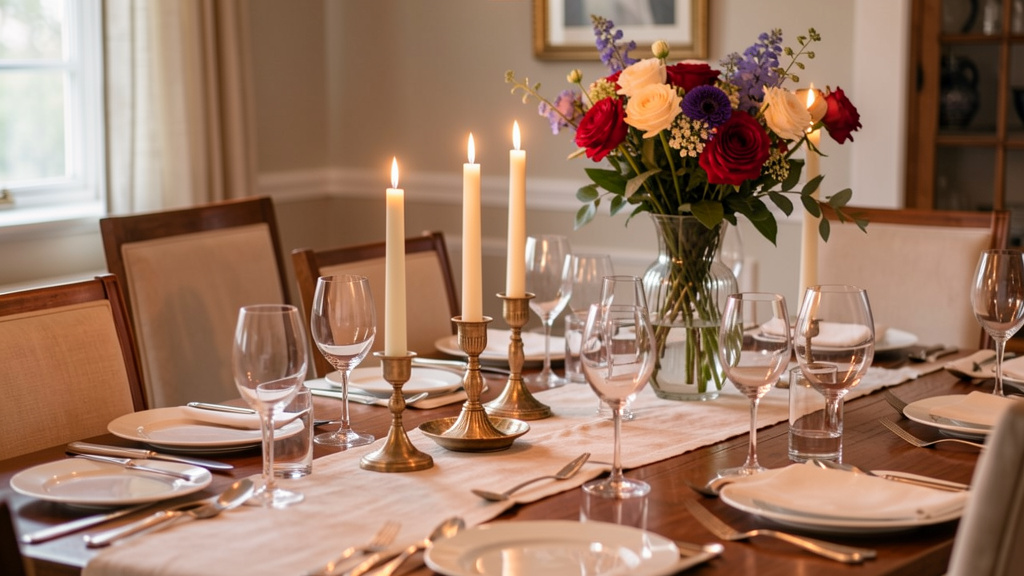
Transform Anxiety into Anticipation with a Practical Framework for Meaningful Gatherings, From Intimate Dinners to Seasonal Celebrations
Hosting should deepen connection, not deplete your spirit. Yet many thoughtful people delay invitations, lose sleep over details, or feel emotionally hollow after guests depart. This guide offers a compassionate, adaptable system rooted in hospitality principles, behavioral insights, and observed patterns across diverse home gatherings. It’s designed not to create perfection, but to protect your well-being while fostering genuine warmth—whether you’re sharing tacos with four friends on a Tuesday or celebrating a milestone with loved ones. True hospitality lives in intention, not Instagram aesthetics.
Introduction: Beyond the Curated Illusion
Scroll social feeds or browse magazines, and you’ll encounter a narrow narrative: immaculate tablescapes, multi-course meals prepared solo, hosts radiating effortless poise. This curated imagery has quietly eroded confidence for countless capable individuals. The pressure to perform—rather than simply welcome—often overshadows gathering’s original purpose: human connection. Research in social psychology suggests guests recall emotional resonance far more vividly than plating precision or porcelain quality. A slightly imperfect dessert shared amid laughter creates stronger relational imprints than a technically flawless dish served under host strain.
Authentic hospitality isn’t about flawless execution; it’s about conscious intention. It’s the deliberate choice to create a space where people feel seen, safe, and valued. This mindset shift—from performance to presence—forms the bedrock of sustainable hosting. Across cultures and contexts, experienced hosts share a common practice: they prepare strategically so they can be fully present. Preparation becomes psychological architecture, not just logistical checking. This guide synthesizes timeless, adaptable principles into a cohesive framework addressing the full hosting ecosystem: mental readiness before the doorbell rings, subtle dynamics during connection, and gentle closure afterward. By honoring your unique capacity, space, energy, and values, you cultivate gatherings that feel true to you—calm, connected, and deeply human.
The Effortless Host Framework: Three Layers of Intentional Preparation
At the heart of resilient hosting lies a layered philosophy—not a rigid checklist. The Effortless Host Framework integrates three interdependent dimensions. Most guides focus solely on logistics (Mechanics), leaving hosts emotionally unprepared. True ease emerges when all layers align:
- Mindset Layer: Your internal foundation—intentions, boundaries, energy awareness. This prevents burnout before shopping begins.
- Mechanics Layer: External structure—timelines, menus, spatial flow. This transforms overwhelm into calm, sequential action.
- Magic Layer: Experiential essence—subtle touches fostering comfort, conversation, and connection. This is where hospitality breathes.
Neglecting any layer creates friction. A beautifully set table (Mechanics) feels hollow if resentment simmers beneath (Mindset). A heartfelt welcome (Magic) falters if guests trip over coats (Mechanics). This integrated approach, reflecting patterns observed across varied cultural and logistical contexts, ensures preparation serves you—not an external ideal. It’s not about doing more; it’s about aligning actions with purpose.
Layer 1: Mindset – Cultivating the Host’s Inner Foundation
Preparation begins within. The Mindset Layer anchors your choices in clarity, not comparison. It transforms hosting from obligation into intentional care—for yourself and your guests.
Step 1: Clarify Your “Why” and Define Personal Success
Before drafting menus or sending invites, pause. Answer these questions with honesty:
Why this gathering? Celebration? Reconnection after loss? Welcoming neighbors? Honoring tradition? Your “why” shapes every decision—guest count, menu simplicity, desired energy (lively vs. serene).
What does “success” mean to me? Be specific: “My sister shares a genuine laugh,” “Everyone leaves feeling lighter,” “I remain calm and connected all evening.” Write this down. This internal metric shields you from external noise.
What are my non-negotiable boundaries?* Examples: “I stop cooking by 4 p.m.,” “I hire help for dishwashing,” “The gathering concludes by 10 p.m.,” “Paper plates for backyard ease.” Boundaries are self-respect in action—they protect your capacity to host warmly.
Why this matters: Without clarity, preparation drifts toward “shoulds,” draining energy on elements misaligned with your purpose. Boundaries prevent resentment—the quiet thief of host joy.
How to implement: Schedule 20 minutes of quiet reflection before planning begins. Keep your answers visible. When deciding between recipes, ask: “Does this honor my ‘why’ of relaxed connection?” If not, choose simplicity.
Common pitfalls: Skipping reflection (jumping straight to Pinterest), defining success by guest praise (“Best party ever!”), or setting vague boundaries (“I won’t stress”).
Illustrative example: Maria hosted a small dinner to support her friend Lena after a divorce. Her clarified “why”: “Create a quiet space where Lena feels listened to, not pitied.” Success metric: “Lena shares one genuine laugh.” Boundary: “No probing questions about the divorce.” She chose soft lighting, store-bought soup warmed with care, crusty bread, and gentle prompts like, “What brought you a small moment of peace this week?” The evening resonated precisely because preparation followed intention, not obligation.
Step 2: Guest List Alchemy – Intention Over Obligation
Your guest list shapes the gathering’s emotional climate and your preparation load. This step moves beyond “Who should I invite?” to “Who belongs in this specific container?”
Why this matters: Mismatched dynamics (clashing energies, unresolved history) create invisible tension you’ll feel responsible for managing. A smaller, intentionally curated group fosters deeper connection and reduces logistical strain.
How to implement:
1. Align with your “why”: Deep connection? Prioritize closeness over quantity. Neighborhood welcome? Prioritize inclusivity.
2. Consider energy chemistry: Visualize the room. Will Guest A’s boisterous style energize or overwhelm Guest B? You architect the vibe.
3. Honor realistic capacity: Can your space comfortably seat eight? Will managing twelve conversations drain you pre-dessert? Two joyful small gatherings often serve connection better than one strained large one.
4. Communicate expectations clearly: “Swing by between 4–7 p.m.” (casual) vs. “Dinner seated at 7:15 p.m.” (structured). Clarity reduces guest anxiety and your timing stress.
Common pitfalls: Obligation invites (“I must invite my neighbor”), overloading plus-ones without space consideration, overlooking discreet needs (allergies, mobility, social anxiety).
Illustrative example: David planned a “New Connections” brunch. His initial list of 18 diluted his purpose. He narrowed to ten: five warm connector-friends and five newer acquaintances. He seated them intentionally at one table, placed conversation prompts (“Share a small win this week”), and quietly briefed his close friends: “Help draw Sam and Chloe into the circle.” Organic connections formed. David felt engaged, not scattered.
Step 3: The Pre-Emptive Stress Audit – Name Triggers to Neutralize Them
Anxiety loses power when named. This proactive exercise identifies your specific stressors—transforming fear into preparedness.
Why this matters: Acknowledging worries shifts you from reactive panic (“The oven broke!”) to calm readiness (“I have a backup plan”).
How to implement:
1. Brainstorm freely (10 minutes): List every worry—big or small. “Guests arrive early,” “Awkward silence,” “I spill wine,” “I’m too tired.”
2. Prioritize: Star your top three visceral anxieties.
3. Create micro-solutions:
* Worry: “Guests arrive early.” Solution: Text day before: “Looking forward to 6:30! I’ll be finishing appetizers until then.” Prepare a “guest arrival kit”: water pitcher with lemon, small nut bowl, queued music.
* Worry: “Awkward silence.” Solution: Prepare 2–3 open-ended prompts tied to your “why” (“What’s a memory from our college days that still makes you smile?”). Place a visually interesting object (travel souvenir, unique vase) as a natural conversation hook.
* Worry: “I’m exhausted.” Solution: Block 90 minutes of recovery time the day after. Schedule the gathering to conclude at a time honoring your rest needs.
Common pitfalls: Dismissing worries as “silly,” creating overly complex solutions (“Call caterer last-minute”), working alone when overwhelmed.
Illustrative example: Anya’s top stressor: forgetting dietary needs. Her solution: colored sticky dots on her guest list (green = vegetarian, blue = nut allergy), with matching discreet markers next to buffet dishes (“Green dot = Vegan Option”). Guests self-identified comfortably. Anya’s primary anxiety dissolved through a simple, visual system.
The Guiding Insight: Preparation is not the enemy of presence; it is its prerequisite. By consciously architecting your inner foundation, you create the spaciousness needed to engage fully with your guests.
Layer 2: Mechanics – Engineering Seamless Logistics with Grace
With mindset clarity, Mechanics translates intention into calm action. Every logistical choice serves your defined purpose and protects your boundaries. This layer thrives on reverse-engineering: starting from the desired guest experience and working backward.
Step 1: The Reverse-Engineered Timeline – Distributing Effort Wisely
Forget overwhelming “Day-Of” checklists. A tailored timeline distributes tasks across days, aligning with your energy rhythms and event scale.
Why this matters: Cognitive load theory indicates our working memory is limited. Spreading preparation leverages “incubation time” (marinades deepen, ideas settle) and prevents last-minute panic. It transforms a mountain into manageable hills.
How to implement:
1. Define your scale honestly: Level 1 (Casual: 4 people, 2 hours), Level 2 (Standard: 8 people, 4 hours), Level 3 (Significant: 15+ people, 6+ hours).
2. Work backward from departure (T=0): What happens after guests leave? (Store leftovers, quick tidy). Move hour-by-hour to arrival.
3. Extend to T=-24 hours (Day Before): Set table, chill beverages, prep salad (dressing separate), test playlist.
4. Extend further (T=-3 days to T=-4 weeks): Finalize menu (T=-7), shop non-perishables (T=-7), send invites (T=-14).
5. Slot tasks into your calendar: “Tuesday 7 p.m.: Finalize guest list.” “Saturday 10 a.m.: Grocery shop.” Specificity makes it real.
Common pitfalls: Using generic online timelines, over-scheduling the day before (build in 25% buffer time), ignoring your natural energy peaks (don’t schedule intricate prep when exhausted).
Illustrative example – Level 2 Dinner (8 guests, 6:30–10 p.m.):
T = +60 min (11 p.m.): Load dishwasher, store leftovers, quick tidy. Rest.
T = 0 (10 p.m.): Begin gentle wind-down cues.
T = -60 min (9 p.m.): Brew tea/coffee, plate dessert.
T = -120 min (8 p.m.): Reheat main course, light candles.
T = -180 min (7 p.m.): Guests arrive. Appetizers flow. You are present.
T = -24 hours: Set table, chill drinks, make dessert, chop herbs, confirm details.
T = -48 hours: Grocery shop, marinate protein, make soup/appetizer.
T = -7 days: Finalize menu/guest list, send invites with clear times.
Adapting for constraints:
Budget-conscious: Extend timeline. T=-21 days: Scan sales flyers. T=-14 days: Plan menu around sale items. Reduces cost without increasing day-of stress.
Last-minute: Focus only on T=-24 hours and T=0. Order reliable takeout (call ahead), buy one floral bouquet, clear entryway/bathroom clutter, queue music. Your calm presence is the centerpiece.
Step 2: Menu Mapping with Inclusive Nourishment
Food expresses care. Menu Mapping shifts focus from “impressing with complexity” to “nourishing with thoughtfulness and inclusivity.”
Why this matters: Dietary considerations (allergies, ethics, health, culture) are increasingly common. Thoughtful planning ensures every guest feels welcomed and can eat with ease—freeing you from frantic last-minute adjustments.
How to implement:
1. Gather intel gently: In invites: “To help us prepare, please share any dietary preferences or needs.” Frame as care, not interrogation.
2. Adopt “Anchor + Adapt”: Choose 1–2 core dishes easily customized.
* Example: Roasted seasonal vegetables (naturally vegan/GF) as anchor. Proteins served separately: grilled chicken, harissa chickpeas, certified GF sausage. Grains separate: quinoa (GF), farro. Sauces in small bowls (tahini, dairy-free pesto, lemon).
* Why it works: Guests build plates comfortably. Minimizes cross-contamination risk. Everyone shares the visual centerpiece, fostering unity.
3. Prioritize make-ahead dishes: Soups, grain salads, dips, marinated proteins. 80% prep done 1–2 days prior = more presence on event day. Test new recipes ahead.
4. Embrace strategic simplicity: One stunning, well-executed dish surpasses three mediocre ones. Perfect roasted chicken + local bakery bread + vibrant store-bought salad feels abundant and intentional.
5. Non-alcoholic inclusivity: Offer at least one appealing crafted option: sparkling water with muddled berries/mint, hibiscus iced tea pitcher, or a labeled “Herbal Refresher.” Makes non-drinkers feel celebrated.
Common pitfalls: Asking “What can’t you eat?” upon arrival (puts guest on spot), making isolated “special meals” (can feel exclusionary), overcomplicating to prove skill.
Illustrative example: Ben hosted guests including vegan, celiac, and pescatarian friends. Menu: Sheet-pan roasted sweet potatoes/broccoli/chickpeas (anchor); proteins served separately (salmon, harissa chickpeas, GF sausage); grains separate (quinoa, farro); sauces in bowls. Non-alc “Cucumber-Lime Cooler.” Every guest built a satisfying plate. Ben reheated components while connecting.
Adapting for constraints:
Budget-conscious: Plant-based anchors (lentils, beans, seasonal produce) are cost-effective and adaptable. Hearty lentil soup + crusty bread + simple salad is deeply satisfying and economical. Shop ethnic grocers for affordable spices/produce.
Last-minute: Order from a restaurant noting allergens online. Call ahead: “Need one vegan, one GF meal for 6 p.m. pickup.” Present on your plates with a parsley sprig. Pair with baguette and quick green salad. Thoughtful ordering is deeply appreciated.
Step 3: Space Flow and Ambiance Engineering – Designing for Ease
Your home actively shapes the experience. This step intentionally designs physical flow and sensory atmosphere to guide comfort, minimize friction, and honor your space.
Why this matters: Poor flow creates invisible stress (guests blocking kitchen access, awkward seating). Ambiance (lighting, sound, scent) directly influences mood. A thoughtfully arranged space puts guests at ease, reducing your need to “manage” the room.
How to implement – The Guest Journey Walkthrough:
Entry Zone: Clear spot for coats (designated closet shelf, bench). Small tray for keys. Welcoming sight (plant, art).
Flow Path: Trace path from entry to gathering area, food station, bathroom. Ensure clear pathways (min. 24 inches). Angle seating for conversation (loose circles, not all facing TV). Temporarily remove tripping hazards.
Functional Zones:
* Welcome Zone (near entry): Water pitcher, light appetizers.
* Nourishment Zone: Food/drink station accessible (not buried in kitchen corner). Use trays. Place trash/recycling right beside station.
* Conversation Zone: Seating with drink surfaces within arm’s reach (critical for spill prevention).
* Quiet Zone (optional): Chair in calmer corner for respite.
Bathroom Check: Restock TP (extra roll visible). Fresh hand soap, clean towels (or quality paper towels), small trash can. Subtle freshness (drop of essential oil on cotton ball in trash). Small basket with travel essentials (mints, stain pen, hair ties) signals deep care.
Master the Ambiance Triad:
Lighting: Avoid harsh overheads alone. Layer: dim overheads, use lamps for warm pools, add candles (real or quality LED). Goal: soft, warm light on faces.
Sound: Pre-create 2–3 hour playlist. Volume low enough for easy conversation. Genre matches your “why” (acoustic folk for cozy, upbeat jazz for lively). Test volume in the space. Have wind-down playlist ready.
Scent: Avoid strong lingering cooking smells (ventilate while prepping earlier). Subtle pre-arrival freshness: simmer citrus/cinnamon 60 mins prior (turn off before guests arrive). Avoid heavy plug-ins—freshness (clean linens, aired rooms) is safest.
Common pitfalls: Food station deep in kitchen (traps you), visual clutter (creates anxiety), no drink surfaces (spill risk), music too loud (forces shouting).
Illustrative example: Chloe hosted in her small apartment. Fixes: decorative hook rack by door for coats; extra TP/towel visibly placed; swapped bright bulb for warm LED; used dining table (against wall) as food station; positioned side tables with coasters in living area; tested “Cozy Evening” playlist at low volume. Guests remarked on the “effortlessly welcoming” feel. Chloe moved freely, untrapped.
Adapting for constraints:
Budget-conscious: Use existing lamps. Borrow fairy lights. Tea lights in glass holders. Free streaming playlists. Open windows for fresh air. Decluttering costs nothing and has profound impact.
Last-minute (15-min sprint):* Dim lights, light one candle, start pre-made playlist low, clear entryway/bathroom/countertop clutter, place water pitcher on table, ensure TP full. Disproportionate impact.
Step 4: The Contingency Kit – Your Peace-of-Mind Arsenal
Minor hiccups happen. A pre-assembled kit transforms potential stressors into manageable moments, preserving your calm and the gathering’s flow.
Why this matters: When a small issue occurs (spilled drink, minor injury), having immediate solutions prevents panic. Your calm response reassures guests and maintains positive momentum.
How to implement: Assemble a basket 1–2 days prior. Store accessibly (linen closet). Include:
Spill Response: Small spray bottle (diluted dish soap), club soda, clean white microfiber cloths, stain pen, baking soda (for carpets).
Comfort & Care: Band-aids, antacid tablets, pain relievers (clearly labeled), antihistamines (labeled, note drowsiness), sewing kit, clear nail polish (stocking runs), hand sanitizer/lotion.
Functional Fixes: Small duct tape roll, scissors, universal phone charger, rubber bands, extra batteries, lighter.
Host Rescue: Energy snack (dark chocolate, almonds), small water bottle for you, calming essential oil on tissue (for quick breath if overwhelmed), printed timeline/menu (if phone fails).
Common pitfalls: Overcomplicating the kit, scattering items throughout house (centralize!), forgetting to restock post-event.
Illustrative example: Mark spilled red wine on his sofa. Calmly retrieved his kit: spritzed diluted soap, blotted with microfiber cloth, applied club soda. Stain lifted significantly. He joked, “My secret weapon!” The moment became lighthearted. Guests felt reassured by his composure.
Adapting for constraints:
Budget-conscious: Use items on hand: clean rags, pantry baking soda, basic first-aid from medicine cabinet. Power lies in assembly and accessibility, not new purchases.
Last-minute: Grab small basket: paper towels, club soda, band-aid, scissors, lighter, phone charger. Place near kitchen. Even minimal preparation provides psychological safety.
Layer 3: Magic – Cultivating Authentic Connection
Magic emerges when logistics are handled and presence is possible. It’s not forced entertainment—it’s subtle, personalized warmth that invites genuine connection.
Step 1: The First 15 Minutes – Setting the Emotional Tone
Initial moments shape the entire experience. A calm, intentional welcome acts as an emotional reset for guests carrying their day’s stress.
Why this matters: First impressions form rapidly. Your composed presence signals safety and sets a positive trajectory. It also anchors your calm.
How to implement:
1. Prepare yourself (5 mins prior): Three deep breaths. Reaffirm your “why.” Smile gently. Put phone away.
2. Physical welcome: Greet at door with eye contact, warm smile, their name. Appropriate touch (hand on arm, hug if customary). Avoid immediate apologies (“Sorry it’s messy!”) or logistics (“Bathroom’s that way!”). Connect first.
3. Immediate comfort: Take coat/bag. Offer beverage within 60 seconds: “Welcome! Sparkling water with lemon, or wine?” Pre-pour welcome drinks to streamline.
4. Micro-introduction: “Sarah, this is Ben—you both love hiking the PCT.” Provide a tiny connection point.
5. Vibe reinforcement: Weave in phrase aligned with “why”: “So glad we can unwind together tonight.”
Common pitfalls: Greeting while multitasking (wiping counters), over-apologizing (undermines your space), leaving new arrivals stranded.
Illustrative example: Lena hosted colleagues post-project. Each arrival: greeted by name, coat taken, offered “cucumber cooler or Sauvignon Blanc,” introduced to one person with shared interest (“Chloe led the design phase you admired”). Guests felt immediately at ease. The collaborative tone was set before dinner began.
Step 2: Conversation Catalysts and Activity Anchors – Fostering Organic Flow
Silence isn’t failure, but gentle catalysts can ease social pressure and deepen connection—especially with mixed groups.
Why this matters: Thoughtful prompts relieve guests of “performing” conversationally. They provide shared focus, bridge differences, and shift dynamics toward collaboration.
How to implement:
Conversation Catalysts:
* Prepared prompts: 2–3 open-ended questions tied to “why”: “What’s something you’re looking forward to this season?” “What small kindness touched you recently?” Use sparingly; listen deeply.
* Object Anchor: Place one interesting, neutral item where guests gather (vintage globe, geode, framed historical photo of your town). Invites natural comment.
* Shared Memory (use cautiously): For groups with positive shared history: “Remember finding that waterfall when we got lost hiking?” Frame positively.
Activity Anchors (low-pressure, optional):
* Collaborative food: Build-your-own taco/nacho bar, fondue pot. “Pass the guacamole” becomes connection.
* Creative station: Coloring books/pencils on side table, puzzle in progress, guestbook with prompt (“Share a hope for the new year”).
* Music interaction: Collaborative playlist (Spotify Blend), “Song Request” card by speaker.
* Gratitude round (use judiciously): Near end of meaningful gathering: “Would anyone feel comfortable sharing one thing you’re grateful for?” Always frame as optional. Never force.
Common pitfalls: Forcing participation, choosing controversial topics, over-scheduling activities, ignoring natural conversationalists (quietly enlist warm guests to help draw others in).
Illustrative example: For “Friendsgiving” with old and new friends, Maya placed a guestbook at entry: “Share a gratitude or hope.” Optional. Throughout evening, people drifted to it, chatted while writing. During dessert, she gently noted, “I saw beautiful notes in the book—would anyone like to share one?” Two shared heartfelt words. Felt organic, deepened community. The book became a cherished keepsake.
Step 3: The Graceful Wind-Down – Closing with Intention
How a gathering ends shapes its lasting impression. A gentle, respectful closure honors the connection made and protects your boundaries.
Why this matters: Abrupt endings create dissonance. A mindful wind-down allows emotional energy to settle positively. It prevents the “never-ending guest” scenario while maintaining warmth.
How to implement:
1. Read the room (start 30–45 mins before desired end): Notice slowing conversations, phone checks, yawns. This is your cue. Don’t wait for energy depletion.
2. Initiate gentle cues:
* Verbal: “I’ve so loved connecting tonight. I’m mindful of time and want to wrap while the conversation feels sweet.”
* Action: Clear empty plates/glasses. Stand slowly while talking. Dim main lights slightly (keep lamps on). Offer “last call”: “Final glass of water or tea before we wrap?”
3. Heartfelt send-off:
* Thank specifically: “Chloe, your hiking story made my week.”
* Reinforce connection: “So glad we finally met properly!”
* Offer practical care: “Path to car is dark—let me grab a flashlight.” Walk to door.
* Avoid: “Sorry you have to leave!” or “Stay longer if you want!” (if you’re tired—undermines boundary).
4. Your post-departure ritual: Door closes. Breathe. Acknowledge: “I did it. It was good.” Do one small closing task (leftovers in fridge). Then stop. Protect this wind-down time fiercely.
Common pitfalls: Ignoring energy drain (pushing past natural end), passive-aggressive cues (sighing, loud chair stacking), over-apologizing during departure, skipping your own closure ritual.
Illustrative example: After a 3-hour dinner, David noticed guests glancing toward coats near 9:45 p.m. (target end: 10 p.m.). At 9:50, he stood while clearing dessert plates: “Friends, this has been such a gift. I’m going to wind down so we all head home feeling good.” Dimmed overhead light slightly. Offered tea/water. As each left, thanked by name with specific appreciation (“Mark, your book insight was fascinating”), walked to door. Guests left feeling valued. David spent 10 minutes loading dishwasher, then sat with tea—fulfilled, not drained.
Adapting the Framework for Real-World Scenarios
True resilience lies in flexible application. These scenarios demonstrate how core principles adapt to constraints—without abandoning your foundation.
Budget-Conscious Hosting: Generosity Beyond Price Tags
Abundance is felt in warmth and thoughtfulness, not price tags. Strategic resource allocation creates perceived value far exceeding cost.
- Mindset shift: Redefine abundance as generosity of spirit and attention. Your boundary: “I will not incur financial stress.” Authenticity resonates more than strain.
- Mechanics mastery:
- Menu: Plant-forward anchors shine. Vibrant grain bowl bar (quinoa, roasted seasonal veggies, beans, multiple sauces) is inclusive, scalable, economical. Slow-simmered tomato pasta (canned tomatoes) feels luxurious. Soup and salad remains a timeless, comforting standard. Tip: Ethnic grocers often offer superior spices/produce at lower cost.
- Beverages: One signature batch drink (sangria, non-alc punch) feels intentional and economical. Infused water (citrus, cucumber) as elegant default. State on invite: “We’ll have [Signature Drink] and non-alc options. Feel free to bring your favorite beverage!”
- Ambiance: Nature is free—wildflowers, foraged branches. Borrow serving pieces. Repurpose what you have: mason jars as glasses, cutting board as cheese platter. Deep cleaning and decluttering impact more than decor. Tea lights transform lighting instantly.
- Potluck (organized thoughtfully): For larger groups, assign specific dishes (“Sarah, your potato salad would be perfect!”). Prevents duplication, ensures balance. Frame as “sharing the joy of cooking.” Express genuine gratitude. Avoid for highly formal events or complex dietary landscapes.
- Magic touches: Handwritten place cards (recycled paper) signal individual care. Small meaningful favors: sprig of rosemary (“for remembrance”), seed packet, recipe card of the main dish. Effort resonates deeper than expense.
- Illustrative win: Lena hosted a “Welcome Neighbors” brunch for 10 with a $75 budget. Large frittata (farmer’s market veggies), crusty bread, simple salad. “Build-Your-Own Mimosa” station (one prosecco bottle, two juices). Wildflowers in small jars, own dishes, upbeat playlist. Total cost: $68. Guests consistently mentioned the “warm, generous, relaxed” vibe. Perceived value was immense.
Last-Minute Hosting: Grace in the Unplanned
Unexpected opportunities arise—a friend in town, neighbors stopping by. Panic dissolves with compressed framework application.
- Mindset shift (critical): Release “planned event” expectations. Your “why”: “Offer genuine hospitality in this moment.” Success metric: “Guest feels welcomed.” Boundary: “I will not apologize for simplicity.” Authenticity trumps perfection.
- Compressed mechanics (30-minute sprint):
- Triage: Entry path clear, hide obvious clutter (mail, laundry). Bathroom: TP check, quick sink wipe, light candle. Main area: clear surfaces for drinks, ensure seating. No deep cleaning.
- Beverage essential: Water ready. Chill drinks fast (wet paper towel on bottle, freezer 15 mins). If none: “Water, tea, or coffee?” Brew immediately.
- Simple sustenance: Cheese/crackers, fruit bowl, chips/salsa. Do not cook complex. Toast bread for bruschetta, quick caprese salad. Order reliable takeout—present nicely on your plates. Say confidently: “So glad you’re here! Let’s order pizza from Sal’s and catch up properly.”
- Ambiance sprint: Dim lights, start pre-made “chill” playlist low, light one candle, open window for fresh air.
- Magic in the moment: Your full presence is the magic. Phone away. Eye contact. Deep listening. Share genuine observation: “It’s so nice to sit and talk without rushing.” Involve children simply: “Can you help get napkins?” Unplanned authenticity often creates cherished memories.
- Illustrative win: Mark’s college friend called at 5 p.m.: “Free tonight—can I swing by?” Mark breathed (Mindset). Spent 20 minutes: cleared coffee table, tidied bathroom, queued playlist, chilled two beers. Texted: “Absolutely! Come at 7. We’ll order pizza from Sal’s.” Greeted warmly, offered beer: “No stress—just good pizza and better company.” They talked for hours. Friend later said, “Most relaxed, genuine visit. Felt like no time passed.” Connection thrived without elaborate prep.
Navigating Complex Guest Dynamics: The Diplomatic Host
Differing perspectives or histories require thoughtful container-building. Your role: create respectful coexistence, not force resolution.
- Mindset foundation: Accept you control preparation and response, not others’ behavior. “Why”: “Provide a neutral space for connection where differences are acknowledged but not centered.” Boundary: “I will gently redirect heated topics.” Release expectation of “fixing” relationships.
- Proactive mechanics:
- Seating strategy: For seated events, place potentially conflicting guests at opposite ends with calm “buffer” guests between. For buffets, ensure flow minimizes prolonged proximity.
- Conversation guardrails: Prepare neutral topics. Avoid known triggers in your comments. Have redirection phrases ready: “That’s complex—let’s save it. Chloe, how was Portugal?” or “I’d love to hear everyone’s favorite comfort food!”
- Activity buffer: Low-stakes group focus: simple board game (Codenames), collaborative playlist (“Add one song that makes you smile”), short universally appealing video. Shifts attention from conversation pressure.
- Private briefing (use sparingly): With a trusted ally: “Gently steer conversation from [topic] near [Guest A] if it arises.” Avoid briefing multiple people.
- In-the-moment diplomacy:
- Gentle redirect: Stay calm. Warm but firm: “I appreciate the passion, but let’s keep conversation light tonight. Aunt Lisa, your pie looks incredible—tell us about the recipe!” Smile, change subject decisively.
- Create space: “David, could you help me grab napkins from the kitchen?” Provides natural break.
- Highlight common ground: “Remember laughing in that rainstorm at the picnic? That’s the spirit I love about us.” Redirect to unity.
- Protect the vulnerable: Check in privately: “Everything okay? Balcony is quiet if you need air.”
- What to avoid: Taking sides, ignoring escalating tension, joking at someone’s expense, forcing interaction.
- Illustrative win: Maria hosted family holiday dinner knowing uncle and cousin had political differences. “Why”: “Celebrate family connection beyond politics.” Seated them apart with calm sister as buffer. Prepared prompts: “Favorite childhood holiday memory?” When politics surfaced, she smiled: “What I love is how we show up for each other despite differences. Aunt Lisa, your pie!” Smoothly redirected. Evening remained warm and respectful. Maria felt empowered.
Troubleshooting Common Hosting Challenges: Calm Response Protocols
Minor hiccups are universal. Your composed response defines the experience. Guests often miss small issues unless you react with visible stress. Calm is contagious.
Culinary Adjustments
- Dish doesn’t turn out: Stay calm. Quietly assess: salvageable? If not, pivot warmly: “You know what? Let’s enjoy these wonderful appetizers a bit longer while I quickly heat the backup pasta I keep handy.” Frame positively: “Sometimes the best meals are unplanned!” Guests admire adaptability. Prevention: Keep one simple backup (frozen entree, pantry pasta).
- Concern about food quantity: Avoid profuse apologies. Calmly supplement: “So glad you’re enjoying this! Let me quickly open another bag of chips / make garlic bread.” Highlight abundance present. Guests are rarely as hungry as hosts fear. Prevention: Slightly overestimate starches/salads (easier to scale).
- Leftovers abundance: Happy problem! Have containers ready. As gathering concludes: “I made too much of this delicious soup—please take some home! Cook’s favorite part.” Package neatly, label contents/date. Feels generous, reduces cleanup.
Social Navigation
- Unexpected +1 guest: Greet warmly: “Hello! So glad you could join.” Do not mention uninvited status. Assess capacity discreetly. If tight, pull original guest aside later: “So glad [Name] came! For future planning, our space is snug—hope you understand.” Address privately, kindly. Prevention: State clearly on invites: “Due to space, we’re keeping this to named guests. Thank you for understanding!”
- Guest overstays: Use progressive, warm cues. Start 30 mins prior: dim lights slightly, mention “I should start winding down.” If lingering, be direct yet kind: “I’ve so enjoyed our time. I need to rest for an early start tomorrow, but let’s connect again soon!” Stand, begin light tidying, walk to door. Prevention: Include end times on invites for structured events (“Dinner 6:30–9 p.m.”).
- Momentary silence: Do not panic. Smile warmly. Sip water. Let breathe 10 seconds. Often fills naturally. If not, gentle catalyst: “I was just thinking about [neutral topic]…” or comment on ambiance: “This music is perfect for a cozy evening.” Your calm acceptance reduces pressure.
Personal Well-Being
- Feeling overwhelmed mid-event: Grant yourself grace. Excuse calmly: “Please excuse me for two minutes—I’ll be right back.” Step to bathroom/quiet spot. Three slow breaths (4 in, 6 out). Splash water. Reaffirm “why.” Return with smile. You model healthy self-care. Guests respect it. Prevention: Build “host breaks” into timeline (“7:45 p.m.: Step outside for 2 minutes”).
- Feeling unwell: Prioritize health. Keep water nearby. Eat a small snack. Delegate: “Ben, would you mind topping up the water pitcher?” Sit if needed. Brief honesty if asked: “A bit under the weather, but so glad to host you.” Do not push through severe illness—reschedule responsibly.
- Minor injury (you or guest): Stay calm. Retrieve Contingency Kit. Apply band-aid gently. Downplay: “Happens to the best of us!” Your composure prevents alarm.
The Guiding Insight for Challenges: Your reaction shapes the event. A spilled drink met with a laugh and quick cleanup becomes a shared anecdote. The same spill met with visible frustration creates tension. Cultivate the pause—the breath between stimulus and response. This mindful choice is the hallmark of resilient hosting.
Your Questions, Answered
Q: How far in advance should I send invitations?
A: Timing aligns with event scale and guest context. Significant events (weddings, milestone birthdays): 6–8 weeks. Standard dinners or gatherings: 3–4 weeks allows comfortable planning. Casual drop-ins or informal meetups: 3–7 days is perfectly appropriate digitally. For recurring events (book club), a recurring calendar invite works well. Always include clear start and end times—this manages expectations and reduces guest anxiety about overstaying.
Q: What’s the single most impactful step to reduce hosting stress?
A: Two interconnected practices yield profound returns: 1) Complete all cooking and major setup before guests arrive (aim to be ready 30 minutes prior), and 2) Eat a substantial, protein-rich snack yourself 60–90 minutes before arrival time. An empty stomach amplifies stress and depletes emotional reserves. When physically nourished and logistically prepared, your capacity for presence expands significantly. This foundational self-care is consistently noted in reflective hosting practices.
Q: How do I handle unexpected or complex dietary needs shared last-minute?
A: Respond with calm reassurance: “Thank you for trusting me with this—I want you to feel comfortable and enjoy the evening.” Quickly assess your menu: Can components be adapted? (Serve sauce on side, offer extra vegetables/grains). For severe allergies where safety is uncertain, be honest and collaborative: “My menu today includes [allergen] throughout. Would it ease your mind if I set aside a portion of [safe component] before adding it, or would you prefer to bring a dish you know is safe? Your comfort matters.” Offering options empowers the guest. Never frame it as a burden. This reinforces why gathering dietary info during invitations is a key inclusive practice.
Q: I host in a very small apartment. How can I maximize comfort without feeling cramped?
A: Small spaces can foster beautiful intimacy when prepared intentionally. Focus on perception and flow: 1) Declutter thoroughly beforehand—visual calm reduces spatial tension. 2) Define zones clearly: small tray for drinks, designated coat spot. 3) Use vertical space: wall shelves for serving, freeing countertops. 4) Arrange seating to face each other, ensuring clear pathways (temporarily move a side table if needed). 5) Ambiance is pivotal: soft lamp lighting and gentle music create warmth, not confinement. 6) Own it warmly: “Welcome to my cozy nest—the company makes it feel just right.” Many guests cherish the connection of intimate gatherings over large, impersonal spaces.
Q: Is it appropriate to ask guests to help with cleanup?
A: Context and framing are essential. With close friends or family in casual settings, a specific, optional, and gracious request is often welcomed: “If you’d like to help clear plates, I’d be grateful—but only if you’re comfortable!” or “No need at all, but if you’d like to keep me company while I load the dishwasher, I’d enjoy the chat.” Never create obligation. For formal events or with acquaintances, cleanup is typically the host’s domain. The most gracious approach is minimizing visible cleanup during departure (“Please leave plates—we’ll handle everything!”). If a guest insists on helping, accept one small task (“Could you hand me that stack?”) then gently redirect: “Thank you! Now, please enjoy the last of the dessert.” Prioritize making guests feel honored.
Q: How do I gracefully conclude when one guest is ready to leave but others remain?
A: Handle with discrete warmth. First, warmly escort the departing guest to the door with genuine, specific thanks: “Thank you so much for coming, Chloe—your story about the hiking trip truly made me laugh.” Ensure they feel valued. Return to the remaining guests with seamless ease: “So glad we have a little more time to enjoy this pie!” Continue the conversation naturally. Avoid announcing the departure to the whole group or making the remaining guests feel they should leave. Your calm transition maintains the evening’s positive flow for everyone.
Q: How can I involve children in hosting without chaos?
A: Assign simple, meaningful roles matching their age: “You’re our official welcome greeter—can you show Sam where to put coats?” or “Would you help arrange napkins on the table?” For older kids: “Can you be in charge of refilling the water pitcher?” Frame it as trusted contribution, not chore. Have a quiet activity station ready (coloring books, simple puzzle) if energy shifts. Most importantly, thank them specifically afterward: “Your help made our guests feel so welcome.” This builds their confidence and models hospitality as shared care.
Q: What are gentle ways to include guests who seem quiet or hesitant?
A: Avoid putting them on the spot. Instead: 1) Sit near them briefly and share a low-pressure observation (“This music reminds me of our trip to Maine”), inviting but not demanding response. 2) Connect them to someone with a shared interest you know: “Ben, Lena also loves birdwatching—she found a rare warbler last week!” 3) Offer a small task that creates natural interaction: “Could you both help me carry these drinks to the patio?” 4) Respect their space—some guests recharge quietly. A warm smile and “So glad you’re here” can be enough. True inclusion means honoring diverse social styles.
Q: How do seasonal changes affect hosting preparation?
A: Adapt proactively. Warmer months: Prioritize hydration (infused water stations), outdoor flow (clear pathways, bug solutions), lighter menus (grilled vegetables, chilled soups). Colder months: Create literal and emotional warmth—entryway space for wet coats/boots, warm beverage station (mulled cider, tea), cozy textures (throws on chairs). Holiday periods: Acknowledge potential emotional weight; keep gatherings shorter, emphasize low-pressure connection. Rainy days: Have indoor flow optimized, ambient sounds (gentle rain playlist), comfort foods. Seasonal awareness shows deep care for guest comfort.
Q: As an introvert, how can I host without complete depletion?
A: Honor your energy needs intentionally. 1) Set clear time boundaries upfront (“Dinner concludes at 9:30 p.m.”). 2) Schedule solo recovery time the next day—non-negotiable. 3) Partner with an extroverted co-host to share social load. 4) Design the event around quieter connection: seated dinner vs. mingling-heavy cocktail hour, activity anchors (puzzle, collaborative playlist) that reduce constant conversation pressure. 5) Build in micro-breaks: “Excuse me while I check the oven” for two deep breaths. Hosting aligned with your nature—not against it—is sustainable and authentic. Your calm presence is a gift.
Conclusion and Next Step
Hosting is not about flawless execution. It is a practice of care—extending warmth to others while honoring your own humanity. The Effortless Host Framework offers a compass, not a rigid map. Its power lies in adaptable application: clarifying your “why,” preparing with intention, and creating space for genuine connection.
Recap the core:
1. Mindset anchors you: Define your purpose, set boundaries, audit stressors. This protects your peace.
2. Mechanics serves you: Reverse-engineer timelines, map inclusive menus, design thoughtful spaces. This distributes effort wisely.
3. Magic flows from presence: Warm welcomes, gentle catalysts, graceful closures. This cultivates connection.
The 24-Hour Rule: Within one day of your gathering, send a brief, specific note of appreciation to each guest. A text: “So glad you shared that story about your garden—it made my week!” or an email: “Thank you for the laughter during dessert.” This tiny act reinforces connection, closes the loop with warmth, and shifts your focus to the joy created—not the cleanup.
The Bigger Picture: Every gathering you host ripples outward. It strengthens community threads, models compassionate connection, and reminds us all of our shared need for belonging. You are not just preparing a meal or arranging chairs; you are nurturing the invisible architecture of relationship. Start small. Apply one layer. Notice what shifts. Your authentic presence—calm, intentional, and kind—is the most powerful ingredient you bring. And that is always enough.
Explore Our Complete System:
The Thoughtful Guest List: Curating Connection | Budget-Graceful Entertaining: Abundance on Any Scale | Seasonal Hosting Guide: Adapting with Ease | The Introvert’s Hosting Compass | Post-Gathering Restoration: Reclaiming Your Space and Spirit | Inclusive Tablescapes: Welcoming Every Guest | The 15-Minute Reset: Quick Calm for Hosts