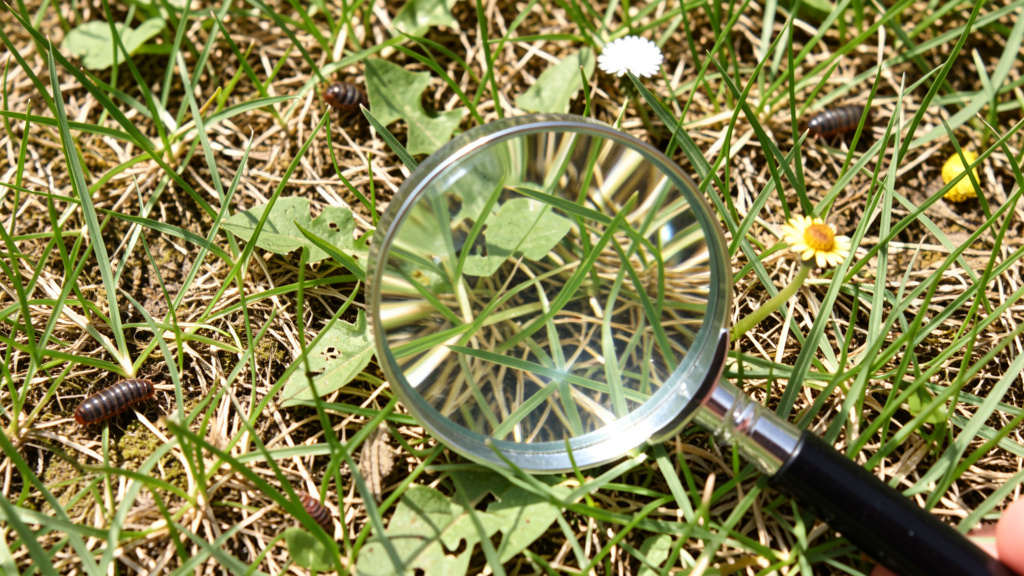
Stop Guessing and Start Solving: Transform Confusing Lawn Symptoms into Targeted, Effective Solutions with This Science-Backed Diagnostic Framework
Is your lawn showing mysterious brown patches, stubborn invaders, or chewed blades? You’re not alone. Most homeowners react to visible damage with quick fixes that miss the root cause—wasting time, money, and hope. This comprehensive guide walks you through a systematic, detective-style methodology used by turf professionals to pinpoint exactly what’s ailing your grass. Whether facing dandelions in the shade, fungal rings after rain, or spongy turf signaling hidden grubs, you’ll learn to read your lawn’s subtle language, verify findings with simple field tests, and implement solutions that restore health and prevent recurrence. No more guesswork. No more wasted effort. Just clear, confident action grounded in observable evidence.
Introduction
A troubled lawn communicates long before crisis strikes. A slight yellowing at blade tips, a patch of thinning density near the oak tree, soil that feels unusually hard beneath your feet—these are not random flaws. They are deliberate signals shaped by soil chemistry, microclimate conditions, cultural practices, and biological interactions. For decades, university extension programs and certified turfgrass professionals have relied on structured diagnostic protocols to move beyond surface symptoms and address underlying causes. This guide distills that proven methodology into an accessible, actionable system designed specifically for the observant homeowner.
The mindset shift is critical: stop seeing your lawn as a passive canvas requiring chemical correction. Begin viewing it as a dynamic living system sending continuous feedback. When you adopt the role of a detective—gathering evidence without bias, connecting environmental clues, and verifying hypotheses—you transform frustration into informed stewardship. This approach aligns with foundational principles in plant pathology and integrated pest management: accurate diagnosis precedes effective intervention. Whether you manage a small suburban plot or an expansive landscape, this framework empowers you to respond with precision, ecological awareness, and lasting results. Your journey to a resilient, vibrant lawn begins not with a product, but with a question: What is my lawn trying to tell me?
The Lawn Detective Framework: Your Three-Layer Diagnostic System
Misdiagnosis is the single greatest obstacle to lawn recovery. Applying herbicide to drought-stressed grass, fungicide to urine damage, or grub control to compacted soil not only fails—it compounds stress. The Lawn Detective Framework eliminates costly errors through three deliberate, sequential layers: Observation, Investigation, and Verification. This methodology mirrors protocols used in agricultural diagnostics worldwide, where skipping a layer risks misallocating resources and delaying recovery. Think of it as building an evidence-based case: each layer adds irreplaceable context, transforming ambiguity into clarity.
Layer 1: Observation – Documenting the Visible Evidence
Begin before sunrise or within two hours of dawn. Morning light reveals subtle color shifts and dew patterns invisible at midday. Arm yourself with a smartphone (for timestamped photos), a small notepad, a ruler or coin for scale, a hand trowel, and a magnifying lens if available. Walk slowly. Kneel often. Your sole task: record objective facts without interpretation.
Critical Documentation Checklist:
– Pattern Mapping: Sketch a simple lawn diagram. Mark problem zones. Note shapes: circular patches (often disease), straight lines (chemical spill, equipment damage), irregular blotches (pest activity), or concentrated edges (weed invasion, runoff). Measure patch diameters.
– Color Precision: Avoid “brown” or “yellow.” Specify: “straw-colored center with dark smoke-ring border,” “bluish-gray tint indicating drought stress,” “yellowing starting at blade tips progressing downward.” Note if color changes when wet vs. dry.
– Texture & Structure: Run fingers gently over affected areas. Document: “matted and slimy when wet,” “brittle blades snapping easily,” “spongy feel underfoot,” “thatch layer exceeding ½ inch (1.25 cm).”
– Micro-Inspection (Kneel Down): Examine individual blades, soil surface, thatch layer. Look for:
– Webbing, silk tunnels, or frass (insect excrement resembling sawdust)
– Fungal threads (cobweb-like mycelium visible only in morning dew)
– Distinctive weed features: taproots, seed heads, leaf arrangements
– Animal signs: burrow entrances, droppings, chewed stem bases
– Temporal Tracking: When did symptoms first appear? Do they worsen after rain, during heatwaves, or at specific times of day? Note recent weather: “Heavy rain Tuesday; patches visible Thursday morning.”
Pro Tip: Take three photos per problem zone: (1) Wide shot showing location relative to trees/driveway, (2) Medium shot of the patch itself, (3) Extreme close-up of affected blades/soil with ruler for scale. Store these in a dedicated folder labeled with date and location. This visual timeline becomes invaluable for tracking progress or consulting experts.
Why This Layer is Non-Negotiable: Observation establishes irrefutable baseline data. A circular brown patch in a low-lying area that remains damp 24 hours after light rain strongly suggests Pythium blight (a water-mold disease), whereas the identical symptom on a south-facing slope with sandy soil points to drought stress. Without precise documentation, you risk treating the symptom while ignoring the cause. One documented case involved “brown circles” near a sprinkler head. Observation revealed the circles aligned perfectly with the sprinkler’s arc—diagnosing chemical burn from fertilizer granules stuck in the head, not disease. Verification confirmed it. Solution: clean the sprinkler. No chemicals needed.
Common Pitfall to Avoid: Confirmation bias. If you expect grubs because you saw a beetle, you’ll overlook evidence of drought. Force neutrality: “I see spongy turf. Possible causes: grubs, excessive thatch, poor drainage. I will not conclude until Layer 3.”
Layer 2: Investigation – Uncovering the Hidden Context
Observation answers what. Investigation answers why. This layer connects visible symptoms to environmental conditions, soil dynamics, and cultural practices. It requires honest auditing of your routines and your landscape’s unique characteristics. Grab your trowel and notebook—dig deeper, literally and figuratively.
Soil & Site Assessment:
– Moisture Test: Dig a 4-inch (10 cm) hole in affected and healthy zones. Squeeze soil:
– Soggy, water drips: Poor drainage, risk of root rot/fungal diseases.
– Crumbly, holds shape briefly: Ideal moisture.
– Hard, won’t form ball: Drought stress, compaction.
– Compaction Check: Try inserting a screwdriver vertically. Resistance beyond 1–2 inches (2.5–5 cm) indicates compaction—a primary driver of weed invasion (plantain, dandelion) and shallow roots. Note high-traffic paths, play areas, or vehicle parking spots.
– Thatch Measurement: Slice a thin wedge of turf. Measure the brown, spongy layer between green blades and soil. >¾ inch (2 cm) thatch harbors pests, blocks water/nutrients, and promotes disease.
– Shade & Airflow Audit: Track sun exposure hourly. Dense shade (>6 hours daily) favors moss, fine fescues, and moisture-loving weeds. Note areas blocked by fences, shrubs, or structures limiting air movement—prolonging leaf wetness, a key disease trigger.
Cultural Practice Audit (Be Brutally Honest):
– Mowing: Height setting? Dull blades tearing grass (look for frayed, whitish tips)? Mowing wet grass (spreads disease)? Frequency? Scalping edges near sidewalks?
– Watering: Schedule? Duration? Signs of runoff (water pooling on surface)? Evening watering (leaves stay wet overnight)? Uneven coverage (brown spots under tree canopy)?
– Fertilizing: Last application date? Product used? Rate applied? Visible granules on soil surface (potential burn indicator)? Recent “weed and feed” use?
– Chemical History: Herbicide drift from neighbor’s yard? Gasoline spill near shed? Recent pesticide application?
Environmental Context:
– Weather Log: Review past 14 days. Extended rain? Heatwave (>90°F/32°C for 3+ days)? Frost event? High humidity? These directly trigger specific diseases (e.g., brown patch thrives in humid heat).
– Wildlife Activity: Pet urine patterns? Bird probing for grubs? Skunk/raccoon digging? Rabbit chew marks on stems?
– Adjacent Factors: New construction disturbing soil? Tree roots competing for water? Downspout dumping water in one spot?
Why Investigation Transforms Outcomes: Symptoms are rarely isolated. Example: You observe dollar spot disease (small tan patches). Investigation reveals you’ve been watering lightly every evening for two weeks. The real cause isn’t the fungus itself—it’s the cultural practice creating ideal fungal conditions. Correcting watering habits (deep, early morning irrigation) resolves the issue more effectively than fungicide. Another case: Moss dominates a shady corner. Investigation shows soil pH is 5.8 (acidic) and compaction is severe. Solution isn’t moss killer—it’s aeration, liming to raise pH, and overseeding with shade-tolerant grass. Investigation shifts focus from reactive killing to proactive ecosystem management.
Common Pitfall to Avoid: Blaming the grass seed. While cultivar matters (e.g., Kentucky bluegrass is prone to leaf spot), the vast majority of lawn problems stem from cultural or environmental factors within your control. Investigation redirects energy to actionable levers.
Layer 3: Verification – Confirming Your Hypothesis Before Acting
Before purchasing a single product, verify. This layer prevents irreversible mistakes and builds unshakable confidence. Verification combines cross-referencing authoritative sources with simple, low-cost field tests. It is strongly recommended not to rely solely on smartphone app identification or internet image searches—symptom overlap is common and can lead to misidentification.
Verification Toolkit:
– Trusted Resource Cross-Check: Consult university extension publications (search “[Your State] + lawn disease identification”). Compare your photos/notes to their symptom descriptions, host grasses, and environmental triggers. Prioritize .edu or .gov sources over commercial sites. Example: Purdue University’s “Recognizing Turfgrass Diseases” or University of Massachusetts Amherst’s “Weed Identification Guide.”
– The Tug Test (For Root Feeders): Grab a handful of affected grass. Pull gently upward.
– Grass lifts easily with minimal roots (like carpet): Strong indicator of white grubs or billbugs. Confirm by digging a 1 ft² (0.1 m²) section 2–3 inches (5–7.5 cm) deep. Count larvae. Thresholds: >5 Japanese beetle grubs/ft² or >10 masked chafer grubs/ft² warrant treatment.
– Roots remain intact: Points away from root feeders—consider drought, disease, or soil issues.
– Bag Test for Fungal Spores: Place 5–10 suspect blades in a sealed clear plastic bag with a damp (not wet) paper towel. Place in a warm, dark spot (70–75°F / 21–24°C) for 24 hours. Check for fuzzy mold growth. Presence confirms active fungal disease. Caution: Do not open bag near healthy plants; dispose of sealed.
– Soap Flush Test (For Surface Feeders): Mix 2 tablespoons (30 ml) of mild liquid dish soap (no degreasers) in 1 gallon (3.8 L) of water. Pour slowly over 1 ft² (0.1 m²) of affected turf. Wait 10 minutes. Sod webworms, cutworms, or armyworms will surface. Count and identify.
– Can Float Test (For Chinch Bugs): Remove both ends of a large coffee can. Push firmly into soil in affected area (edge of yellowing patch). Fill with water. Wait 5–10 minutes. Chinch bugs (tiny black insects with white wings) will float to the surface.
– Weed Identification Keys: Use botanical features, not just photos:
– Leaf Arrangement: Opposite (paired) vs. alternate (staggered).
– Stem Shape: Round (most grasses) vs. triangular (sedges like nutsedge—roll stem between fingers).
– Ligules/Auricles: Thin membrane (ligule) or ear-like appendages (auricles) at blade base—critical for grassy weed ID.
– Seed Heads: Crabgrass has finger-like spikes; quackgrass has slender, upright spikes.
– Expert Consultation: When uncertain, contact your local cooperative extension office. Most offer free or low-cost diagnostic services. Provide your Observation notes, Investigation findings, and photos. They appreciate thorough documentation—it speeds their analysis.
The Fundamental Principle: Accurate diagnosis is the single most cost-effective lawn care action you will ever take. A misdiagnosis not only fails to resolve the issue but often intensifies stress, wastes resources, and disrupts soil ecology. Verification transforms guesswork into targeted stewardship.
Why Verification is Your Safeguard: Imagine observing chewed blades and assuming armyworms. Verification via soap flush reveals no caterpillars. Further investigation notes damage occurs only at night with small pellet droppings—pointing to rabbits. Treatment shifts from insecticide (harmful, ineffective) to humane exclusion (fencing, repellents). Another scenario: Brown patches appear after a neighbor’s lawn treatment. Verification confirms herbicide drift via pattern analysis (damage aligns with wind direction) and symptom matching (chemical burn has sharp, irregular edges vs. disease’s circular patterns). Solution: Flush soil with water; avoid future drift via communication. Verification ensures your solution matches reality.
Common Pitfall to Avoid: Rushing to “fix” it. The urge to spray something is powerful but dangerous. Implement the 24-Hour Rule (detailed in Conclusion): Wait one full day after forming a hypothesis to research, verify, and plan. This pause prevents irreversible errors.
Decoding the Evidence: A Comprehensive Guide to Lawn Problem Categories
With your diagnostic framework mastered, apply it to the three core categories of lawn distress. Each section provides deep identification markers, causal analysis, and tiered solutions—always framed within the Observation-Investigation-Verification cycle. Use these as your reference library after gathering evidence, not before. Prematurely flipping to “weed solutions” invites bias.
Weeds: Ecological Indicators, Not Just Nuisances
Weeds are opportunistic survivors. Their presence reveals specific imbalances in your lawn’s ecosystem. Dandelions don’t invade healthy turf—they exploit thin spots created by compaction or low mowing. Viewing weeds as diagnostic clues shifts your perspective from eradication to ecosystem correction. This section details identification, the “why” behind their success, and integrated management strategies.
Why Weeds Thrive: Reading the Landscape Clues
Every dominant weed tells a story about soil conditions, moisture, light, and maintenance:
– Dandelion, Plantain, Crabgrass: Signal compacted soil, low fertility, mowing too short, or thin turf. These pioneers colonize disturbed ground.
– Moss: Indicates acidic soil (pH <6.0), heavy shade, poor drainage, excessive moisture, or severe compaction. Moss isn’t a weed—it’s a symptom of conditions unfavorable to grass.
– White Clover: Often appears in nitrogen-deficient soil. While it fixes atmospheric nitrogen (benefiting nearby grass), its spread signals your grass isn’t accessing sufficient nutrients.
– Yellow Nutsedge (Nutgrass): Thrives in poorly drained, persistently wet soils. Its presence is a red flag for drainage issues.
– Ground Ivy (Creeping Charlie): Dominates in heavy shade, moist soil, and low fertility. Its aggressive stolons exploit weak turf.
– Quackgrass/Bermudagrass (in cool-season lawns): Indicates soil disturbance (e.g., recent digging), thin turf, or introduction via contaminated soil/sod. These are highly invasive perennial grasses.
Analogy: Weeds are the “check engine” light of your lawn. Ignoring the light (pulling weeds repeatedly) doesn’t fix the underlying issue. Diagnosing why the light is on (compaction, shade, poor fertility) allows you to address the root cause, making the lawn inhospitable to future invasions. A dense, vigorously growing turf is widely recognized by turf science as the most effective long-term weed suppressant.
Step-by-Step Weed Identification Guide
Accurate ID is non-negotiable. Misidentifying nutsedge as crabgrass leads to wasted herbicide (most crabgrass killers don’t affect sedges). Use this textual key alongside magnification and the verification techniques in Layer 3.
Broadleaf Weeds:
– Dandelion (Taraxacum officinale): Deep, brittle taproot; jagged “lion’s tooth” leaves forming basal rosette; hollow flower stalk; bright yellow flower maturing to white puffball seed head. Diagnostic Clue: Appears in lawns mowed below 2.5 inches (6.25 cm) or with compacted soil. Taproot exudes milky sap when broken.
– White Clover (Trifolium repens): Low-growing perennial; trifoliate leaves (three leaflets) often with pale crescent mark; creeping stems (stolons) root at nodes; small white or pink flower clusters. Diagnostic Clue: Thrives in low-nitrogen conditions; common in lawns not fertilized for 1+ years. Fixes nitrogen via root nodules.
– Broadleaf Plantain (Plantago major): Oval to spoon-shaped leaves with prominent parallel veins radiating from center; forms dense ground-hugging rosette; tall, slender seed stalk with tiny flowers. Diagnostic Clue: “Footpath weed”—dominates compacted soil in high-traffic areas (sidewalk edges, play zones). Tolerates frequent mowing.
– Ground Ivy (Glechoma hederacea): Round to kidney-shaped leaves with scalloped edges on square, creeping stems; emits minty odor when crushed; small lavender-blue flowers in leaf axils. Diagnostic Clue: Aggressive in dense shade (>6 hours daily) and moist soil; forms dense mats smothering grass.
Grassy Weeds (Mimic Desired Grass):
– Crabgrass (Digitaria spp.): Light green to blue-green; coarse texture; blades radiate from central point like crab legs; forms low, spreading clumps; seed heads resemble slender fingers. Diagnostic Clue: Annual weed germinating when soil temps reach 55–60°F (13–16°C) for 3+ days (typically late spring). Exploits bare soil, thin turf, or edges. Dies with first frost but drops thousands of seeds.
– Quackgrass (Elymus repens): Bluish-green blades; rough texture; prominent clasping auricles (ear-like structures) at blade base; spreads aggressively via white, jointed rhizomes (underground stems). Diagnostic Clue: Perennial; often introduced with topsoil or sod. Rhizomes break easily—tilling spreads it. Tolerates poor soil and drought.
– Bermudagrass (Cynodon dactylon): Fine-textured; gray-green color; spreads rapidly by above-ground stolons and below-ground rhizomes; forms dense, wiry mats; seed heads in clusters of 3–7 spikes. Diagnostic Clue: Warm-season perennial invasive in cool-season lawns (Kentucky bluegrass, fescue). Thrives in heat, drought, and full sun. Extremely difficult to eradicate once established.
Sedges (Often Mistaken for Grasses):
– Yellow Nutsedge (Cyperus esculentus): Resembles grass but has triangular stem (roll between fingers—”sedges have edges”); yellow-green leaves arranged in sets of three; produces nut-like tubers (“chufa”) on roots. Diagnostic Clue: Prefers wet, poorly drained soils; emerges earlier than crabgrass (late spring); continues growing in heat when crabgrass slows. Tubers allow regrowth after pulling.
Weed Identification Quick-Reference Table:
| Weed Name | Key Identifying Features | Common Lawn Locations | Primary Ecological Clue | Best Verification Method |
|---|---|---|---|---|
| Dandelion | Taproot, jagged rosette, yellow flower → puffball | Sunny areas, compacted soil | Low mowing height, compaction | Pull test: brittle taproot with sap |
| White Clover | Three leaflets, white crescent, creeping stems | Throughout lawn | Low soil nitrogen | Crush leaf: no strong odor |
| Crabgrass | Light green clumps, finger-like seed heads | Edges, bare spots, thin turf | Soil warming in spring, bare soil | Annual; dies at frost |
| Yellow Nutsedge | Triangular stem, yellow-green, tubers on roots | Wet, poorly drained areas | Drainage issues, overwatering | Roll stem: distinctly triangular |
| Moss | Soft, velvety green carpet; no true roots | Shady, damp, acidic areas | Shade, compaction, low pH | Pulls up easily in mats |
| Ground Ivy | Round scalloped leaves, square stems, minty smell | Heavy shade, moist soil | Dense shade, low fertility | Crush leaf: strong mint odor |
| Quackgrass | Bluish-green, clasping auricles, white rhizomes | Disturbed soil, edges | Soil introduction, thin turf | Dig: white, jointed underground stems |
Targeted Weed Management Strategies: Tiered Solutions
Effective weed control integrates immediate removal with long-term cultural correction. Prioritize methods that address the ecological clue revealed during Investigation. Always verify ID before selecting a tactic.
Tier 1: Cultural Correction (Foundation for Prevention)
– Mow High: Set height to 3–4 inches (7.5–10 cm) for cool-season grasses (fescue, bluegrass); 2–3 inches (5–7.5 cm) for warm-season (zoysia, bermuda). Taller grass shades soil, suppressing weed seed germination. Never remove >⅓ of blade height at once.
– Water Deeply & Infrequently: Apply 1 inch (2.5 cm) of water per week in 1–2 sessions. Encourages deep grass roots that outcompete shallow-rooted weeds. Use a tuna can to measure output. Water early morning (4–8 AM) to minimize evaporation and leaf wetness.
– Fertilize Strategically: Base applications on soil test results. A dense turf is the best weed barrier. For clover indicating low nitrogen, apply slow-release nitrogen in fall (cool-season) or late spring (warm-season). Avoid high-phosphorus fertilizers if soil tests show adequate P—excess P can encourage certain weeds.
– Aerate Annually: Core aeration (removing 2–3 inch soil plugs) relieves compaction, improving water/nutrient penetration and root growth. Best done in early fall for cool-season lawns; late spring for warm-season. Overseed immediately after aeration.
– Overseed Thin Areas: Fill bare spots within 48 hours of disturbance. Use a grass seed blend matched to your site conditions (shade-tolerant mix for shady areas). Keep soil moist until germination.
Tier 2: Mechanical & Physical Control (Targeted Removal)
– Hand-Pulling: Most effective for taproot weeds (dandelion, plantain) when soil is moist. Use a dandelion digger or narrow trowel to lever out the entire root. For plantain, ensure removal of the central crown. Pro Tip: Pull after rain or deep watering for easier extraction.
– Smothering: For persistent patches (e.g., ground ivy in deep shade), cover with overlapping cardboard sheets weighted with mulch. Block light for 4–6 weeks. Replant with shade-tolerant groundcover (e.g., mondo grass) or overseed after removal.
– Boiling Water Spot Treatment: Pour directly onto weeds in cracks (driveway, sidewalk). Effective for young weeds; repeat as needed. Avoid near desirable plants.
– Flame Weeding: Use a propane torch weeder on weeds in hardscapes. Pass flame quickly over plant—heat ruptures cells. Caution: Fire hazard; never use near dry grass, mulch, or structures. Best on calm, damp mornings.
Tier 3: Chemical Control (Precision Application Only)
– Pre-Emergent Herbicides: Create a chemical barrier preventing weed seed germination. Critical Timing: Apply when soil temps reach 50–55°F (10–13°C) for 3+ days (use a soil thermometer). For crabgrass, this is typically when forsythia blooms fade. Products: Pendimethalin, prodiamine. Caution: Prevents all seed germination—including grass seed. Do not use if overseeding planned within 3–4 months. Water in lightly after application.
– Post-Emergent Herbicides:
– Broadleaf Weeds: Selective herbicides containing 2,4-D, dicamba, or mecoprop (often sold as “Trimec” blends). Apply to actively growing weeds (spring/fall); avoid >85°F (29°C) or drought stress. Spot-treat with a backpack sprayer—never broadcast unless >50% of lawn is infested.
– Grassy Weeds: Quinclorac effective for crabgrass; sethoxydim for quackgrass (check label for grass compatibility—can injure desirable grasses). Crucial: Verify target weed ID. Quinclorac won’t kill nutsedge.
– Sedges: Halosulfuron-methyl (e.g., SedgeHammer) is highly effective for nutsedge. Requires surfactant for penetration. Apply to young plants (<6 inches tall).
– Organic Options:
– Corn Gluten Meal: Natural pre-emergent that inhibits root formation in germinating seeds. Apply at 20 lbs/1,000 ft² (9 kg/93 m²) in early spring. Also adds nitrogen. Effectiveness varies with moisture and soil temp.
– Vinegar-Based Herbicides: Horticultural vinegar (20% acetic acid) burns top growth. Requires repeat applications; rarely kills roots. Spot-treat only. Warning: Household vinegar (5%) is ineffective. Wear eye protection.
Why Integrated Management Wins: Pulling dandelions while aerating compacted soil and raising mowing height addresses both symptom and cause. Research from land-grant universities has demonstrated that consistent cultural practices can lead to substantial reductions in weed pressure over time, often eliminating the need for herbicides. Chemicals are tools, not solutions. Use them sparingly, precisely, and only after cultural foundations are solid.
Critical Mistake to Avoid: Using “weed and feed” products without diagnosis. These combine fertilizer and herbicide, but:
– If your lawn doesn’t need fertilizer (e.g., recent application), you’re adding excess nutrients.
– If the weed is grassy (crabgrass) or a sedge (nutsedge), broadleaf herbicides in the mix won’t work.
– Broadcasting herbicide where weeds aren’t present harms soil microbes and risks runoff. Spot-treat. Always read the entire label—follow rate, timing, and safety instructions precisely.
Lawn Diseases: Decoding Fungal and Environmental Disorders
Most lawn diseases are caused by fungi—organisms always present in soil. They become problematic only when the “Disease Triangle” aligns: a Susceptible Host (your grass type), a Pathogen (disease organism), and a Conducive Environment (weather, moisture, stress). Break one corner, and disease cannot establish. This model is your prevention compass. Environmental disorders (drought, chemical burn) mimic disease—verification is essential.
Mastering the Disease Triangle: Prevention Through Disruption
Understanding this model shifts focus from reactive fungicide use to proactive cultural management:
– Susceptible Host: Choose disease-resistant grass varieties. Seed labels list resistance ratings (e.g., “Brown Patch Resistance: High”). For renovations, select blends with multiple resistant cultivars. Avoid monocultures.
– Pathogen: Fungi spread via wind, water, equipment, shoes, or animals. Clean mower blades after mowing affected areas. Avoid working on wet lawns. Bag clippings from diseased sections.
– Conducive Environment: This is your greatest lever. Most fungi require prolonged leaf wetness (14+ hours) and specific temperature ranges. Modify microclimates:
– Improve Airflow: Prune lower tree branches; thin shrubbery.
– Water Timing: Irrigate between 4–8 AM so blades dry quickly.
– Reduce Thatch: Core aerate annually; avoid excessive nitrogen.
– Mow High: Taller grass promotes airflow at soil level.
Real-World Application: Brown patch pressure increases in humid summers when nighttime temps stay above 68°F (20°C). If you water at dusk, leaves stay wet all night—ideal fungal conditions. Switching to 6 AM watering reduces leaf wetness duration, disrupting the environment corner. Combined with moderate nitrogen management (avoiding lush, susceptible growth), disease pressure drops significantly—even if the pathogen is present. This cultural approach is more sustainable and cost-effective than routine fungicide use.
Common Lawn Diseases: Symptoms, Triggers, and Solutions
Use this guide after Observation and Investigation. Match symptom patterns, grass types, and recent weather. Verification (Layer 3) is mandatory—symptoms overlap significantly.
Brown Patch (Rhizoctonia solani)
– Symptoms: Circular patches 6 inches to several feet wide. Affected blades water-soaked, dark at first, turning light brown. Distinctive “smoke ring”—dark grayish border of fungal mycelium visible only in early morning dew. Blades rot at base but roots often survive; grass may recover if weather cools.
– Host Grasses: Tall fescue (highly susceptible), perennial ryegrass, bentgrass, zoysiagrass. Kentucky bluegrass less susceptible.
– Environmental Triggers: Daytime temps >85°F (29°C), nighttime temps >68°F (20°C), high humidity, prolonged leaf wetness (dew, rain, evening watering). Common in mid-late summer.
– Verification: Morning inspection for smoke ring; bag test confirms fungal growth. Rule out drought (soil dry) or fertilizer burn (sharp edges matching spreader pattern).
– Solution Pathway:
– Immediate: Stop nitrogen fertilization. Water deeply early morning only. Improve airflow (prune).
– Cultural: Raise mowing height; avoid mowing when wet. Core aerate in fall to improve drainage.
– Chemical (Severe Cases): Fungicides with azoxystrobin, propiconazole, or thiophanate-methyl. Apply at first sign; repeat per label. Prevention: Use resistant tall fescue cultivars (e.g., ‘Crossfire,’ ‘Barlexas’).
Dollar Spot (Clarireedia homoeocarpa)
– Symptoms: Small, sunken patches 2–6 inches (5–15 cm) wide—size of a silver dollar. Individual blades have tan lesions with reddish-brown borders. Early morning: fine, cobweb-like white mycelium on grass. Patches merge in severe cases.
– Host Grasses: All major turfgrasses, especially low-nitrogen lawns. Bentgrass, ryegrass, bluegrass highly susceptible.
– Environmental Triggers: Warm days (70–85°F / 21–29°C), cool nights, high humidity, dew. Strongly associated with nitrogen deficiency and drought stress.
– Verification: Soap flush rules out insects. Soil test often reveals low nitrogen. Bag test shows fungal growth.
– Solution Pathway:
– Immediate: Apply light nitrogen fertilizer (0.25 lbs N/1,000 ft²). Water deeply early morning to wash dew off blades.
– Cultural: Maintain consistent fertility; avoid drought stress. Improve air circulation. Mow regularly at proper height.
– Chemical: Rarely needed if cultural fixes applied. Fungicides (chlorothalonil, iprodione) for high-value turf.
Red Thread (Laetisaria fuciformis) & Pink Patch (Limonomyces roseipellis)
– Symptoms: Red Thread: Pinkish-red, thread-like fungal structures (stromata) extending ¼–½ inch from blade tips; patches appear pinkish from distance. Pink Patch: Similar but forms pink, cottony mats. Both cause ragged, thin appearance. Does not kill crowns—grass recovers.
– Host Grasses: Perennial ryegrass (extremely susceptible), fine fescues, Kentucky bluegrass.
– Environmental Triggers: Cool (60–75°F / 15–24°C), wet weather in spring/fall; low nitrogen; slow-growing turf.
– Verification: Visual ID of red threads is definitive. Often confused with drought—but soil is moist, and grass recovers quickly with nitrogen.
– Solution Pathway:
– Primary: Apply nitrogen fertilizer (0.5 lbs N/1,000 ft²). Most cases resolve within 2–3 weeks as weather warms/dries. No fungicide needed.
– Prevention: Maintain adequate nitrogen; overseed with resistant cultivars (many modern ryegrass blends have resistance).
Pythium Blight (Pythium spp.)
– Symptoms: Small, greasy-looking, dark purple/brown patches that rapidly enlarge (up to several feet). Patches feel slimy when wet; cottony white mycelium visible in morning. Grass mats down. Can kill turf within 24–48 hours in severe heat.
– Host Grasses: Bentgrass, perennial ryegrass, tall fescue. Creeping bentgrass on golf greens highly vulnerable.
– Environmental Triggers: Hot (>85°F/29°C), humid weather; poor drainage; overwatering; excessive nitrogen; compacted soil. Often appears overnight after heavy rain.
– Verification: Urgent. Bag test confirms. Rule out drought (soil soggy) or chemical burn (pattern matches spill).
– Solution Pathway:
– Emergency: Stop watering immediately. Improve drainage (aerate if possible). Increase mowing height. Remove clippings.
– Chemical: Fungicides with mefenoxam or propamocarb must be applied at first sign. Delay = total loss. Prevention is critical: avoid overwatering, ensure drainage, use resistant varieties.
Snow Molds (Microdochium nivale – Pink; Typhula spp. – Gray)
– Symptoms: Circular patches (up to 2 ft / 60 cm) of matted, straw-colored grass as snow melts. Pink Snow Mold: Salmon-pink mycelium at patch edges. Gray Snow Mold: White to gray mycelium; hard black sclerotia (survival structures) in thatch. Gray mold more damaging.
– Host Grasses: Cool-season grasses (bluegrass, ryegrass, fescue). Bentgrass susceptible to pink mold.
– Environmental Triggers: Prolonged snow cover on unfrozen ground; excessive fall nitrogen; long grass under snow; poor air circulation.
– Verification: Appears only during snowmelt. Rake gently—patches may lift. Sclerotia confirm gray mold.
– Solution Pathway:
– Immediate: Gently rake affected areas to promote drying and airflow. Avoid walking on wet turf.
– Prevention: Mow grass to 2 inches (5 cm) in late fall. Avoid nitrogen fertilization after early September. Improve air circulation around susceptible areas.
Disease Identification & Action Table:
| Disease | Key Visual Clues | Critical Environmental Trigger | First-Line Cultural Solution | When to Consider Fungicide |
|---|---|---|---|---|
| Brown Patch | Smoke ring in dew, circular brown patches | Hot/humid nights, leaf wetness | Stop N, water AM, improve airflow | Severe outbreak on high-value turf |
| Dollar Spot | Silver-dollar patches, cobweb mycelium AM | Low N, dew, warm days/cool nights | Light N application, water deeply AM | Rarely needed |
| Red Thread | Red threads on tips, pink patches | Cool/wet weather, low N | Nitrogen application | Never recommended |
| Pythium Blight | Greasy dark patches, slimy, rapid spread | Hot/humid, poor drainage, overwater | Emergency: stop water, improve drainage | Immediate application at first sign |
| Snow Mold | Matted patches after snow melt | Snow cover on unfrozen ground | Rake gently, adjust fall practices | Preventative fall application in severe zones |
Environmental Disorders Mimicking Disease: Critical Distinctions
Misdiagnosing these as disease leads to wasted fungicide and delayed correction. Use Investigation layer clues.
-
Drought Stress:
Symptoms: Uniform bluish-gray discoloration; footprints remain visible; blades fold or roll lengthwise.
Diagnostic Clue: Occurs during hot/dry periods; soil probe reveals dryness 2+ inches down; improves within hours of deep watering.
Solution: Water deeply (1 inch); raise mowing height; avoid traffic until recovered. -
Fertilizer/Chemical Burn:
Symptoms: Irregular yellow/brown patches; often follows spreader pattern (stripes) or spill location (sharp edges near driveway). Sometimes visible granules on soil surface.
Diagnostic Clue: Appears 1–3 days after application; history of recent fertilizing/chemical use.
Solution: Flush area thoroughly with water (15–30 mins); damaged grass may recover if roots intact. Reseed bare spots after 2 weeks. -
Dog Urine Spots:
Symptoms: Small (3–8 inch) dead spot surrounded by dark green ring.
Diagnostic Clue: Recurring in same locations (near fence, path); history of pet access; soil pH test shows high alkalinity in spot.
Solution: Water area immediately after urination; train pet to use one mulched area; consider veterinary supplements (consult vet first). -
Soil Compaction Stress:
Symptoms: Thin, weak turf; increased moss/weeds; water pools on surface.
Diagnostic Clue: Screwdriver test shows resistance; history of heavy traffic, clay soil, or lack of aeration.
Solution: Core aeration; topdress with compost; overseed.
Verification Saves the Day: A documented case involved “brown patches” after a heatwave. Observation noted patches were uniform across sunny areas. Investigation revealed soil was bone dry 3 inches down. Verification: watered deeply—patches greened within 12 hours. Diagnosis: drought stress, not disease. No fungicide needed. Another case: “mysterious rings” appeared after neighbor’s lawn service visited. Investigation noted sharp-edged pattern matching spray wand. Verification confirmed herbicide drift. Solution: flush soil; communicate with neighbor. Verification prevents costly missteps.
Lawn Pests: Above and Below Ground Invaders
Pests cause damage by feeding on blades, stems, crowns, or roots. Early detection is critical—by the time visible damage appears, populations may be high. Use Layer 1 Observation to spot subtle clues (frass, webbing), Layer 2 Investigation to assess contributing factors (thatch, moisture), and Layer 3 Verification to confirm identity and population levels before treating.
Above-Ground Pests: Blade and Stem Feeders
These pests are often visible at dusk or with simple tests. Damage appears as chewed, ragged, or skeletonized blades.
Sod Webworms (Crambus spp.)
– Identification: Larvae: ½–¾ inch (1.25–2 cm) long, grayish-green caterpillars with dark spots; hide in silk-lined burrows at soil line by day. Adults: Small, dull-white moths that zigzag erratically at dusk.
– Damage Signs: Irregular brown patches; grass appears chewed or ragged at blade tips. Look for green fecal pellets at base of blades. Damage worsens in hot, dry weather. Often mistaken for drought.
– Verification: Soap flush test (2 tbsp dish soap/gallon water over 1 ft²). Larvae surface within 10 minutes. Inspect thatch layer at dusk with flashlight for feeding larvae.
– Solution Pathway:
– Cultural: Maintain healthy turf; encourage birds (natural predators). Avoid excessive thatch.
– Biological: Bacillus thuringiensis (Bt) var. kurstaki—spray late afternoon when larvae feed. Effective on young larvae; harmless to bees, pets, humans.
– Chemical: Insecticides with bifenthrin, carbaryl, or permethrin. Apply late afternoon; water lightly after to move product into thatch. Spot-treat only.
Armyworms (Spodoptera spp.) & Cutworms (Noctua spp.)
– Identification: Armyworm larvae: Up to 1.5 inches (4 cm), green to brown with stripes; move in groups (“armies”). Cutworm larvae: Plump, gray-brown caterpillars; curl into “C” shape when disturbed; hide in soil by day.
– Damage Signs: Armyworms: Rapid, extensive defoliation; entire sections turn brown overnight. Cutworms: Circular patches of severed blades at soil line; blades pulled into burrows.
– Verification: Soap flush test. Night inspection with flashlight (armyworms feed actively at night). Look for frass (droppings).
– Solution Pathway: Similar to webworms. Bt effective for young armyworms. For cutworms, beneficial nematodes (Steinernema carpocapsae) applied late afternoon to moist soil target larvae in burrows.
Chinch Bugs (Blissus leucopterus)
– Identification: Adults: 1/8 inch (3 mm), black with white wings folded X-shaped; nymphs: Red with white band across abdomen. Feed in sunny, hot areas.
– Damage Signs: Yellowing patches that turn brown, starting at lawn edges or near pavement. Damage resembles drought stress but typically does not improve with watering. Critical clue: Affected grass often feels dry at soil line even when surrounding soil is moist.
– Verification: Can float test (coffee can pushed into soil, filled with water—bugs float up in 5–10 mins). Magnifying lens confirms ID. Most active June–August.
– Solution Pathway:
– Cultural: Water deeply during drought; avoid excessive nitrogen (may encourage reproduction). Plant resistant grasses (e.g., ‘Rebel’ tall fescue).
– Chemical: Insecticidal soap or pyrethrin sprays for light infestations. For severe cases, systemic insecticides (clothianidin) applied early summer target nymphs. Always verify population exceeds threshold (20+ bugs/ft²) before treating.
Below-Ground Pests: The Silent Root Destroyers
Damage appears as wilting, browning, or spongy turf that lifts easily. Verification via digging is essential—never treat for grubs based on animal activity alone.
White Grubs (Japanese Beetle, June Beetle, Masked Chafer Larvae)
– Identification: C-shaped, white larvae with brown head capsule and six legs near head. Size varies by species and age (up to 1 inch / 2.5 cm). Adult beetles feed on ornamentals (roses, grapes).
– Damage Signs: Irregular brown patches; turf feels spongy underfoot; lifts easily like loose carpet (roots severed). Secondary damage: Birds, skunks, or raccoons digging for grubs.
– Verification: The Grub Count Test is mandatory. Dig up 1 ft² (0.1 m²) section 2–3 inches (5–7.5 cm) deep in affected area. Sift soil. Count grubs. Treatment Thresholds: >5 Japanese beetle grubs/ft²; >8–10 masked chafer grubs/ft²; >15 May/June beetle grubs/ft². Below threshold? No treatment needed—natural predators (birds, ground beetles) keep populations in check.
– Solution Pathway:
– Preventative (Best Approach): Apply Milky Spore (Bacillus popilliae) for Japanese beetles—takes 1–3 years to establish but provides long-term control. Apply beneficial nematodes (Heterorhabditis bacteriophora) in late July–August when eggs hatch; water soil before/after application.
– Curative: Insecticides with trichlorfon (Dylox) or carbaryl applied late summer when grubs are small and near surface. Spring treatments are rarely effective—grubs are larger, deeper, and less vulnerable. Always confirm grub presence and exceed threshold before applying.
Billbugs (Sphenophorus spp.)
– Identification: Larvae: Legless, white grubs with brown head; resemble white grubs but smaller (<½ inch / 1.25 cm). Adults: Gray-black weevils with distinct snout.
– Damage Signs: Yellowing patches that turn brown; grass pulls out easily with hollow, sawdust-like frass at base. Damage often starts along edges or in sunny spots. Easily confused with drought or disease.
– Verification: Pull affected grass—look for frass at crown. Split stems to find larvae. Soap flush may bring adults to surface.
– Solution Pathway:
– Cultural: Maintain healthy turf; some grass varieties have resistance (check seed labels). Avoid drought stress.
– Chemical: Target adults in late spring (before egg-laying) with bifenthrin. For larvae, apply imidacloprid in early summer. Timing is critical—consult local extension for regional emergence dates.
Pest Identification & Action Table:
| Pest | Damage Pattern | Confirmation Test | Critical Timing for Action | Primary Control Strategy |
|---|---|---|---|---|
| Sod Webworms | Ragged blades, irregular patches | Soap flush | Late spring/summer | Bt (biological), spot insecticide |
| Chinch Bugs | Yellow/brown in sun, dry soil feel | Can float test | Early summer (nymphs) | Insecticidal soap, resistant grass |
| White Grubs | Spongy turf, lifts easily | Dig & count (threshold!) | Late summer (curative) | Beneficial nematodes, milky spore |
| Billbugs | Hollow stems, sawdust frass | Stem inspection | Spring (adults) | Targeted insecticide at egg-laying |
Vertebrate Pests: Moles, Voles, and Surface Disturbers
-
Moles: Create raised, volcano-shaped mounds and surface tunnels (ridges). They eat earthworms and grubs—not plants. Tunnels disrupt roots.
Control: Reduce grub population (their food source). Use mole repellents containing castor oil (e.g., Mole-Max). For active tunnels (flatten section; if rebuilt in 24 hrs, it’s active), set harpoon or scissor-jaw traps. Avoid using poison peanuts—they pose risks to non-target wildlife and pets. -
Voles: Create surface runways through grass; chew grass blades and roots; girdle tree/shrub bark at soil line.
Control: Remove ground cover/debris near lawn edges. Place snap traps baited with apple slice or oatmeal in runways (cover with inverted box to protect pets). Use vole repellents (thiram-based) on vulnerable plants. -
Skunks/Raccoons: Dig small, conical holes searching for grubs.
Control: Address grub infestation first (see grub count test). Secure trash cans. Use motion-activated sprinklers (e.g., ScareCrow) near digging sites. Do not trap/release—illegal in many areas and spreads disease.
Integrated Pest Management (IPM) Philosophy in Practice: IPM prioritizes prevention, monitoring, and least-toxic interventions. Steps:
1. Prevent: Choose resistant grasses; maintain healthy turf; reduce thatch; encourage beneficial insects (ladybugs eat aphids).
2. Monitor: Weekly visual checks; soap flush in suspect areas; keep a pest journal.
3. Identify & Threshold: Verify pest ID. Is population above damage threshold? (e.g., <5 grubs/ft² = no action).
4. Intervene Least-Toxically: Hand-pick, Bt, nematodes, insecticidal soap before synthetic chemicals.
5. Evaluate: Did action reduce damage? Adjust future strategy.
This approach protects pollinators, soil health, and water quality while building long-term resilience. University research indicates that lawns managed using IPM principles experience fewer pest-related issues over the long term compared to routine pesticide applications.
When Diagnosis Fails: Navigating Complex Cases and Common Pitfalls
Even meticulous detectives face ambiguous cases. Overlapping symptoms, multiple stressors, or rare conditions can stall progress. This section provides protocols for uncertainty, turning frustration into strategic next steps.
The “Mystery Patch” Protocol: A Step-by-Step Troubleshooting Guide
You’ve completed all three layers. Evidence is conflicting. Example: Brown patches in a shaded area after rain. Could be disease (moisture), drought (sandy soil draining too fast), chemical damage, or nutrient deficiency. Proceed methodically:
- Isolate the Variable (Controlled Experiment):
Divide the affected area into three small sections (use string to mark): - Section A: Water deeply once (to rule out drought).
- Section B: Apply light nitrogen solution (¼ strength fertilizer tea—to rule out deficiency).
-
Section C: Leave untreated (control).
Monitor daily for 7–10 days. Which section improves? This simple test identifies the primary limiting factor. Document changes with photos. -
Expand Verification Sources:
- Submit Samples: Contact your local cooperative extension office. Most offer diagnostic services for $10–$25. Include:
- Photos (wide, medium, close-up)
- Soil sample from affected and healthy areas (in separate sealed bags)
- Detailed notes: “Brown patches appeared July 10 after 3 days of rain. Soil feels moist 2 inches down. Mowed at 2.5 inches. No recent chemicals.”
-
Cross-Reference Regionally: Search “[Your State] lawn diagnostic clinic” or “[Nearest Land-Grant University] turf disease images.” Local resources account for regional pathogens and grass types.
-
Assess Cumulative Stress:
Lawns rarely suffer one isolated issue. Compacted soil (Investigation finding) weakens roots, making grass susceptible to a minor fungal infection that wouldn’t affect healthy turf. Or drought stress + dog urine creates a dead spot mimicking disease. Address the most significant stressor first (e.g., aerate for compaction), then reassess in 2 weeks. Often, correcting the primary issue allows the lawn to recover from secondary problems.
Common Diagnostic Pitfalls and How to Avoid Them
-
Pitfall 1: Confirmation Bias
Scenario: You see beetles and assume grubs—ignoring evidence of drought.
Solution: Actively seek disconfirming evidence. Ask: “What would prove this is not grubs?” Perform the tug test. If roots are intact, look elsewhere. Write down three alternative hypotheses before verifying. -
Pitfall 2: Overlooking Microclimates
Scenario: Diagnosing the whole lawn based on one sunny patch, missing shade-specific issues.
Solution: Map your lawn into zones (full sun, partial shade, full shade, low spot, high traffic). Diagnose each zone separately. A moisture meter ($15) reveals hidden variations—soil under a tree may be dry while a low spot stays soggy. -
Pitfall 3: Reacting Too Quickly
Scenario: Spraying fungicide at first sign of brown patch without verifying.
Solution: Implement the 24-Hour Rule (see Conclusion). Sleep on it. Research. Verify. Most lawn issues won’t worsen significantly in 24 hours—but a misapplied chemical causes immediate harm. -
Pitfall 4: Ignoring Seasonal Timing
Scenario: Panicking over red thread in spring, not realizing it’s transient and weather-dependent.
Solution: Note the date. Many issues are seasonal: snow mold resolves as grass grows; red thread fades with warmer weather; crabgrass dies at frost. Monitor for 7–10 days before intervening. Not every symptom requires action.
When to Call a Professional: Clear Decision Criteria
Seek expert help if:
– Damage covers >25% of your lawn and is spreading rapidly despite corrective actions.
– You suspect soil contamination (e.g., chemical spill history, unusual plant die-off).
– Verification tests are inconclusive after two attempts.
– You lack tools/time for soil testing or sample submission.
– Local regulations require licensed applicators for certain treatments (e.g., restricted-use pesticides).
Finding the Right Expert:
– Cooperative Extension Agent: Free initial advice; unbiased; connects you to university resources. Find via extension.org.
– Certified Turfgrass Professional (CTP): Look for certification from state turfgrass associations or Sports Turf Managers Association (STMA). Ask: “Will you provide a written diagnosis before recommending treatment?”
– Reputable Lawn Care Company: Choose one emphasizing IPM and diagnostics. Red flags: “We’ll spray everything,” no site inspection, pressure to sign multi-year contracts. Request their diagnostic protocol.
Critical Insight: In persistent or severe cases, professional soil and tissue testing provides objective data that overrides guesswork. University-affiliated labs follow standardized protocols (e.g., Mehlich-3 extraction for nutrients) ensuring accuracy—a valuable step when home diagnostics reach their limits. This investment prevents years of misdirected effort.
Your Questions, Answered
Q: How can I definitively tell drought stress apart from a fungal disease?
A: Conduct the soil moisture test. Insert a screwdriver or soil probe 3–4 inches deep in the brown patch and a healthy green area. If the affected area is dry while healthy areas are moist, it’s drought. Drought-stressed grass also shows uniform bluish-gray discoloration and visible footprints. Fungal diseases create irregular patches with distinct borders (e.g., smoke ring in brown patch), and soil remains moist. Water the suspect area deeply. Drought stress typically improves within hours; disease does not.
Q: Are all weeds harmful? Should I remove clover from my lawn?
A: Not inherently. Clover fixes atmospheric nitrogen, benefiting nearby grass, stays green during drought, and supports pollinators. However, it can dominate if turf is thin. If you prefer a uniform monoculture lawn, spot-treat clover. If you value ecological benefits and low maintenance, consider embracing a “freedom lawn” mix containing clover and fine fescues. The choice aligns with your personal goals—there’s no universal “right” answer. Many modern seed blends now include micro-clover for resilience.
Q: I see small, pencil-sized holes in my lawn. Are they caused by pests?
A: Context matters. Scattered holes could be earthworm activity (beneficial aeration). Conical holes with loose soil mounds often indicate skunks or raccoons digging for grubs. Uniform, clean holes might be from cicada killers (solitary wasps) or ground-nesting bees (both beneficial). Observe at dawn/dusk for animal activity. If grub damage is suspected (spongy turf), perform the grub count test before treating. Never assume holes = grubs—verification prevents unnecessary pesticide use.
Q: Can I use dish soap to kill lawn pests? Is it safe?
A: A diluted solution (1–2 tbsp mild liquid soap per gallon of water) can act as an insecticidal soap against soft-bodied pests like aphids on ornamentals, but it is generally not recommended for lawn pests. Soap can damage grass blades (especially in heat/sun), lacks residual effect, and may harm beneficial soil organisms. For lawn pests, targeted solutions are safer and more effective: Bt for caterpillars, beneficial nematodes for grubs, or insecticidal soaps specifically formulated for turf. Always prioritize cultural controls first.
Q: Why do weeds only invade along my driveway or sidewalk edges?
A: Edges are high-stress zones: soil is warmer (promoting crabgrass germination), compacted from mowing traffic, exposed to de-icing salts or herbicide drift, and compete with pavement for moisture. Solution: Maintain slightly higher grass height at edges (3.5–4 inches). Use a string trimmer carefully to avoid scalping. Create a 6-inch mulched buffer zone between pavement and turf to reduce competition and chemical exposure. Overseed edges annually with a dense, competitive grass blend.
Q: How often should I test my soil for lawn health?
A: Test every 2–3 years for established lawns. Test immediately if: problems persist despite proper care, you’re renovating, or you suspect contamination. Spring (after soil thaws) or fall (before ground freezes) are ideal. Basic tests check pH and macronutrients (N-P-K); advanced tests include micronutrients, organic matter, and lead screening. Many cooperative extensions offer affordable testing ($10–$30) with tailored lime/fertilizer recommendations—far more valuable than guesswork.
Q: Is it safe to compost diseased lawn clippings?
A: Generally, no. Home compost piles rarely reach sustained temperatures (130–140°F / 55–60°C) needed to kill fungal pathogens like dollar spot or brown patch. Bag and dispose of clippings from actively diseased lawns. For pest-infested clippings (e.g., webworms), hot composting may work if monitored carefully, but when in doubt, dispose of them. Clean mower blades after mowing affected areas to prevent spreading spores.
Q: What’s the single most common diagnostic mistake homeowners make?
A: Jumping to conclusions based on a single symptom. Seeing brown patches and immediately buying fungicide, when the real cause is drought, dog urine, or improper mowing. The Lawn Detective Framework prevents this by requiring evidence collection across three layers before action. Patience in diagnosis saves significant time, money, and lawn health long-term.
Q: Can weather alone cause lawn damage without pests or disease?
A: Absolutely. Extreme weather is a major stressor: prolonged heat induces dormancy (grass turns brown but recovers with rain); heavy rainfall causes soil compaction and fungal growth; late spring frosts damage new growth; intense sun scalds blades. Always factor recent weather into your Investigation layer—it’s often the primary driver. A “problem” may simply be the lawn responding normally to environmental conditions.
Q: How do I know if my lawn issue warrants professional help?
A: Consider professional diagnosis if: (1) Damage covers >25% of lawn and spreads despite 2 weeks of corrective cultural practices; (2) You’ve performed verification tests twice with inconclusive results; (3) You suspect soil contamination or regulated pests; (4) The emotional or time burden outweighs the cost of expert help. A certified professional provides accurate diagnosis and targeted treatment plan—often saving long-term cost and effort. Start with your cooperative extension office for affordable, unbiased guidance.
Q: Are organic lawn care methods as effective as conventional for solving active problems?
A: Effectiveness depends on the problem, timing, and integration. For prevention and mild issues, organic methods excel: compost topdressing builds soil health; corn gluten meal suppresses weed seeds; beneficial insects control pests. For acute, severe infestations (e.g., >15 grubs/ft²), conventional methods may act faster. However, many homeowners successfully integrate both: using organics for maintenance and targeted, minimal conventional treatments only when thresholds are exceeded. Cultural practices (mowing, watering, aeration) form the foundation of all effective lawn care—organic or conventional. Prioritize soil health, and problems diminish significantly.
Q: My lawn has multiple issues at once (weeds, thin spots, moss). Where do I start?
A: Prioritize by impact and sequence:
1. Address soil constraints first: Test pH. If moss dominates shade, aerate compacted soil and apply lime if pH is low (<6.0).
2. Correct cultural practices: Adjust mowing height, watering schedule, and fertility based on soil test.
3. Target the most damaging issue: If grubs are present above threshold, treat first—healthy roots are essential for recovery.
4. Renovate in stages: Overseed thin areas in fall (cool-season) or late spring (warm-season). Spot-treat persistent weeds after turf density improves.
Trying to fix everything at once overwhelms the lawn and you. A phased, soil-first approach yields sustainable results.
Conclusion and Your 24-Hour Action Plan
Diagnosing lawn problems is not about memorizing every weed, disease, and pest. It’s about cultivating a disciplined, evidence-based mindset. The Lawn Detective Framework—Observation, Investigation, Verification—transforms uncertainty into clarity, reaction into strategy, and frustration into informed stewardship. This system empowers you to see your lawn not as a problem to be fixed, but as a dynamic ecosystem communicating its needs. Each diagnosis sharpens your intuition; each solution strengthens resilience. Over time, you’ll spend less time troubleshooting and more time enjoying a vibrant, self-sustaining landscape that reflects thoughtful care.
Recap: The Three Unbreakable Pillars
- Observe Without Bias: Document patterns, colors, textures, and timing with precision. Let evidence lead, not assumptions.
- Investigate Contextually: Connect symptoms to soil conditions, cultural practices, weather, and microclimates. Ask “why” relentlessly.
- Verify Before Acting: Cross-reference with trusted sources, perform simple field tests, and consult experts when needed. Never skip this layer.
The 24-Hour Rule: Your Immediate Next Step
Before purchasing any product or taking action, commit to this tiny but transformative practice:
Within the next 24 hours, spend 15 minutes conducting Layer 1 (Observation) on one problem area of your lawn. Take three timestamped photos (wide, medium, close-up with scale), sketch its location on a simple map, and write down one specific question you have about what you see. Do not research solutions yet. Do not form conclusions. Simply gather the first piece of evidence. This deliberate pause breaks the cycle of reactive guessing and anchors your next steps in reality. You are not solving the problem today—you are starting the investigation. That single act of mindful observation is the most powerful step toward lasting resolution.
The Bigger Picture: Cultivating a Living Legacy
A healthy lawn is more than aesthetics. It’s a living system that cools your home, filters rainwater, supports soil life, and provides space for connection. Challenges like weeds or pests are not failures—they are invitations to deepen your understanding. By responding with curiosity rather than chemicals, with patience rather than panic, you nurture not just grass, but resilience. Each season of careful observation builds knowledge that compounds year after year. You become not just a homeowner, but a steward. And in that stewardship lies the true reward: a thriving landscape that sustains itself, supports life, and brings quiet joy for decades to come.
Explore Our Complete Lawn Care System:
[Creating a Lawn Care Calendar for Year-Round Health] | [Organic Lawn Care: A Complete Guide to Natural Fertilizers and Pest Control] | [How to Aerate Your Lawn: Tools, Timing, and Techniques] | [The Ultimate Guide to Choosing the Right Grass Seed for Your Region] | [Watering Your Lawn: How Much, How Often, and When for Optimal Growth] | [Soil Testing 101: Understanding Your Results and Taking Action] | [Lawn Mower Maintenance: Keep Your Equipment in Peak Condition]